
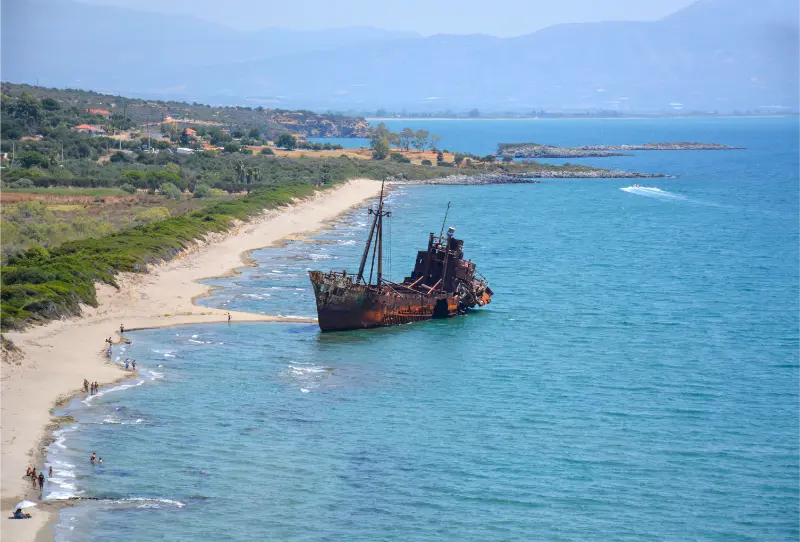
Gytheio is one of the most useful coastal bases in southern Greece because it combines a real port town with easy access to Mani, long beaches and the road toward Monemvasia. Its waterfront is lined with colourful neoclassical buildings, fishing boats and tavernas, while the small island of Cranae sits just off the southern edge of town. The atmosphere feels relaxed and maritime without being isolated.
This guide is designed for road trippers, couples, families and travellers combining beaches with Mani. It focuses on what is genuinely worth your time, how to combine the main sights without over-planning and which practical decisions matter most once you arrive.
Quick planning notes
- Best for: road trippers, couples, families and travellers combining beaches with Mani.
- Give the destination at least two nights if it is a base for day trips; one night is enough only for a transit stop.
- Check museum, archaeological-site, bus and ferry information again shortly before travel because seasonal schedules can change.
- In summer, start exposed walks and ancient sites early and keep beach or lunch time for the hottest hours.
Why it deserves a place in your Peloponnese itinerary
For a first visit, the best pace is slower than the map suggests. The Peloponnese is full of short-looking drives that become longer once you add mountain roads, village traffic, beach access and spontaneous stops. Build each day around one main area and one secondary activity. That creates time for lunch, swimming, museum closures or weather changes without turning the trip into a race between pins on a map.
The strongest reason to include this stop is the combination of local character and regional access. Instead of treating it as a name to tick off, use it as a base or a themed day: history, coast, walking, food or a village circuit. That approach creates a more memorable trip and usually reduces unnecessary driving.
What to see and do
Harbour promenade
The seafront is the natural orientation point. Walk it once in daylight to understand the town, then return in the evening when fishing boats, cafés and tavernas create the strongest atmosphere.
The best way to experience harbour promenade is to leave enough margin for the details around it. Look at the surrounding streets or landscape, read the on-site information and avoid scheduling the next stop so tightly that you have to leave just as the place becomes interesting.
Cranae or Marathonisi
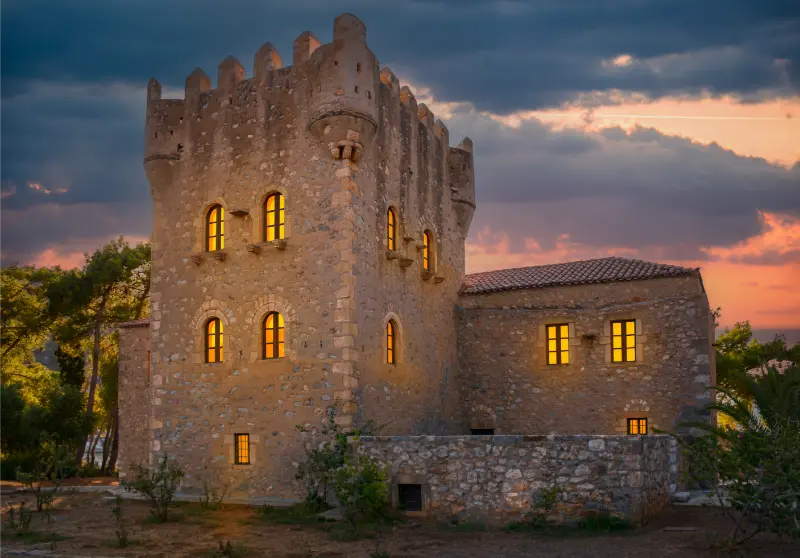
The small islet is linked to the mainland and associated in mythology with Paris and Helen. It is also home to the Tzanetakis Tower and a stone lighthouse, making it the easiest scenic walk from central Gytheio.
The best way to experience cranae or marathonisi is to leave enough margin for the details around it. Look at the surrounding streets or landscape, read the on-site information and avoid scheduling the next stop so tightly that you have to leave just as the place becomes interesting.
Mavrovouni Beach
South of town, Mavrovouni provides a long sandy beach and a very different experience from the compact harbour. It is useful for families and travellers who want to combine a cultural road trip with uncomplicated beach time.
The best way to experience mavrovouni beach is to leave enough margin for the details around it. Look at the surrounding streets or landscape, read the on-site information and avoid scheduling the next stop so tightly that you have to leave just as the place becomes interesting.
Gateway to Mani
Gytheio sits at the northern approach to the Mani Peninsula. Areopoli, Limeni and the Diros Caves are natural day-trip targets, while deeper Mani is better given a full day or an overnight stop.
The best way to experience gateway to mani is to leave enough margin for the details around it. Look at the surrounding streets or landscape, read the on-site information and avoid scheduling the next stop so tightly that you have to leave just as the place becomes interesting.
Road toward Monemvasia
The eastbound route opens another strong day-trip option. Monemvasia deserves its own time, so avoid trying to combine a full Mani circuit and Monemvasia on the same day.
The best way to experience road toward monemvasia is to leave enough margin for the details around it. Look at the surrounding streets or landscape, read the on-site information and avoid scheduling the next stop so tightly that you have to leave just as the place becomes interesting.
Seafood and evening life
The harbour is at its best after the day-trip traffic slows. Choose fish by what is actually available, ask about the daily catch and compare menus rather than assuming every waterfront table offers the same experience.
The best way to experience seafood and evening life is to leave enough margin for the details around it. Look at the surrounding streets or landscape, read the on-site information and avoid scheduling the next stop so tightly that you have to leave just as the place becomes interesting.
A realistic day plan
- Walk the harbour and Cranae in the morning.
- Spend late morning in the old streets and stop for coffee.
- Use the hottest hours for Mavrovouni Beach or a long lunch.
- Return to town before sunset for the waterfront promenade.
- Keep Mani or Monemvasia for a separate full day.
This sequence is intentionally flexible. Swap the beach and cultural stops according to heat, wind, opening hours and your energy. If a museum or site is unexpectedly closed, the day should still work rather than collapse.
Where to stay
Stay in central Gytheio for walkable evenings and harbour atmosphere. Choose Mavrovouni for easier beach access and a quieter resort feel. Drivers should confirm parking because the prettiest waterfront locations are not always the easiest for a car.
Check current accommodation options on Booking.com. Compare the map location carefully and read recent comments about parking, noise, stairs and air-conditioning rather than choosing only by headline rating.
How to get there and get around
Visit Greece describes Gytheio as the maritime gateway to Mani and lists KTEL links with Athens, Kalamata, Sparta and nearby towns. A car is strongly recommended for a multi-day Mani itinerary, but central Gytheio itself is easy to explore on foot.
If you rent a car, check the accommodation’s exact parking situation before arrival. Historic centres, waterfronts and mountain villages often have narrow streets or parking outside the pedestrian core. Keep an offline map, avoid blindly following navigation apps onto tiny local lanes and refuel before remote excursions. Driving times in Greece are better treated as estimates than promises.
Travelling without a car is possible if you keep the itinerary focused. Intercity KTEL buses are useful between major towns, but they are not designed to connect every beach, trailhead and archaeological site in a tourist-friendly sequence. Base yourself somewhere walkable, combine buses with occasional taxis and confirm the return journey before leaving for a remote attraction.
Best time to visit
Spring and early autumn are the easiest all-round seasons because walking temperatures are comfortable and road trips are less tiring. July and August work well for beach-focused travel, but start cultural visits early and protect the middle of the day from heat. Winter can be excellent for towns and mountain villages, although opening hours, regional transport and some coastal businesses become more limited.
For photography and walking, early morning and the final two hours of daylight are usually the most rewarding. Midday is better used for lunch, a museum with indoor sections or a swim. In shoulder season, build more flexibility into meals and transport because smaller businesses may not operate daily.
What to eat
Fresh fish, grilled octopus, local olive oil, simple vegetable dishes and Laconian products suit the setting. The best strategy is to eat seafood when the catch looks good and alternate it with inland Mani dishes on road-trip days.
A useful rule in the Peloponnese is to ask what is local today rather than searching for a fixed list of famous dishes. Seasonal vegetables, cheese, olive oil, pies, grilled meat and fish vary by sub-region. A short conversation with the server often produces a more authentic meal than ordering the most photographed item on the menu.
Visiting with children
Families should reduce the number of daily stops and prioritise shade, easy swimming and predictable meal breaks. A child may enjoy one castle, one short walk and a beach far more than three museums and a long afternoon drive. Carry water and snacks, check whether archaeological sites allow strollers on uneven paths and avoid exposed walks in the hottest hours.
Budget and booking strategy
Costs vary most by season and accommodation style. A useful strategy is to spend on location rather than unnecessary luxury: a walkable room can save repeated parking, taxi and fuel costs. Tavernas are usually easier to budget when you order shared starters, one or two mains and ask about fish by weight before confirming. Keep some cash for small businesses and rural stops.
Common mistakes to avoid
- Trying to combine too many towns, beaches and archaeological sites in one day.
- Relying on an old timetable for buses, ferries, museums or seasonal attractions.
- Underestimating heat, sun exposure or the time needed on mountain and coastal roads.
- Choosing accommodation by price without checking the exact map position and parking.
- Treating local landscapes as photo sets instead of protected environments or lived-in communities.
How to fit it into a longer Peloponnese trip
A useful backbone is our Peloponnese road trip guide. Depending on your direction, you can connect this stop with Nafplio, Ancient Olympia, Kalamata and Messinia, Mani or Monemvasia.
Avoid chaining all of those places into a single fast loop. The Peloponnese rewards regional stays: two or three nights in one base, then a move to the next zone. That gives you room for beaches, weather, long meals and unplanned discoveries.
Practical safety and responsible travel
Responsible travel here is mostly practical: stay on marked paths, do not move stones at archaeological sites, protect dune vegetation, take rubbish away from remote beaches and respect quiet residential streets. In summer, follow local fire restrictions and never assume a forest or gorge is safe just because the sky is clear. Local advice on wind, heat and road conditions is often more useful than an old blog post.
Frequently asked questions
How many days do you need for Gytheio?
Two nights is a comfortable minimum if you want more than a quick look. Add a third night when the destination is also your base for hiking, beaches or major day trips.

Do you need a car?
Not always for the central town or village, but a car usually improves access to beaches, mountain roads and scattered sights. Car-free travellers should choose a walkable base and plan regional transport before booking remote accommodation.
Is it worth visiting outside summer?
Yes. Spring and autumn are often better for archaeology, walking and road trips. Winter can be excellent for cities and mountain areas, while beach-focused destinations become much quieter and have fewer seasonal services.
Should you book accommodation in advance?
For July, August, carnival weekends, holiday periods and small villages with limited rooms, yes. In quieter months you may have more flexibility, but the best-located properties can still fill first.
Useful sources for current information
For details that can change, check Visit Greece – Gytheio, Mani Peninsula road trip. Reconfirm tickets, opening hours, road access, ferry or bus schedules and weather-sensitive activities shortly before the day of your visit.
Final advice
Gytheio Travel Guide works best when you resist the urge to turn the visit into a checklist. Choose the experiences that match your interests, leave time for the local rhythm and use the destination as part of a coherent regional route rather than a rushed detour.
The Peloponnese is large enough that a good trip is defined as much by what you leave out as by what you include. A slower plan almost always produces better meals, easier driving and more time in the places you came to see.
Continue planning Laconia with Laconia road trip.
Continue planning Laconia with Mavrovouni Beach, Valtaki and the Dimitrios shipwreck.