
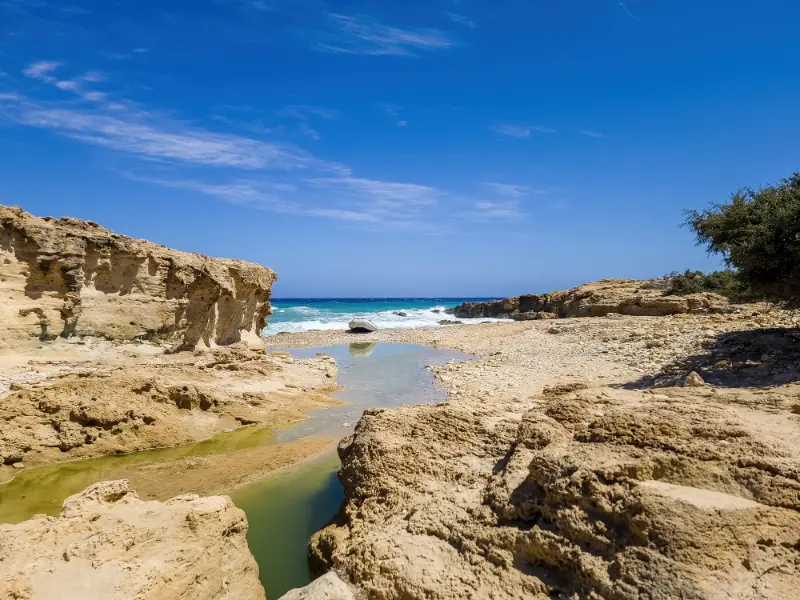
Gavdos is the kind of destination where logistics are part of the experience. The island lies south of Crete, has limited accommodation and services, and depends on weather-sensitive ferry links. Visitors come for quiet beaches, cedar and juniper landscapes, walking, stars and the feeling of being far from conventional resort life. It rewards preparation more than spontaneity.
Visit Greece describes Gavdos as the southernmost island of Europe and highlights its simple, nature-focused character. That simplicity should be taken literally. Do not arrive expecting a dense network of ATMs, shops, medical services or late-night transport. Bring what you need, respect protected vegetation and leave enough flexibility for ferry changes.
Why this place is worth adding to your Crete itinerary
Choose Gavdos if isolation, walking and unstructured beach days are the goal. It suits independent travellers comfortable with basic services and weather uncertainty. It is not the right choice for a tightly scheduled holiday, luxury expectations or travellers who need rapid access to extensive medical facilities.
At a glance
- Best for: travellers who want a slower, place-specific experience rather than only the classic north-coast highlights.
- Ideal stay: usually 2–4 nights, depending on hiking, beach time and day trips.
- Transport: a car gives the most flexibility, but some routes also work with buses and seasonal boats.
- Best months: May, June, September and early October for a balance of warm weather and easier sightseeing.
- Peak-summer rule: start exposed walks early and keep a wind or heat backup plan.
- Planning rule: recheck seasonal transport, archaeological hours and weather shortly before travel.
What to see and do
Sarakiniko
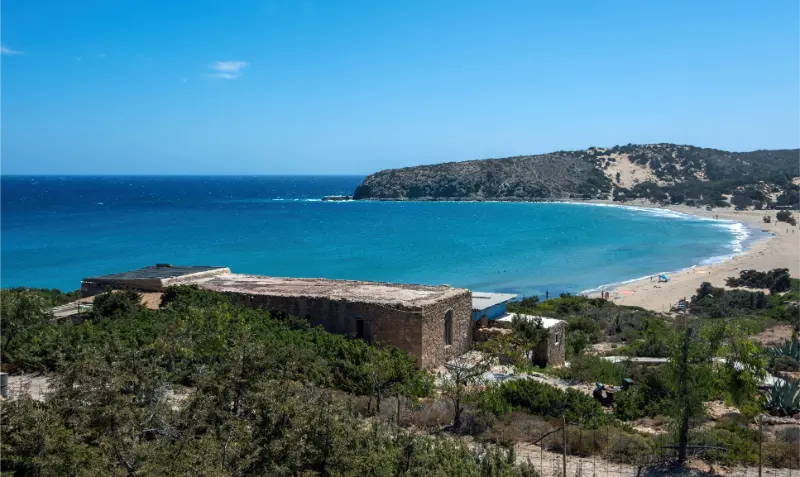
Sarakiniko is one of the most accessible and social beach areas on the island and a logical first base for many visitors. The beach is broad, with nearby food and accommodation options compared with more remote parts of Gavdos. Even here, services are limited by mainland standards.
Do not rush sarakiniko. The south and west of Crete reward early starts, shade breaks and time to adapt to weather. If conditions are poor, move the activity to another day rather than forcing a plan that looked good on a map.
Agios Ioannis
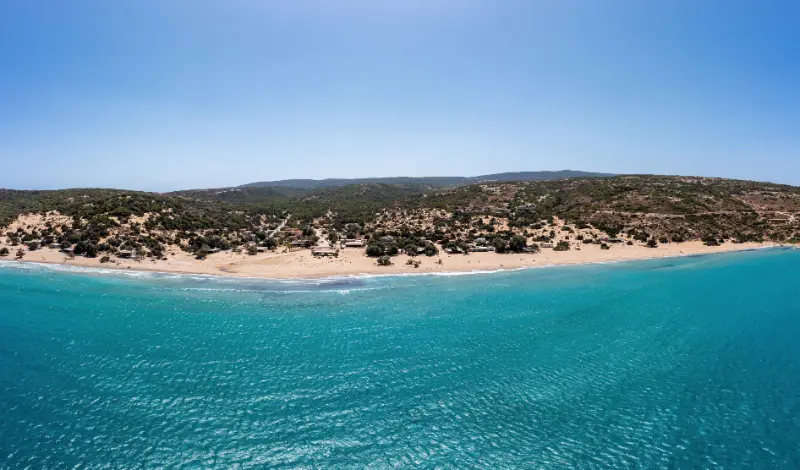
Agios Ioannis is known for dunes and a distinctive coastal forest landscape. This is a fragile environment, not an unlimited camping ground. Follow current local rules, avoid damaging roots and dunes, and keep all waste with you until it can be disposed of properly.
Do not rush agios ioannis. The south and west of Crete reward early starts, shade breaks and time to adapt to weather. If conditions are poor, move the activity to another day rather than forcing a plan that looked good on a map.
Cape Tripiti
Tripiti marks the celebrated southern edge of Europe and is reached through a dry, exposed landscape. The symbolic chair and cape attract visitors, but the walk should be planned around heat and water. Start early, carry more water than you think you need and do not underestimate the return.
Do not rush cape tripiti. The south and west of Crete reward early starts, shade breaks and time to adapt to weather. If conditions are poor, move the activity to another day rather than forcing a plan that looked good on a map.
Gavdos georoutes
Official tourism material promotes georoutes linking beaches, hamlets, geological features and the historic lighthouse. Hiking is one of the best ways to understand Gavdos, but shade is limited and mobile coverage may be inconsistent. Offline maps and a conservative turnaround time are sensible.
Do not rush gavdos georoutes. The south and west of Crete reward early starts, shade breaks and time to adapt to weather. If conditions are poor, move the activity to another day rather than forcing a plan that looked good on a map.
The lighthouse and interior
The historic lighthouse area provides a different view of the island from the beaches. Inland roads and tracks can be quiet and exposed. If you rent or use local transport, verify what is actually operating that season rather than relying on a map icon.
Do not rush the lighthouse and interior. The south and west of Crete reward early starts, shade breaks and time to adapt to weather. If conditions are poor, move the activity to another day rather than forcing a plan that looked good on a map.
A realistic itinerary
- Arrival day: settle near Sarakiniko or your chosen base, buy essential supplies and keep the first evening simple.
- Day 2: explore Agios Ioannis and nearby walking routes, avoiding dune and root damage.
- Day 3: make an early start for Cape Tripiti, carrying enough water and sun protection.
- Day 4: choose a georoute, lighthouse visit or completely unscheduled beach day; build in flexibility for ferry weather.
This pace deliberately leaves empty space. Road distances in Crete can be deceptive, and a beach day often becomes more enjoyable when it is not preceded and followed by two major sights. If you have only two nights, keep the first two priorities and remove the rest rather than compressing everything.
Where to stay
Accommodation is limited, so location matters. Sarakiniko is convenient for first-time visitors who want easier access to food and transport. More remote rooms deliver quiet but can make every meal or transfer harder. Confirm whether the property provides pickup from the port and what happens if your ferry arrival changes.
When comparing rooms, check parking, steps, shade, air conditioning, late check-in and the real walking route to dinner. On steep or roadless parts of southern Crete, a property that looks 300 metres away on a map can involve a much more demanding walk than the distance suggests.
For current accommodation, compare options on Booking.com. I would use the map view and recent reviews rather than choosing only by headline price.
Getting there and getting around
Gavdos is reached by boat from the south coast of Crete, including services associated with Chora Sfakion and Palaiochora depending on the timetable. Visit Greece notes both access points. Sailing schedules can change with season and weather, so verify the current operator information and never place an inflexible flight immediately after the return ferry.
If you rent a car, photograph the vehicle at pickup, confirm insurance and fuel policy, and avoid choosing the smallest possible transfer window on departure day. Mountain roads, goats, road works, beach traffic and ferry movements can all add time. If you do not drive, build the trip around confirmed services rather than assuming every village has frequent buses.
Best time to visit
May and June are excellent for walking, flowers and long daylight. September is one of the best all-round months because the sea is warm and the strongest summer crowds have usually eased. Early October can still be very good, but shorter days and changing weather require more flexibility. July and August offer the most reliable beach weather, yet exposed hikes can become unsafe in the middle of the day.
Wind matters as much as temperature on the Libyan Sea and open west-facing beaches. A forecast showing strong wind can completely change swimming conditions without making the day a failure. Use that time for villages, museums, food, sheltered coves or an early-evening walk.
What to eat
Expect a small number of tavernas rather than endless choice. Fresh fish, simple local dishes, salads and Cretan ingredients are the natural fit. If you have allergies or a strict diet, carry backup food because a remote island cannot guarantee the range of a city supermarket.
A useful habit is to ask for the day’s cooked dishes before ordering. Cretan food is strongest when it follows season and place: greens in spring, tomatoes and vegetables in summer, local cheese, olive oil, pulses, goat or lamb inland, and fish where there is a working harbour. Save room for fruit, yoghurt, honey or a small sweet instead of turning every meal into a huge checklist.
Is it good for families?
Gavdos can be wonderful for older children who enjoy nature and simple routines. For very young children, the limited services, strong sun and transport uncertainty require more planning. Shade, water and the ability to change plans are more important than trying to reach every famous beach.
For family days, alternate one active morning with one simple swim rather than stacking several attractions. Bring more water than you expect to need, use water shoes where the shore is pebbly, and remember that strong wind can make a normally easy beach unsuitable for small children.
Costs and practical planning
Accommodation prices vary sharply by month and exact location. Remote south-coast rooms can be good value, but you may spend more on transfers, taxis or a rental car. Beach access itself is often free, while sunbeds, boat trips, archaeological sites and parking can add daily costs. Keep a cash reserve because very small businesses and remote areas may not be as card-friendly as the major cities.
Do not rely on a single online source for opening hours or transport. Recheck official or operator information a few days before travel, especially for ferries, archaeological sites, protected areas and hiking routes affected by fire risk or extreme weather.
How to connect this stop with nearby Crete
Continue planning with Palaiochora guide; Frangokastello and Sfakia guide; Loutro guide; Chania travel guide. These guides are designed to work as one internal route rather than as isolated pages.
Common mistakes
- Booking an onward flight too close to the scheduled return ferry.
- Arriving without enough cash, water capacity or essential medication.
- Damaging dunes or coastal trees by treating protected nature as campsite furniture.
- Attempting long walks in the middle of a heatwave.
- Expecting frequent transport and urban-style services.
Frequently asked questions
How many nights should I stay?
Two nights is enough for a focused visit, but three or four gives you room for weather changes, a beach day and one meaningful excursion without rushing.
Do I need a rental car?
Not always, but a car is the easiest option for most south and west Crete itineraries. Roadless villages and ferry routes are the exception, where boats and walking become part of the plan.
Can I visit in July or August?
Yes, but start hikes and archaeological visits early, book popular accommodation ahead and keep the middle of the day for shade, lunch or swimming where conditions are safe.
Is this area suitable without hiking?
Yes. Every destination in this cluster can be enjoyed through beaches, villages, food and short walks. The longer E4 or gorge routes are optional, not mandatory.
What should I recheck before departure?
Current bus and ferry schedules, archaeological opening hours, wind and fire-risk conditions, road access to remote beaches and any protected-area restrictions.
Useful official source
For information that can change, use Visit Greece – Gavdos and recheck local transport, site access, weather and seasonal services shortly before travel.
Final advice
The strongest trips in southern and western Crete are built around geography and conditions, not around the number of sights completed. Choose a sensible base, start important outdoor activities early, leave room for wind and heat, and allow one meal or swim to last longer than planned. That slower rhythm is usually where this part of Crete becomes memorable.