
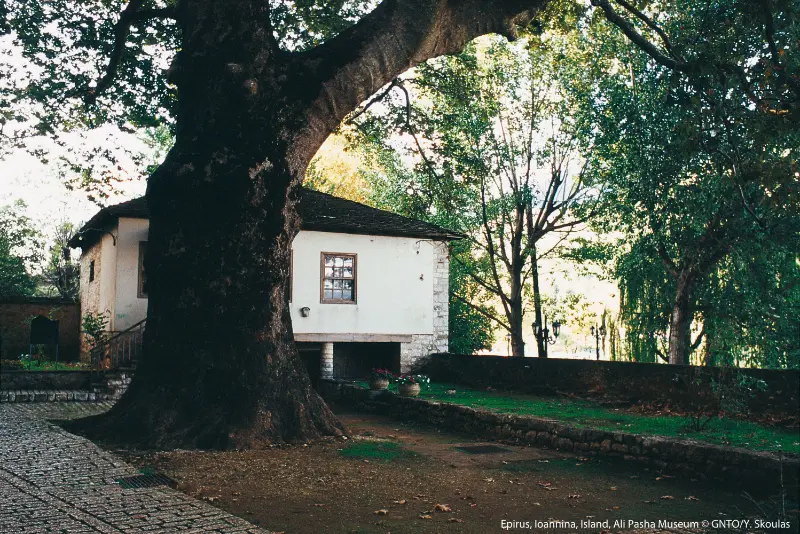
Ioannina Island Guide is a useful way to experience a small inhabited island in Lake Pamvotida whose monasteries, village lanes and Ali Pasha associations add a quiet historical counterpoint to Ioannina city. This guide is designed for travellers who want more than a list of sights: it explains how to sequence the day, where driving or walking time is often underestimated, and which details matter when you are actually on the ground in Epirus.
For wider context, start with the Zagori Travel Guide and the Ioannina Travel Guide. If hiking is central to your trip, also use the Hiking in Greece guide. Those pages cover the broader region; this article stays focused on the practical choices that make this specific stop work smoothly.
Quick planning facts
- The island sits in Lake Pamvotida directly beside Ioannina.
- Small passenger boats connect the city waterfront with the island; schedules can vary seasonally.
- The island is associated with a group of historic monasteries and the final chapter of Ali Pasha’s life.
- There are no cars in the visitor core, making walking the natural way to explore.
- A half-day is usually enough, but a slow lunch can easily extend the visit.
Why this place deserves its own stop
The main reason to include this stop is that it reveals a different layer of Epirus from the famous headline sights. A small inhabited island in lake pamvotida whose monasteries, village lanes and ali pasha associations add a quiet historical counterpoint to ioannina city. The experience becomes much richer when you leave enough time for walking, food and the changing mountain light instead of treating the place as a roadside photograph.
Zagori and the wider Pindus reward slow travel. Roads twist around valleys, parking in old settlements is limited, and weather can change the order of the day. I therefore plan by geographic clusters: one village group, one outdoor objective and one relaxed meal. That structure leaves room for an unexpected viewpoint, a local recommendation or a trail that takes longer than the sign suggests.
The boat ride
The crossing is short, but it changes the perspective on Ioannina. From the water, the castle, mountains and lake form one landscape rather than separate attractions. Check the current departure point and last return before leaving the city, especially outside summer. Do not build a tight onward connection around an assumed timetable.
My approach here is to allow more time than the minimum. Even when the main sight takes less than an hour, the surrounding paths, views and village atmosphere are what make the stop memorable. If weather closes in, shorten the outdoor section rather than compensating by driving faster to the next place.
Monasteries
The island’s monasteries are among its most important cultural features. Dress and behave respectfully, keep voices low and follow any photography restrictions. Even if you are not travelling for religious tourism, the architecture, frescoes and lakeside setting help explain the long spiritual history of the island.
My approach here is to allow more time than the minimum. Even when the main sight takes less than an hour, the surrounding paths, views and village atmosphere are what make the stop memorable. If weather closes in, shorten the outdoor section rather than compensating by driving faster to the next place.
Ali Pasha history
The island is strongly connected with Ali Pasha, the Ottoman-era ruler whose story is intertwined with Ioannina. Museums and local interpretation add context to the dramatic historical narrative. Treat the story as a doorway into the multicultural history of the city rather than only as a legend about one famous figure.

My approach here is to allow more time than the minimum. Even when the main sight takes less than an hour, the surrounding paths, views and village atmosphere are what make the stop memorable. If weather closes in, shorten the outdoor section rather than compensating by driving faster to the next place.
Village and lake walk
The settlement is small enough to explore without a rigid route. Walk beyond the first souvenir shops, follow the lakeside and allow time for quiet corners. The island works best at a slow pace. If the weather is clear, the changing views across Pamvotida toward the city and mountains are as memorable as any single monument.
My approach here is to allow more time than the minimum. Even when the main sight takes less than an hour, the surrounding paths, views and village atmosphere are what make the stop memorable. If weather closes in, shorten the outdoor section rather than compensating by driving faster to the next place.
How I would plan the visit
Allow three to five hours including the boat, a museum or monastery visit, a full circuit or partial lakeside walk and lunch. Morning is ideal if you want quiet; late afternoon can produce beautiful light but requires more attention to the last return boat. Combine the island with the castle on the same day rather than driving elsewhere in Epirus.
The key is to preserve a margin. In mountain Greece, a 30-minute delay can come from roadworks, livestock, a photo stop, a slow lunch or simply a narrow road behind another vehicle. Building slack into the itinerary means you can enjoy those moments rather than treating them as problems. I also avoid scheduling a long transfer immediately after the main hike or outdoor activity.
Where to stay
You do not need to sleep on the island to enjoy it. Staying in central Ioannina near the lake makes the boat trip simple and leaves the evening free for the city. If you are combining Ioannina with Zagori, use the island as a lower-intensity day between mountain drives or hikes.
For booking, I pay more attention to parking instructions, heating, breakfast timing and road access than to a long amenities list. Historic villages often have pedestrian lanes and accommodation entrances that are not obvious from a map. A message to the property before arrival can save a stressful search with luggage on steep stone streets.
Getting around and driving
A car gives the greatest flexibility in this part of Epirus, but driving style matters. Mountain roads can be narrow, with blind bends, occasional animals and limited shoulders. Keep fuel comfortably above empty, download an offline map, and avoid relying on optimistic map-app journey times. After dark, familiarity with the route matters more than the number of kilometres.
If you prefer not to drive, organised excursions, taxis and local transfers can cover some major sights, but they are not a complete substitute for a car when you want several small villages. For point-to-point hikes, pre-arranged transport is often more important than getting to the trailhead itself. Confirm the pickup plan before setting out.
Food and local rhythm
The island is known for lake-oriented local food as well as broader Epirote cuisine. Choose lunch based on what is fresh and clearly priced rather than chasing one supposedly mandatory dish. If you have dietary preferences, ask before ordering because traditional menus can be meat- and dairy-heavy.
Opening patterns are seasonal. A village that feels busy on an autumn weekend can be extremely quiet on a weekday outside peak periods. I do not assume that a café, petrol station or taverna shown online will be open at a precise hour. Carrying water and a small snack gives you the freedom to keep the day relaxed.
Best time to visit
Late spring and early autumn are excellent for most road trips and walking because temperatures are usually more comfortable than midsummer. Summer offers long daylight, but exposed paths can still be hot. Autumn colours are particularly attractive around the Pindus. Winter creates a completely different atmosphere, with snow possible at altitude and a much greater need to check tyres, chains, forecasts and road conditions.
There is no single best month for every traveller. Hikers should prioritise stable conditions; photographers may prefer changing weather; families often value long daylight and simpler roads. Whatever the season, recent local information is more important than a fixed annual rule when mountains, rivers or snow are involved.
Travelling with children
The boat ride and car-free lanes can be enjoyable for children, although old paving and monastery steps may challenge strollers. Keep children close to the waterfront. A half-day is usually the right length: enough variety without turning the island into a long museum programme.

A useful family rule in Zagori is one major objective per day. Children often enjoy the bridges, water, village squares and short paths more than a long checklist of viewpoints. Build in warm food, toilet stops and time to play. If a route has exposure, fast water or loose stone, adult supervision matters more than the route’s reputation for being easy.
Photography without turning the trip into a photo shoot
Photograph the city from the boat in both directions, not only the island. Reflections on Pamvotida can be excellent in calm weather. Respect restrictions inside religious buildings and avoid photographing residents at close range without permission. Misty winter conditions can be especially atmospheric.
The best images often come when you stop looking for a single iconic frame. Stone walls, slate roofs, old paths, water and cloud layers tell the story of the region. Use safe pull-offs, never block a road or doorway, and remember that monasteries, churches and homes may have photography restrictions or deserve privacy even when no sign is posted.
Responsible travel in the UNESCO landscape
This part of Epirus is not a theme park: villages are lived-in communities and many trails cross a protected mountain landscape. Park only where you do not block residents or emergency access, keep noise low in village lanes, carry your rubbish out, and stay on established paths when the ground is fragile. In summer, fire restrictions can change quickly; in winter, snow and ice can turn an easy-looking road or path into a serious problem. Local advice on the day is more valuable than an old blog post when conditions are changing.
UNESCO describes Zagori as a cultural landscape in which villages, stone bridges, paths, staircases, sacred forests and mountain terrain form one connected system. That is a useful way to travel here too: support local businesses, walk respectfully through settlements and avoid reducing the region to a collection of viewpoints. The character visitors come to see depends on villages remaining viable places to live.
Common mistakes to avoid
- Assuming boats run on the same timetable all year.
- Rushing straight to lunch and skipping the monasteries.
- Trying to combine the island with a distant Zagori excursion on the same half-day.
- Ignoring respectful dress in religious sites.
- Forgetting to check the last return boat.
Most mistakes come from trying to make the day more efficient than the landscape allows. The cure is simple: fewer stops, earlier starts for outdoor activities, a clear parking plan and a willingness to change the route when weather or fatigue says so. In Epirus, a slower day often produces more memorable travel than a longer checklist.
Official information and useful context
For current destination information, consult the Visit Greece guide to Ioannina. For the wider heritage context, UNESCO’s Zagori Cultural Landscape page explains why the villages, stone infrastructure and surrounding landscape are protected as one cultural system. Recheck opening hours, trail conditions and activity schedules close to your travel date.
Frequently asked questions
How long do you need on Ioannina Island?
Three to five hours is a comfortable range for the crossing, walking, one or two cultural stops and a meal.

How do you get there?
Small passenger boats operate from the Ioannina waterfront. Check the current timetable and departure point locally because schedules vary by season.
Is the island worth visiting?
Yes, especially if you are already staying in Ioannina. It adds monasteries, lake views and historical context in a compact, relaxed setting.
Can families visit easily?
Generally yes. The boat is short and the visitor area is walkable, though stone paving, steps and waterfront edges require normal care.
What should you combine it with?
The Ioannina Castle and lakeside promenade make the most logical same-day pairing. Save Zagori or Dodoni for a separate excursion.
Final thoughts
Ioannina Island Guide works best when it is given enough time to feel like part of a mountain journey rather than another pin on a map. Keep the day realistic, connect it with nearby villages instead of distant attractions, and let food, weather and walking pace shape the itinerary. That approach is exactly what makes Epirus different from a fast island-hopping schedule.