

Crete is not an island you “do” in a weekend. It is the largest Greek island, and its scale is part of the appeal: Venetian harbour towns, Minoan archaeology, mountain roads, gorges, famous beaches, quiet villages, olive groves and a food culture strong enough to shape the whole trip. The first planning decision is not which beach to visit; it is which part of Crete to base yourself in.
For a first visit I recommend at least five nights, preferably seven or more. If you have a week, focus mainly on western Crete or split the trip between Heraklion/central Crete and Chania. Trying to cover the entire island from one hotel creates too much driving.
The four main regions
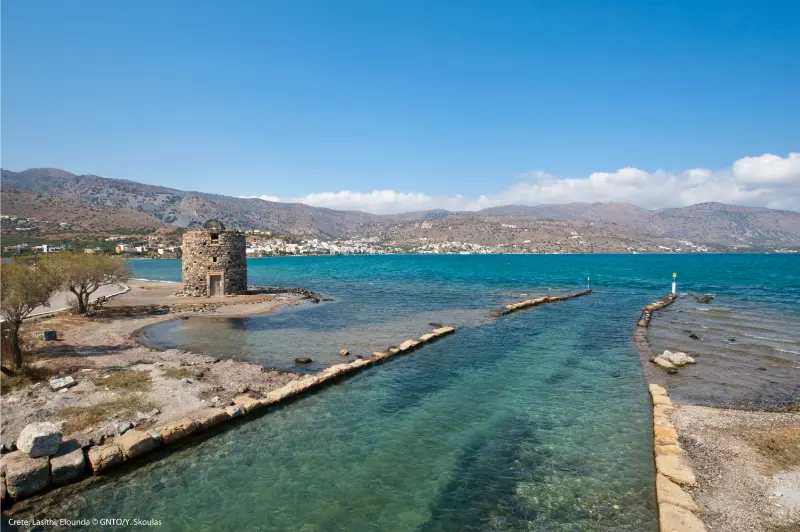
Chania in the west is popular for its beautiful old harbour, access to famous beaches and mountain scenery. Rethymno offers an attractive old town and a useful central-west location. Heraklion is the main urban and transport hub for central Crete and the natural base for Knossos and important museums. Lasithi in the east includes Agios Nikolaos, Elounda and a different rhythm from the west.
Where should a first-time visitor stay?
If you want the classic mix of charming town, beaches and road trips, Chania is hard to beat. If archaeology is central, give Heraklion at least two nights. If you prefer a resort-style stay with easy evenings, areas around Agios Nikolaos or the north coast may suit you. Rethymno can work as a compromise when you want access in both directions without changing hotels too often.
Chania
Chania’s old harbour is one of the most attractive urban settings in Greece, particularly early in the morning and after the busiest daytime hours. The lanes behind the waterfront reward slow walking, and the city is a good base for western excursions. Staying in or near the old town is atmospheric, but check parking and luggage access if you have a rental car because historic streets are not designed around modern vehicles.
Heraklion and Knossos
Heraklion is often treated as an airport stop, but it deserves more credit. The Archaeological Museum is a major reason to stay, especially when paired with Knossos. Visiting the museum and site with enough time gives Minoan Crete context that a rushed bus tour cannot. The city also has excellent food and a working urban atmosphere beyond tourism.
Rethymno
Rethymno combines an old town, Venetian and Ottoman layers, a long beach and a location between Heraklion and Chania. It can be a smart base for travellers who dislike constant hotel changes. The trade-off is that headline western beaches may still involve significant driving, so “central” on the map does not always mean short travel times on Cretan roads.
Agios Nikolaos and eastern Crete
Eastern Crete is a good choice for travellers who have already seen the west or prefer a slightly different landscape and pace. Agios Nikolaos is built around a picturesque lake and seafront, while nearby Elounda is associated with resort stays and access toward Spinalonga. The east also opens routes toward less-visited villages and beaches.
Crete’s beaches: choose by region
Crete has enough coastline that “best beach” lists can be misleading. Balos and Elafonissi are famous in the west, but both require planning around access, crowds and conditions. Falassarna offers a different western experience. The south coast has remote beaches and villages that can feel far from the north-coast resorts. In the east, palm-fringed and rocky landscapes create another style altogether.
Do not design the entire trip around one famous beach photo. Weather, wind, parking and road time can change the day. Keep a second option in the same region.
Do you need a car in Crete?
You can visit Crete without a car if you base yourself in main towns and use buses or organised excursions. A car becomes much more valuable for villages, remote beaches and flexible day trips. The distances are larger than many first-time visitors expect, and roads can be winding. Build realistic driving times and avoid making every day a two-hour-each-way expedition.
If you rent, choose the smallest vehicle that comfortably fits your group and luggage, check insurance terms and confirm parking at accommodation. The general Getting Around Greece guide covers rental-car planning in more detail.
A 7-day Crete itinerary
| Day | Plan |
|---|---|
| 1 | Arrive Heraklion; city dinner |
| 2 | Knossos + Heraklion Archaeological Museum |
| 3 | Drive/bus toward Chania with a stop in Rethymno |
| 4 | Chania Old Town + nearby beach |
| 5 | Western beach day |
| 6 | Mountain/village day or gorge/boat excursion |
| 7 | Flexible morning and departure |
If you fly in and out of Chania, use the whole week in western Crete instead. If you have ten days, add eastern or southern Crete rather than racing through all four regions.
Hiking and gorges
Crete is outstanding for active travel. The Samaria Gorge is the famous name, but it is not the only route. Hikes require more planning than a casual beach walk: seasonal opening, heat, water, footwear and onward transport matter. For any gorge, verify official access and weather conditions shortly before setting out.
Food in Crete
Food is one of the best reasons to travel slowly in Crete. Look for dakos, local cheeses, greens, pies, lamb or goat dishes, seasonal vegetables, olive oil and regional wines or spirits. The most memorable meals are often outside headline tourist zones, in places where the menu follows local products rather than a universal resort template.

Do not arrive with a list of ten “must-eat” dishes and ignore what is seasonal. Ask what is good that day. A village lunch can become the centre of an excursion rather than something squeezed between beaches.
Crete with children
Crete is one of my strongest Greek-island choices for families because you can rent one apartment or hotel for several nights and still create different days. Choose a base near a family-friendly beach, keep drive times moderate and alternate cultural sights with swimming. Young children may enjoy Chania or Rethymno evenings more than long archaeological days, so adjust the balance to the family.
Crete for couples
Couples can combine a beautiful old-town hotel with a few nights in a quieter coastal or mountain property. Crete rewards road trips, so one of the most romantic versions of the island is not a luxury resort alone but the freedom to stop in villages, wineries and beaches that were not on the original plan.
When to visit Crete
Crete has a long season and is especially attractive in spring and autumn. Summer is reliable for beach holidays but can be hot, particularly for archaeological sites and hiking. Spring brings greener landscapes; September keeps warm sea temperatures while the peak pressure begins to ease. For the broader weather picture, see Best Time to Visit Greece.
Common mistakes
- Trying to visit Chania, Elafonissi, Knossos, Agios Nikolaos and the far south from one hotel in three days.
- Underestimating mountain-road travel time.
- Booking an old-town property with a car but no parking plan.
- Treating Heraklion only as an airport.
- Doing a major gorge hike without checking access and return transport.
- Changing hotels too often on a one-week trip.
How long should you stay?
| Nights | Recommendation |
|---|---|
| 3–4 | Choose one region only |
| 5–7 | Excellent for one main region + limited second base |
| 8–10 | Comfortable two-base trip |
| 14 | Enough time for a broader road trip without rushing |
Is Crete a good first Greek island?
Absolutely, especially for travellers who want more than a postcard island. Crete offers beaches, cities, archaeology, nature and food in one place, which can simplify a first trip. It is also a good answer for travellers who dislike ferry hopping. The only requirement is to respect its scale and resist the urge to see the entire island in a few days.
For official regional information, seasonal events and destination ideas, see Incredible Crete. It describes Crete as Greece’s largest island and provides material across Chania, Rethymno, Heraklion and Lasithi.
Crete FAQ
Which airport is better: Chania or Heraklion?
Choose the airport that matches your route rather than the one with the cheapest fare in isolation. Chania Airport is convenient for western Crete, while Heraklion is better for Knossos, central Crete and many eastern connections. An open-jaw trip—arriving at one and leaving from the other—can reduce backtracking if flight schedules and rental-car rules work.
Can you stay in one place for a week?
Yes. Chania, Rethymno or a well-chosen coastal base can support a full week, especially if you prefer slower days. The danger is using one base to attempt long cross-island drives every day. If several must-see places are on opposite sides of Crete, two bases are more efficient.
Is Crete expensive?
Crete covers a wide range of budgets. Luxury resorts and famous beachfront properties can be expensive, but the island also has apartments, family-run rooms and tavernas that make a moderate trip realistic. Car rental and fuel become important budget lines when you explore extensively.

Can you visit Crete without beaches?
Absolutely. Archaeology, cities, food, villages, hiking and mountain landscapes make Crete one of the strongest Greek islands outside a pure summer beach holiday. Spring and autumn are particularly attractive for travellers who want active days without peak heat.
What should you book first?
In high season, start with flights and the first/last accommodation, then the rental car if needed. Famous excursions and special hotels may also require advance planning. Keep ordinary beach days flexible because wind and driving conditions can change what makes sense on a given morning.
A two-base rule that works well
For a first week, two bases are usually enough. More than that creates repeated packing and check-in time; fewer than that can produce long drives if your interests are spread across regions. The exact pair depends on airports and priorities, but Heraklion + Chania or Rethymno + Chania are common logical structures.
Leave a Reply