

Aegina is one of the easiest islands to add to an Athens family trip because the ferry ride from Piraeus is relatively short and the island has enough variety for children without forcing long travel days. Beaches, ancient temples, a lively harbour, pistachio treats and short boat outings can be mixed into a schedule that still leaves time for naps and slow meals.
The key is to resist the adult urge to ‘use the island well’ by seeing everything. With children, one beach plus one interesting place is usually enough for a full day. Base location matters more than hotel luxury: being able to walk to dinner or a swim can transform the whole trip.
Quick planning summary
| Question | Practical answer |
|---|---|
| Best for | Travellers who want an easy Saronic-island trip combining culture, food and sea |
| Ideal pace | One major sight or area plus one beach/meal rather than an island-wide checklist |
| Transport | Ferry from Piraeus; buses, taxis and rentals on the island |
| Best seasons | Late spring, summer and early autumn; cultural trips work year-round |
Best family bases
Aegina Town is easiest for ferries, supplies, restaurants and taxis. Agia Marina is stronger if your children want a beach every morning. Marathonas can be comfortable with a car, while Perdika suits older children who enjoy harbour life and boat trips. Souvala offers a quieter coastal base but should be checked for seasonal transport.
Ask accommodation hosts very specific questions: distance to the beach on foot, stairs, road crossings, cot availability, refrigerator size and whether restaurants are open during your dates. A ‘five-minute walk’ can feel very different with a stroller and midday heat.
Beaches for younger children
Agia Marina and Marathonas are the first places I would compare because they offer easier beach-day infrastructure. Choose the part of the beach with a comfortable entry and stay close enough to shade, water and toilets. Sea conditions can change, so even a family-friendly beach needs active supervision.
Avra near Aegina Town is convenient for a short swim rather than an all-day family beach. Moni can be fun with older children, but the boat crossing, limited shade and wildlife mean it needs more preparation.
Making archaeology work for kids
At Aphaia, give children a small mission: count columns, find the sea view or imagine how a temple on a hill would have looked to sailors. Keep the visit short in hot weather and reward it with Agia Marina beach. At Kolona, use the museum first or after the ruins depending on attention span.
Do not expect young children to care about every date. A memorable story about a goddess, an ancient ship or Aegina’s old harbour is more useful than a lecture. The point is to make history part of the island day rather than a separate school assignment.
Pistachios as a family food experience
Aegina pistachios are one of the easiest ways to connect children with local food. Try plain nuts first, then compare ice cream, sweets or spreads. Be cautious with young children because whole nuts are a choking hazard, and of course avoid pistachio products in families managing nut allergies.
Older children can enjoy choosing a small product to take home. Explain that the Aegina pistachio has PDO status and is tied to the island’s agricultural landscape; suddenly the roadside orchards become part of the travel story.
Boat trips and Moni
A short seasonal boat from Perdika to Moni can be exciting without taking an entire day. Ask about life jackets, shade, return time and boarding. Bring water and sun protection. If the sea is choppy or a child is tired, skip it without feeling that you missed the island.
Boat days are easiest when nothing important is scheduled afterward except dinner. Do not plan the last Moni boat followed by a tight ferry back to Piraeus.
Heat, naps and realistic pacing
In July and August, do cultural visits in the morning and use midday for swimming, lunch and rest. Aegina is close to Athens but still has strong Mediterranean sun. Carry water, hats and a lightweight cover for religious sites. If a child normally naps, protect that rhythm rather than replacing it with another attraction.
A two-night stay often works better than a rushed day trip for families. You can arrive, swim, sleep, enjoy one full island day and leave the next morning without turning the ferry into a stressful deadline.
Responsible travel on a busy island near Athens
Aegina’s proximity to Athens means visitor pressure can be concentrated on weekends and holidays. Use bins, reduce single-use plastics, respect archaeological barriers and avoid parking in ways that block village roads. On beaches without services, take everything you brought back out with you.
Support local producers by checking provenance, especially for pistachios. In churches and monasteries, remember that worship takes priority over sightseeing. On boats and around wildlife, follow operator guidance and never feed animals for photographs.
When to visit Aegina
Aegina works year-round, but the experience changes by season. Late spring and September are excellent for combining archaeology, walking and swimming without the intensity of peak summer. July and August offer the warmest sea and the broadest seasonal service, but weekends can be busy because the island is so close to Athens. Winter is better for town life, food and cultural sites than for a classic resort holiday.
For any season, check ferry schedules before booking accommodation. Aegina’s accessibility is a major advantage, but frequency and vessel type vary. On very hot summer days, place exposed archaeological sites early in the morning and save beaches or shaded lunches for midday.
Useful Aegina guides to read next
Continue planning with Where to Stay in Aegina: Town, Agia Marina, Souvala or Perdika?, Aegina Food Guide: Pistachios, Seafood, Local Products and What to Try, Aegina Town and Kolona Guide: Waterfront, Archaeology, Markets and Where to Stay, Temple of Aphaia and Agia Marina Aegina Guide: Archaeology, Beach and Practical Tips, Agios Nektarios and Paleochora Aegina Guide: Monastery, Medieval Churches and Visiting Tips.
Frequently asked questions
Is Aegina good with toddlers?
Yes, especially with a practical base and one major activity per day.
Which beach is easiest for families?
Agia Marina and Marathonas are good first options because of facilities and easier beach-day logistics.
Is the ferry too long for children?
The crossing is relatively short by Greek-island standards; choose the service that best matches your family’s comfort and schedule.
Should we rent a car?
It helps with child gear and flexible beach days, but Aegina Town plus buses/taxis can work for a short trip.
Is Moni suitable for kids?
It can be, particularly for older children, if sea conditions, shade and boat safety arrangements are appropriate.
Check before you go
Use Visit Greece for stable island information and verify beach, ferry and boat conditions close to your family’s travel date.
Final planning advice
Aegina rewards realistic planning more than aggressive sightseeing. Keep your transport simple, leave a buffer before ferries and choose one or two experiences that match the day’s weather. The island’s great advantage is that history, sea and food are close enough to combine without turning the trip into a race.
If this is your first Saronic-island trip, use Aegina as an easy introduction rather than trying to prove how much you can cover. A slower lunch, one archaeological site and one swim often create a stronger memory than five short stops. Save something for the next visit; the island is close enough to Athens that returning is realistic.
One more practical detail
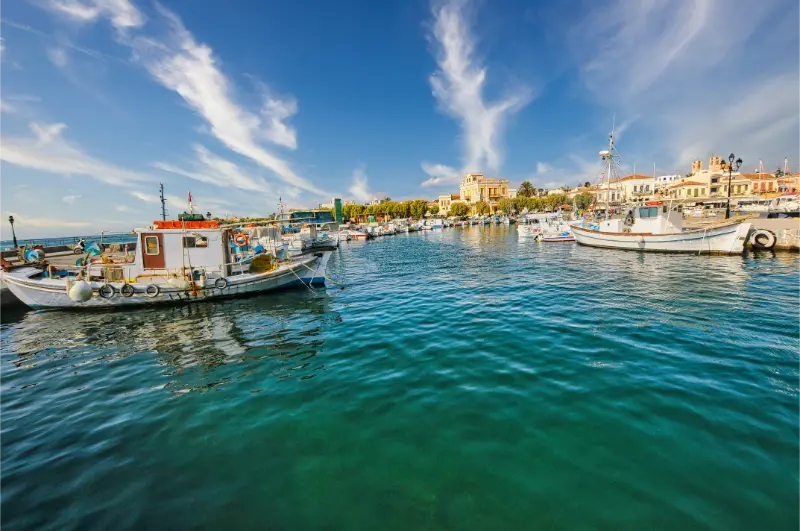
If you are combining Aegina with Athens, keep the arrival or departure day deliberately light. Ferry travel is usually easy, but port transfers, luggage and weather can still add friction. One waterfront walk and dinner on arrival is often a better start than trying to squeeze in a major site before closing time.
Extra planning note
One detail I would confirm locally for this specific plan is the day’s transport and opening pattern. Aegina is close to Athens, which makes spontaneous travel tempting, but ferry arrivals, bus departures and seasonal businesses do not all follow the same rhythm. Saving screenshots of the latest timetable and one taxi contact can prevent a small delay from changing the whole day.
Extra planning note
For photography and comfort, early morning and late afternoon are usually more rewarding than the middle of a summer day. The island’s pale stone, pine-covered hills and harbour light can look flat at noon but much richer when the sun is lower. This also gives you a natural reason to reserve midday for lunch or swimming rather than another exposed walk.
Extra planning note
Budget planning should include island transport, not only ferry and hotel prices. A cheap room far from the places you want to visit can create repeated taxi costs, while a slightly more expensive central base may reduce daily spending. Compare the full trip pattern before deciding what counts as good value.
Extra planning note
If you are combining Aegina with Athens, keep the arrival or departure day deliberately light. Ferry travel is usually easy, but port transfers, luggage and weather can still add friction. One waterfront walk and dinner on arrival is often a better start than trying to squeeze in a major site before closing time.
Extra planning note
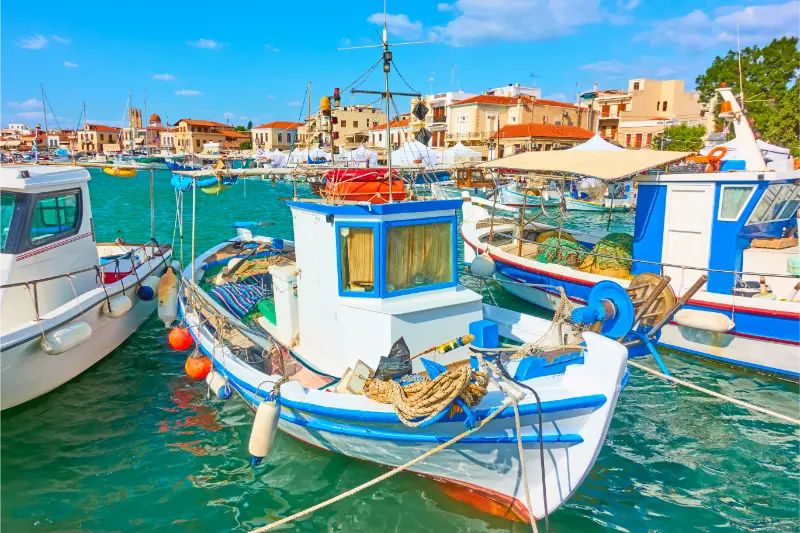
One detail I would confirm locally for this specific plan is the day’s transport and opening pattern. Aegina is close to Athens, which makes spontaneous travel tempting, but ferry arrivals, bus departures and seasonal businesses do not all follow the same rhythm. Saving screenshots of the latest timetable and one taxi contact can prevent a small delay from changing the whole day.
Leave a Reply