
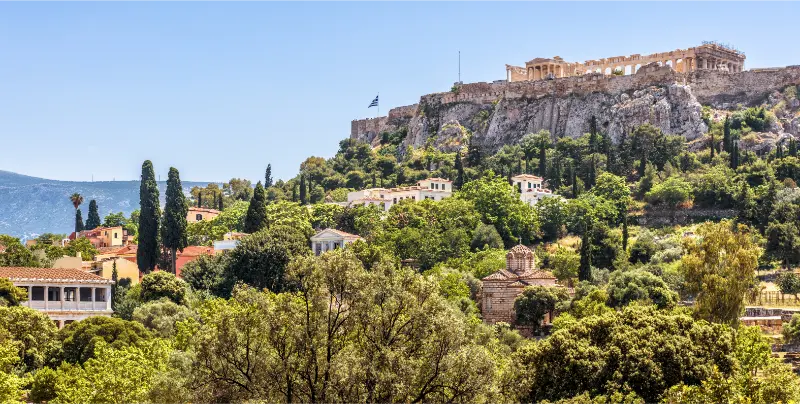
Four days is an excellent amount of time for Athens because it lets you move beyond the pattern of Acropolis in the morning, Plaka at lunch and departure the next day. You can still see the famous ancient sites, but you also gain time for modern neighbourhoods, one or two serious museums, a market morning and either the coast or a contemporary cultural stop. The key is to group places geographically so you are not repeatedly crossing the city in the heat.
This itinerary is intentionally realistic rather than maximalist. I would rather spend two hours properly at the Acropolis and enjoy a slow evening in Psyrri than squeeze five archaeological sites into one exhausted day. Use the plan as a structure, then adjust for museum closing days, heat, temporary closures and your own interests.
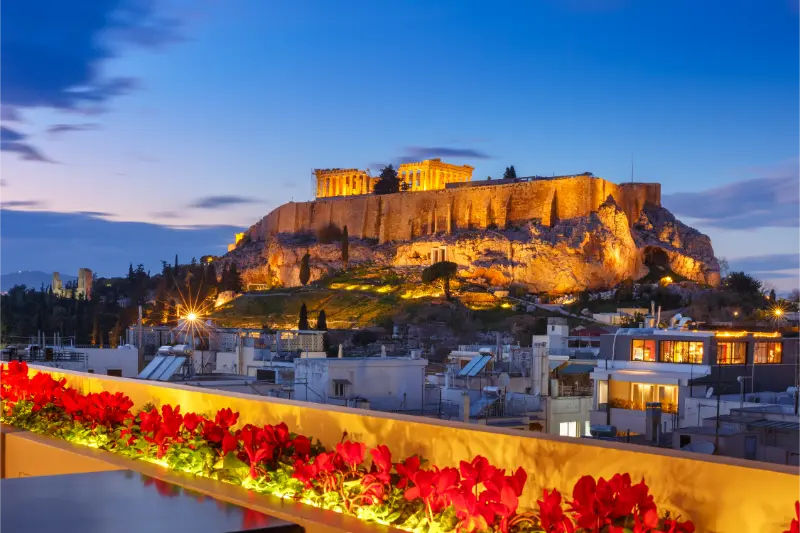
For wider planning, use my Athens Travel Guide and Best Neighborhoods in Athens. This guide stays focused on one part of the city so you can decide whether it genuinely fits your trip rather than adding it simply because it appears on a checklist.
Quick planning facts
- Day 1 focuses on the Acropolis, Acropolis Museum and Plaka/Koukaki.
- Day 2 covers the Ancient Agora, Monastiraki, Varvakios Market and a sunset viewpoint.
- Day 3 is built around the museum district, Syntagma and modern Athens.
- Day 4 can be used for the Athens Riviera/SNFCC or an Attica day trip depending on season.
- Tuesday museum closures and current archaeological-site access should be checked before fixing the exact order.
Why this stop deserves time in an Athens itinerary
Athens becomes much more rewarding when the itinerary alternates between archaeology, museums, neighbourhood life and open-air breaks. This stop earns its place because it adds a different layer rather than repeating what you already learn at the Acropolis. Think about what question you want the visit to answer: how Greeks understood history, how modern Athenians use public space, how food reaches the city, or how a neighbourhood’s identity developed. That simple question makes the experience more focused.
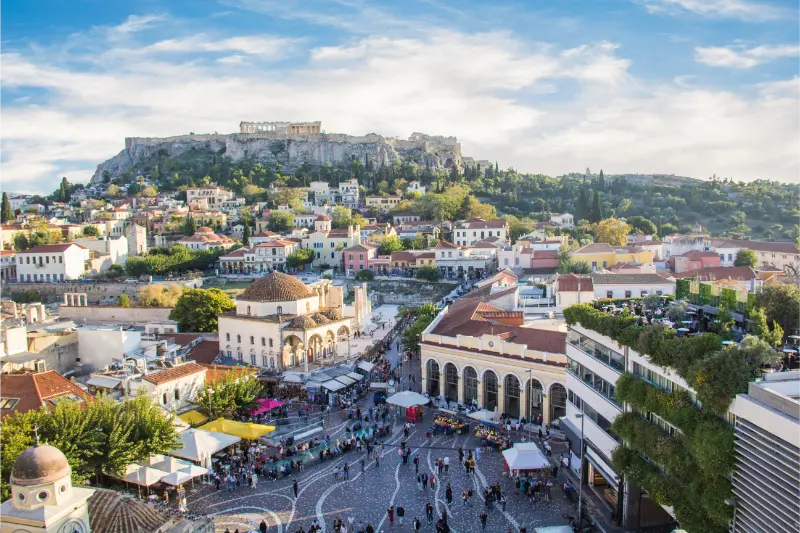
It also helps with pacing. Four days of temples and galleries can become surprisingly tiring even for travellers who love history. Pairing one concentrated cultural visit with a market, garden, hill or café district keeps attention high. I prefer to plan one major anchor in each half-day and leave enough time to walk between nearby places. Athens rewards transitions: the streets between attractions often explain the city as clearly as the attractions themselves.
What to focus on
Day 1: Acropolis and the southern historic core
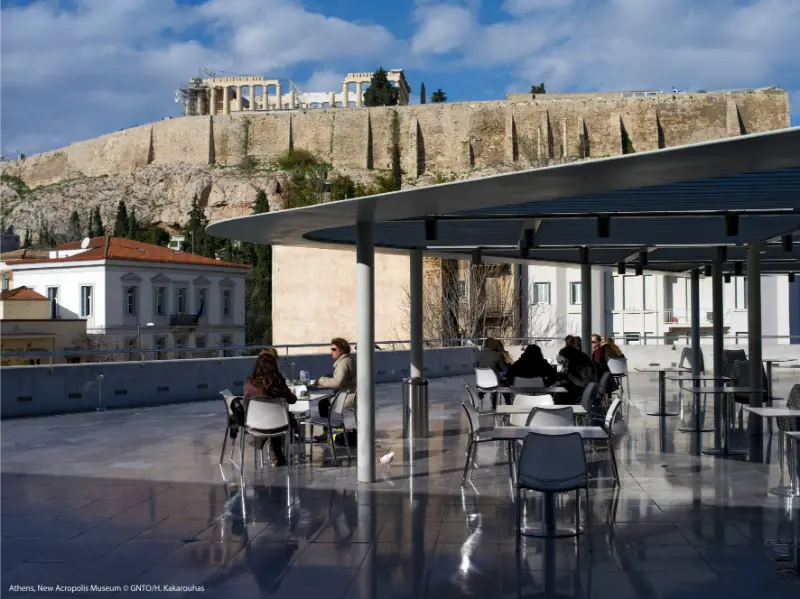
Start early at the Acropolis, continue through the Acropolis Museum, then slow the pace in Koukaki or Plaka. Late afternoon is perfect for Philopappos Hill if energy remains. This day is deliberately compact so you can walk most of it.
Day 2: Agora, markets and old commercial Athens
Begin at the Ancient Agora, continue to Monastiraki and Psyrri, then explore Varvakios Market before lunch. In late afternoon choose Lycabettus or another viewpoint rather than adding more ruins.
Day 3: museums and modern civic Athens
Choose one major museum as the anchor: National Archaeological, Benaki, Cycladic, Byzantine or National Gallery. Pair it with Syntagma, the National Garden, Kolonaki or Pangrati. Avoid turning the day into a museum marathon.
Day 4: coast and contemporary Athens
In warm weather, head toward the Riviera and Lake Vouliagmeni, or combine the SNFCC with southern neighbourhoods. In cooler months, an Attica day trip such as Cape Sounion, Eleusis or Marathon can be more rewarding.
Evenings
Use evenings for neighbourhood character: Psyrri for energy, Koukaki for a balanced local feel, Kolonaki for a polished atmosphere or Exarchia for independent culture. Dinner location should reduce transport rather than create another cross-city journey.
A practical way to structure the visit
The smartest order depends on your arrival day. If Day 3 lands on a Tuesday, remember that several major museums close that day, so swap the museum day with the coast or ancient-sites day. During a heatwave, start outdoor archaeology at opening time, retreat indoors at midday and return outside late. The itinerary works because each day has one anchor rather than six priorities.
Do not judge the success of the visit by how many rooms, monuments or streets you cover. Choose a small number of details to remember and give yourself time to notice how the place connects to the rest of Athens. If a temporary exhibition, event or closure changes your plan, adapt rather than forcing the original schedule. The city has enough alternatives within a short distance that a changed plan rarely needs to become a lost day.
Getting there and what to combine nearby
Central Athens is highly walkable, but Metro Lines 2 and 3 save energy when moving between the museum district, Syntagma and outer neighbourhoods. Use taxis selectively for late evenings, luggage or the coast. Do not rent a car for the central four-day itinerary; parking and traffic add friction. A rental only starts to make sense if you leave Athens for a wider mainland road trip.
Useful nearby reading: Athens Travel Guide; Best Neighborhoods in Athens; Athens Riviera guide. These guides make it easier to build a route that stays in one part of Athens instead of wasting time zigzagging across the city.
How much time to allow
Book timed or high-demand attractions where required, but leave at least one flexible block every day. September and October can still be hot; winter rain changes the value of hill walks; strikes can affect transport. A strong itinerary is one that survives these changes without collapsing because every hour was pre-booked.
Add a buffer rather than scheduling the next reservation at the exact moment you expect to finish. Security lines, a room that interests you more than expected, a coffee stop or simply heat can all change the pace. My preferred approach is to keep at least thirty minutes of slack between a major cultural visit and the next fixed-time activity. That small margin makes Athens feel much less stressful.
Best time of day and seasonal strategy
In summer, outdoor walking is usually easiest early and late, while museums and indoor cultural spaces are valuable during the hottest hours. In spring and autumn, the city is more forgiving and you can walk longer between stops. Winter brings shorter days and occasional rain but can make museums, markets and neighbourhood cafés especially enjoyable. Always check the current official opening page near your visit because Athens attractions can use seasonal hours, holiday closures or temporary access rules.
For the latest practical details, use the official visitor information. Prices, entrance arrangements and temporary closures can change after an article is published, so the official source should win if it conflicts with an older travel guide.
Accessibility, families and comfort
Athens is improving accessibility, but the experience varies sharply between a modern museum and an ancient hill. If step-free access is essential, check the venue’s current accessibility page rather than assuming a route is barrier-free. Families should plan shorter focused visits, regular water and snack breaks, and one outdoor space where children can move. Older travellers may prefer taxis for short transfers that look walkable on a map but involve heat, traffic or steep pavements.
Comfort also includes mental pace. A child who remembers one object, a couple who spend twenty quiet minutes over coffee, or a solo traveller who pauses to sketch a view may get more from Athens than someone who races through twenty landmarks. Build the itinerary around how you actually travel, not around the maximum number of pins that can fit into a day.
Photography and respectful visiting
Photography rules vary. Museums may restrict flash, tripods or photography in temporary exhibitions; religious or commemorative spaces deserve additional sensitivity; markets and neighbourhoods are workplaces and homes rather than sets. Photograph architecture and public space freely where permitted, but ask before taking close portraits of vendors or residents. In crowded places, step aside before stopping for a photo so you do not block doors, paths or working areas.
Common mistakes to avoid
- Adding the stop only because it is famous, without deciding what you want to learn or experience.
- Planning several major museums or archaeological sites back-to-back with no outdoor break.
- Relying on old opening hours instead of checking the official page close to the visit.
- Underestimating heat, hills and walking time between places that look close on a map.
- Trying to photograph everything instead of slowing down for a few memorable details.
- Ignoring the neighbourhood around the attraction and travelling immediately to the other side of the city.
Most of these mistakes are easy to fix: reduce the number of fixed stops, group attractions geographically and let one or two places be the centre of the day. Athens is compact enough that you do not need to optimise every minute, but large enough that poor sequencing can still waste energy. The best itineraries feel deliberate without feeling rigid.
How to adapt the itinerary to your travel style
History-focused travellers can replace the Riviera with Kerameikos, the National Archaeological Museum and an extra ancient site. Food-focused visitors can extend the market morning into a cooking class or neighbourhood meal and reduce museum time. Families can use the National Garden, SNFCC and coast as pressure-release valves between monuments. Repeat visitors can skip the Acropolis entirely and use the four days for Pangrati, Exarchia, museums, the Riviera and Attica. The structure should serve your interests, not the other way around.
Frequently asked questions
Is four days too long for Athens?
No. Four days lets you see the ancient core without rushing and still experience museums, food markets, neighbourhoods and the coast or Attica.
Should I buy a city pass?
Only after comparing the exact attractions you will visit. Ticket products change, and not every pass covers the same sites or transport.
Where should I stay for this itinerary?
Koukaki, Syntagma, Plaka and Monastiraki are all convenient. Choose based on evening atmosphere and noise tolerance rather than a few minutes of walking difference.
Do I need a car?
Not for the city portion. Public transport and walking are easier. Consider a car only for specific Attica or mainland day trips.
What should I cut if I only have three days?
Remove either the coast/Attica day or one museum block. Keep the Acropolis, one major museum and at least one neighbourhood evening.
Final thoughts
Athens 4-Day Itinerary is most rewarding when it is treated as part of the wider Athens story rather than an isolated attraction. Give the visit enough time to understand its character, connect it with one nearby neighbourhood or outdoor stop, and leave room for the city to interrupt your schedule with a café, a view or a street you did not plan to explore.
That balance is what I would keep throughout an Athens trip: one serious cultural experience, one walkable neighbourhood and enough unplanned time to notice how ancient, Byzantine, modern and contemporary Athens overlap. It produces a much stronger memory of the city than a checklist of ticket gates.