

Ikaria is famous internationally for longevity, but that headline can distract from what the island actually feels like: mountainous, green in places, deeply local and slower than most visitors expect. Roads twist between villages, beaches sit below steep slopes, and social life often follows its own timetable.
I would not choose Ikaria for a rushed three-day island hop. A week makes far more sense because the geography rewards patience, and because some of the best experiences are not “sights” at all: a long lunch, an evening village festival or a swim after a mountain drive.
Why visit Ikaria?
Ikaria appeals to travellers who value atmosphere over polish. The island has beautiful beaches, hot springs and hiking, but its personality comes from village life and the feeling that tourism has not reorganised everything around visitors.
It is also one of the best Greek islands for travellers willing to drive slowly and accept imperfect logistics. That lack of efficiency is part of the experience rather than a problem to solve.
Where to stay
Because Ikaria is long and mountainous, one base can mean a lot of driving. Splitting the trip between north-west and south/east is often worth it.
Armenistis
A popular west-coast base near beaches and the village of Raches. Good for a relaxed summer stay and sunsets.
Evdilos
A practical northern port town with access to central villages and beaches.
Agios Kirykos
The main town in the south-east, useful for transport, services and access to Therma.
Therma
A small spa-oriented base known for thermal springs, suitable for travellers who prioritise wellness and a quieter pace.
Best things to do
Swim around Armenistis and Nas
The north-west combines attractive beaches with dramatic coastal scenery. Respect currents and local warnings, especially on exposed days.

Explore Raches villages
Mountain villages around Raches are central to the island’s social identity. Visit slowly and stay into the evening rather than treating them as a drive-through photo stop.
Experience a panigyri
Traditional village festivals can be memorable, combining food, music and dancing. Dates vary, and visitors should participate respectfully rather than treating them as staged entertainment.
Visit Therma
Thermal springs are part of Ikaria’s long spa tradition. Check current access rules and health guidance before using very hot water.
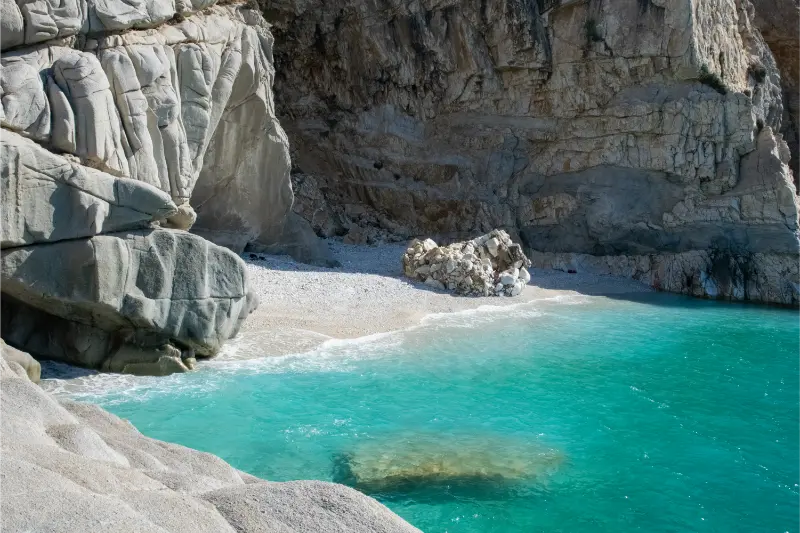
See Seychelles Beach carefully
This striking cove is famous for clear water and rock formations, but access can involve a rough descent and conditions may not suit everyone.
Hike the interior
Trails, ravines and forested areas reveal a greener Ikaria. Use local route information and avoid starting demanding walks in midday heat.
Beaches and nature
Ikaria’s beaches can be wild, and sea conditions deserve respect. Exposed north-coast beaches can develop waves and currents quickly. A beautiful-looking beach is not automatically a safe swimming day.
The interior gives the island depth: forests, streams, rock formations and terraces make driving and hiking as important as beach hopping.
Food and local character
Ikaria is associated with simple seasonal cooking: vegetables, legumes, goat, local wine, herbs and dishes built around what grows nearby. Meals are often less about presentation and more about time at the table.
If you attend a festival, go with patience. Food may be served communally, music can continue very late and the experience makes more sense when you follow the local rhythm rather than demanding a tourist timetable.
How to get there
Ikaria has an airport and two important ferry ports, Agios Kirykos and Evdilos. This flexibility is useful but also means you must check exactly where your ferry arrives or departs.
Flights and ferries are seasonal and weather-sensitive. If you are connecting to an international flight, build a buffer rather than leaving Ikaria on the same day as a critical long-haul departure.
Getting around
A rental car is the most useful option for a first visit. Distances on the map are misleading because mountain roads are winding and night driving can be tiring.
Public transport exists but is not designed for dense tourist sightseeing. If you do not drive, choose a base carefully and plan around taxis, buses and a smaller number of destinations.
How many days do you need?
Seven days is ideal. Four or five can work if you focus on one side of the island, but trying to see everything in a short stay creates too much driving.
A realistic 7-day Ikaria itinerary
Day 1 – Agios Kirykos and Therma
Settle in the south-east, walk the main town and visit Therma if it suits your interests.
Day 2 – Southern coast
Explore selected beaches and viewpoints without trying to circle the entire island.
Day 3 – Move north
Drive toward Evdilos or Armenistis, stopping in one inland village on the way.
Day 4 – Armenistis and beaches
Make this a slow beach day, adapting to sea conditions.

Day 5 – Raches and mountain villages
Explore the north-west interior, staying for dinner or a festival if timing aligns.
Day 6 – Hiking or boat day
Choose one active experience rather than combining several distant places.
Day 7 – Flexible final day
Repeat a favourite beach or village and keep departure logistics simple.
Best time to visit
June and September are excellent for swimming and exploration. July and August have the most active festival calendar but also the highest heat and demand.
Spring is beautiful for greenery and walking, while autumn remains attractive if transport and accommodation schedules fit your route.
Is it a good choice for families?
Ikaria can be rewarding for families who enjoy road trips and nature, but it is less effortless than a compact resort island. Long mountain drives and steep beach access require planning.
Choose a stable base near an easy beach for younger children and avoid turning every day into a cross-island excursion.
Budget and booking tips
Accommodation prices change sharply with season, location and room type. I prefer to compare a few bases before booking rather than choosing the first hotel that looks inexpensive. A cheaper room far from the places you actually want to see can cost more once transport, parking and lost time are included.
For ferries, flights, rental cars, boat trips and guided activities, treat schedules and prices as dynamic. Check the operator again shortly before travel, especially outside July and August. Weather can affect sea transport, while seasonal businesses may open later in spring or close earlier in autumn.
Mistakes to avoid
The biggest mistake is underestimating driving time. Plan one geographic zone per day and let the island stay slow.
Another mistake is romanticising every famous beach. Check sea conditions, access difficulty and shade before going, especially with children.
Who Ikaria suits best
Ikaria works best for travellers who are comfortable giving a destination enough time to reveal its character. If your priority is to collect as many islands or regions as possible in a single week, this may feel slower than expected. If instead you enjoy mixing beaches or landscapes with local food, village walks, cultural stops and unplanned pauses, the trip becomes much more rewarding. Couples can build quiet evenings around scenic towns, solo travellers gain flexibility to follow weather and transport conditions, and repeat visitors to Greece will appreciate seeing a side of the country that is less dominated by the most internationally famous stops.
It is also a strong choice for independent travellers who like making decisions day by day. A rental vehicle can open up more options, but it should not turn the holiday into a driving challenge. Pick one main objective for each day, then add nearby stops only if time and energy allow. That approach keeps the itinerary useful for different ages and budgets and reduces the temptation to race from viewpoint to viewpoint.
Planning the pace of your trip
My preferred way to plan this kind of Greece trip is to separate transfer days from sightseeing days. Arrival and departure always take longer than the timetable suggests once luggage, check-in, parking, meals and possible delays are included. Treating those hours as real travel time makes the itinerary far more realistic. On full days, start early for exposed archaeological sites, long drives or hikes, then reserve the hottest part of the afternoon for lunch, swimming or rest.
Keep at least one half-day flexible. Wind, heat, ferry changes or a beach you unexpectedly love can easily change priorities. A flexible block prevents one cancelled boat trip or poor-weather morning from becoming a problem. It also leaves space for the experiences that are difficult to schedule in advance: a village festival, a recommendation from a hotel owner, a quiet cove discovered on the road or simply the decision to stay longer over lunch.
How to combine Ikaria with the rest of Greece
Ikaria works well in a North Aegean trip with Samos when transport aligns. It can also stand alone as the only island after a few days in Athens.
If you want a different slow-island experience in the Cyclades, compare it with Amorgos, though the landscapes and transport patterns are very different.
Frequently asked questions
Why is Ikaria famous?
It is known for longevity research, village festivals, hot springs, beaches and a distinctive slow social rhythm.
Do I need a car?
For a broad first-time itinerary, a car is strongly recommended.
How long should I stay?
A week is ideal because of the island’s size and winding roads.
Is Ikaria good for nightlife?
It has lively local festivals and social evenings, but not a conventional club-resort nightlife scene.
Are the beaches safe?
Many are wonderful, but exposed beaches can have strong waves and currents. Follow local advice and conditions.
Practical final advice
Build your days around geography rather than a checklist. Group nearby beaches, villages and sights together, leave room for a long lunch or an unexpected swim, and avoid crossing the same area repeatedly. This matters even more on islands and mountain roads, where short distances can take longer than they appear on a map.
Carry water, sun protection and shoes suitable for uneven ground. Download an offline map before remote drives or hikes, and do not rely on mobile coverage in every cove or mountain village. If a route uses an unpaved road, confirm the conditions locally and check whether your rental agreement permits it.
Most importantly, allow the destination to feel different from the headline islands. The value of this trip is not in reproducing Santorini or Mykonos somewhere else, but in experiencing its own landscapes, food, architecture and daily rhythm. A slower itinerary usually produces a better trip than adding another island simply because it fits on the map.
Useful official information
For destination updates and inspiration, consult the Greek National Tourism Organisation: Visit Greece – Ikaria. Always recheck transport timetables and seasonal opening details close to your travel dates.