
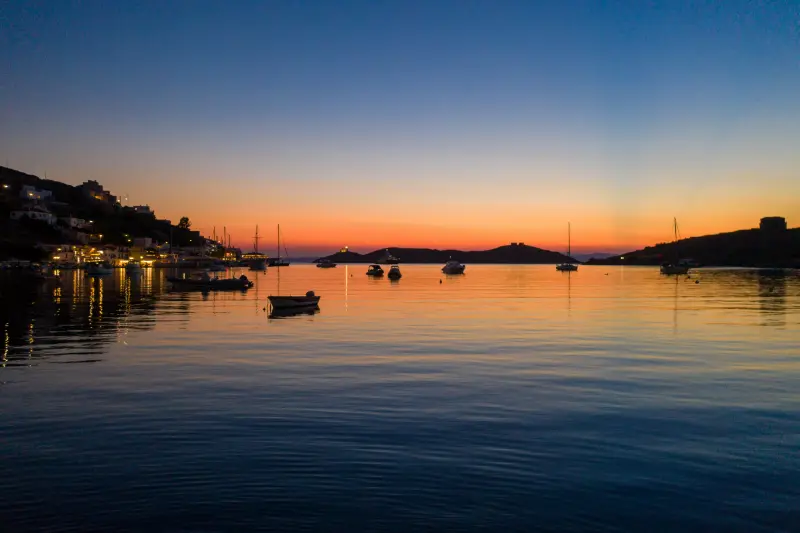
You can visit Kea without a car, but the trip works best when you design it around the transport network instead of trying to copy a road-trip itinerary. Korissia, Ioulida, Vourkari, Gialiskari and some seasonal beach routes are manageable with buses, taxis and walking. Remote coves, Karthaia trailheads and scattered countryside stays are much harder without your own vehicle.
The key is to choose the right base. A cheap villa on a hillside can become expensive if every meal and beach requires a taxi. For a car-free trip, location is worth paying for because it replaces transport costs and gives you flexibility when bus times change.
Best bases without a car
Korissia is the easiest base for ferry arrivals, flat access and onward buses. Ioulida is the best base for atmosphere, restaurants and walking, provided you can manage hills and steps. Vourkari works for waterfront evenings but may require more careful timing for buses or taxis depending on the season.
I would avoid remote villa areas unless the property offers reliable transfers. The view may be beautiful, but a car-free holiday should not depend on asking the host for every movement.
How the bus network helps
The Municipality of Kea maintains local transport information and summer schedules typically increase service between the port, Ioulida and visitor areas. In summer 2026, the Ioulida–Korissia axis had multiple daily departures, and seasonal services also linked places such as Vourkari, Otzias, Pisses and Koundouros.
Treat exact times as temporary. Save or photograph the current timetable after you arrive, and check whether the final evening return works before staying for dinner. A bus that gets you to a beach is only useful if there is a realistic bus back.
Taxis: useful but not unlimited
Taxis fill the gaps between bus routes, especially for early ferries, dinner transfers and trailheads. Kea does not have the enormous taxi supply of a city, so pre-book important journeys during busy weekends.
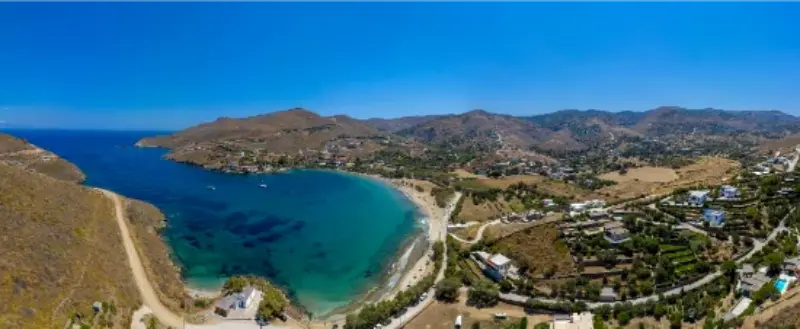
Ask the approximate fare before a long rural trip and agree on pickup arrangements for remote places. Do not assume you can request a car instantly from an isolated beach with weak reception.
Walking from Ioulida
Ioulida is unusually rewarding without a car because the Lion of Kea and sections of the historic path network begin from the capital. You can build a meaningful walking day without any road transport beyond the bus from the port.

For longer point-to-point hikes, transport planning returns. If you end at Otzias or another coast, confirm the bus or taxi solution first. The island’s old paths are excellent, but they were not designed around modern return timetables.
Beaches that are realistic car-free
Gialiskari is the obvious easy beach because it lies between Korissia and Vourkari. Otzias can work when seasonal buses align. Pisses and Koundouros may also be reachable on summer services, but frequency matters more than distance.
Spathi, Xyla and remote coves are not where I would build a first car-free trip. You can potentially use taxis or boats, but costs and return logistics reduce spontaneity. Choose the accessible beaches and enjoy them rather than treating the car-free trip as a challenge to reach every pin on the map.
Can you visit Karthaia without a car?
Yes, but it requires planning. The site itself is reached on foot or by sea, yet the relevant trailheads may still require a taxi or organised transfer. A guided hike can solve both navigation and transport. Boat access may be another option when weather allows.
This is exactly the kind of excursion to organise in advance. Do not take a morning bus toward the south and assume the final connection to a remote trailhead will somehow appear.
When a one-day rental makes sense
A car-free holiday does not have to mean refusing a vehicle every day. Renting for one carefully planned day can unlock Pisses, Koundouros, remote beaches and rural stops, while you use buses and walking for the rest of the trip.
This hybrid approach is often cheaper and more relaxed than keeping a rental parked during days spent in Ioulida or Vourkari. Confirm licence and insurance requirements before arrival, especially if you plan to use any unpaved roads.
Three-day car-free itinerary
| Day | Plan |
|---|---|
| 1 | Arrive Korissia, settle in, Gialiskari swim, Vourkari evening |
| 2 | Bus to Ioulida, Lion of Kea, museum/lanes, dinner in Chora |
| 3 | Seasonal bus or taxi to Otzias/Pisses, or guided Karthaia excursion |
With four or five days, add a dedicated walking day and one pre-arranged taxi or rental-car day. This creates variety without spending the whole trip studying transport schedules.
Car-free mistakes to avoid
- Booking a remote villa because the nightly rate is lower.
- Assuming summer bus frequency continues into May, October or winter.
- Staying for a late dinner without checking the final return.
- Walking a remote trail without solving the end-point transport.
- Planning a tight ferry-to-airport connection on separate tickets.
- Carrying heavy luggage deep into Ioulida without asking about drop-off access.
Where to stay and how to book
For the simplest car-free trip, choose Korissia if ferry convenience matters most or Ioulida if evening atmosphere and walking matter most. Vourkari can work well in summer for travellers focused on restaurants and the harbour. Check the exact property location rather than the village name alone.
For live availability and current rates, compare places to stay in Kea on Booking.com. I recommend checking the exact pin on the map before paying: on Kea, two properties described with the same village name can be separated by steep roads, long walks or a stretch that is much easier with a car.
Official resources to check before your trip
Check the Municipality of Kea for current bus and ferry information close to travel. The municipality specifically maintains sections for Kea bus schedules and Lavrio–Kea ferry schedules, but seasonal changes are normal.
Opening hours, ferry times, bus routes and beach services can change by season. Recheck them close to your travel date rather than treating an old timetable or a social-media post as permanent.
Tours and activities
Kea has a smaller organised-tour market than Santorini or Mykonos, so availability is often seasonal. The widget below is useful for checking whether guided hikes, sailing, diving or other bookable experiences are operating on your dates. Verify meeting points and cancellation terms before paying.
Continue planning your Kea trip
- Kea Travel Guide: Ioulida, Beaches, Hiking and a 5-Day Tzia Itinerary
- Where to Stay in Kea: Ioulida, Korissia, Vourkari, Otzias, Pisses or Koundouros?
- How to Get to Kea from Athens: Lavrio Ferries, 2026 Schedules and Island Hopping
- Ioulida Kea Guide: Lion of Kea, Castle, Alleys, Museums and Where to Stay
- Korissia and Vourkari Kea Guide: Port, Marina, Gialiskari, Food and Where to Stay
- Ancient Karthaia Kea Guide: Hiking Trails, Temples, Beaches and How to Visit
- Best Beaches in Kea: Koundouros, Otzias, Pisses, Spathi, Xyla and Hidden Coves
How I would fit this into a first Kea itinerary
For a first stay of four or five nights, I would not make Kea without a car the only purpose of the trip. Kea works best when one day is built around Ioulida and the historic interior, one around the coast, one around a substantial walk or archaeological experience, and at least one remains flexible for wind and weather. That structure lets you use this guide in context rather than forcing every attraction into consecutive hours. If you are arriving from Athens on a Friday and leaving Sunday, cut the plan further: choose one village experience, one beach area and one signature activity. The island is close enough to return to, so there is little value in turning a short break into a race.
Kea also changes character between weekdays and summer weekends. Its proximity to Attica means Friday-evening and Sunday-return traffic can feel much busier than a midweek stay. If accommodation prices, restaurant reservations or ferry availability look tight, consider shifting the same itinerary by a day or travelling in June or September. Shoulder-season travel is particularly attractive for walking because the sun is less punishing and you can spend more of the day outdoors instead of organizing everything around midday heat.
Keep one practical rule throughout the trip: verify the next day’s transport and opening information the evening before. Ferry operators, local buses, museums, restaurants and boat activities can all change seasonally. Ten minutes of checking is more useful than relying on a screenshot saved months earlier. It also gives you permission to change plans when the wind or temperature makes another part of the island more appealing.
Small practical details that make the trip easier
Another detail worth planning is the difference between map distance and real travel time. Kea’s roads are not long, but bends, village traffic, beach approaches and parking can slow a day considerably. Avoid stacking reservations back to back. Leaving thirty or forty minutes of slack between a beach, a museum, dinner or a ferry transfer makes the trip feel calmer and gives you room to stop when a viewpoint or village turns out to be more interesting than expected.
Carry a small day kit even on short outings: drinking water, sun protection, a light layer for wind, shoes that can handle uneven ground and an offline map. Card payment is common in visitor areas, but having some cash is sensible for small purchases or situations where a terminal or signal is unavailable. None of this requires overpacking; it simply makes remote beaches, trailheads and small villages easier to enjoy without needing to return to the hotel.