

Lesvos can be visited without a car, but it cannot be explored without compromises. The island is large, attractions are spread across several regions and public transport is built around real local corridors rather than a tourist hop-on network. The key is to choose bases that work on foot and make only a few deliberate bus moves.
The official KTEL Lesvos site was updated on 18 September 2026 and lists routes from Mytilene toward Agiasos, Kalloni, Molyvos/Petra, Plomari, Eressos/Skala Eressos, Sigri, Vatera and other destinations. That is enough for a good trip if you stop trying to see everything.
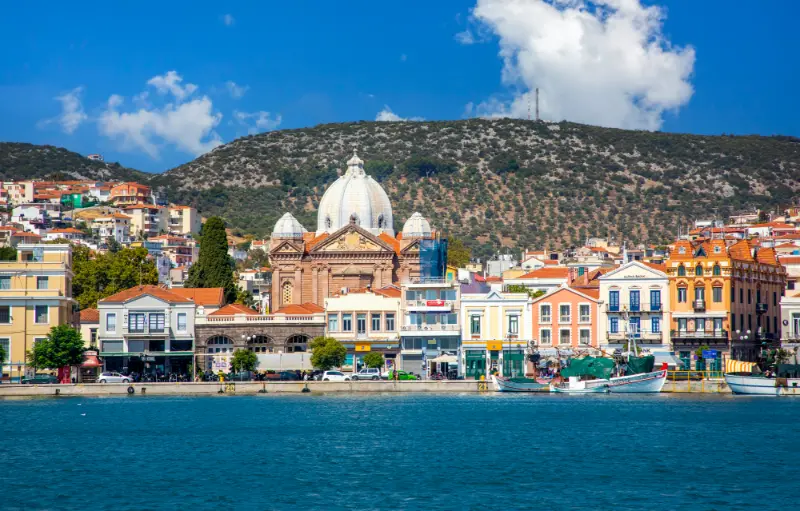
Quick planning summary
| Base | Why it works without a car |
|---|---|
| Mytilene | Best transport hub, airport/ferry access, museums and food |
| Petra | Beach plus KTEL corridor to Mytilene and Molyvos |
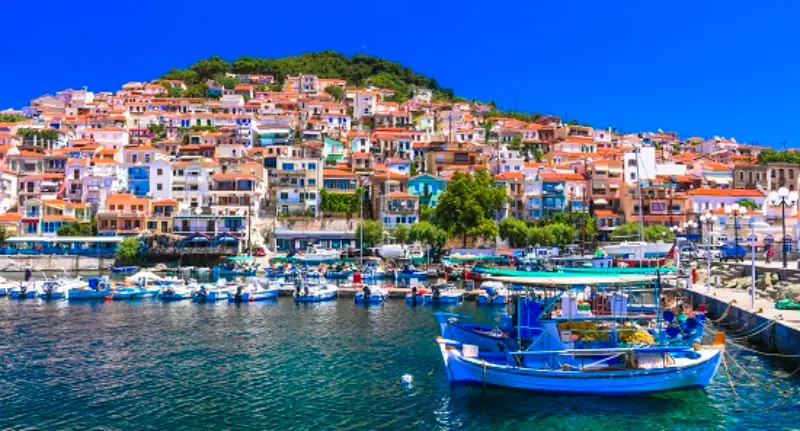
| Plomari | Town, food and Agios Isidoros beach |
| Skala Eressos | Walkable beach holiday after one longer bus transfer |
Mytilene is the easiest car-free base
If you do not drive, spend at least the first one or two nights in Mytilene. You can walk the centre, castle and waterfront, reach museums with minimal transport, and connect to the island’s intercity bus network without paying for long taxi transfers every day.
This is also the safest final-night base before a flight or ferry. See the Mytilene guide for a walkable city plan.
How KTEL Lesvos works in practice
KTEL publishes a route finder and schedule rather than one simple all-island frequency. Service patterns vary by destination, weekday and season. Check your exact outbound and return options before leaving your hotel, especially if the last bus back is early.
Download or screenshot the current timetable on Wi-Fi, but recheck announcements if your travel date is later in the season. Do not assume a route that ran daily in August will keep the same frequency in October.
Molyvos and Petra without a car
The Mytilene–Petra–Molyvos corridor is one of the most useful tourist routes. Petra is especially easy because beach, food and accommodation are concentrated, while Molyvos adds the castle and harbour but has steeper walking.
For a multi-night north stay, move once by bus and then explore locally on foot or by short taxi. This is better than trying to day-trip from Mytilene every morning.
Plomari without a car
KTEL lists a Mytilene–Plomari route, and Plomari itself has enough restaurants, shops and cultural interest for a stay. Agios Isidoros adds a nearby beach option, making this one of the better south-coast choices for non-drivers.
The compromise is losing flexibility for Melinda, Panagia Kryfti and mountain villages. Decide whether those places justify renting a car for one day or booking a taxi rather than making the whole trip car-dependent.
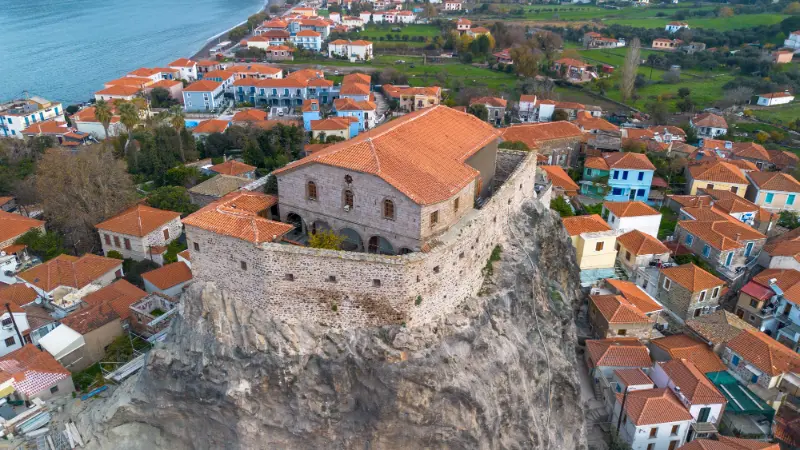
Skala Eressos without a car
Skala Eressos works very well once you arrive: the beach, cafés and restaurants are walkable. The challenge is the long transfer from Mytilene and limited freedom for western excursions.
If your goal is three quiet beach nights, that trade-off is fine. If you want the Petrified Forest and Sigri too, investigate organised excursions or one-day car hire from a practical pickup point.
Kalloni and birdwatching without a car
You can reach Kalloni by bus, but dedicated birdwatching is difficult without a vehicle because hides and wetland roads are spread out. Staying in Skala Kallonis and arranging a local guide or taxi is the more realistic solution.
Use the Kalloni and Birdwatching guide before deciding whether the wetlands are a casual stop or a major purpose of the trip.
Taxis: when they are worth the cost
Taxis are most useful for airport or ferry connections, a missing last bus, and short links from a transport hub to a nearby beach. They become expensive when used for repeated cross-island sightseeing.
Ask for an estimated fare before a long ride and arrange pickups in advance in remote areas. Do not assume a taxi will be waiting at a distant beach in the evening.
A realistic seven-day car-free itinerary
Days 1–2: Mytilene. Days 3–4: Petra or Molyvos. Days 5–7: choose either Plomari for food and south-coast swimming or Skala Eressos for a slower western beach stay. This gives you three distinct regions with only two major moves.
Trying to add Sigri, Vatera, Agiasos, Kalloni and several remote beaches on top of that turns a car-free holiday into a timetable exercise. Choose depth over coverage.
When renting a car for one day makes sense
You do not have to choose between “no car” and “car for the whole holiday.” One rental day can unlock Agiasos, remote beaches or the western geological sites while the rest of the trip remains bus-based.
Compare the rental cost with two or three long taxi trips. If you are not comfortable driving mountain or village roads, an organised excursion can be better value than a car you do not enjoy using.
Car-free mistakes to avoid
Do not book isolated accommodation because it looks cheap on a map. Do not assume restaurants stay open late outside peak season. Do not plan a same-day bus transfer with a non-refundable ferry connection unless the timetable has a generous buffer.
Most importantly, do not copy a road-trip itinerary and simply replace “drive” with “bus.” A successful car-free Lesvos itinerary needs fewer bases and fewer remote targets.
How much time should you allow?
Lesvos is much larger than many visitors expect. Even when two places look close on a simple island map, road quality, village traffic, viewpoints and meal stops can turn a short transfer into half a day. Plan by region and resist the urge to cross the island repeatedly.
Keep at least one flexible half-day in a week-long trip. Wind, heat, museum hours and local events can change the best plan, and having space to move a beach or village visit is more useful than a schedule packed to the minute.
Best time to visit Lesvos
May, June and September are excellent for travellers who want sightseeing, food, walking and some swimming without the strongest peak-season heat. July and August have the widest choice of seasonal services but also more demand and hotter afternoons. Spring is outstanding for wildflowers and bird migration; autumn brings a slower rhythm and important bird movement again.
Outside summer, check ferry, bus and attraction schedules for the exact date. Lesvos has substantial year-round life, especially around Mytilene, but beach businesses and visitor attractions can reduce hours.
Driving and road-trip rhythm
A car is the easiest way to experience a broad range of Lesvos, but driving should not become the main activity. Base yourself regionally, refuel before remote west-coast days and avoid committing to long unfamiliar roads after a late dinner.
If you are travelling without a car, the trip is still possible but should use fewer bases. The Lesvos Without a Car guide explains the current KTEL corridors and realistic compromises.
Responsible travel and practical safety
In summer, carry water, sun protection and closed shoes for archaeological or hiking sites. Respect fire-risk restrictions, never block agricultural roads and keep beaches free of litter. On remote coasts, tell someone where you are going if mobile coverage is uncertain.
For cultural and religious sites, dress respectfully and follow photography rules. For wetlands and birdwatching, stay on public roads and hides rather than approaching wildlife. Good travel on Lesvos is mostly about small decisions that protect the places you came to enjoy.
More Lesvos guides
Mytilene Lesvos Guide: Castle, Museums, Waterfront, Food and Where to Stay; Plomari Lesvos Guide: Ouzo, Agios Isidoros, Museums, Villages and Where to Stay; Skala Eressos Lesvos Guide: Sappho, Beach, Village Life and Where to Stay; Petra and Anaxos Lesvos Guide: Beaches, Panagia, Molyvos Trips and Where to Stay; Agiasos Lesvos Guide: Panagia, Pottery, Chestnut Forests, Food and Village Walks; Kalloni and Birdwatching Lesvos Guide: Salt Pans, Flamingos, Sardines and Wetlands; Lesvos Food and Ouzo Guide: Kalloni Sardines, Ladotyri, Olive Oil and What to Eat; Best Beaches in Lesvos: 15 Beaches for Families, Clear Water, Wild Scenery and Quiet Days; Where to Stay in Lesvos: Mytilene, Molyvos, Petra, Plomari or Skala Eressos?; Lesvos Travel Guide; Molyvos Lesvos Guide; Petrified Forest of Lesvos Guide.
Frequently asked questions
Can I see Lesvos without renting a car?
Yes, if you choose walkable bases and accept that remote beaches and villages will be harder to reach.
What is the best base without a car?
Mytilene is the best transport hub; Petra and Plomari are strong secondary bases.
Are buses frequent?
Frequency varies significantly by route and season. Use the official KTEL route finder for your exact date.
Can I reach Molyvos by bus?
Yes, the official network lists Mytilene–Petra–Molyvos services.
Should I rent a car for one day?
Often yes. A single rental day can cover remote areas while keeping the rest of the trip simple.
Check official information before you go
For current information use the relevant official source and the official Visit Lesvos portal. For bus schedules use KTEL Lesvos. Opening hours, transport frequencies and seasonal services can change, so verify the detail that matters shortly before travel.
Final planning advice
Lesvos rewards slow regional travel. Build each day around one main area, add a beach or meal nearby and leave enough room for an unplanned village stop. The island becomes much more enjoyable when you stop treating distance as dead time and start choosing bases that reduce unnecessary driving.
For a first trip, focus on two or three regions rather than trying to collect every famous name. You can always return for the parts you missed, and Lesvos has enough depth in food, villages, nature and history to justify another visit.
Leave a Reply