
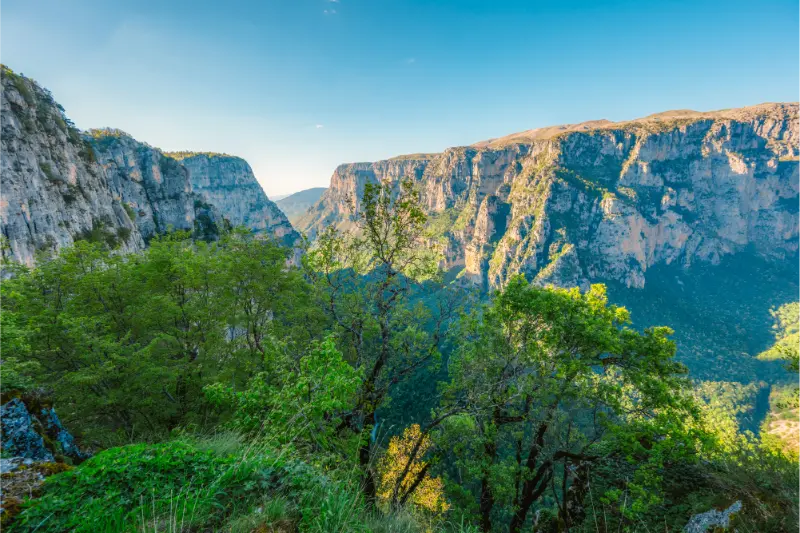
Zagori Road Trip is a useful way to experience a five-day mountain itinerary built around geographic clusters, so the UNESCO-listed villages, stone bridges, river and Vikos landscape can be experienced without spending the holiday constantly crossing the same roads. This guide is designed for travellers who want more than a list of sights: it explains how to sequence the day, where driving or walking time is often underestimated, and which details matter when you are actually on the ground in Epirus.
For wider context, start with the Zagori Travel Guide and the Ioannina Travel Guide. If hiking is central to your trip, also use the Hiking in Greece guide. Those pages cover the broader region; this article stays focused on the practical choices that make this specific stop work smoothly.
Quick planning facts
- Zagori Cultural Landscape has been on the UNESCO World Heritage List since 2023.
- The cultural landscape is defined by traditional villages, stone architecture, old paths and arched bridges as well as its mountain setting.
- Mountain-road distances are deceptive: short kilometres can take much longer than expected.
- Vikos Gorge deserves either a dedicated hiking day or a separate viewpoint day, not a rushed add-on.
- Using two accommodation bases can reduce repeated driving across the region.
Why this place deserves its own stop
The main reason to include this stop is that it reveals a different layer of Epirus from the famous headline sights. A five-day mountain itinerary built around geographic clusters, so the unesco-listed villages, stone bridges, river and vikos landscape can be experienced without spending the holiday constantly crossing the same roads. The experience becomes much richer when you leave enough time for walking, food and the changing mountain light instead of treating the place as a roadside photograph.
Zagori and the wider Pindus reward slow travel. Roads twist around valleys, parking in old settlements is limited, and weather can change the order of the day. I therefore plan by geographic clusters: one village group, one outdoor objective and one relaxed meal. That structure leaves room for an unexpected viewpoint, a local recommendation or a trail that takes longer than the sign suggests.
Day 1: Ioannina to central Zagori
Leave Ioannina after breakfast and enter central Zagori slowly. Use Monodendri or a nearby village as the first base. Spend the afternoon on the village, Agia Paraskevi and one gorge viewpoint rather than chasing every stop. This first day is about adjusting to mountain roads and the slower rhythm of the region.

My approach here is to allow more time than the minimum. Even when the main sight takes less than an hour, the surrounding paths, views and village atmosphere are what make the stop memorable. If weather closes in, shorten the outdoor section rather than compensating by driving faster to the next place.
Day 2: Kipi bridges, Kapesovo and Vradeto
Focus on central Zagori’s stone infrastructure. Visit Kipi and two or three bridges, then continue toward Kapesovo. Active travellers can hike the Vradeto Steps; others can drive toward Vradeto and walk to Beloi in suitable conditions. Return before dark and leave room for a long village dinner.
My approach here is to allow more time than the minimum. Even when the main sight takes less than an hour, the surrounding paths, views and village atmosphere are what make the stop memorable. If weather closes in, shorten the outdoor section rather than compensating by driving faster to the next place.
Day 3: Aristi, Voidomatis and Papingo
Move west toward Aristi and the Voidomatis. Choose rafting or a riverside visit, then continue to Megalo and Mikro Papigo. Sleep on the western side for the next two nights. This prevents a long evening drive back to central Zagori and lets you experience Papingo after day visitors leave.
My approach here is to allow more time than the minimum. Even when the main sight takes less than an hour, the surrounding paths, views and village atmosphere are what make the stop memorable. If weather closes in, shorten the outdoor section rather than compensating by driving faster to the next place.
Day 4: Papingo or Vikos hiking day
Use the fourth day for the trip’s main outdoor objective. Strong hikers can plan a longer mountain route with current weather and trail information. Others can combine the Rogovou pools, Papingo walks and western Vikos viewpoints. Do not schedule a demanding hike and a long transfer on the same day.
My approach here is to allow more time than the minimum. Even when the main sight takes less than an hour, the surrounding paths, views and village atmosphere are what make the stop memorable. If weather closes in, shorten the outdoor section rather than compensating by driving faster to the next place.
Day 5: Konitsa or final viewpoints
On the last day, choose Konitsa and the Aoos bridge, or revisit the part of Zagori you had to skip because of weather. This buffer is valuable: mountain trips improve when the itinerary has one day that can absorb changes. Return to Ioannina without squeezing in another distant destination.
My approach here is to allow more time than the minimum. Even when the main sight takes less than an hour, the surrounding paths, views and village atmosphere are what make the stop memorable. If weather closes in, shorten the outdoor section rather than compensating by driving faster to the next place.
How I would plan the visit
The logic of this itinerary is geographic rather than a list of top sights. Spend two nights in central Zagori and two on the western side. That reduces backtracking and creates quieter evenings. If you only have four days, remove Konitsa or the dedicated hike; if you have six or seven, add a second hiking day or Tzoumerka rather than cramming more villages into each afternoon.
The key is to preserve a margin. In mountain Greece, a 30-minute delay can come from roadworks, livestock, a photo stop, a slow lunch or simply a narrow road behind another vehicle. Building slack into the itinerary means you can enjoy those moments rather than treating them as problems. I also avoid scheduling a long transfer immediately after the main hike or outdoor activity.
Where to stay
Two bases are enough. Monodendri or nearby central villages make sense for bridges, Vradeto and southern Vikos viewpoints; Aristi or Papingo work for the river, western Vikos and high-mountain scenery. Changing hotels every night wastes time on luggage and check-in, while staying in one base can create unnecessary driving. Two plus two nights is the best compromise.

For booking, I pay more attention to parking instructions, heating, breakfast timing and road access than to a long amenities list. Historic villages often have pedestrian lanes and accommodation entrances that are not obvious from a map. A message to the property before arrival can save a stressful search with luggage on steep stone streets.
Getting around and driving
A car gives the greatest flexibility in this part of Epirus, but driving style matters. Mountain roads can be narrow, with blind bends, occasional animals and limited shoulders. Keep fuel comfortably above empty, download an offline map, and avoid relying on optimistic map-app journey times. After dark, familiarity with the route matters more than the number of kilometres.
If you prefer not to drive, organised excursions, taxis and local transfers can cover some major sights, but they are not a complete substitute for a car when you want several small villages. For point-to-point hikes, pre-arranged transport is often more important than getting to the trailhead itself. Confirm the pickup plan before setting out.
Food and local rhythm
Build meals into the route rather than treating them as interruptions. Village tavernas and local products are part of Zagori’s cultural landscape. A substantial lunch after a hike and a relaxed dinner near your accommodation make more sense than long drives for a famous restaurant. Carry water and snacks because opening hours vary outside busy periods.
Opening patterns are seasonal. A village that feels busy on an autumn weekend can be extremely quiet on a weekday outside peak periods. I do not assume that a café, petrol station or taverna shown online will be open at a precise hour. Carrying water and a small snack gives you the freedom to keep the day relaxed.
Best time to visit
Late spring and early autumn are excellent for most road trips and walking because temperatures are usually more comfortable than midsummer. Summer offers long daylight, but exposed paths can still be hot. Autumn colours are particularly attractive around the Pindus. Winter creates a completely different atmosphere, with snow possible at altitude and a much greater need to check tyres, chains, forecasts and road conditions.
There is no single best month for every traveller. Hikers should prioritise stable conditions; photographers may prefer changing weather; families often value long daylight and simpler roads. Whatever the season, recent local information is more important than a fixed annual rule when mountains, rivers or snow are involved.
Travelling with children
Families should simplify the plan: keep the villages, river, bridge circuit and viewpoints, but replace long hikes with short walks. Changing accommodation only once helps children settle into the trip. Mountain roads can cause motion sickness, so allow stops and avoid planning the longest driving sections immediately after heavy meals.
A useful family rule in Zagori is one major objective per day. Children often enjoy the bridges, water, village squares and short paths more than a long checklist of viewpoints. Build in warm food, toilet stops and time to play. If a route has exposure, fast water or loose stone, adult supervision matters more than the route’s reputation for being easy.
Photography without turning the trip into a photo shoot
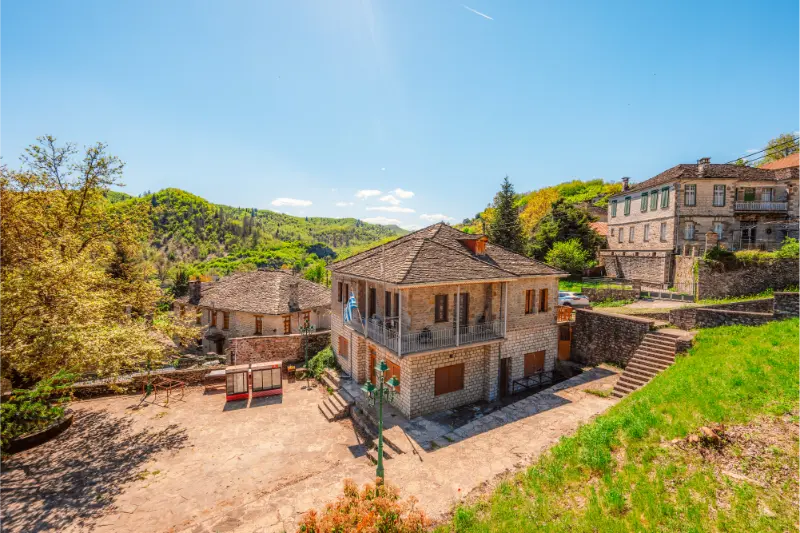
A five-day trip gives you the luxury of revisiting places in better light. Do not chase sunrise and sunset across the whole region. Photograph one village in the morning, bridges under soft cloud and Papingo in late-day mountain light. Bad weather can be visually excellent, but never let photography override trail or road safety.
The best images often come when you stop looking for a single iconic frame. Stone walls, slate roofs, old paths, water and cloud layers tell the story of the region. Use safe pull-offs, never block a road or doorway, and remember that monasteries, churches and homes may have photography restrictions or deserve privacy even when no sign is posted.
Responsible travel in the UNESCO landscape
This part of Epirus is not a theme park: villages are lived-in communities and many trails cross a protected mountain landscape. Park only where you do not block residents or emergency access, keep noise low in village lanes, carry your rubbish out, and stay on established paths when the ground is fragile. In summer, fire restrictions can change quickly; in winter, snow and ice can turn an easy-looking road or path into a serious problem. Local advice on the day is more valuable than an old blog post when conditions are changing.
UNESCO describes Zagori as a cultural landscape in which villages, stone bridges, paths, staircases, sacred forests and mountain terrain form one connected system. That is a useful way to travel here too: support local businesses, walk respectfully through settlements and avoid reducing the region to a collection of viewpoints. The character visitors come to see depends on villages remaining viable places to live.
Common mistakes to avoid
- Using one hotel for five nights and crossing Zagori repeatedly.
- Planning every day around a long list of villages.
- Attempting Vikos Gorge without transport and weather planning.
- Driving unfamiliar mountain roads late after dinner.
- Treating UNESCO Zagori only as scenery and ignoring its living villages and infrastructure.
Most mistakes come from trying to make the day more efficient than the landscape allows. The cure is simple: fewer stops, earlier starts for outdoor activities, a clear parking plan and a willingness to change the route when weather or fatigue says so. In Epirus, a slower day often produces more memorable travel than a longer checklist.
Official information and useful context
For current destination information, consult the UNESCO Zagori Cultural Landscape. For the wider heritage context, UNESCO’s Zagori Cultural Landscape page explains why the villages, stone infrastructure and surrounding landscape are protected as one cultural system. Recheck opening hours, trail conditions and activity schedules close to your travel date.
Frequently asked questions
Is five days enough for Zagori?
Yes. Five days gives you central villages, bridges, the Voidomatis, Papingo and either a major hike or Konitsa without excessive rushing.
Where should you stay?
Use two bases: central Zagori for Monodendri, Kipi and Vradeto, then Aristi or Papingo for the river and western side.
Do you need a car?
For an independent road trip, yes. Public transport is limited and the attractions are spread across mountain roads.
Should you hike Vikos Gorge?
Only if you have the fitness, equipment, weather and transport plan. The gorge is also impressive from viewpoints, so hiking is not mandatory.
Can you add Meteora?
Yes, but treat it as a separate travel day or next destination. Trying to combine Meteora with a full Zagori sightseeing day usually makes both experiences rushed.
Final thoughts
Zagori Road Trip works best when it is given enough time to feel like part of a mountain journey rather than another pin on a map. Keep the day realistic, connect it with nearby villages instead of distant attractions, and let food, weather and walking pace shape the itinerary. That approach is exactly what makes Epirus different from a fast island-hopping schedule.