
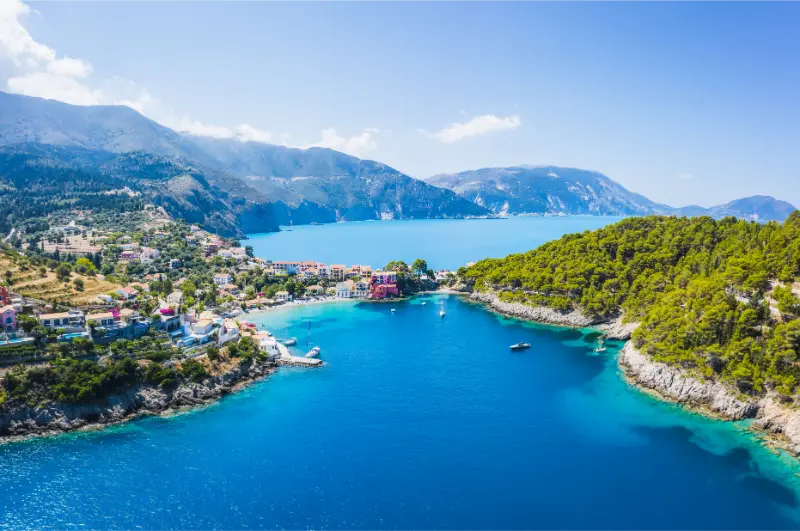
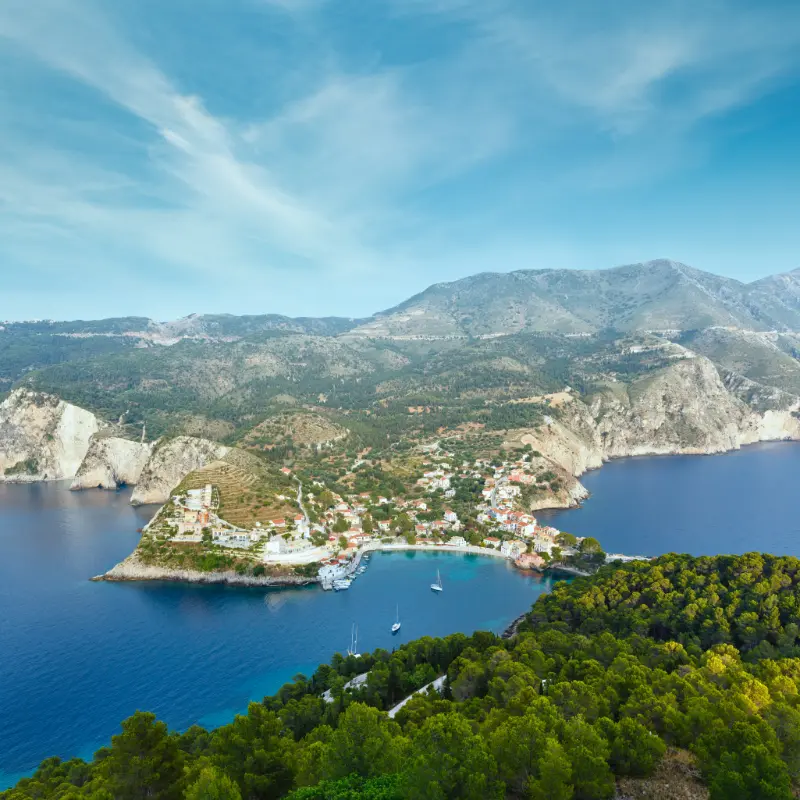
Assos is one of Kefalonia’s most photographed villages, a small settlement wrapped around a sheltered bay beneath a green peninsula crowned by a Venetian fortress. The village is genuinely beautiful, but its small scale means summer traffic and parking can shape the experience. The right plan is not to “do Assos” as quickly as possible. Arrive early, walk the waterfront, choose whether the castle climb suits the weather, swim if conditions invite it, then leave enough time for lunch before continuing north or south.
This guide is built for travellers who want more than a quick photo stop. Keep Kefalonia Travel Guide, Myrtos Beach Guide, Fiskardo Guide open while planning so this place fits naturally into the wider trip instead of forcing unnecessary backtracking.
Why this place deserves its own guide
The difference between an average visit and a very good one is usually logistical rather than dramatic: arriving at the right time of day, understanding the terrain, leaving space for weather changes and knowing what not to combine. Greece rewards flexible planning. A destination can be world-famous and still feel disappointing if the day is overpacked, while a simple walk or village lunch can become a highlight when the schedule leaves room for it.
What to see and do
The harbour and waterfront
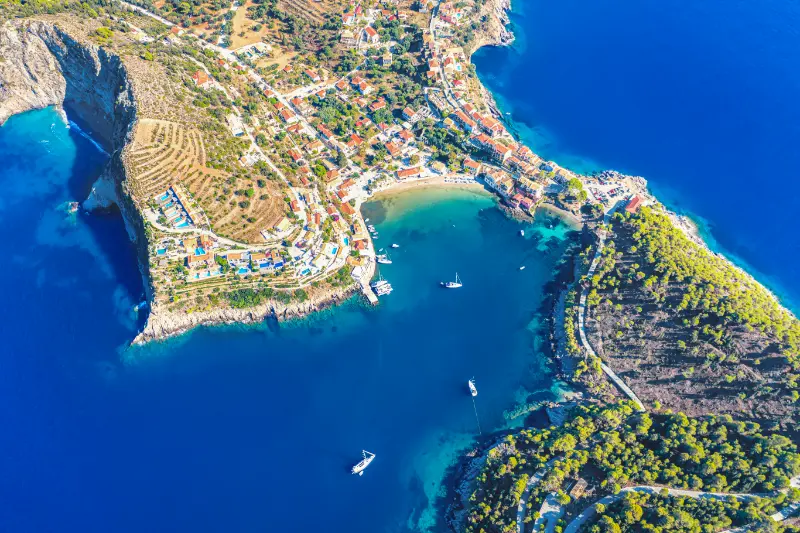
The first view of Assos from the approach road is part of the experience. Once parked, walk the small waterfront without rushing for a restaurant table. Colourful houses, fishing boats and the enclosed bay create a gentler atmosphere than Kefalonia’s dramatic open beaches. Morning is especially pleasant before road-trip traffic peaks.
The Venetian castle
The fortress occupies the peninsula above the village and was built by the Venetians as part of their defensive strategy for Kefalonia. The walk up is longer and more exposed than it looks from below. Wear shoes, carry water and avoid the hottest part of the day. The route rewards you with changing views over the bay even if you do not explore every corner of the extensive ruins.
Assos beach
The small village beach is convenient for a swim but should not be compared with Myrtos as a major beach destination. Its strength is atmosphere: you can swim, dry off and walk directly to lunch. Space is limited in peak season, so travellers wanting a long beach day may be happier elsewhere after visiting the village.
Parking strategy
Parking is one of the practical challenges. Arrive early and use designated spaces rather than forcing a car down increasingly narrow streets. In high season, be prepared to walk from farther away. Do not block access for residents or emergency vehicles. A beautiful village loses its charm quickly when visitors treat every verge as a parking place.
Combining Assos with Myrtos
Myrtos lies relatively close by road and is a natural combination, but the two places deserve different rhythms. Use Assos for walking, lunch and perhaps a swim, then visit the Myrtos viewpoint or beach separately. Trying to climb the castle and spend hours at Myrtos before lunch can become exhausting in summer heat.
Continuing to Fiskardo
Northbound travellers often combine Assos with Fiskardo. This can work well as a full north-Kefalonia day: early Assos, scenic driving, a beach or viewpoint, then Fiskardo in the late afternoon. The road is winding, so build in time and avoid planning a dinner reservation so tight that every slow vehicle becomes stressful.
Best time to visit
May, June and September are excellent for walking and road trips. July and August bring the most visitors and make early arrival especially important. The castle path is exposed, so sunrise-to-midmorning is much more comfortable than early afternoon. Outside summer, check restaurant and café opening because the village becomes much quieter.
Check conditions close to the day of your visit. Heat, wind, sea state, religious services, archaeological works or seasonal opening hours can matter more than the average weather for the month. When an official website publishes current access information, use that as the final reference instead of an old blog post or a saved social-media screenshot.
How to get there and move around
Assos is best reached by car. The road descends from the main north-western route through multiple bends, and the final approach can feel narrow when traffic is heavy. Drive defensively, expect buses or delivery vehicles and never assume a ten-kilometre island road will take ten minutes. Public transport is limited for this kind of multi-stop day.
Build realistic transfer time into the day. Greek islands and historic city centres often look compact on a map, but narrow roads, parking searches, pedestrian zones and seasonal traffic slow everything down. If public transport is central to the plan, verify the latest timetable shortly before travel and keep a backup option for the final connection of the day.
Where to stay
Assos can be a romantic overnight base for travellers who prioritise peace and views, but it is less practical for covering the whole island quickly. Fiskardo offers more evening choice, while Argostoli is stronger for transport and central access. A split stay can make sense on a longer Kefalonia trip.

For accommodation, zoom in on the exact property rather than relying on the neighbourhood label. Check stairs, parking, bus access, late-night noise and the walk back after dinner. A property that is geographically close can still be inconvenient if the route is steep or the last bus finishes earlier than expected.
Food and local experience
Lunch beside the bay is one of the pleasures of Assos. Menus often focus on Greek and Ionian dishes, seafood and grilled items. In peak season, arrive before the busiest lunch period or expect to wait. Do not choose a table solely for the closest water view; a slightly set-back taverna may offer better shade and a calmer meal.
Give meals enough time. Greek travel is rarely improved by treating lunch as a twenty-minute gap between attractions. A slower meal also creates a useful buffer when the morning has taken longer than expected. In heavily visited places, moving one or two streets away from the most obvious viewpoint often changes both atmosphere and value.
A realistic itinerary
Arrive before 9:30 if you plan to climb the castle. Walk the waterfront, complete the climb while temperatures are manageable, then return for a swim and early lunch. Afterward, drive to the Myrtos viewpoint and decide whether to descend to the beach. Continue to Fiskardo only if you want a full northern road-trip day rather than a relaxed Assos afternoon.
Use one priority and one secondary activity as the backbone of the day. If weather, traffic or a long lunch pushes the schedule back, drop the secondary stop instead of compressing everything. A good itinerary should survive a delay without turning the rest of the day into a race.
Families, mobility and accessibility
Families should plan around shade, toilets, meal timing and realistic walking stamina. Historic lanes, archaeological ground, fortress paths, beaches and mountain villages vary greatly in accessibility. Travellers who need step-free access should contact the site, transport provider or accommodation directly because general descriptions such as ‘easy walk’ are not precise enough for an important mobility decision.
Safety and responsible travel
Follow barriers, lifeguard instructions, religious-site rules and local signs even when other visitors ignore them. Do not climb unstable ruins, walk close to eroding cliffs, enter sea caves in rough water or drive onto protected sand for convenience. Responsible behaviour is not only about preserving the destination; it usually produces a calmer and safer trip for you as well.
Common mistakes to avoid
- Arriving around midday in August and expecting easy parking
- Climbing the castle without water or proper shoes
- Treating the tiny village beach as if it were a full resort beach
- Blocking local access while searching for the closest parking space
- Trying to rush Assos, Myrtos and Fiskardo into a very short half-day
What to combine with it
Use Kefalonia Travel Guide for the island, Myrtos Beach Guide for the famous nearby coast and Fiskardo Guide for a northern extension.
Combine places that sit naturally on the same route. Crossing an island twice in one day or zigzagging through Athens wastes energy that could be spent walking, swimming or eating. If two excellent attractions pull you in opposite directions, separate them into different days and enjoy both properly.
FAQ
How much time should I allow?
Protect at least half a day for a focused visit once transport, walking, breaks and a meal are included. If this is one of your main priorities, give it most of the day rather than squeezing it between two distant attractions.
Do I need to book in advance?
High-demand tours, tastings, organised beach services and timed archaeological visits can require or benefit from advance booking in peak season. Ordinary village walks and many beaches do not, but current access conditions should always be checked.
Can I visit without a rental car?
Often yes in central Athens and on well-served island routes. Rural villages, remote beaches and multi-stop road-trip days are easier by car. Rent only when it adds meaningful flexibility, and never treat a scooter or ATV as the default solution if you lack experience.
Is it suitable for children?
Usually, with an adjusted pace. Heat, stairs, exposed paths, long boat days and limited shade affect children more quickly than adults. Plan a shorter version of the day and keep swimming, food or playground time available as a reset.
How reliable are old prices and timetables?
Not very. Ticket prices, ferry schedules, museum hours, beach-service policies and bus frequency change. Use official or local sources close to the visit, particularly when one connection or opening window determines the entire day.
Final advice
Plan the logistics carefully, then leave space for the destination to change the plan. The most satisfying days in Greece usually have a clear structure but enough flexibility for a longer swim, an unexpected viewpoint, a village café or a sunset that makes the next scheduled stop suddenly unimportant.
More Kefalonia in-depth guides
Continue planning Kefalonia with Lassi and Makris Gialos Kefalonia Guide; Sami and Antisamos Kefalonia Guide; Skala Kefalonia Guide; Lixouri and Paliki Kefalonia Guide; Agia Efimia Kefalonia Guide; Fteri Beach Kefalonia Guide; Best Beaches in Kefalonia; Kefalonia Without a Car; Kefalonia with Kids; Where to Stay in Kefalonia.