

Corfu is one of the Greek islands that immediately challenges the stereotype of white Cycladic houses and dry summer hills. The Ionian landscape is greener, Corfu Town has strong Venetian character, and the island combines historic streets with coves, resort beaches, mountain villages and viewpoints over a deeply indented coast.
For a first visit, the main decision is where to base yourself. Corfu is not tiny, and driving from one end to the other repeatedly wastes holiday time. I prefer to choose one base for a five-day trip or split the stay only if I have at least a week.
How many days do you need in Corfu?
Four days can work for Corfu Town plus two beach areas. Five to seven days are better because you can slow down, include inland villages and avoid choosing every day according to driving distance. On a two-week Greece trip, Corfu also deserves enough time to justify the flight or ferry connection.
If you are still choosing between islands, compare Corfu with the options in my best Greek islands guide. Corfu suits travellers who value greenery, architecture and varied landscapes more than the classic Cycladic visual style.
Corfu Town: start here
The UNESCO-listed Old Town is the cultural heart of the island. Venetian fortifications, narrow lanes known as kantounia, arcaded streets and later British and French influences create a city that feels different from most island capitals in Greece. You can easily spend a full day without needing a car.
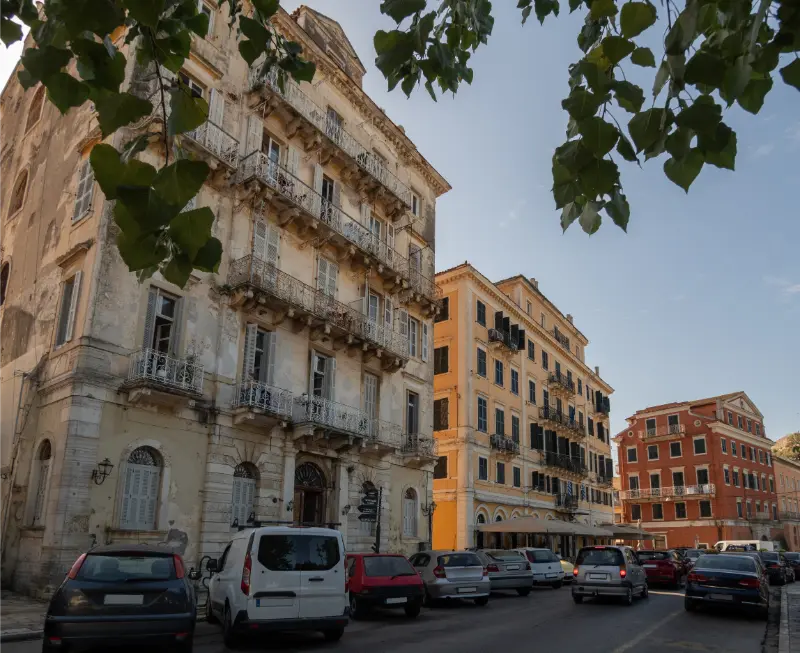
Walk through the Liston area, explore the old lanes, visit one of the fortresses and leave time for squares and cafés. The town is best when you stop looking for a single route. Early morning and evening are especially pleasant because day-trip traffic is lighter and the heat is less intense.
Old Fortress and sea views
The Old Fortress is one of the clearest places to understand Corfu’s strategic position. Its walls and elevated areas provide views across the town and sea. Wear stable shoes and allow more time than a quick photo stop, particularly in summer.
The New Fortress provides another perspective on the defensive history of the town. Opening access can change, so verify current information rather than assuming both fortresses will fit the same afternoon.
Where to stay
Corfu Town is ideal for travellers who prioritise restaurants, history, evening walks and public transport. It is also practical before an early flight or ferry. Beach lovers may prefer a coastal base such as the northeast, west coast or a resort area with direct sea access.
Families should look beyond beach photographs and check practical details: road access, steep paths, supermarket distance and whether the hotel sits above the water with many steps. A sea view can be beautiful and still be inconvenient with a stroller.
The west coast and Paleokastritsa
Paleokastritsa is one of Corfu’s best-known coastal areas, with coves and dramatic green hills dropping toward blue water. It is popular for good reason, so visit early or outside peak hours if possible. Beaches vary in size and access, and boat trips can reveal small coves that are difficult to reach by road.
Do not judge Corfu by one famous beach. The west coast has several areas with cliffs, sunset views and sandy stretches. Sea conditions can differ from the more sheltered east coast, so choose swimming spots according to weather rather than a fixed photo list.
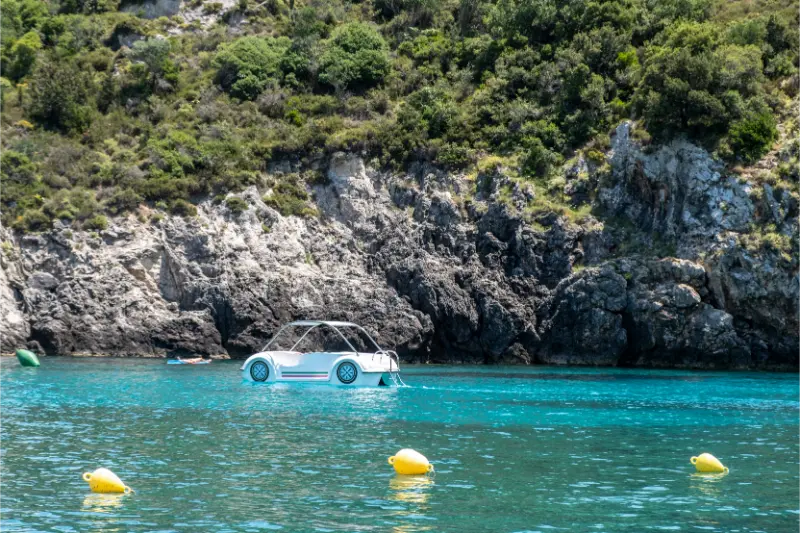
Northeast Corfu
The northeast coast is known for clear water, small bays and villages backed by green hills. It can feel polished and relaxed, with boat hire and waterfront tavernas forming part of the classic day. A small boat can be a wonderful way to explore, but only rent one if the provider gives clear safety instructions and conditions are suitable.
Roads in parts of the northeast can be narrow. If you drive, keep expectations realistic and do not race between bays. The pleasure comes from spending several hours in one area.
Inland villages and Mount Pantokrator
Corfu’s interior gives the island depth. Traditional villages, olive groves and higher viewpoints are a good contrast to resort strips. Mount Pantokrator is the island’s highest peak and offers wide views in clear weather. The drive involves winding roads, so allow time and avoid treating it as a quick detour.
A village lunch in the interior can be one of the most memorable meals of the trip. Look for seasonal dishes and local products rather than ordering the same menu everywhere.
Corfiot food to try
Corfu has dishes with clear local identity. Sofrito, pastitsada and bourdeto are names you will encounter on traditional menus, alongside seafood and broader Greek favourites. Kumquat products are also associated with the island.
I would try local dishes at different types of places: one old-town restaurant, one village taverna and one coastal meal. That gives a better sense of the island than searching for a single definitive restaurant ranking.
Getting around Corfu
A rental car offers the most flexibility for beaches and villages, but it is unnecessary inside Corfu Town and can be inconvenient for parking. If you split the holiday between town and coast, consider renting only for the coastal days.
Buses connect the town with many destinations, though frequency varies by route and season. Check current schedules locally. Taxis are useful for airport transfers and evenings when you do not want to drive after dinner. My Greece transport guide covers the broader logistics.
A five-day Corfu itinerary
Day 1: Corfu Town
Explore the Old Town, Liston and one fortress. Have lunch in the centre, rest during the hottest hours and return for an evening walk. Do not pick up a rental car yet if you are staying centrally.
Day 2: Paleokastritsa and west coast
Head out early for swimming and viewpoints around Paleokastritsa. Add one nearby village or scenic stop, then return without trying to cover the entire west coast.
Day 3: northeast coast
Choose one or two bays, enjoy a long swim and have lunch by the water. If conditions are good, consider a boat outing. Keep the evening flexible.
Day 4: villages and mountain views
Drive inland, stop in traditional villages and continue toward higher viewpoints or Mount Pantokrator. This is a good day to focus on Corfiot food away from the busiest beach strips.

Day 5: favourite beach or slow town day
Use the final day for whichever part of the island you liked most. This buffer is useful if weather disrupted a boat or beach plan earlier.
Corfu with children
Corfu works well for families because you can combine shallow beach time, short boat trips, town walks and easy food options. The main challenge is terrain: some beaches and hotels have steep access. Read recent property information and ask specifically about stairs before booking.
Children usually enjoy the fortresses more than a sequence of formal museums. Turn the town into an exploration day, then keep the next day almost entirely about swimming.
When to visit Corfu
Late spring brings green landscapes and comfortable sightseeing temperatures. Summer provides the most reliable beach conditions but also the largest crowds and highest accommodation demand. September is attractive for warm sea temperatures with a slightly calmer rhythm, though weather is never guaranteed.
The island also has life beyond the summer season, especially in Corfu Town. If beach clubs and boat services are central to your plan, confirm seasonal operations outside peak months.
Corfu or Zakynthos?
Both are Ionian islands, but the experience is different. Corfu has the stronger historic urban centre and a larger mix of villages and architecture. Zakynthos is particularly famous for dramatic coastal scenery and marine life. Read my Zakynthos travel guide if you are choosing between them.
Common mistakes to avoid
- Booking a beautiful hotel without checking how many stairs separate it from the beach.
- Driving across the island every day because the map looks small.
- Visiting only resort areas and missing Corfu Town.
- Taking a boat out in unsuitable conditions or without understanding local rules.
- Assuming all beaches have the same wind and sea conditions.
- Renting a car for days spent entirely in the historic centre.
Frequently asked questions
Is Corfu good for couples?
Yes. Corfu Town evenings, small coves, mountain viewpoints and waterfront restaurants make it easy to build a romantic trip without relying on nightlife alone.
Is Corfu good for families?
Yes, provided you choose accommodation and beaches with practical access. The variety is useful because bad beach weather does not ruin the whole holiday; the town, villages and cultural sights offer alternatives.
Do I need to change hotels?
Not for five days. One well-chosen base is simpler. For seven to ten days, splitting Corfu Town and a coastal area can reduce driving and create two different experiences.
Why Corfu deserves time beyond the beaches
Corfu works best when you let its history and landscape share the itinerary. Spend one day under Venetian walls, another in green hills and another swimming below cliffs. That combination is what makes the island distinctive. If you arrive expecting only a beach resort, Corfu is likely to give you much more than you planned.
Leave a Reply