
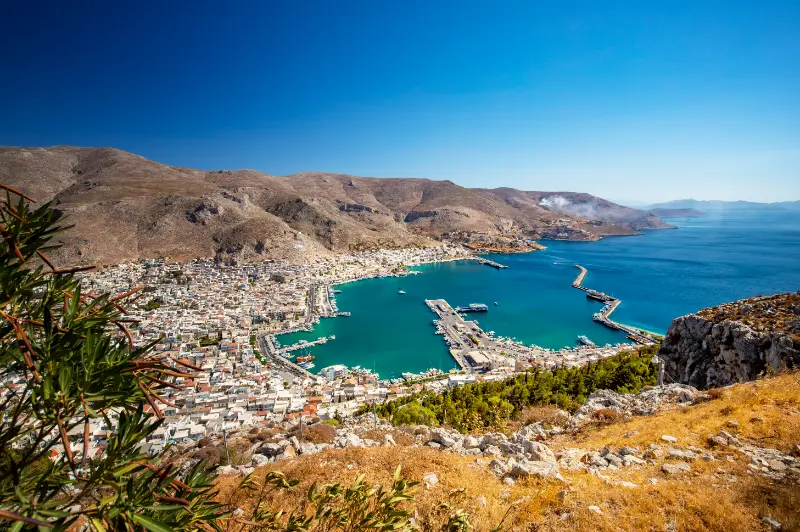
You can visit Kalymnos for climbing and still miss the story that shaped the island for centuries: sponge diving. Long before sport climbers arrived, Kalymnian families built livelihoods around dangerous journeys at sea, diving technology, sponge processing and trade. Today that heritage gives a scuba or museum day far more meaning than simply adding another underwater activity to a beach holiday.
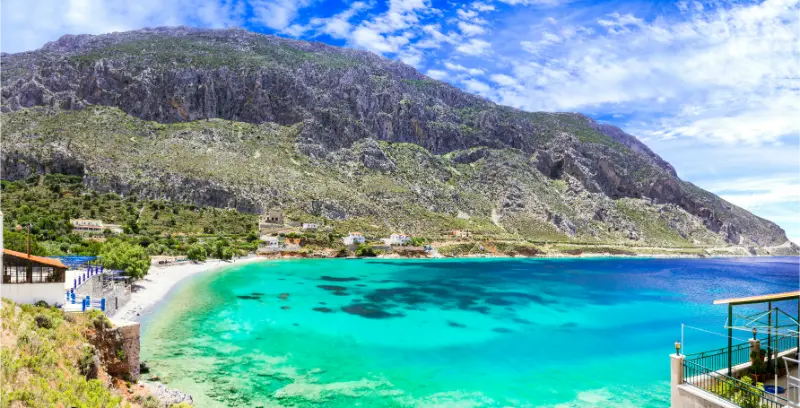
The Municipality of Kalymnos says the surrounding seabed is rich in marine life and notes established diving infrastructure, including a decompression chamber at the island hospital. That does not make diving risk-free; it means the island has a serious maritime tradition and modern services that should encourage equally serious planning.
Start with the sponge story in Pothia
The Maritime Museum is the best introduction because its displays explain sponge fishing, processing, historical equipment, photographs, nautical charts and the skandalopetra stone used by divers. Seeing the heavy suits and tools before you enter the water changes the way you understand the profession.
Pair it with the Pothia guide and the Archaeological Museum. The latter includes objects recovered from the sea, including the famous bronze Lady of Kalymnos. Together the museums show that underwater Kalymnos is both cultural and natural.
Scuba diving today
Modern recreational diving is very different from historical sponge fishing, but the island’s relationship with depth remains visible. Local centres offer training and guided dives for different certification levels. Choose an operator based on safety standards, instructor credentials, group size and the suitability of the site for your actual experience, not on who promises the deepest or most dramatic dive.
If you are uncertified, a supervised introductory experience should be conservative and clearly briefed. Certified divers should bring proof of qualification and disclose recent illness, medication or long breaks from diving. Never let holiday pressure turn a medical concern into “probably fine.”
Wrecks, reefs and archaeology
The waters around the Dodecanese contain a long history of navigation, and Kalymnos museum collections include shipwreck material. Recreational divers may encounter fascinating underwater features, but archaeological remains are protected. Do not lift amphora fragments, metal objects or anything that might be culturally significant.
The correct reaction to a possible find is to leave it in place, record the location only if safe, and inform the appropriate authorities or dive centre. A souvenir removed from the seabed loses archaeological context and may be illegal to possess.
How to choose a dive centre
- Ask which agency or national qualifications instructors hold and whether your planned dive matches your certification.
- Check how the centre handles equipment inspection, oxygen, emergency communication and weather cancellations.
- Ask about group size and whether a guide is assigned to divers with similar experience.
- Do not choose solely on price; an operator willing to cancel for unsafe sea conditions is doing its job.
- If renting equipment, inspect fit and function before boarding rather than discovering a problem at the site.
Snorkelling for non-divers
You do not need scuba certification to appreciate Kalymnos underwater. Clear coves on the west, north and south coasts can offer enjoyable snorkelling when the sea is calm. Choose a protected entry, wear fins only if you can control them without kicking the seabed, and use a bright surface marker where boat traffic is possible.
Never snorkel alone around headlands or outside sheltered bays just because the water looks transparent. Wind and current are harder to judge from shore than visibility. The beach guide helps you choose a cove that fits the day.
Sponge shops and responsible buying
Natural sponges are a legitimate part of Kalymnos identity, but buy with curiosity rather than treating every display as identical. Ask where a sponge came from, how it was processed and what type it is. A knowledgeable seller should be able to explain differences in texture and use.
The most meaningful purchase comes after understanding the labour and risk behind the trade. Visiting the maritime collection first makes the souvenir less generic and supports a more respectful relationship with the island’s heritage.
Vlychadia and private maritime collections
The municipality also describes a private museum at Vlychadia with marine specimens, sponge-diving equipment, wartime material, photographs and objects collected over decades. Private collections can have different opening arrangements from state museums, so confirm before travelling specifically for a visit.
Vlychadia can be combined with a south-coast swim, making it a good low-intensity day between climbing or hiking days. Avoid trying to fit the museum, Pothia, Vathy and a dive into one schedule; the maritime story deserves time rather than box-ticking.
Diving after flying or before flying
Scuba and air travel require conservative timing. Follow your training agency’s no-fly guidance after diving and the instructions of your dive professional. Do not schedule your final dive so close to a departure that delays or repetitive dives remove the recommended surface interval.
The same principle applies after illness, ear problems or dehydration. A Greek island holiday is not the time to test whether pressure equalisation “might work.” If in doubt, skip the dive and enjoy snorkelling, museums or a boat ride instead.
A maritime heritage day
- Morning: Maritime Museum in Pothia after confirming opening.
- Late morning: Archaeological Museum for the Lady of Kalymnos and wider island history.
- Lunch: waterfront meal and a slow look at sponge shops.
- Afternoon: Vlychadia museum or a calm snorkelling bay.
- Separate day: book scuba with a qualified centre rather than squeezing it between museums.
When to go and how to use the day
Kalymnos works in more than one season, but the ideal timing depends on what you want to do. Summer is straightforward for swimming and long evenings, yet exposed walks and limestone cliffs can become very hot in the middle of the day. Spring and autumn are better for active itineraries, and Visit Greece specifically highlights September as an excellent climbing month because the rock conditions and sea temperatures can work well together. Wind can change swimming, boating and climbing comfort from one coast to another, so keep at least one day flexible.
In July and August I would front-load anything strenuous: walk, climb or explore archaeological sites early, take a long lunch or swim around midday, and return outside later in the afternoon. In the shoulder season the same itinerary can be more continuous, but daylight and boat frequency may be reduced. The practical habit that improves almost every Kalymnos trip is to check wind and sea conditions before committing to a remote beach or a boat-based day.
What to pack for this part of Kalymnos
- Shoes with grip rather than relying only on beach sandals; limestone paths and village steps can be polished or loose.
- A refillable water bottle and more water than you expect for exposed walks, beaches without services and climbing approaches.
- Sun protection that works while moving: hat, high-SPF sunscreen and a light layer for shoulders.
- Swim shoes if you dislike pebbles or rocky entries; many of the island’s most attractive coves are not soft-sand beaches.
- A small dry bag or waterproof phone pouch for caiques, sea taxis and beach days.
- A light layer for breezy evenings, especially outside peak summer or after sunset on the west coast.
A realistic planning rule
For a diving and maritime-heritage itinerary, avoid building a day that depends on every connection, meal and swim happening at an exact minute. Kalymnos is compact, but its mountain spine, indented coast and seasonal transport mean that a short distance can still require a deliberate route. Two strong experiences plus an unhurried meal usually create a better day than five photo stops. This is especially true if one element depends on wind, a boat, a museum timetable or a trail that you have not walked before.
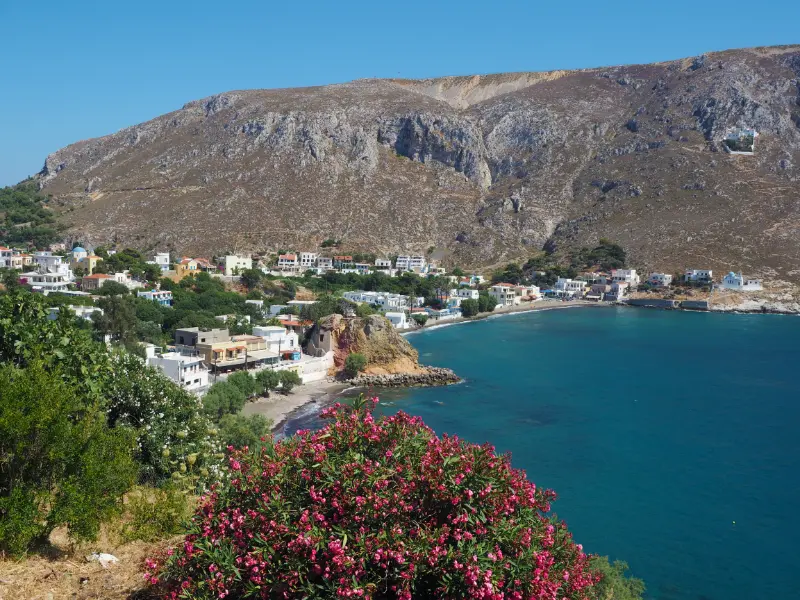
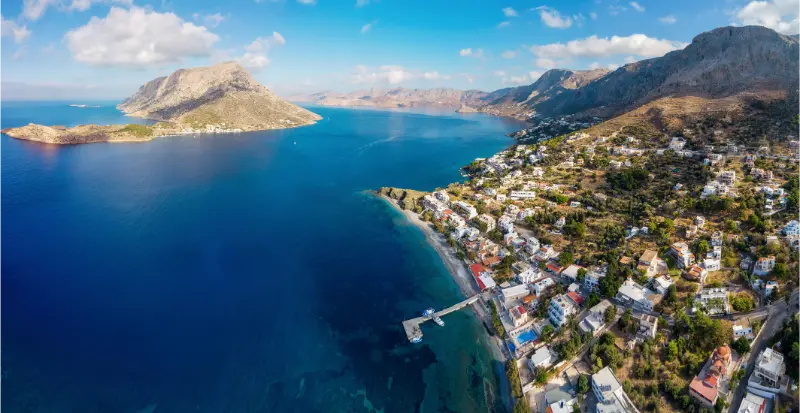
It is also worth separating “possible” from “comfortable.” You may be able to combine a morning in Pothia, a west-coast swim, Telendos and a sunset dinner, but that does not mean every traveller will enjoy the transfers. Families, slower walkers and anyone visiting in extreme heat should reduce the number of moves. Climbers should treat approach walks and recovery time as part of the schedule rather than invisible minutes between sightseeing stops.
Continue planning Kalymnos
Build the rest of the trip with Pothia Kalymnos Guide; Massouri and Myrties Kalymnos Guide; Telendos Island Guide; Vathy and Rina Kalymnos Guide; Kalymnos Climbing Guide; Best Beaches in Kalymnos; Kalymnos Hiking Guide; Kalymnos Without a Car; Where to Stay in Kalymnos. Start with the Kalymnos Travel Guide if you want the broader five-day overview before choosing detailed day plans.
Kalymnos diving FAQ
Is Kalymnos good for scuba diving?
Yes. The municipality highlights the island’s marine life, diving infrastructure and decompression chamber, but site suitability still depends on certification, weather and the chosen operator.
Where can I learn about sponge diving?
The Maritime Museum in Pothia is the main starting point, with equipment, photographs and material explaining sponge fishing and processing.
Can beginners try scuba?
Local centres can offer supervised introductory experiences, but health screening, qualified instruction and conservative conditions are essential.
Can I take an amphora fragment I find underwater?
No. Leave possible archaeological material in place and report it through the dive centre or authorities. Removing it destroys context and may break the law.
Is snorkelling worthwhile?
Yes on calm days in clear coves. Choose sheltered water, watch boat traffic and do not snorkel alone around exposed headlands.
Useful official information
For current destination information I check the Municipality of Kalymnos and Visit Greece – Kalymnos. Transport, museum opening hours, boat services, climbing access and seasonal businesses can change, so recheck the details that matter to your day shortly before travel. The municipal diving and museum pages provide useful background on modern dive infrastructure and the island’s sponge-diving collections.
Leave a Reply