
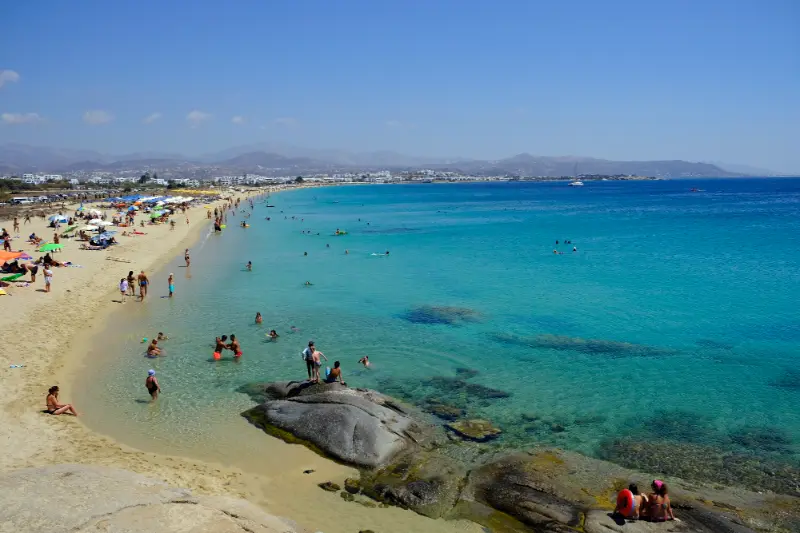
Naxos is one of the Greek islands where renting a car genuinely changes the trip. The west coast is easy by bus, but the villages, mountain roads, northern quarries and quieter south-west beaches make much more sense when you can stop where you want. A road trip also reveals how large and varied the island is compared with the compact Cyclades stereotype.
The mistake is trying to see all of Naxos in two frantic days. The roads are generally manageable, but mountain bends, village stops and beach time make journeys longer than they look. I prefer a five-day route that groups places geographically and leaves one flexible afternoon for wind or a place you decide to revisit.
Why this place belongs in a Naxos itinerary
Naxos is large enough that every stop needs a role. The strongest itineraries alternate the coast with villages, archaeology and mountain landscapes instead of repeating the same type of day. This place earns its time because it adds a different layer to the island and connects naturally with the wider route rather than requiring an inefficient detour.
Quick facts before you go
- Naxos has an extensive paved road network linking Chora with central villages, the north coast and southern beaches.
- The official tourism authority publishes scenic driving routes through the wild north and the south-west villages-and-beaches corridor.
- Mountain roads around Apeiranthos, Koronos and Apollonas are winding and require more time than coastal routes.
- The west-coast beaches are easy to reach, while remote northern and inland stops benefit most from a car.
- Summer wind can change which beach is comfortable, so a road-trip plan should include inland alternatives.
What to see and do
Day 1: Chora and the west coast
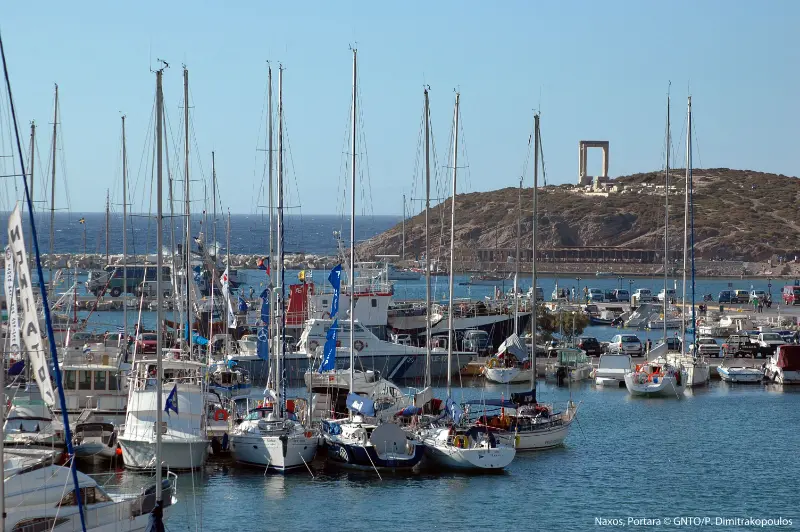
Begin with Chora, Portara and the old town, then drive only a short distance to Agios Prokopios, Agia Anna or Plaka. Keep arrival day easy and use it to learn local driving and parking.
Day 2: Sangri, Demeter and Chalki
Head inland for the Temple of Demeter, Sangri and Chalki. Add Panagia Drosiani or Kaloxylos if energy and opening times work. This day explains the agricultural and Byzantine interior.
Day 3: Filoti, Mount Zas and Apeiranthos
Start early if hiking Mount Zas. Have lunch in Filoti, then continue toward Apeiranthos when the afternoon cools. Skip the hike in dangerous heat or poor conditions and turn the day into a village circuit instead.
Day 4: Wild north to Apollonas
Follow the scenic northern loop through mountain settlements to Apollonas and the giant Kouros. The drive itself is part of the experience, so avoid scheduling a fixed evening commitment in Chora.
Day 5: South-west beaches
Use the final day for Plaka, Mikri Vigla, Alyko and the south-west coast. Choose two or three places according to wind rather than racing through every beach.

A practical plan for the visit
The most efficient sequence is west coast, central archaeology, mountain villages, north coast and south-west beaches. This reduces backtracking and lets each day have a clear theme. If your accommodation is outside Chora, reverse individual days rather than forcing the exact order.
Build the day around one priority and one nearby companion stop. In summer, start exposed archaeological sites and walks earlier, use lunch as a deliberate break and move beach time toward the later afternoon when possible. In spring and autumn, the same route can support longer walks because temperatures are usually easier, but seasonal transport and opening times may be reduced.
How to get there and move around
Reserve a vehicle sized for narrow village streets rather than one chosen for prestige. Read the insurance terms carefully, check whether unpaved roads are excluded and photograph the car at collection. Fuel before long northern loops and never rely on navigation apps to send you through tiny village alleys simply because the route is shorter.
If you are travelling by car, save offline maps but follow road signs and local access restrictions rather than every shortcut suggested by a phone. Naxos village streets can become extremely narrow. Park at designated areas and walk the final section. If you are relying on buses, check the current KTEL timetable the day before because frequency changes through the season.
Who this stop is best for
A Naxos road trip is ideal for couples, independent families, hikers and repeat Greece visitors who want villages as much as beaches. It is less necessary for travellers spending only two or three nights near Chora and the west-coast resorts. Car-free visitors can still see many highlights using buses plus one organised inland excursion.
Best time of day and season
June and September are often the easiest months for combining beaches with active sightseeing. July and August bring the strongest heat, busiest roads and highest demand, so mornings become much more valuable. May and October can be excellent for villages and walking, though some beach services and bus routes operate less frequently. In every season, strong wind is part of Cycladic travel and should be treated as a planning variable rather than a surprise.
For photography, early and late light usually improves both the atmosphere and comfort. Midday can still work for museums, long lunches or shaded village streets. Do not chase a precise social-media photograph if conditions are wrong; a flexible schedule almost always produces a better day than waiting in a crowd for one viewpoint.
Food, water and pacing
Carry drinking water when leaving Chora or the main beach resorts, particularly for archaeological sites, hikes and the north-coast drive. Inland villages are excellent places for a proper meal, and a long lunch can be part of the itinerary rather than lost time. Naxos is known for local cheeses, potatoes, meat, citron products and village cooking, but availability varies by season and restaurant. Ask what is local that day rather than treating a checklist of dishes as mandatory.
How to combine it with the rest of Naxos
Useful planning guides include Naxos Travel Guide, Naxos Chora guide, Naxos mountain villages guide, Mount Zas guide and Agios Prokopios and Agia Anna guide. Choose two nearby areas rather than linking distant corners of the island simply because both look interesting on a map.

Common mistakes to avoid
- Trying to cross the island repeatedly instead of grouping stops by region.
- Arriving at an exposed archaeological site or hiking route in the hottest part of the day.
- Assuming bus frequency is identical in May, August and October.
- Following navigation shortcuts into narrow village lanes instead of using signed parking.
- Ignoring the wind forecast when choosing a beach or boat-related activity.
- Planning every hour so tightly that one long meal or swim ruins the schedule.
Responsible travel and local etiquette
Naxos is a working island with farms, churches, homes and protected natural areas mixed directly into tourist routes. Do not park across gates, photograph people at close range without permission, enter private courtyards or treat church interiors like ordinary photo locations. At beaches, stay off fragile dunes and vegetation. At archaeological sites, remain behind barriers even if another visitor has crossed them.
Small choices matter most in the busiest months. Carry reusable water where practical, take rubbish back from unorganised coves and spend money in villages rather than using them only as backdrops. A coffee, museum ticket or local lunch turns a scenic drive into a more balanced visit.
Current information and official sources
Details that can change—opening hours, admission, road access, bus schedules and local restrictions—should be checked shortly before the visit. For the core facts in this guide I used the official Naxos and Small Cyclades tourism information. Treat any exact schedule as temporary rather than assuming it will remain the same next season.
Frequently asked questions
How many days do you need for a Naxos road trip?
Five days gives a balanced first circuit. Three days works if you drop either the far north or a full beach day.
Do you need a 4×4?
Not for the main itinerary. Standard paved routes reach the major villages and beaches; follow your rental contract regarding unpaved tracks.
Is driving difficult?
Main roads are generally manageable, but mountain sections are winding and village parking can be tight. Drive conservatively.
Where should I stay?
Chora is the most practical all-round base; Plaka works well if beaches matter more and you have a car.
What should I do if it is very windy?
Shift toward inland villages, archaeology and the more sheltered beach options instead of forcing the original plan.
One more planning detail that makes the day easier
Before leaving your accommodation, decide which part of the plan is non-negotiable and which stop can disappear without disappointment. This small decision prevents rushed driving when parking is full, lunch takes longer or the wind changes. Keep water and walking shoes in the car even on a beach day, and keep swimwear available on an inland day. Naxos works especially well when you can switch from a village to a swim or from a windy beach to a museum without returning to your hotel first.
Final thoughts
Naxos Road Trip is worth including when it fits the geography and the pace of your trip. Naxos rewards travellers who accept that a good day may contain only a village, a long lunch and one beach rather than seven separate stops. Leave margin for wind, heat and discoveries made after arrival, and the island feels much richer than a simple checklist of famous places.