
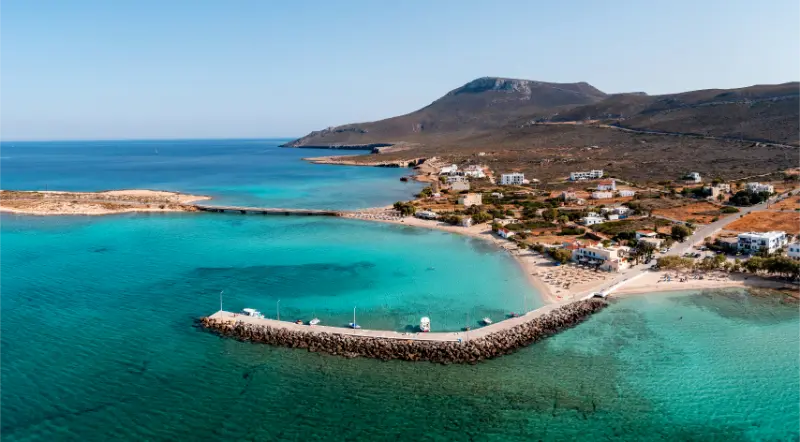
Kythira can be excellent with children, but the best family itinerary is different from an adult road trip. Long drives to remote coves, exposed castle visits at midday and ambitious gorge walks quickly turn a beautiful island into a logistics exercise. I would build family days around one swim, one short discovery and a reliable meal.
The island’s variety is actually an advantage. You can alternate beach mornings with Chora, shaded Mylopotamos, small coves in Avlemonas and a short boat experience from Kapsali, adjusting the plan to age and weather.
Quick planning summary
| Question | Practical answer |
|---|---|
| Best for | Kythira With Kids travellers and first-time visitors |
| Car needed? | Very useful for broad island exploration; selected bases can work without one |
| Best timing | Morning and late afternoon for walking; beach or shade around midday in summer |
| What to verify | Seasonal hours, road access, wind and local transport close to the travel date |
Best family bases
Kapsali is strong for families who want beach access and food on foot. Agia Pelagia offers a practical waterfront in the north. Avlemonas is charming for confident swimmers and calm evenings, while Chora works better for families prioritising atmosphere and history over immediate sand.
Choose accommodation with parking, air conditioning, refrigerator space and a short walk to dinner. A pool can be useful, but a genuinely walkable evening routine often saves more family stress than another hotel amenity.
Family beach strategy
Do not create a list of ten must-see beaches. Pick two or three practical favourites and one scenic adventure. Kapsali is convenient; Agia Pelagia offers a straightforward base; Paleopolis gives space; Avlemonas is fun with older children who are comfortable using rocky entries.
Kaladi is beautiful but requires more effort, so judge whether steps and heat suit your group. Carry shade, water and snacks even when a beach is described as organised—seasonal services can change.
Mylopotamos with children
Mylopotamos is one of the best non-beach family days because the square, trees, running water and old mills create natural variety. The easy waterfall area can be engaging for children, but slippery rock and pools require close supervision. Do not continue into difficult gorge terrain simply because the first section felt easy.
Add a relaxed lunch and Kato Chora rather than trying to combine the day with a distant coast. Agia Sophia cave may be memorable for older children if current opening arrangements suit the day.
Chora, Kapsali and a short boat trip
Visit Chora early, keep the castle walk short enough that children still enjoy the view, then descend to Kapsali for swimming. A weather-dependent boat trip toward Chytra can add excitement without requiring another long drive.
Ask operators about life jackets, shade, trip length and sea conditions. For very young children, a simple beach afternoon may be better than a longer boat excursion.

Heat, naps and meal timing
In July and August, protect the middle of the day. Put castles, walking and villages before 11:00 when possible, then swim, eat and rest. Return outdoors later. Children often handle an island holiday much better when adults stop trying to maximise sightseeing during peak heat.
Keep water and simple snacks in the car. Many of Kythira’s most beautiful spots are not designed around constant retail access.
Safety details that matter
Use proper footwear at waterfalls, caves and rocky coves. Keep children away from cliff edges and old ruins that lack modern barriers. Check sea conditions before letting them use inflatables, which can drift quickly in wind.
If you need medical supplies or specific baby products, buy essentials before heading to a remote beach or village day. Kythira has services, but they are not located beside every attraction.
How Kythira changes the way you plan a Greek-island day
Kythira is not a compact resort island where every attraction sits around one bay. Villages, beaches and historical sites are spread across a rugged landscape, so the best days normally focus on one side of the island rather than crossing from north to south several times. I plan mornings around one anchor place, add a nearby beach or village, and leave dinner close to wherever the afternoon naturally ends.
The island also rewards flexibility. Wind can change which beach feels comfortable, a waterfall can be less dramatic after a dry period, and seasonal businesses do not all keep the same hours outside the busiest weeks. Treat the itinerary as a framework, not a contract. One unhurried village, one swim and one meaningful cultural stop often produce a better day than a long checklist.
Driving, parking and realistic travel time
Even when map distances look short, allow extra time for bends, village streets, parking and short walks from the road. Kythira is manageable by car, but it is not an island where I would schedule activities back-to-back. In popular places such as Chora, Kapsali, Kaladi or Mylopotamos, arriving earlier also makes parking and photography noticeably easier.

If you rent a car, choose a vehicle you are comfortable using on narrow roads and never assume that every road to a remote beach has the same surface. Ask locally about the final approach before committing to an isolated cove, especially after unusual weather. For no-car travel, build the holiday around a strong base and use taxis or seasonal public transport selectively rather than trying to imitate a full road trip.
Best season and daily rhythm
Late spring and early autumn are especially attractive if walking, villages and archaeology matter as much as swimming. July and August deliver the warmest sea and the widest choice of seasonal services, but they also require earlier starts, more careful parking and a serious approach to shade and hydration. September is often a useful compromise for travellers who want warm water without the same daytime intensity.
In summer, I keep exposed walks, castles and viewpoints for morning or late afternoon. Midday is better for a shaded lunch, a protected beach or a long break. Kythira’s most memorable places are often atmospheric rather than monumental, so giving them time is part of the experience rather than wasted schedule space.
Food, water and what to carry
Kythira is known for products such as thyme honey, local rusks and the aromatic Fatourada liqueur, but the practical food rule is simpler: eat where the day already takes you. A lunch in Mylopotamos, a waterfront meal in Kapsali or Avlemonas, and a village dinner in the north all make more sense than driving across the island for one saved restaurant pin.
For remote beaches and trails, carry water, sun protection and at least a small snack. Some coves have seasonal facilities while others have none. I also keep swim shoes, a light shoulder cover for churches and monasteries, and an offline map on my phone. Small preparations matter more here than on an island built around organised beaches.
Accessibility and slower travel
Historic settlements, castle approaches, waterfall paths and rocky coves can involve steps or uneven ground. Travellers with limited mobility should ask accommodation hosts very specific questions about stairs, parking distance and the route to the nearest restaurant or beach. A beautiful room can be inconvenient if every outing begins with a steep climb.
Slow travel works exceptionally well on Kythira. Staying longer in one area reduces driving and makes room for repeat swims, village cafés and weather changes. If you have only three nights, do less. With a week, divide the island into south, east, west/inland and north rather than changing hotels repeatedly.
Common mistakes to avoid
The most common mistake is underestimating how spread out the island feels. The second is treating every beach recommendation as suitable in every wind direction. Other avoidable errors include wearing sandals on rough trails, arriving at a cave or museum without checking seasonal hours, and assuming a waterfall will look identical in late August and after spring rain.
I would also avoid booking accommodation solely on a low map price. Location affects almost every day on Kythira. A base with dinner, a swim and a useful road connection nearby can save enough driving and taxi time to be worth a slightly higher room rate.
How this fits into a complete Kythira trip
Use this guide as one part of a regional plan. The existing Kythira Travel Guide gives the island-wide overview, while the dedicated guides below let you plan the areas and travel styles in more detail. I would normally combine one cultural or walking focus with one beach area each day rather than criss-crossing the island.
Continue planning with Chora and Kapsali Kythira Guide: Castle, Twin Bays, Chytra and Where to Stay; Avlemonas and Paleopolis Kythira Guide: Coves, History, Beaches and Where to Stay; Agia Pelagia Kythira Guide: Beaches, North Coast, Food and Where to Stay; Mylopotamos Kythira Guide: Kato Chora, Watermills, Waterfall and Village Life; Kythira Waterfalls and Caves Guide: Fonissa, Watermills and Agia Sophia; Best Beaches in Kythira: 15 Beaches for Families, Snorkelling and Wild Scenery; Kythira Hiking Guide: Best Kythera Trails, Gorges, Villages and Safety; Kythira Without a Car: Taxis, Buses, Transfers and the Best Bases; Kythira with Kids: Family Beaches, Easy Days and Practical Tips; Where to Stay in Kythira: Chora, Kapsali, Avlemonas, Agia Pelagia or Mylopotamos?.

Kythira With Kids FAQ
Is Kythira good for young children?
Yes, with a slower itinerary and a practical base. Avoid turning the holiday into a daily cross-island road trip.
Which area is easiest for families?
Kapsali and Agia Pelagia are practical because beach and food options are close.
Can kids visit the waterfall?
Yes on the easier sections with close supervision and proper footwear.
Is Avlemonas suitable for children?
It is lovely for confident swimmers; very small children may prefer a beach with a gradual sandy entry.
Do we need a car?
For most families wanting to explore widely, a car is very useful and often simplifies luggage and beach equipment.
Useful official information
For family planning I cross-check stable destination information on Visit Kythera. Beach conditions, boat trips and seasonal opening times should always be verified during the trip.
Opening times, local road conditions, public transport, boat trips and seasonal businesses can change. Recheck anything time-sensitive shortly before you use it, especially outside July and August or after unusual weather.
Leave a Reply