

Leros is a Dodecanese island that makes more sense the longer you stay. At first glance it can seem less immediately dramatic than neighbouring Kalymnos or Patmos, but the island’s deep natural harbours, Italian-era architecture, hilltop castle, wartime history and low-key beaches create a surprisingly varied trip.
Visit Greece highlights Leros for its rationalist architecture, naval history, calm harbours and tranquil pace. The Italian-planned town of Lakki is especially unusual in the Greek islands, while Agia Marina, Platanos and Panteli form a more traditional cluster on the other side of the island. That contrast is the key to planning Leros well.
Why this destination is worth adding to your Greece itinerary
Leros Travel Guide works best when you give it a clear role in the wider trip. Rather than adding another stop simply because it appears on a ferry map, decide what you want here that a larger island cannot provide: quieter evenings, a particular landscape, a historical layer or a slower few days between more demanding destinations. That decision makes accommodation, transport and trip length much easier to choose.
For a wider route, connect this guide with Kalymnos Travel Guide; Patmos Travel Guide; Kos Travel Guide. I prefer combinations that reduce backtracking, even when that means visiting fewer islands overall.
Best things to see and do
Walk through Lakki with your eyes on the architecture
Lakki was developed during the Italian occupation around one of the Mediterranean’s largest natural harbours. Its rationalist public buildings, broad streets and geometric forms look unlike a classic whitewashed island town. Even travellers with little interest in architecture usually notice immediately that the place feels different.
Do not judge Lakki only from a quick ferry arrival. Walk beyond the port, look at the former administrative buildings and read about the strategic role of the harbour. Context transforms what can first look austere into one of Leros’s most distinctive experiences.
Explore Agia Marina, Platanos and Panteli as one area
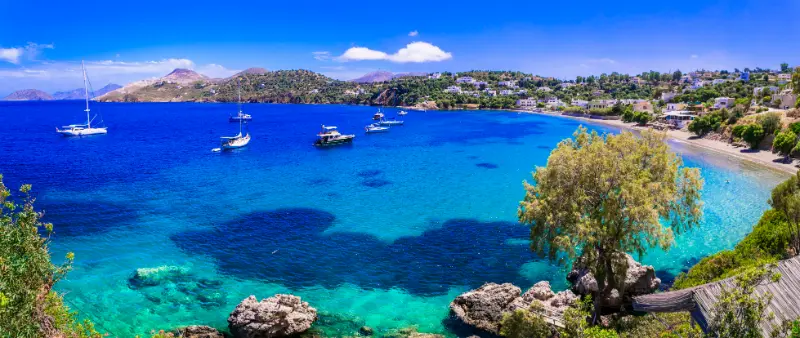
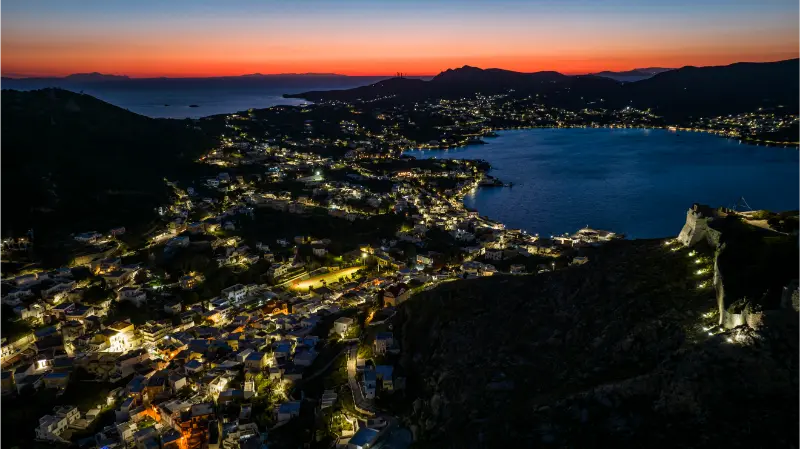
These adjoining settlements are best understood on foot in sections. Agia Marina has the harbour and neoclassical character, Platanos climbs inland, and Panteli drops toward a small bay beneath windmills and the castle. Together they deliver the “island village” atmosphere that Lakki intentionally lacks.
Allow time for uphill walking and heat. The castle above the settlements is visually dominant, but the pleasure is also in connecting lanes, squares and sea views rather than racing directly to the top.
Climb toward the Castle of Panteli
The castle, traditionally associated with the Byzantine and later Hospitaller periods, crowns the ridge above Platanos and Panteli. The views explain the island’s strategic geography: bays cut deeply into the coastline, creating naturally protected anchorages.
Go when the light is softer and carry water. Even if you do not spend long inside the fortifications, the climb and panorama help connect the island’s medieval story with its later naval importance.
Understand the Second World War history
Leros was heavily fortified because of its harbour and became the scene of the Battle of Leros in 1943. Tunnels, military remains and museum collections are reminders that the island’s modern history was unusually intense. Approach these places as historical sites, not adventurous playgrounds; some tunnels or structures may have access restrictions.
Reading a short history before visiting makes the landscape more legible. Headlands, batteries and harbours begin to look like a connected defensive system rather than isolated ruins.
Choose beaches by wind and mood
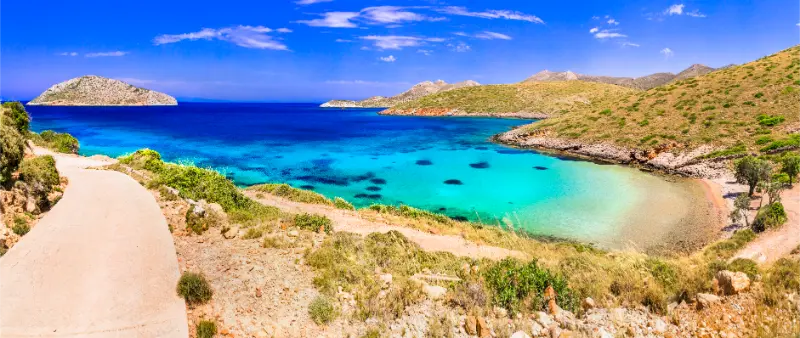
Leros has many sheltered bays and smaller beaches rather than one dominant resort strip. Alinda is convenient and popular, while other coves offer a quieter feel. Because the coastline is indented, conditions can differ significantly between sides of the island on the same day.
Ask locally about wind before committing to a long drive. One of Leros’s strengths is being able to change plan quickly: a museum morning, sheltered swim and sunset in Panteli can all fit the same day.
How to get there
Leros has a small airport with connections via Athens and is also part of the Dodecanese ferry network. Ferries can arrive at different ports depending on service, so check the exact arrival point when arranging accommodation or a rental vehicle. Combining Leros with Patmos, Kalymnos or Kos can work very well when schedules line up.
Ferry and flight schedules are seasonal, and even a route that runs frequently in July may be limited in spring or autumn. I therefore book the transport skeleton first—arrival and departure—then fit accommodation around it. Leave a meaningful buffer before an international flight, especially when a ferry or small-island flight is involved.
Getting around
A car or scooter is useful because sights are scattered around bays and ridges. Local buses help on main routes but are less flexible for wartime sites, remote beaches and late dinners. Driving distances are short, yet narrow roads and village streets mean you should budget more time than the map suggests.
Whatever transport you choose, avoid judging island distances by kilometres alone. Narrow roads, heat, parking, ferry-day traffic and scenic stops make short journeys take longer than expected. A realistic itinerary leaves room for one delay without sacrificing the entire day.
Where to stay
Panteli suits travellers who want an attractive evening setting; Agia Marina and Platanos are convenient for village atmosphere; Lakki is practical for some ferry services and for architecture enthusiasts. On a five-day trip I would choose one base rather than moving hotels.
For a first visit, I usually prefer the base that makes evenings and departure day easiest. A spectacular remote room can be excellent for a longer holiday, but on a three- or four-night stay the hidden cost is often extra driving, taxis or missed flexibility. Check recent accommodation reviews for noise, air-conditioning, stairs and parking rather than looking only at the sea view.
How many days do you need?
The itinerary in this guide is designed around 5 days or stages because that is enough time to understand the place without forcing every beach, village and museum into the same afternoon. Travellers who mainly want to swim can stay longer; island hoppers can shorten it, but I would rather remove one activity than compress every day.
- Day 1: settle in, explore your base and keep the first evening local.
- Day 2: walk Agia Marina and Platanos, climb toward the castle, then have dinner in Panteli.
- Day 3: explore Lakki and the island’s wartime history, followed by a sheltered swim.
- Day 4: make a beach circuit or boat day depending on wind and sea conditions.
- Day 5: revisit a favourite bay, stop for a long lunch and leave a comfortable ferry or airport buffer.
Best time to visit
Late May, June and September usually offer the best balance for travellers who want both outdoor time and working tourist services. July and August bring the widest range of connections but also the strongest heat and demand. April, early May and October can be excellent for walking and local atmosphere, though ferry frequency, beach services and restaurant opening patterns become more variable.
Wind matters as much as temperature in the Aegean. A clear forecast can still produce rough sea conditions or an uncomfortable exposed walk. I check the local marine forecast each morning before committing to boat trips or long coastal routes.
What to eat
Leros is well suited to seafood meals, meze and simple island cooking. Ask what fish is local that day instead of ordering by habit, and try meals in more than one settlement because the atmosphere changes dramatically between Lakki, Panteli and Agia Marina.
For a better food experience, move at least one meal away from the most obvious harbour tables and ask what is genuinely local or seasonal. I also avoid scheduling dinner too tightly after a long excursion: island transport delays are common enough that a reservation with no flexibility can create unnecessary stress.
Who this trip suits best
This destination works especially well for independent travellers who are comfortable with a little uncertainty and do not need constant organised entertainment. Couples and solo travellers can enjoy the slower rhythm, while families should focus on accommodation convenience, beach access and shade. Travellers with mobility limitations should research steps, slopes and boat boarding carefully because picturesque island terrain is not always accessible.
Practical mistakes to avoid
- Do not build a same-day ferry connection with no margin for delays.
- Do not assume every beach has shade, toilets, food or card payment.
- Do not rent a vehicle before confirming where it can realistically be used and parked.
- Do not plan long exposed walks in the hottest part of a summer day.
- Do not treat residents, religious sites or working harbours as scenery for intrusive photography.
- Do not rely on an old blog post for current ferry times, tickets or archaeological-site hours.
A note on responsible travel
Small islands and historic places absorb visitor pressure quickly. Refill water where practical, refuse unnecessary single-use plastic, stay on marked paths, never remove stones or archaeological material, and keep a respectful distance from wildlife. If a beach, trail or monument has a temporary closure, treat it as a safety or conservation decision rather than an obstacle to work around.
Frequently asked questions
Is Leros worth visiting if I already know Kos or Rhodes?
Yes. Leros is quieter and has a very different architectural and historical identity, especially around Lakki and its wartime heritage.
Do I need a car on Leros?
A car or scooter makes a short trip much easier because attractions are spread around several bays. Car-free travel is possible if you accept a slower, more local itinerary.
Which is the best area to stay?
Panteli is the most scenic evening base for many first-time visitors, while Lakki is practical and historically fascinating. Agia Marina offers a useful middle ground.
How many days are enough?
Four nights is a strong first stay; five days lets you combine history, villages and beaches without rushing.
Can Leros be combined with Patmos?
Yes, and the contrast is excellent. Always check actual ferry days and times before booking accommodation.
Check current information before you travel
For official destination or site updates, check Visit Greece – Leros. I recommend confirming ferry times, opening hours, trail conditions and any temporary access restrictions again shortly before travel, especially outside the peak summer months.
Final thoughts
Leros Travel Guide is most rewarding when you resist the urge to optimise every hour. Choose a few experiences that explain the place, leave room for weather and local advice, and allow at least one part of the day to remain unplanned. That balance is what turns a technically efficient itinerary into a trip that actually feels like Greece rather than a sequence of transport bookings.
More detailed Leros guides
Continue planning with these dedicated Leros guides: Agia Marina, Platanos and Panteli Leros Guide; Lakki Leros Guide; Leros War Museum and WWII Guide; Alinda and Krithoni Leros Guide; Best Beaches in Leros; Leros Diving Guide; Leros Hiking Guide; Leros Without a Car; Leros with Kids; Where to Stay in Leros.