

Olympos is the village that gives Karpathos its strongest cultural identity. Built high in the mountainous north, it remained relatively isolated for generations, and that isolation helped preserve a distinctive dialect, music, crafts, food traditions and dress. Today it is firmly on the visitor map, which makes respectful travel more important, not less.
Visit Greece calls Olympos the “undisputed star” of Karpathos and highlights the continuity of local customs, women’s traditional woven clothing and foods such as handmade makarounes pasta. The challenge for travellers is to appreciate a living community without turning everyday life into a staged attraction.
Why this destination is worth adding to your Greece itinerary
Olympos Karpathos Guide works best when you give it a clear role in the wider trip. Rather than adding another stop simply because it appears on a ferry map, decide what you want here that a larger island cannot provide: quieter evenings, a particular landscape, a historical layer or a slower few days between more demanding destinations. That decision makes accommodation, transport and trip length much easier to choose.
For a wider route, connect this guide with Karpathos Travel Guide; Greece Culture and Etiquette; Hiking in Greece. I prefer combinations that reduce backtracking, even when that means visiting fewer islands overall.
Best things to see and do
Walk slowly through the village lanes
Olympos clings to a ridge with houses arranged for views, wind and protection. The main lanes contain shops and tavernas, but side streets reveal quieter domestic architecture, small chapels and glimpses across both sides of the island.
Do not block doorways or photograph residents at close range without permission. The village is not an open-air museum; people are working, cooking, shopping and going home while visitors pass through.
Understand why isolation mattered
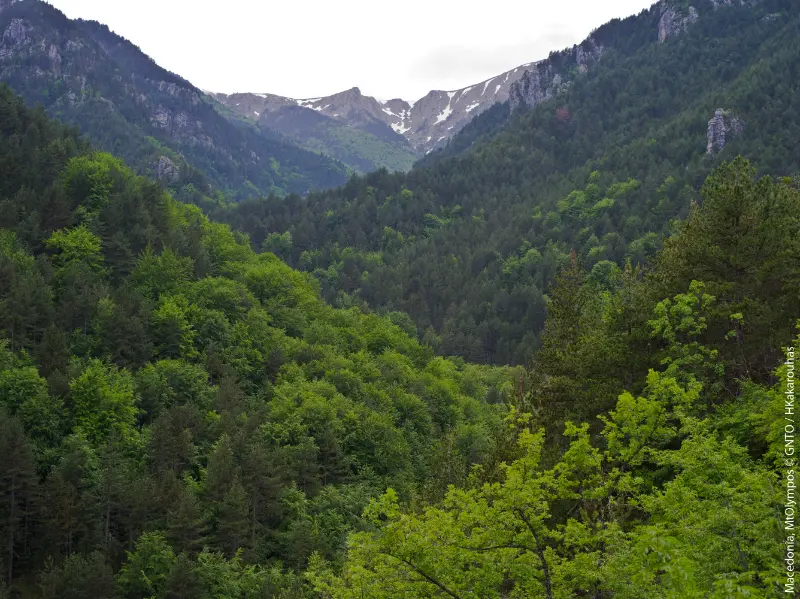
Northern Karpathos was historically difficult to reach by road, and Olympos maintained cultural practices that changed more slowly than in heavily connected settlements. Modern access is easier, but the sense of geographic separation remains visible in the surrounding mountains and cliffs.
Learning this before arrival helps avoid simplistic language about a place being “frozen in time.” Olympos is contemporary, but it has chosen to maintain traditions that still carry meaning.
Eat makarounes and ask about local dishes
Handmade makarounes are closely associated with Karpathos and especially with village cooking. Rather than treating them as a novelty, ask how the pasta is prepared and what cheese or onions accompany it. Food is one of the easiest ways to understand continuity without intruding on private life.
Try to eat at a normal pace and avoid scheduling a meal between two bus departure times if possible. Olympos deserves enough time for the experience to feel like a visit rather than a tour stop.
Combine Olympos with Diafani
Diafani, on the coast below northern Karpathos, is an important gateway for boat services and makes a natural partner to Olympos. Combining mountain village and harbour shows the contrast that defines the north: steep interior settlements tied historically to the sea.
If you stay overnight in the area, a quieter evening or early morning gives a completely different impression from midday excursion hours.
Consider staying overnight
Many travellers visit Olympos on a day excursion. That is workable, but one night changes the experience by giving you the village before and after peak visitor hours. It also creates more flexibility for weather and transport.
Accommodation is limited compared with Pigadia, so book earlier in high season and confirm luggage access if your room sits on steep pedestrian lanes.
How to get there
Olympos is in northern Karpathos, far from the main town of Pigadia. Road access has improved, but the journey still crosses mountainous terrain and takes longer than the island’s size suggests. Boat-and-road combinations via Diafani can also be offered seasonally. Confirm departure points and return times before committing to a day trip.
Ferry and flight schedules are seasonal, and even a route that runs frequently in July may be limited in spring or autumn. I therefore book the transport skeleton first—arrival and departure—then fit accommodation around it. Leave a meaningful buffer before an international flight, especially when a ferry or small-island flight is involved.
Getting around
Once in the village, walking is the only meaningful way to explore. Expect slopes, steps and uneven surfaces. If mobility is limited, ask accommodation or tour providers exactly how close a vehicle can get to your destination.
Whatever transport you choose, avoid judging island distances by kilometres alone. Narrow roads, heat, parking, ferry-day traffic and scenic stops make short journeys take longer than expected. A realistic itinerary leaves room for one delay without sacrificing the entire day.
Where to stay
Most visitors base in Pigadia or elsewhere in southern Karpathos, but one night in Olympos or Diafani is worthwhile for photographers, walkers and anyone interested in local culture. It turns the north from an excursion into a place.
For a first visit, I usually prefer the base that makes evenings and departure day easiest. A spectacular remote room can be excellent for a longer holiday, but on a three- or four-night stay the hidden cost is often extra driving, taxis or missed flexibility. Check recent accommodation reviews for noise, air-conditioning, stairs and parking rather than looking only at the sea view.
How many days do you need?
The itinerary in this guide is designed around 3 days or stages because that is enough time to understand the place without forcing every beach, village and museum into the same afternoon. Travellers who mainly want to swim can stay longer; island hoppers can shorten it, but I would rather remove one activity than compress every day.
- Day 1 morning: travel north and explore Olympos before lunch.
- Day 1 afternoon: eat locally, continue walking through quieter lanes and viewpoints, then stay for the evening when day-trip traffic falls.
- Day 2 morning: enjoy the village early, descend or transfer to Diafani, walk the harbour and depart after lunch or continue your Karpathos itinerary.
Best time to visit
Late May, June and September usually offer the best balance for travellers who want both outdoor time and working tourist services. July and August bring the widest range of connections but also the strongest heat and demand. April, early May and October can be excellent for walking and local atmosphere, though ferry frequency, beach services and restaurant opening patterns become more variable.
Wind matters as much as temperature in the Aegean. A clear forecast can still produce rough sea conditions or an uncomfortable exposed walk. I check the local marine forecast each morning before committing to boat trips or long coastal routes.
What to eat
Karpathian cooking is a major reason to slow down here. Makarounes, local breads, cheeses, herbs and festive dishes reflect a food culture that is still connected to family and seasonal practice. Choose restaurants that explain what they serve rather than those that reduce tradition to costume.
For a better food experience, move at least one meal away from the most obvious harbour tables and ask what is genuinely local or seasonal. I also avoid scheduling dinner too tightly after a long excursion: island transport delays are common enough that a reservation with no flexibility can create unnecessary stress.
Who this trip suits best
This destination works especially well for independent travellers who are comfortable with a little uncertainty and do not need constant organised entertainment. Couples and solo travellers can enjoy the slower rhythm, while families should focus on accommodation convenience, beach access and shade. Travellers with mobility limitations should research steps, slopes and boat boarding carefully because picturesque island terrain is not always accessible.
Practical mistakes to avoid
- Do not build a same-day ferry connection with no margin for delays.
- Do not assume every beach has shade, toilets, food or card payment.
- Do not rent a vehicle before confirming where it can realistically be used and parked.
- Do not plan long exposed walks in the hottest part of a summer day.
- Do not treat residents, religious sites or working harbours as scenery for intrusive photography.
- Do not rely on an old blog post for current ferry times, tickets or archaeological-site hours.
A note on responsible travel
Small islands and historic places absorb visitor pressure quickly. Refill water where practical, refuse unnecessary single-use plastic, stay on marked paths, never remove stones or archaeological material, and keep a respectful distance from wildlife. If a beach, trail or monument has a temporary closure, treat it as a safety or conservation decision rather than an obstacle to work around.
Frequently asked questions
Is Olympos a tourist attraction or a real village?
It is a living village with residents and continuing traditions. Tourism is important, but visitors should behave as guests in a community.
Can I visit as a day trip from Pigadia?
Yes, but the road journey is long enough that an overnight stay can be more rewarding.
Is photography allowed?
Public streets and landscapes are generally fine, but ask permission before close-up photographs of residents, craftspeople or private interiors.
What should I eat?
Makarounes is the best-known local dish, but ask about seasonal village cooking rather than ordering from a fixed checklist.
How much time do I need?
At least half a day; an overnight visit is better if cultural atmosphere matters more than ticking off a viewpoint.
Check current information before you travel
For official destination or site updates, check Visit Greece – Karpathos. I recommend confirming ferry times, opening hours, trail conditions and any temporary access restrictions again shortly before travel, especially outside the peak summer months.
Final thoughts
Olympos Karpathos Guide is most rewarding when you resist the urge to optimise every hour. Choose a few experiences that explain the place, leave room for weather and local advice, and allow at least one part of the day to remain unplanned. That balance is what turns a technically efficient itinerary into a trip that actually feels like Greece rather than a sequence of transport bookings.
More Karpathos trip planning
If Olympos is one part of a longer island trip, continue with Pigadia, the Karpathos hiking guide, Karpathos without a car and where to stay in Karpathos.