

Serifos with Kids is part of a larger Serifos trip rather than an isolated attraction. Serifos works best when you combine its hilltop Chora, port life, beaches, old villages, mining landscapes and footpaths instead of spending the entire holiday in one resort zone. This guide focuses on the decisions that matter on the ground: access, timing, swimming conditions, transport, where to eat and how to connect the experience with the rest of the island.
Serifos is compact on a map but topography changes travel time. Roads climb and curve, old paths cross steep slopes and many beaches remain deliberately low-key. The result is an island that feels authentic and easy to understand once you stop trying to visit everything in one day. Build the trip around one main objective each morning and leave room for a second activity only if weather, transport and energy cooperate.
Quick planning overview
| Question | Practical answer |
|---|---|
| Best for | Travellers who want a quieter Cyclades experience with beaches, walking and traditional settlements |
| Main transport choice | Bus for Livadi–Chora, car or taxi for flexible island exploration, walking for selected old paths |
| Best rhythm | One main area or beach per half-day rather than constant driving |
| Biggest planning mistake | Assuming every beach has food, shade or frequent transport |
| Useful base | Livadi/Livadakia for convenience; Chora for atmosphere |
Why Serifos can work for families
Serifos is calmer and smaller than many headline Greek islands, which can suit families who prefer beaches, short drives and simple evenings to large attractions. The key is choosing the right base and not assuming every beautiful beach has facilities.
Families who need supermarkets, pharmacies, easy meals and transport should stay around Livadi or Livadakia. Chora is atmospheric but steps and steep lanes can make prams and tired children more difficult.
Best family beaches
Psili Ammos is the standout for fine sand and relatively shallow water, while Avlomonas and Livadakia are convenient because they sit close to services. Ganema is spacious and has tamarisk shade along parts of the beach.
Even on family-friendly beaches, conditions change with wind. Ask which coast is calm that day and keep a backup beach near the hotel.
Easy family day structure
Plan one main outing before lunch and keep the afternoon flexible. A beach morning, quiet lunch and Chora sunset works better than combining three remote beaches with a late dinner.
Children often enjoy the ferry harbour, old mining wagons and short cobbled walks as much as formal sightseeing. Use those interests rather than forcing adult-style checklists.
Safety and practical packing
Bring more water than you think you need, strong sun protection, swim shoes for mixed pebble beaches and a compact shade option. Keep children away from unstable mining remains, road edges and old galleries.
If using buses, confirm the return time before leaving. If the schedule is awkward, a taxi can be worth the cost for the final leg of a family day.
A useful cultural stop: the Archaeological Collection in Livadi
The Archaeological Collection of Serifos is now housed in Livadi and gives useful historical context to the island beyond beaches and modern mining. The permanent display includes sculpture, architectural pieces, funerary reliefs and amphorae connected with sites such as Chora and Aspros Pyrgos, covering periods from Classical to Roman times.

For the 2026 summer season the official museum portal lists general admission at €5, closure on Tuesday and opening from 08:30 to 15:30, with a later Friday schedule. Hours can change on holidays or operationally, so check again before building a ferry or beach day around the museum.
How many days should you allow?
A three-night stay is enough for a first taste of Serifos, but four or five nights creates a much better balance between Chora, beaches, villages and the mining landscapes. With only two nights, ferry times can dominate the trip and weather has too much power over your beach plans.
If this article focuses on one district or activity, use it as one half-day or one full day inside a longer island stay. Avoid changing accommodation mid-trip unless you have a very specific reason; distances are short enough to explore from one sensible base.
When to go
June and September are excellent for travellers who want swimming without the most intense crowds. July and August have the fullest transport and beach-service network but also the strongest heat and accommodation demand. May and October can be superb for walking, although sea temperature and seasonal businesses become less predictable.
Hikers should prioritise cooler hours in every season and avoid exposed routes in extreme heat or strong wind. Beach travellers should stay flexible because the Cycladic wind can make one coast uncomfortable while another remains calm.
What to pack
Serifos rewards practical packing: shoes with grip for Chora and trails, a hat, high-SPF sun protection, a refillable bottle and a light layer for ferry decks or windy evenings. A small daypack is more useful than a large beach bag on cobbled paths.
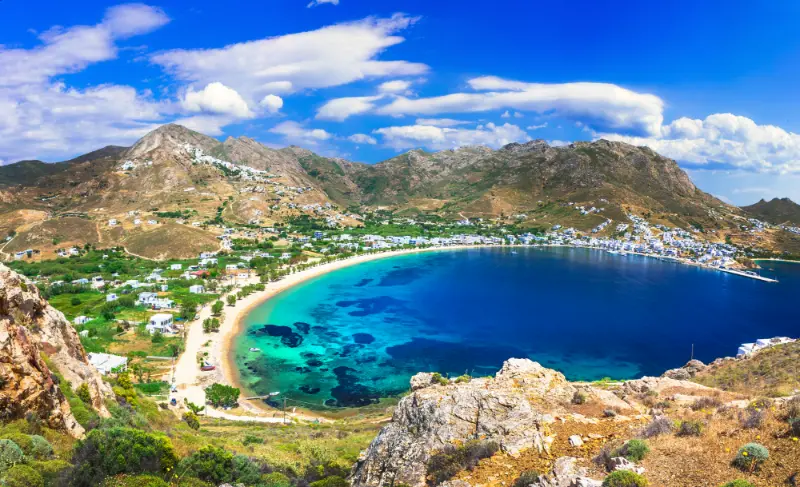
For unorganised beaches add water, snacks, basic shade and swim shoes if you dislike mixed sand and pebbles. Do not assume every remote bay has a canteen, toilets or sunbeds just because it appears on a popular map.
Practical tips that make the day easier
- Check the current wind before committing to a beach; a protected coast can be dramatically better than the famous beach you planned the night before.
- Confirm return transport before leaving Livadi or Chora, especially outside the peak July–August timetable.
- Carry cash as a backup for small tavernas, buses or seasonal services even if cards are commonly accepted.
- Do not enter abandoned mine galleries or climb industrial ruins; enjoy the mining heritage from safe paths and public areas.
- Use the cooler first and last hours of the day for Chora steps and hiking routes.
- Bring your own water to unorganised beaches and villages with limited services.
- Keep one flexible half-day in the itinerary for wind, ferry changes or a beach you decide to revisit.
- Respect churches and residential lanes: modest behaviour and low noise matter in small settlements.
- If you are travelling with children or limited mobility, ask accommodation hosts about steps and road access before booking.
- Download or photograph useful bus and trail information, but still verify locally because seasonal operations change.
Continue planning your Serifos trip
Use this page together with the rest of the new Serifos cluster: Chora Serifos Guide; Livadi and Livadakia Serifos Guide; Mega Livadi and Koutalas Serifos Guide; Psili Ammos and Agios Sostis Serifos Guide; Ganema, Vagia and Koutalas Beaches Serifos Guide; Serifos Villages Guide; Serifos Hiking Guide; Serifos Without a Car; Serifos with Kids; Where to Stay in Serifos. Start with the Serifos Travel Guide if this is your first visit, then choose the detailed guides that match your base and interests.
Useful official sources before you go
For details that can change, I cross-check the official Municipality of Serifos portal, the official transport page, the official hiking network and the Archaeological Collection of Serifos. Bus timetables, beach transfers, museum hours and seasonal services can change, so recheck the details that affect a specific travel day.
Frequently asked questions
Do I need a car in Serifos?
Not always. Livadi, Livadakia and Chora can work very well with buses and walking, while a car becomes much more useful for multiple remote beaches, villages and the southwest mining coast.
Is Serifos good for a short trip?
Yes. Three nights can work well if ferry times are favourable, but four or five nights gives you enough flexibility for wind, hiking and a slower beach rhythm.
Which area is best for a first visit?
Livadi or Livadakia is the easiest base for transport and services. Chora is the most atmospheric choice if hills and luggage logistics do not bother you.
Are the beaches organised?
Some have food, umbrellas or nearby tavernas, but many are largely unorganised. Carry water and shade whenever you are unsure.
Can I hike in summer?
Yes, but start early or late, avoid extreme heat and carry more water than the route distance alone suggests.
Final planning advice
The best Serifos trips are built around contrast: an old stone path followed by a swim, a quiet village followed by Chora at sunset, or a mining-history stop followed by a relaxed taverna by the sea. Keep the schedule light enough to respond to wind and transport, and the island will feel far richer than a simple list of beaches.
How to use one base efficiently
Serifos is small enough that one good base is usually better than changing hotels. From Livadi or Livadakia you can solve ferry and bus logistics quickly; from Chora you gain atmosphere but accept more steps. Use taxis strategically for one-way hikes or a late dinner instead of paying for a rental vehicle every day if you only need it occasionally.

the island is small enough that one good base is usually better than changing hotels. From the port area or Livadakia you can solve ferry and bus logistics quickly; from the hill town you gain atmosphere but accept more steps. Use taxis strategically for one-way hikes or a late dinner instead of paying for a rental vehicle every day if you only need it occasionally.
Responsible travel on a small island
Small islands feel crowding quickly because beaches, lanes and water resources are limited. Carry reusable water bottles, keep rubbish with you until you find proper bins, avoid moving stones or damaging dry-stone walls, and park only where you are not blocking residents, emergency access or agricultural tracks. These details directly affect the places visitors come to enjoy.
Small islands feel crowding quickly because beaches, lanes and water resources are limited. Carry reusable water bottles, keep rubbish with you until you find proper bins, avoid moving stones or damaging dry-stone walls, and park only where you are not blocking residents, emergency access or agricultural tracks. These details directly affect the places visitors come to enjoy.
Leave a Reply