
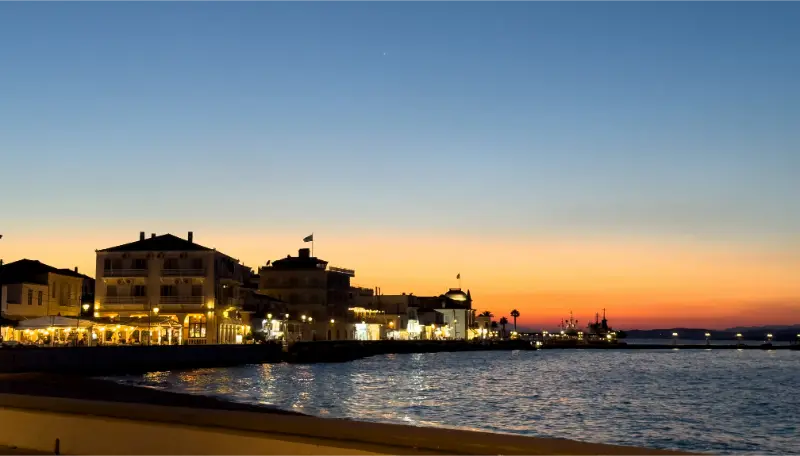
Where you stay in Spetses determines how much you walk, how easy your ferry days feel and whether your evenings are lively or quiet. Because visitors do not simply rent a car and drive between hotel and harbour, a kilometre on the map matters more here than on many islands. Dapia offers maximum convenience, Kounoupitsa balances calm and access, the Old Harbour has the strongest evening atmosphere, and remote beach areas trade services for privacy.
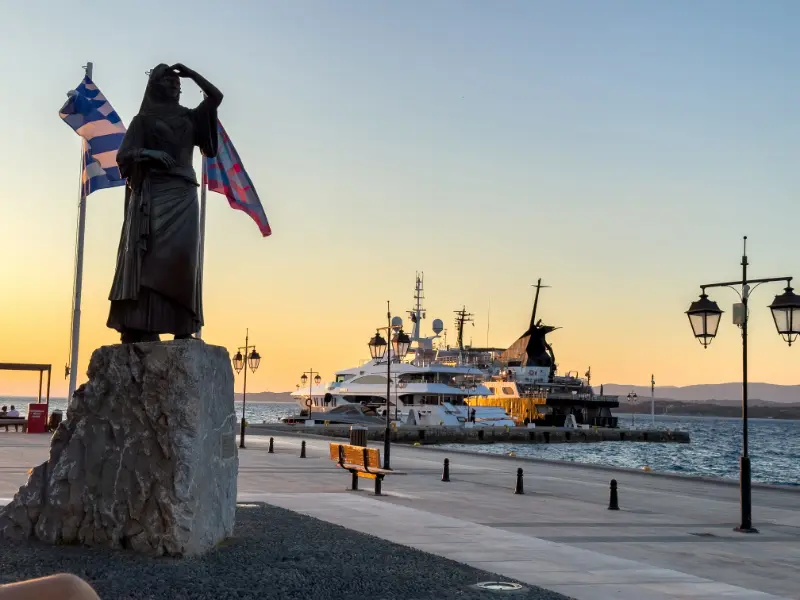
The best base is not the most beautiful hotel photo. It is the place that fits what you plan to do before breakfast and after dinner. For a two-night first visit, stay central. For a week focused on swimming and slow mornings, a quieter property becomes more attractive.
Quick planning overview
| Area | Best for | Main compromise |
|---|---|---|
| Dapia | First trips, ferries, no-car convenience | Busier waterfront |
| Kounoupitsa | Couples, families, quieter evenings | Daily walk to central transport |
| Old Harbour | Atmosphere, nightlife, architecture | Less convenient with luggage |
| Agia Marina/east side | Beach access and relaxed mornings | Farther from central services |
| Remote beach areas | Privacy and repeat visitors | Transport dependence |
Dapia: best for first-time convenience
Dapia is where ferries arrive and where sea taxis, beach boats, agencies and central services concentrate. If you have only two or three nights, staying here protects usable holiday time. Early departures are easy and you can walk to museums, Agios Mamas and most restaurants.
The compromise is activity. Waterfront properties can hear port movements, late conversations or festival events. A room one or two lanes inland often keeps the convenience while reducing noise.
Kounoupitsa: best balance
West of Dapia, Kounoupitsa is an excellent compromise for travellers who want a waterfront walk and restaurants without sleeping directly beside the ferry hub. It remains easy to reach the centre on foot and places you closer to Kaiki and Scholes beaches.
Families often like this balance, but check the exact walking distance. The route that feels easy after breakfast can feel longer with a tired child after dinner.
Old Harbour: best for atmosphere
The Old Harbour is the romantic choice: working shipyards, historic houses, bars, restaurants and a more cinematic waterfront. Early morning can be wonderfully quiet, while evenings become one of the island’s main social scenes.
The trade-off is ferry logistics. Large luggage from Dapia needs planning, and some properties sit on lanes unsuitable for direct vehicle access. Ask the hotel how bags arrive before you book.
Agia Marina and the east side
The east side works for travellers who want a proper beach close to the room and do not mind being farther from central transport. Agia Marina has organised facilities and gives the day a resort-like rhythm while still remaining connected to town.
This is a good compromise for couples who plan several slow beach mornings. It is less ideal if museums, west-side beaches and frequent ferry connections are the priority.
Remote beach stays
Properties farther around the island can be peaceful and memorable, but they turn a spontaneous car-free holiday into a more structured one. Meals, town evenings and ferry transfers may require arranged transport.
Choose seclusion only when that is the point of the trip. A first-time visitor who wants to explore museums, Old Harbour nightlife and different beaches usually gets more from a central base.
Best area for couples
Couples should decide whether the ideal evening means walking to a harbour dinner or returning to a quiet sea-view room. Old Harbour is strongest for atmosphere; Kounoupitsa is best for balance; a remote property is best for privacy.
For anniversaries or special trips, split the budget toward room quality rather than assuming the most expensive central location is automatically the most romantic.
Best area for families
Dapia and Kounoupitsa are the easiest family bases because shops, food and simple beaches are close and transport is straightforward. A central location reduces the number of decisions required at the end of a tiring day.
Ask about steps, stroller access, room configuration and whether street noise continues after children’s bedtime. “Family-friendly” is more meaningful when these details are answered clearly.
Best area without a car
Almost all visitors are effectively without a private car, but Dapia makes that reality easiest. Beach boats, sea taxis and central connections begin nearby, so you can decide each morning whether the day requires walking, bus or boat.
Old Harbour is still a good no-car base, but plan luggage assistance. Remote stays are possible without a car only if the property helps with transfers and you are comfortable planning meals and beach movements in advance.
Should you split your stay?
With four nights or fewer, use one base. Moving bags across a small island creates more friction than benefit. With a week, a split between Dapia and a quiet beach property can work if the second half is deliberately about rest.
Do not split Dapia and Old Harbour simply to change atmosphere; they are close enough to visit each other easily on foot. Save hotel changes for genuinely different experiences.
How many days do you need?
Two nights are enough to understand the shape of Spetses Town and enjoy one beach, but three or four nights are much more satisfying. A longer stay allows a museum morning, a slow Old Harbour evening, a remote-beach day and either a cycling or walking day without forcing every activity into the hottest hours.

If you are combining Spetses with Hydra or Poros, avoid changing islands every night. Three nights on one island usually feels richer than three separate one-night stops because ferry days eat into usable time and the best atmosphere on the Saronic islands often appears before day-trippers arrive or after they leave.
When to visit
May, June, September and early October offer the best balance for travellers who want beaches and walking in the same trip. July and August bring the strongest holiday atmosphere, more beach services and the highest demand, while midday heat makes cycling and inland walking less comfortable. Spring can be excellent for hiking and flowers, and the island remains attractive outside peak summer for history, architecture and quiet waterfront walks.
September has an additional cultural dimension because of Armata, the annual commemoration of the 1822 naval battle. In 2026 the municipality scheduled the wider programme from 28 August to 13 September, with the main reenactment on 12 September. If you travel for Armata, book transport and accommodation early because this is not a normal quiet September weekend.
What to pack
Comfortable walking shoes matter more here than on a resort holiday because even a relaxed day involves waterfront promenades, lanes and museum visits. Add reef-safe sun protection, a refillable water bottle, a hat, swim shoes if you dislike pebbles and a light layer for breezy ferry decks or late evenings.
Cyclists should bring or rent a helmet and carry more water than they expect to need. Families benefit from a compact beach shade for unorganised coves, while anyone staying in an old mansion or lane should pack luggage that is easy to carry over steps and uneven surfaces.
Practical tips that make the trip easier
- Ask every hotel how bags are transferred from Dapia and whether the final approach includes steps.
- Check recent noise comments if the room faces Dapia or the Old Harbour in July, August or Armata week.
- Confirm whether “sea view” means a balcony view or a distant glimpse over rooftops.
- For a short trip, prioritise walking convenience over a remote pool or oversized room.
- Families should ask about cots, connecting rooms and stroller access before booking, not at check-in.
- If you plan early ferries, spend the whole stay in Dapia rather than moving hotels for the final night unless your original base is genuinely remote.
- For late-night Old Harbour plans, consider whether you will be happy walking back to Kounoupitsa or Dapia afterward.
- If accessibility matters, request a route description from the hotel because old-town lanes can include unexpected steps.
- Book Armata dates early; major festival weekends can tighten accommodation availability far beyond normal September demand.
- Read cancellation terms carefully when ferry connections are involved, especially for shoulder-season trips with fewer daily alternatives.
Continue planning your Spetses trip
Use these guides as one connected cluster rather than separate checklists: Spetses Travel Guide; Dapia and Spetses Town Guide; Old Harbour Spetses Guide; Bouboulina and Spetses Museums Guide; Best Beaches in Spetses; Spetses Without a Car; Spetses Cycling and Hiking Guide; Spetses with Kids; Where to Stay in Spetses; Spetses 4-Day Itinerary. For nearby alternatives, compare Hydra, Poros and Aegina.
Useful official sources before you go
For time-sensitive details I cross-check the Municipality of Spetses visitor portal, the official transport page, the official beach guide and Visit Greece. Ferry schedules, beach boats, bus frequencies, museum access and event programmes can change, so verify the details that affect a specific day shortly before travelling.
Frequently asked questions
What is the best area for a first trip to Spetses?
Dapia is the easiest because the ferry, central services and several transport options are close together.
Where should couples stay?
Old Harbour for atmosphere, Kounoupitsa for balance, or a quiet beach property for privacy.
Where should families stay?
Dapia or Kounoupitsa usually minimise transport and make meals and beaches easier.
Is the Old Harbour too far from the ferry?
Not for most walkers, but luggage changes the calculation. Arrange bag transfer if you stay there.
Should I stay near a remote beach?
Yes only if seclusion is a main goal and you are comfortable planning transport and meals more carefully.
Final planning advice
On Spetses, convenience is part of the hotel experience because you cannot solve a poor location by renting a car. Choose the base that makes your ordinary moments easy—arrival, breakfast, dinner and the walk home—and the rest of the island becomes simple to explore.
Leave a Reply