Author: Jessica

  • Patras Travel Guide: Castle, Roman Odeon, Agios Andreas, Carnival and Where to Stay

    Patras Travel Guide: Castle, Roman Odeon, Agios Andreas, Carnival and Where to Stay

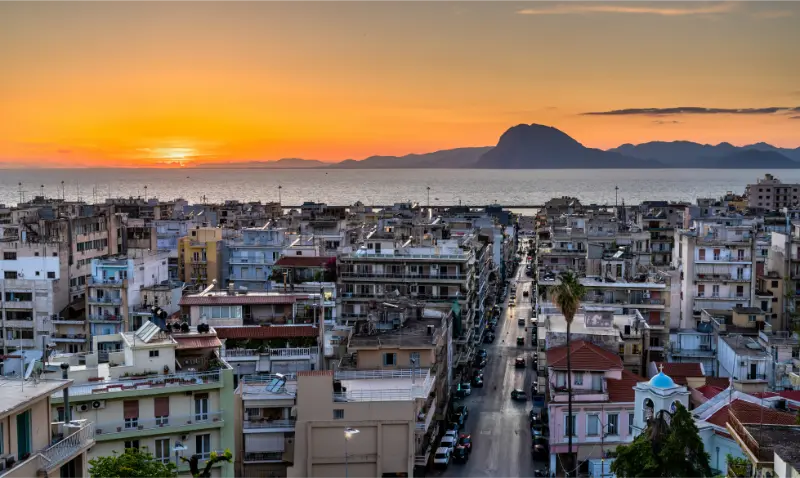
    Patras is often treated as a ferry port, yet Greece’s third-largest city has enough history, food and urban life for a rewarding stop of its own. The city rises from the waterfront toward an Upper Town with a castle, Roman remains and long stairways, while the immense church of Agios Andreas anchors the lower city. Its identity changes dramatically during the famous carnival, but Patras is lively throughout the year because of its university, port and regional role.

    This guide is designed for city-break travellers, ferry passengers with extra time, road trippers and visitors interested in carnival culture. It focuses on what is genuinely worth your time, how to combine the main sights without over-planning and which practical decisions matter most once you arrive.

    Quick planning notes

    • Best for: city-break travellers, ferry passengers with extra time, road trippers and visitors interested in carnival culture.
    • Give the destination at least two nights if it is a base for day trips; one night is enough only for a transit stop.
    • Check museum, archaeological-site, bus and ferry information again shortly before travel because seasonal schedules can change.
    • In summer, start exposed walks and ancient sites early and keep beach or lunch time for the hottest hours.

    Why it deserves a place in your Peloponnese itinerary

    For a first visit, the best pace is slower than the map suggests. The Peloponnese is full of short-looking drives that become longer once you add mountain roads, village traffic, beach access and spontaneous stops. Build each day around one main area and one secondary activity. That creates time for lunch, swimming, museum closures or weather changes without turning the trip into a race between pins on a map.

    The strongest reason to include this stop is the combination of local character and regional access. Instead of treating it as a name to tick off, use it as a base or a themed day: history, coast, walking, food or a village circuit. That approach creates a more memorable trip and usually reduces unnecessary driving.

    What to see and do

    Upper Town and castle

    The castle occupies the higher part of Patras and pairs naturally with the old neighbourhoods and stairways. The climb is part of the experience, but taxis or buses can save energy in hot weather.
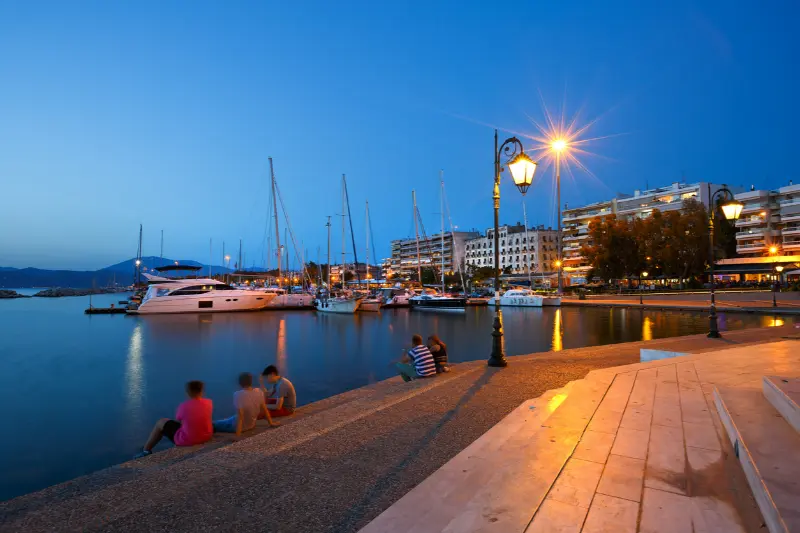
    Patras Greece

    The best way to experience upper town and castle is to leave enough margin for the details around it. Look at the surrounding streets or landscape, read the on-site information and avoid scheduling the next stop so tightly that you have to leave just as the place becomes interesting.

    Roman Odeon

    The Roman Odeon is one of the city’s clearest links to its ancient past. Current access can depend on conservation work or events, so verify conditions locally rather than assuming every part is open.

    The best way to experience roman odeon is to leave enough margin for the details around it. Look at the surrounding streets or landscape, read the on-site information and avoid scheduling the next stop so tightly that you have to leave just as the place becomes interesting.

    Agios Andreas

    The large church near the lower city is an important pilgrimage landmark and a major piece of modern Patras. Dress respectfully and remember that it remains an active religious space.

    The best way to experience agios andreas is to leave enough margin for the details around it. Look at the surrounding streets or landscape, read the on-site information and avoid scheduling the next stop so tightly that you have to leave just as the place becomes interesting.

    Waterfront and squares

    Patras is best understood as a living city. Georgiou I Square, pedestrian streets, cafés and the waterfront give the trip balance after archaeological and religious sights.

    The best way to experience waterfront and squares is to leave enough margin for the details around it. Look at the surrounding streets or landscape, read the on-site information and avoid scheduling the next stop so tightly that you have to leave just as the place becomes interesting.

    Carnival

    The Patras Carnival is the city’s most famous annual event. Dates, parades and traffic arrangements change each year, so accommodation and transport should be booked around the official programme rather than old calendar references.
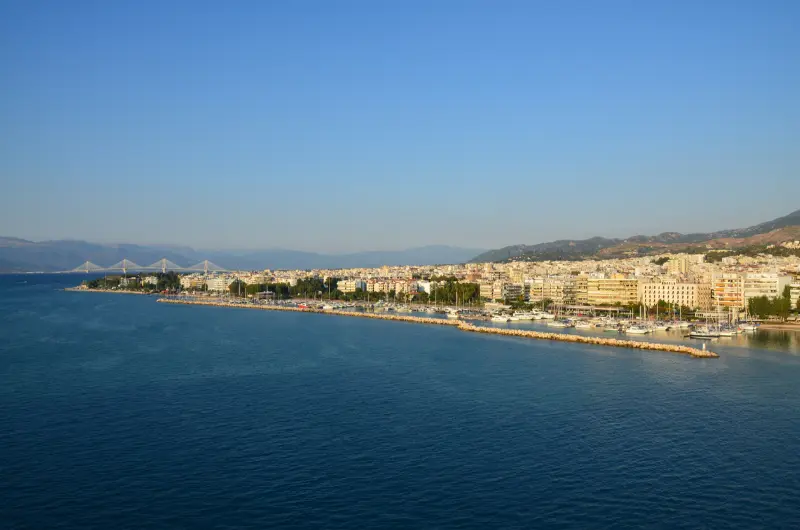
    Patras Waterfront Greece

    The best way to experience carnival is to leave enough margin for the details around it. Look at the surrounding streets or landscape, read the on-site information and avoid scheduling the next stop so tightly that you have to leave just as the place becomes interesting.

    Rio–Antirrio Bridge

    The bridge north of the city is both infrastructure and a striking modern landmark. It is especially useful if Patras is part of a wider road trip toward Nafpaktos or western mainland Greece.

    The best way to experience rio–antirrio bridge is to leave enough margin for the details around it. Look at the surrounding streets or landscape, read the on-site information and avoid scheduling the next stop so tightly that you have to leave just as the place becomes interesting.

    A realistic day plan

    1. Begin in the Upper Town and castle while temperatures are comfortable.
    2. Walk down through the Roman sights toward the centre.
    3. Stop for lunch around the pedestrian streets or central squares.
    4. Visit Agios Andreas and the lower city in the afternoon.
    5. Use sunset for the waterfront or drive toward Rio for bridge views.

    This sequence is intentionally flexible. Swap the beach and cultural stops according to heat, wind, opening hours and your energy. If a museum or site is unexpectedly closed, the day should still work rather than collapse.

    Where to stay

    Central Patras is best for a first visit because you can walk to restaurants, squares and many sights. If you are using the ferry port or arriving by car, check parking and terminal location carefully because ‘near the port’ can mean different areas.

    Check current accommodation options on Booking.com. Compare the map location carefully and read recent comments about parking, noise, stairs and air-conditioning rather than choosing only by headline rating.

    How to get there and get around

    Visit Greece lists frequent intercity bus links with Athens and other Greek cities. Patras is also a major port and road hub. If arriving only to catch a ferry, allow a buffer for terminal procedures; if staying, give the city at least one full day.

    If you rent a car, check the accommodation’s exact parking situation before arrival. Historic centres, waterfronts and mountain villages often have narrow streets or parking outside the pedestrian core. Keep an offline map, avoid blindly following navigation apps onto tiny local lanes and refuel before remote excursions. Driving times in Greece are better treated as estimates than promises.

    Travelling without a car is possible if you keep the itinerary focused. Intercity KTEL buses are useful between major towns, but they are not designed to connect every beach, trailhead and archaeological site in a tourist-friendly sequence. Base yourself somewhere walkable, combine buses with occasional taxis and confirm the return journey before leaving for a remote attraction.

    Best time to visit

    Spring and early autumn are the easiest all-round seasons because walking temperatures are comfortable and road trips are less tiring. July and August work well for beach-focused travel, but start cultural visits early and protect the middle of the day from heat. Winter can be excellent for towns and mountain villages, although opening hours, regional transport and some coastal businesses become more limited.

    For photography and walking, early morning and the final two hours of daylight are usually the most rewarding. Midday is better used for lunch, a museum with indoor sections or a swim. In shoulder season, build more flexibility into meals and transport because smaller businesses may not operate daily.

    What to eat

    Patras has a broader urban food scene than a small resort: bakeries, meze, seafood, grills, contemporary restaurants and local wine traditions. The nearby Achaia wine region makes wine tasting a sensible extension if you have a car.

    Patras

    A useful rule in the Peloponnese is to ask what is local today rather than searching for a fixed list of famous dishes. Seasonal vegetables, cheese, olive oil, pies, grilled meat and fish vary by sub-region. A short conversation with the server often produces a more authentic meal than ordering the most photographed item on the menu.

    Visiting with children

    Families should reduce the number of daily stops and prioritise shade, easy swimming and predictable meal breaks. A child may enjoy one castle, one short walk and a beach far more than three museums and a long afternoon drive. Carry water and snacks, check whether archaeological sites allow strollers on uneven paths and avoid exposed walks in the hottest hours.

    Budget and booking strategy

    Costs vary most by season and accommodation style. A useful strategy is to spend on location rather than unnecessary luxury: a walkable room can save repeated parking, taxi and fuel costs. Tavernas are usually easier to budget when you order shared starters, one or two mains and ask about fish by weight before confirming. Keep some cash for small businesses and rural stops.

    Common mistakes to avoid

    • Trying to combine too many towns, beaches and archaeological sites in one day.
    • Relying on an old timetable for buses, ferries, museums or seasonal attractions.
    • Underestimating heat, sun exposure or the time needed on mountain and coastal roads.
    • Choosing accommodation by price without checking the exact map position and parking.
    • Treating local landscapes as photo sets instead of protected environments or lived-in communities.

    How to fit it into a longer Peloponnese trip

    A useful backbone is our Peloponnese road trip guide. Depending on your direction, you can connect this stop with Nafplio, Ancient Olympia, Kalamata and Messinia, Mani or Monemvasia.

    Avoid chaining all of those places into a single fast loop. The Peloponnese rewards regional stays: two or three nights in one base, then a move to the next zone. That gives you room for beaches, weather, long meals and unplanned discoveries.

    Practical safety and responsible travel

    Responsible travel here is mostly practical: stay on marked paths, do not move stones at archaeological sites, protect dune vegetation, take rubbish away from remote beaches and respect quiet residential streets. In summer, follow local fire restrictions and never assume a forest or gorge is safe just because the sky is clear. Local advice on wind, heat and road conditions is often more useful than an old blog post.

    Frequently asked questions

    How many days do you need for Patras?

    Two nights is a comfortable minimum if you want more than a quick look. Add a third night when the destination is also your base for hiking, beaches or major day trips.

    Do you need a car?

    Not always for the central town or village, but a car usually improves access to beaches, mountain roads and scattered sights. Car-free travellers should choose a walkable base and plan regional transport before booking remote accommodation.

    Is it worth visiting outside summer?

    Yes. Spring and autumn are often better for archaeology, walking and road trips. Winter can be excellent for cities and mountain areas, while beach-focused destinations become much quieter and have fewer seasonal services.

    Should you book accommodation in advance?

    For July, August, carnival weekends, holiday periods and small villages with limited rooms, yes. In quieter months you may have more flexibility, but the best-located properties can still fill first.

    Useful sources for current information

    For details that can change, check Visit Greece – Patras, Peloponnese road trip. Reconfirm tickets, opening hours, road access, ferry or bus schedules and weather-sensitive activities shortly before the day of your visit.

    Final advice

    Patras Travel Guide works best when you resist the urge to turn the visit into a checklist. Choose the experiences that match your interests, leave time for the local rhythm and use the destination as part of a coherent regional route rather than a rushed detour.

    The Peloponnese is large enough that a good trip is defined as much by what you leave out as by what you include. A slower plan almost always produces better meals, easier driving and more time in the places you came to see.

    For more ideas nearby, continue with Aigio, Rio–Antirrio Bridge, Achaia wine, Kalogria and Strofylia.

    For more ideas in western Peloponnese, continue with Katakolo, Pyrgos, Kyllini and Chlemoutsi.

    \n

    More Achaia planning: Archaeological Museum of Patras, Patras Carnival 2027, Voudeni Mycenaean Cemetery.

    \n\n

    More Achaia planning: Roman Odeon and Upper Town, Achaia Clauss winery, best day trips from Patras.

    \n\n

    More Achaia planning: Mount Panachaiko hiking, Patras ferry port, Araxos Airport.

    \n\n\n

    Continue planning Patras with where to stay in Patras, Patras with kids, Patras without a car, Patras in one day.

    \n
  • Best Beaches in Thassos: 15 Beaches for Sand, Families, Snorkelling and Scenery

    Best Beaches in Thassos: 15 Beaches for Sand, Families, Snorkelling and Scenery

    The best beach in Thassos depends on the day you want. Golden Beach is the easiest all-round choice for sand and families; Saliara is the visual showstopper; Alyki combines swimming with archaeology; Psili Ammos and Pefkari suit the south; and smaller coves make more sense when you want clear water without a full resort setup. A useful beach guide should help you choose, not simply rank fifteen places from one to fifteen.

    I would plan Thassos by coast and conditions. Keep the main island guide for geography, then use this list to build two or three beach days rather than chasing every famous shoreline. The island’s coastal road makes over-planning tempting, but swimming is more enjoyable when you stay long enough to relax.

    Quick planning snapshot

    Best sandy all-rounderGolden Beach
    Most distinctive scenerySaliara / Marble Beach
    Best culture + swimAlyki
    Good south-coast base beachesPefkari, Psili Ammos, Potos area
    Best strategyChoose by coast, wind, access and your base

    1. Golden Beach

    Golden Beach is the easiest recommendation for a classic sandy day. The long bay provides space, services and accommodation, while the backdrop of Mount Ipsarion gives it more drama than a generic resort beach. It is especially useful for families and first-time visitors.

    Choose the exact section by your base and what the sea looks like on the day. The Skala Potamia end is convenient for restaurants; the northern end works well with Panagia.

    2. Saliara (Marble Beach)

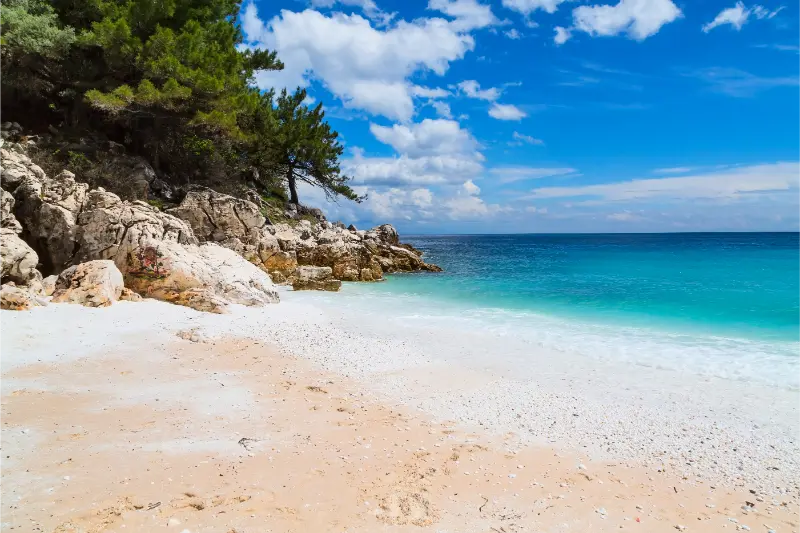
    Saliara is famous for its pale marble shoreline and luminous turquoise water. Go for the visual contrast, but check road conditions and rental-car rules before using unpaved access. Early morning is the least stressful time.

    This is a small, highly photographed beach rather than the place I would choose for an effortless full family day.

    3. Porto Vathy

    Porto Vathy offers another marble-coast experience near Saliara. Its value is as an alternative or companion stop, not a reason to force a difficult road twice. Compare current access and beach setup locally.

    4. Alyki

    Alyki is one of the most complete beach stops because archaeology, marble-quarry history and swimming sit together in a beautiful south-east setting. Arrive early in peak season and use the archaeological walk before the strongest heat.

    The beach is popular and compact, so it rewards timing more than spontaneity in August.

    5. Psili Ammos

    Psili Ammos is a popular south-coast beach between Potos and Astris. It works well for travellers staying in Potos because you can enjoy an organised beach without committing to a long island drive. Summer atmosphere is lively rather than secluded.

    6. Pefkari

    Pefkari lies conveniently between Potos and Limenaria and is a practical choice when you want services, water activities and an easy return to your hotel. It is not the island’s most remote landscape, and that is exactly why it works on low-effort days.

    7. Metalia

    Metalia near Limenaria mixes beach time with an unusual industrial-era setting. Choose it if you enjoy places with character and history rather than only pristine postcard scenery.

    8. Tripiti

    Tripiti on the south-west side is useful for travellers based around Limenaria who want clear water and a change from the busiest central beaches. It fits naturally into a west-coast exploration day.

    9. Atspas

    Atspas near Skala Marion is a smaller west-coast option often appreciated by families because of its sheltered feel. Space is limited, so arrive early in peak summer and judge water conditions yourself.

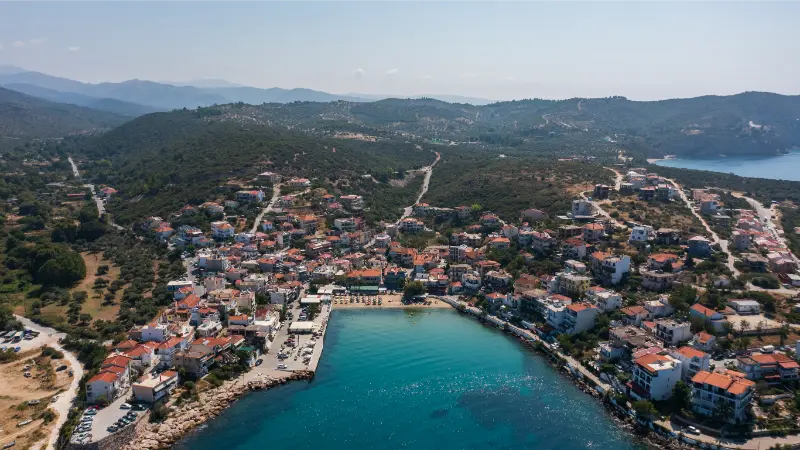
    High Aerial View Skala Marion Beach Thassos Island Greece

    10. Pachis

    Pachis is a practical north-west beach with pine shade and organised sections. It is convenient from Limenas or Skala Rachoni and works well when you want a full beach day without rough access roads.

    11. La Scala

    La Scala near Limenas is a more polished beach-club-style choice. It suits travellers who want facilities and atmosphere rather than a natural empty cove. Check current minimum-spend or sunbed arrangements before committing.

    12. Makryammos

    Makryammos is known for an organised resort setting close to Limenas. Access and visitor arrangements can depend on the resort operation, so confirm current conditions before driving there specifically.

    13. Paradise Beach

    Paradise Beach on the east side is attractive for its broad sand and scenic setting. Wind and waves can change the experience, so use it when conditions suit rather than because the name appears on every list.

    14. Livadi

    Livadi near the Archangel Michael Monastery offers a more rugged south-east setting. It is useful for travellers who want a less resort-like swim and are comfortable with simpler facilities and road access.

    15. Salonikios

    Salonikios in the south is a quieter-feeling alternative to the best-known resort beaches. It can reward travellers who have a car and prefer to spend longer in one less famous place rather than collecting headline beaches.

    How to choose a beach by wind and base

    A beach list becomes useful only when you match it to real conditions. If the east coast is windy, ask locally whether the west or south feels calmer. If you are staying in Potos, a perfect beach near Limenas is not automatically the right choice for a two-hour swim. Geography should eliminate options, not create fear of missing out.

    Beach etiquette and safety

    Do not remove marble, stones or natural material as souvenirs. Respect roped-off areas, private resort rules and environmental restrictions. Park only where you do not block local traffic or emergency access. On unguarded beaches, assess current, depth and shore break yourself. Clear water can look harmless even when wind makes entry or exit uncomfortable.

    Marble Covered Beach Thassos Island Greece

    Getting there and moving around

    Group beaches geographically. From Limenas, explore Pachis, La Scala and Marble Beach on separate, manageable outings. From Golden Beach, focus on the east. From Potos or Limenaria, use Psili Ammos, Pefkari, Metalia, Alyki and the south coast.

    Do not trust a navigation app as the final authority on road suitability. Some famous beaches involve rough or unpaved approaches, and temporary fire-risk restrictions can affect forest areas. Ask locally when in doubt.

    Best time to go

    June and September give the best balance for most beach travellers. July and August have the warmest, busiest resort atmosphere; May and October are quieter but more variable for services and sea temperature.

    Wind direction matters. Keep a beach on a different coast as a backup rather than forcing an exposed beach because it was on the schedule.

    Who this plan works best for

    This list is designed for families, couples, road-trippers and swimmers who want to choose by mood rather than fame. Travellers without a car should prioritise the beaches linked most easily to their base by bus, taxi or walking.

    A realistic way to plan the day

    For a first three-beach sample, use Golden Beach for sand and ease, Alyki for culture plus swimming, and one north-west or south-west beach close to your accommodation. That gives variety without turning the trip into a parking tour.

    If Saliara is essential, make it the only difficult-access beach of the day. Add Limenas or an easy paved-access beach afterward.

    Common mistakes to avoid

    • Trying to visit five beaches in one day.
    • Choosing only by Instagram colour rather than access and comfort.
    • Ignoring wind and shore break.
    • Taking a rental car onto unsuitable roads.
    • Assuming organised services operate identically in every month.

    Useful official context

    The official Visit Greece Thassos page describes the island as the northernmost Greek island, green and mountainous, with a coastal road linking beaches and inland villages. For hiking, the Discover Greece hiking guide identifies Mount Ipsarion as the island’s highest peak at 1,204 metres and describes the popular route from Potamia. Because local access can change during periods of very high fire risk, especially on forest roads and trails, check municipal notices before setting out in summer.

    Tours and activities

    Boat trips, guided excursions and local experiences can be useful when they replace an awkward drive or help you reach coves and viewpoints more efficiently. Compare the exact departure point, duration, transport included and cancellation conditions before booking, because availability changes through the season.

    Frequently asked questions

    What is the best sandy beach in Thassos?

    Golden Beach is the strongest all-round sandy choice for many visitors because of its length, services and easy resort base.

    Aliki Beach Thassos Greece

    Which beach has the clearest turquoise colour?

    Saliara, often called Marble Beach, is famous for very bright aqua water created by the pale marble shoreline.

    Which beach is best with archaeology?

    Alyki is the obvious choice because swimming and ancient remains can be combined in the same stop.

    Do I need a car for the best beaches?

    A car gives the widest choice, but several major beaches and resort areas can be reached by seasonal public transport or taxi.

    Continue planning your Thassos trip

    For the overall island plan, start with the Thassos travel guide. The Alyki and Giola guide is the best companion for the south-east coast, while the new cluster links beaches, villages, hiking and archaeological sights into realistic day plans. For detailed access, use the Golden Beach guide, Marble Beach guide and Limenaria/Potos guide.

    Final practical advice

    Thassos rewards variety: long sand, marble-white coves, resort beaches and quiet corners all exist on the same island.

    Choose two or three beaches that fit your route and conditions, then stay long enough to swim properly. The best beach day is rarely the one with the most pins.

  • Where to Stay in Karpathos: Pigadia, Ammoopi, Arkasa, Lefkos or Diafani?

    Where to Stay in Karpathos: Pigadia, Ammoopi, Arkasa, Lefkos or Diafani?

    Where you stay in Karpathos changes the trip more than it does on many smaller Greek islands. The island stretches a long way from the airport and Afiartis in the south to Olympos and Diafani in the north, with mountain roads separating the coasts. The best base therefore depends on whether you prioritise transport, family beaches, sunset, windsurfing, village atmosphere or northern exploration.

    This article complements the Karpathos Travel Guide rather than repeating it. Karpathos is long, mountainous and more spread out than its map can suggest, so the useful question is not simply what is beautiful, but what fits together in one realistic day. I also link to the Olympos Karpathos Guide where the northern traditions need more detail.

    Olympos Village Cascading Down Mountainside Karpathos Island Greece

    Quick planning summary

    • Pigadia is the most practical all-round base and the strongest choice without a car.
    • Ammoopi is excellent for families and beach-first travellers who want sheltered, shallow water.
    • Arkasa and Finiki suit sunset, west-coast atmosphere and a slower village holiday.
    • Lefkos is strong for a relaxed beach stay with several coves nearby.
    • Afiartis is the sport-first choice for windsurfers.
    • Diafani or Olympos makes sense for travellers who want to experience the far north rather than day-trip it.
    Planning pointPractical approach
    BaseChoose the area that matches your main priority instead of changing hotels every night.
    TransportA car gives the widest freedom; buses, taxis and summer boats work best with a narrower plan.
    WindUse daily wind and sea conditions to decide between exposed and sheltered coasts.
    PaceTwo or three well-chosen stops usually work better than a long checklist.

    Pigadia: best for first trips and no-car travel

    Pigadia offers the widest accommodation choice, restaurants, supermarkets, taxis, buses and harbour boats. The long town beach means you can still swim without a transfer.

    Choose it for a first visit, a short stay or a no-car holiday. The trade-off is that it feels more like a small island capital than a remote Greek-village escape.

    Stay near the harbour for transport and evenings, or slightly north toward the beach for easier swimming.

    Ammoopi: best for families and easy swimming

    The municipality describes Ammoopi’s beaches as sandy, sheltered from wind and shallow, with restaurants and organised facilities. That combination explains why families return here.

    Stay in Ammoopi if the ideal day begins with a short walk to the sea and you are happy to drive or bus into Pigadia for a wider evening choice.

    It is less useful if your priority is hiking in the north or daily village exploration.

    Arkasa: best for west-coast balance

    Arkasa mixes a real village, archaeological interest, restaurants and nearby beaches. It is far enough from Pigadia to feel distinct but still practical for a week with a car.

    Choose Arkasa for sunset, a lived-in atmosphere and access to Finiki, Menetes and the western road.

    The east-coast classics take longer to reach, so group those into dedicated days.

    Finiki: best for harbour atmosphere

    Finiki is smaller than Arkasa and built around a fishing harbour, shallow beach and seafood tavernas. It is ideal for travellers who want evenings to feel quiet and coastal.

    Stay here if you enjoy returning to the same small waterfront rather than choosing from dozens of restaurants.

    With children, the in-village beach is convenient on calm days, but a car expands your options significantly.

    Lefkos: best for a beach-centred week

    Lefkos offers several beaches and coves within one west-coast area, allowing you to choose by wind and mood without long drives. Taverns and accommodation make it comfortable for a slow holiday.

    Bay Greece Holiday Karpathos

    Choose Lefkos if swimming and sunset matter more than nightlife or daily island-wide sightseeing.

    The main compromise is distance: Pigadia, the airport and the far east coast are not next door.

    Afiartis: best for windsurfing

    Afiartis near the airport is the island’s windsurfing centre. Dedicated riders save time by staying near Chicken Bay, Makry Gialos and the other southern spots.

    For non-surfers, strong wind and a limited evening scene can make a sports-focused base feel restrictive. Mixed groups may prefer Ammoopi or Pigadia.

    Decide whether windsurfing is the purpose of the trip or simply one activity before booking.

    Diafani: best for the far north

    Diafani is the second port and the sea gateway to Olympos and Saria. It is quiet, scenic and far from the busier southern half of Karpathos.

    An overnight here transforms the north from a long day trip into a slower experience. It also makes boat trips to Saria and local hiking much easier.

    Do not choose Diafani if you want frequent dinners in Pigadia or daily access to southern beaches; the distance is real.

    Olympos: best for cultural immersion

    Staying in Olympos lets you experience the village outside the busiest excursion hours. Evening and early morning are when its lanes feel most atmospheric.

    Accommodation choice is smaller and the road journey is longer, so this is better as a deliberate one- or two-night experience than a universal base.

    Use the dedicated Olympos guide to plan respectfully around a living community and its traditions.

    One base or a split stay

    For five or six nights, one base is usually simpler. For seven to ten nights, a split between Pigadia/Ammoopi and the north or west coast can reduce driving and create contrast.

    Do not split simply because the island looks long. Every hotel change consumes time, and many travellers prefer one familiar base plus one overnight in Diafani or Olympos.

    A split stay is most useful when it changes the experience, not when it saves only a few kilometres.

    How to choose quickly

    Choose Pigadia for convenience, Ammoopi for family swimming, Arkasa/Finiki for sunset and village atmosphere, Lefkos for a beach-centred week, Afiartis for windsurfing and Diafani/Olympos for the far north.

    Then check practical details: parking, walking gradient, air conditioning, breakfast hours, beach distance and whether the property is actually within the settlement named in the listing.

    The “best” area is the one that removes friction from the activities you care about most.

    Tours and activities

    Availability changes through the season, especially for boat trips and outdoor activities. Compare departure points, cancellation terms and the exact beaches or villages included before booking. The widget below is useful for seeing what is actually running for your dates rather than assuming that every summer excursion operates every day.

    Useful official sources

    Continue planning Karpathos

    For the rest of the island, continue with these dedicated guides: Pigadia Karpathos Guide: Harbour, Beach, Museum, Food and Where to Stay; Arkasa and Finiki Karpathos Guide: Paleokastro, Beaches, Sunset and Where to Stay; Lefkos and Mesochori Karpathos Guide: Beaches, Village Walks, Sokastro and Where to Stay; Karpathos Mountain Villages Guide: Aperi, Othos, Volada, Pyles and Menetes; Apella, Kyra Panagia and Achata Karpathos Guide: Access, Swimming and Boat Trips; Best Beaches in Karpathos: 15 Beaches for Families, Snorkelling, Wind and Scenery; Karpathos Hiking Guide: Best Trails, Lastos, Olympos, Diafani and Saria; Karpathos Windsurfing Guide: Afiartis, Chicken Bay, Wind, Lessons and Where to Stay; Karpathos Without a Car: Buses, Boats, Taxis and the Best Bases; Where to Stay in Karpathos: Pigadia, Ammoopi, Arkasa, Lefkos or Diafani?. The two existing cornerstone articles remain the Karpathos Travel Guide and the Olympos Karpathos Guide.

    Frequently asked questions

    What is the best place to stay in Karpathos for a first visit?

    Pigadia is the easiest all-round choice because it combines transport, restaurants, shops and a beach.

    Where should families stay?

    Ammoopi is especially strong for families because the municipality describes its beaches as sandy, sheltered and shallow.

    Where should couples stay for sunset?

    Arkasa, Finiki and Lefkos are attractive west-coast choices, with Finiki particularly good for a small harbour-and-dinner atmosphere.

    Should I split my stay?

    For a week or longer, one or two nights in Diafani or Olympos can add a very different northern experience, but shorter trips are usually easier from one base.

    Final planning advice

    Karpathos rewards travellers who leave room for the island to set the pace. Distances, mountain roads, wind and boat conditions can change the value of a plan from one day to the next. A flexible itinerary makes it easier to move a beach day, stay longer in a village or choose a sheltered coast when the Aegean is rough.

    Aerial Shot Amoopi Beach With White Buildings Turquoise Water Karpathos Greece

    For a first trip, I would prioritise one strong base, one mountain-village day, one east-coast beach day, one west-coast day and at least one experience that reflects the island’s character beyond the sea. That might be a hike, a windsurf lesson, a slow meal in a fishing village or an overnight in the north. The result feels much more like Karpathos than racing from viewpoint to viewpoint.

    Extra practical notes

    Driving times should be treated as estimates rather than promises. Mountain bends, parking, photo stops and slow local traffic all add time, especially on the route north. If a day plan looks efficient only when every transfer happens perfectly, remove one stop. The island is more enjoyable when there is time for an unplanned café, a second swim or a longer village walk.

    Travellers visiting in July and August should also think about shade and timing rather than only opening hours. The middle of the day can be tiring for village walking and hiking, while beaches become busiest. Early starts, a long lunch or rest, and a second outing in late afternoon often create a more comfortable rhythm and better light for photography.

  • Zakynthos Road Trip: A Realistic 7-Day Itinerary for Beaches, Turtles, Navagio and Villages

    Zakynthos Road Trip: A Realistic 7-Day Itinerary for Beaches, Turtles, Navagio and Villages

    A Zakynthos road trip works best when you divide the island into geographical days instead of trying to collect famous places in order of popularity. The north and west have winding roads and dramatic cliffs, the south is dominated by protected turtle habitat, and the east has the easiest resort beaches and services. Seven days gives enough time to see all of those landscapes without turning every morning into a race.

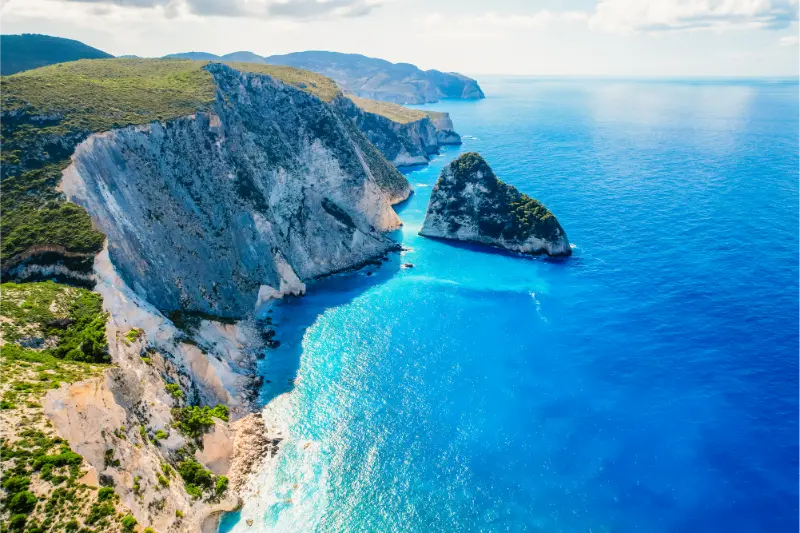
    Plakaki Beach Zakynthos Island Zakynthos Island Greece Views Azure Sea Water Nature With Cliffs Cave

    This itinerary assumes you have a rental car for most days, but it deliberately leaves boat excursions weather-dependent. In 2026, Navagio is a viewing experience rather than a beach landing, so the plan uses the official viewpoint and a boat route that respects the current exclusion rules. If sea conditions cancel a trip, you can swap days without losing the structure.

    For the wider island picture, keep the Zakynthos travel guide open alongside this page. The Zakynthos Town and Bochali guide is useful for evenings and cultural stops, while the Keri Caves and Mizithres guide covers one of the best south-west coast boat areas in more detail.

    7-day Zakynthos road trip overview

    DayAreaMain idea
    1Zakynthos Town & BochaliEasy arrival, culture and sunset.
    2VasilikosGerakas, protected beaches and relaxed swimming.
    3Laganas Bay & MarathonisiResponsible turtle-focused boat day.
    4North-eastXigia, Makris Gialos, Agios Nikolaos and Blue Caves.
    5North-westNavagio viewpoint, villages and permitted boat scenery.
    6West coastPorto Limnionas, Porto Roxa, Keri/Mizithres.
    7FlexibleFavourite beach, weather reschedule or slow resort day.

    Before you rent the car

    Choose a normal compact car unless your accommodation genuinely requires something else. Photograph every panel at pickup, understand the insurance excess and ask explicitly about unpaved roads. Some beach approaches may be unsuitable or excluded by rental terms even when navigation apps suggest them.

    Keep the fuel level healthy before west/north loops, and do not assume every remote area has a convenient petrol station. Parking is easier early in the day at small coves.

    Day 1: Zakynthos Town and Bochali

    Use arrival day for the easiest part of the island. Walk Solomos Square and the waterfront, visit the church of Agios Dionysios if appropriate, then go up to Bochali for views. The detailed Zakynthos Town and Bochali guide gives a two-day version if you have extra time.

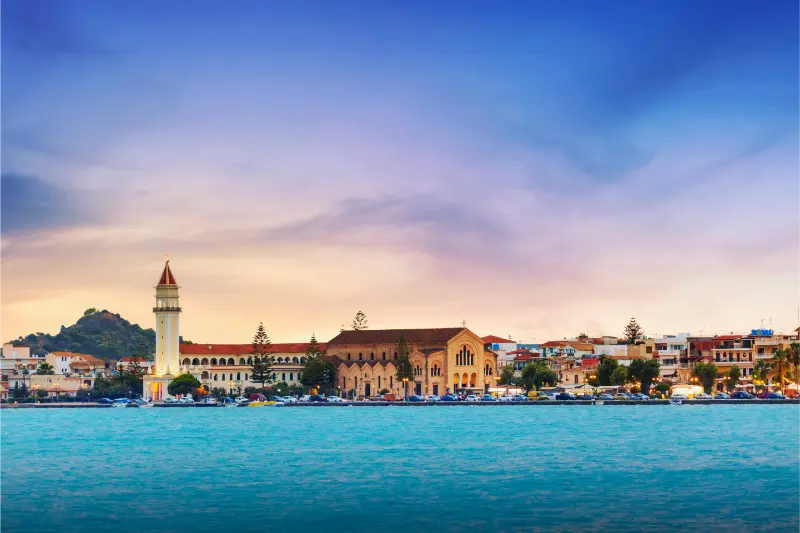
    Evening Sunset Panorama Town Hall Saint Dionysios Church Zakynthos City Ionian Sea Zakynthos Island Greece

    Keeping day one light protects you from delayed flights or ferry connections and lets you learn the car without immediately tackling mountain roads.

    Day 2: Vasilikos and Gerakas

    Drive south-east early for Gerakas, respecting turtle-nesting rules and current opening controls. Continue to Banana Beach, Agios Nikolaos or Porto Roma for an easier organised afternoon. The Vasilikos guide explains the trade-offs among these beaches.

    Do not add Dafni unless you have checked the current road and you are happy to make it the main second stop. Two beaches are enough for one day.

    Day 3: Laganas Bay and Marathonisi

    Leave the car parked for much of the day and take a responsible boat into the protected marine area. Use the Marathonisi guide to choose an operator that treats turtle encounters ethically.

    After the boat, stay on the south coast for dinner. Avoid crossing to the north simply because you still have daylight; the point of a seven-day trip is not to fill every empty hour.

    Day 4: Xigia, Makris Gialos and Blue Caves

    Start early at Xigia before parking pressure builds, continue to Makris Gialos for a snorkel, then have lunch around Agios Nikolaos. Take a Blue Caves boat if the sea is suitable. This is one of the most efficient geographical days because every stop lies along the same north-east route.

    Use the Blue Caves guide and the Xigia/Makris Gialos guide for detailed timing.

    Day 5: Navagio viewpoint and north-west villages

    Visit the official Navagio clifftop viewpoint and stay behind all barriers. Under the 2026 rules you cannot land on the beach or swim in the bay. If you book a boat, expect an offshore viewing stop and legal swimming elsewhere.

    Continue through Volimes/Anafonitria areas and allow time for a slow lunch. Read the 2026 Navagio guide before paying for any excursion using old beach-landing photos.

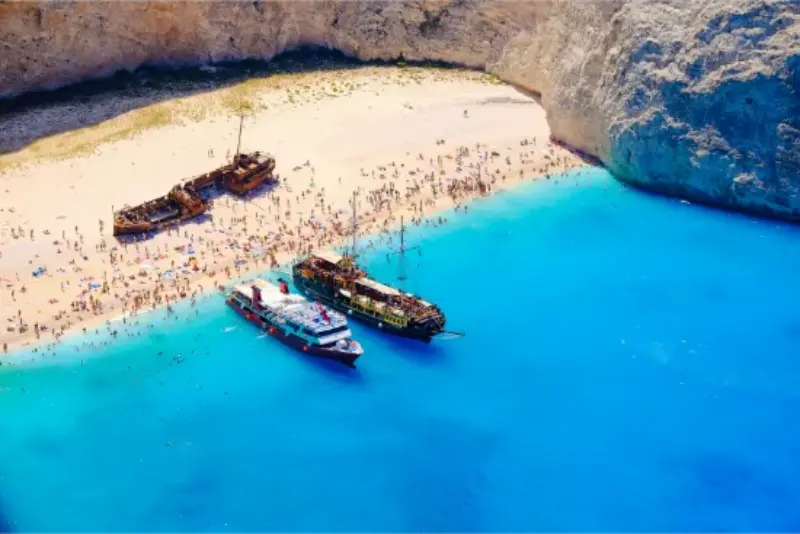
    Beach Of Navagio Zakynthos Greece

    Day 6: west coast, Porto Limnionas and Keri

    The west-coast day is for deep-water scenery. Swim at Porto Limnionas only if conditions are calm and your group is comfortable with rocky access, then move toward Porto Roxa or Keri. Finish around Keri/Mizithres if you want sunset, but plan the drive back before darkness.

    The Porto Limnionas and Porto Roxa guide and Keri/Mizithres guide cover the details.

    Day 7: flexible weather day

    This is the day that makes the itinerary realistic. Use it to rebook a cancelled Blue Caves or turtle trip, return to the beach your family loved most, or stay near the hotel. A flexible day is not wasted time; it prevents one windy morning from breaking the entire holiday.

    If every earlier plan worked, use the day for Alykes/Tsilivi, a long lunch inland or a second visit to Zakynthos Town.

    Where to base yourself for this road trip

    A central/east base such as Tsilivi or near Zakynthos Town reduces average driving. Kalamaki is also practical and gives easy south-coast access. Staying in Vasilikos is beautiful but adds time to northern road trips; staying in Alykes does the reverse.

    One-base travel is simplest. I would only split the week between north and south if you strongly prefer changing hotels to repeated drives.

    Driving times: why the map misleads

    Zakynthos is compact, but mountain roads, resort traffic, parking and photo stops stretch travel time. The direct distance between two coasts is not the time you actually spend moving. Add at least 20–30 percent to optimistic navigation estimates on busy days.

    Drive defensively around scooters and ATVs, and do not use your phone while moving. Pull over safely to check directions.

    Road-trip essentials

    • Offline maps and a phone charger.
    • Water, hat and swim shoes for rocky coves.
    • Small cash reserve even if you usually pay by card.
    • Copies/screenshots of rental insurance and roadside-assistance contacts.
    • A flexible boat day because wind can change departures.

    How to adapt the route without a car

    You can reproduce parts of this itinerary using KTEL buses and organised excursions, especially Laganas/Kalamaki, Tsilivi and common boat departures. What becomes difficult is linking small west/north coves independently. In that case, book one full-island road tour or rent a car for two days rather than trying to force public transport into a multi-stop road trip.

    The official KTEL Zakynthos site should be your reference for the current seasonal schedule.

    Tours and bookable experiences

    If you prefer to organise transport and timing in advance, compare current small-group and boat experiences below. Check the exact departure point, cancellation rules, accessibility, shade and swim-stop details before paying, because routes can change with weather and local restrictions.

    Parking strategy

    The easiest road-trip habit is to arrive at small coves before the late-morning rush and save large resort beaches for the afternoon. Never block access roads or local driveways simply because other cars are parked badly. If a cove is full, continue to the backup stop rather than turning a scenic day into a parking battle.

    Food and rest days

    A road trip does not require eating every meal in the car. Plan one long lunch per driving day and keep at least one evening completely local to your hotel. That rhythm reduces fatigue, allows everyone to enjoy Greek meals rather than snack between stops and makes the seventh flexible day feel like a deliberate part of the holiday rather than recovery from overplanning.

    One final practical planning rule

    For this part of Zakynthos, I would also keep one simple rule: do not let the distance on the map dictate the pace of the day. Summer traffic, narrow village roads, parking, heat and sea conditions can easily add time. Check the weather and any protected-area restrictions in the morning, save important meeting points offline, and keep a second beach or village in mind in case the first stop is crowded or the sea is rough. If you are travelling with children, older relatives or anyone with limited mobility, make the access route part of the decision—not an afterthought. A slightly less famous place that everyone can reach comfortably is usually a better holiday experience than forcing a difficult stop because it appeared on a “must-see” list.

    Frequently asked questions

    Is seven days enough for Zakynthos?

    Yes. Seven days gives enough time for the main coasts, one or two boat trips and a weather buffer without rushing.

    Do I need a car for the whole week?

    Not necessarily. You can rent for four or five days and use buses/taxis on resort or boat days.

    Can I visit Navagio beach on this itinerary?

    You can see Navagio, but under the 2026 restrictions you cannot land on the beach or swim in the bay. Use the official viewpoint and a compliant boat tour.

    Which day should be flexible?

    Keep the final or penultimate day open because sea excursions are most vulnerable to wind and swell.

    Is this itinerary good for families?

    Yes if you reduce deep-water west-coast swimming for young children and protect rest time. Substitute sandy beaches whenever needed.

    Final thoughts

    A seven-day Zakynthos road trip should feel varied, not frantic. Keep each day geographically coherent, let boat plans move with the weather and respect the island’s protected turtle beaches and 2026 Navagio restrictions. The result is a much better sense of Zakynthos than a checklist built around one famous cove.

  • Anafi Hiking Guide: Official Trails, Kastelli, Vigla, Kalamos and Coastal Walks

    Anafi Hiking Guide: Official Trails, Kastelli, Vigla, Kalamos and Coastal Walks

    Walk Anafi using its official trail network, including Chora–Roukounas, Kastelli, Vigla, Kalamos and shorter coastal routes.

    This guide is written for independent travellers who want practical detail rather than a checklist. Distances on Anafi are short, but heat, wind and limited transport can make a simple day more demanding than it appears on a map. The best plans leave margin and use Chora as the logistical anchor.

    Quick planning notes

    • Base yourself in Chora for the easiest transport and evening logistics.
    • Check the current ferry and local bus schedule close to travel.
    • Start exposed walks early and carry more water than you expect to drink.
    • Keep one alternative beach or walking plan for windy days.

    The official path network

    Anafi publishes a useful network of marked routes rather than leaving hikers to improvise. Route 1 links Chora with Roukounas, Megas Potamos and Zoodochos Pigi over about 7.8 km; Route 2 links Roukounas, Kastelli, Agios Mamas, the monastery and Kalamos over about 9 km. These distances are modest on paper but sun, rocky ground and elevation make them more demanding than an urban walk.

    Anafi Island Greece

    the island publishes a useful network of marked routes rather than leaving hikers to improvise. Route 1 links the main village with Roukounas, Megas Potamos and Zoodochos Pigi over about 7.8 km; Route 2 links Roukounas, Kastelli, Agios Mamas, the monastery and Kalamos over about 9 km. These distances are modest on paper but sun, rocky ground and elevation make them more demanding than an urban walk. In practice, the most useful approach is to slow down, confirm the day’s conditions locally and avoid linking too many stops into one itinerary. This creates time for swimming, shade, meals and unexpected delays rather than turning a small island into a race.

    Kastelli and the ancient city

    Kastelli preserves the remains of ancient Anafi, including walls, tomb complexes, reservoirs and a Roman sarcophagus near Panagia sto Dokari. Reaching it on foot gives the archaeology more context than arriving only for a quick look. Do not climb on ruins or move stones, and remember that the exposed terrain offers little shade.

    Kastelli preserves the remains of ancient the island, including walls, tomb complexes, reservoirs and a Roman sarcophagus near Panagia sto Dokari. Reaching it on foot gives the archaeology more context than arriving only for a quick look. Do not climb on ruins or move stones, and remember that the exposed terrain offers little shade. In practice, the most useful approach is to slow down, confirm the day’s conditions locally and avoid linking too many stops into one itinerary. This creates time for swimming, shade, meals and unexpected delays rather than turning a small island into a race.

    Vigla and interior routes

    Vigla, at 586 metres, is the island’s highest mountain and sits in the interior rather than directly on the coast. Routes in this zone reveal a different Anafi: broader ridges, old chapels and long views instead of beaches. Navigation deserves attention because the visual simplicity of the terrain can hide trail junctions. Save the official route map offline before leaving Chora.

    Anafi Island Greece

    Vigla, at 586 metres, is the island’s highest mountain and sits in the interior rather than directly on the coast. Routes in this zone reveal a different the island: broader ridges, old chapels and long views instead of beaches. Navigation deserves attention because the visual simplicity of the terrain can hide trail junctions. Save the official route map offline before leaving the main village. In practice, the most useful approach is to slow down, confirm the day’s conditions locally and avoid linking too many stops into one itinerary. This creates time for swimming, shade, meals and unexpected delays rather than turning a small island into a race.

    Chora to south-coast walking

    Shorter combinations from Chora toward Roukounas or nearby beaches are ideal for travellers who want walking without committing to a mountain day. The mistake is starting at midday because the route looks short. Even a two-hour walk becomes uncomfortable in direct summer sun, and a beach stop can tempt you to delay the return until after bus or daylight margins disappear.

    Shorter combinations from the main village toward Roukounas or nearby beaches are ideal for travellers who want walking without committing to a mountain day. The mistake is starting at midday because the route looks short. Even a two-hour walk becomes uncomfortable in direct summer sun, and a beach stop can tempt you to delay the return until after bus or daylight margins disappear. In practice, the most useful approach is to slow down, confirm the day’s conditions locally and avoid linking too many stops into one itinerary. This creates time for swimming, shade, meals and unexpected delays rather than turning a small island into a race.

    Gear and water

    Use closed walking shoes with grip, carry at least enough water for the full route plus reserve, and take sun protection that stays on in wind. Trekking poles are optional but useful on loose descents. A phone is not a complete navigation system: download the route, tell someone where you are going and do not rely on a signal in every hollow or cove.

    Use closed walking shoes with grip, carry at least enough water for the full route plus reserve, and take sun protection that stays on in wind. Trekking poles are optional but useful on loose descents. A phone is not a complete navigation system: download the route, tell someone where you are going and do not rely on a signal in every hollow or cove. In practice, the most useful approach is to slow down, confirm the day’s conditions locally and avoid linking too many stops into one itinerary. This creates time for swimming, shade, meals and unexpected delays rather than turning a small island into a race.

    When to hike

    May, June, September and October are generally more forgiving than peak-summer afternoons, although ferries and services vary outside the core season. In July and August, start at first light and use beaches or Chora during the hottest hours. If strong wind is forecast, choose lower inland or coastal walking rather than exposed Kalamos sections.

    May, June, September and October are generally more forgiving than peak-summer afternoons, although ferries and services vary outside the core season. In July and August, start at first light and use beaches or the main village during the hottest hours. If strong wind is forecast, choose lower inland or coastal walking rather than exposed Kalamos sections. In practice, the most useful approach is to slow down, confirm the day’s conditions locally and avoid linking too many stops into one itinerary. This creates time for swimming, shade, meals and unexpected delays rather than turning a small island into a race.

    Planning around wind and heat

    Anafi is exposed to the Aegean, so weather should shape the day rather than sit in the background. In midsummer, schedule exposed walking before 10:00 and again after the strongest heat. Wind can make one coast uncomfortable while another feels manageable. Check the forecast, but also ask locally because residents understand how a particular direction affects Roukounas, Kleisidi and the Kalamos side. Build at least one flexible day into a four- or five-night stay.

    Water, cash and phone coverage

    Carry water before leaving Chora, especially on trails and remote beach days. Card acceptance is common in many businesses, but a modest cash reserve is useful for small purchases or temporary terminal problems. Save ferry tickets, accommodation directions and bus information offline. Mobile service is generally useful around settled areas, yet no hiker should rely on continuous signal as a safety system.

    Responsible travel on a small island

    Anafi’s appeal depends on low-density landscapes, clean beaches and a small resident community. Take rubbish back to Chora when bins are not available, stay on established paths, avoid removing stones or archaeological material and keep noise low around chapels and monasteries. Water and waste systems on small Cycladic islands face heavy summer pressure, so short showers and refillable bottles are practical environmental choices rather than symbolic gestures.

    Booking strategy

    July and August need earlier accommodation booking than the island’s quiet reputation might suggest because room supply is limited. Ferries also deserve attention: a small number of weekly departures can make one missed connection expensive. Reserve the critical pieces first—ferry, room and any must-do excursion—then keep meals and beach choices more spontaneous. Shoulder-season visitors should confirm opening dates because services reduce outside the main summer period.

    What to pack

    Bring closed walking shoes, sandals with reliable grip, a hat that stays on in wind, high-SPF sunscreen, a light long-sleeve layer, refillable water bottle and a small daypack. A headlamp is useful for early or late walks, while a compact first-aid kit helps with blisters and minor scrapes. If you are arriving on an overnight ferry, keep the first morning simple rather than starting a major hike sleep-deprived.

    How long to stay

    Two nights only show the surface of Anafi. Three nights allow Chora, one strong beach day and one major outing, while four or five nights create enough margin for Kalamos, Roukounas and a second hike without racing. Travellers who love walking can easily use a week. The island rewards repetition: the same Chora viewpoint or beach can feel completely different as light and wind change.

    Useful official information

    Municipality of Anafi publishes practical information on trails, sights, churches and beaches. For current ferry times, compare the actual sailing date before travel because frequencies change by season.

    Accommodation and activities

    Compare accommodation on Booking.com. For guided activities and bookable experiences in the wider Cyclades, compare the exact departure island before paying.

    Related Anafi guides

  • Mani Peninsula Road Trip: Areopoli, Caves, Tower Villages and a 5-Day Itinerary

    Mani Peninsula Road Trip: Areopoli, Caves, Tower Villages and a 5-Day Itinerary

    The Mani Peninsula is one of the most distinctive road-trip regions in Greece. Stone tower houses, bare mountains, small coves and villages built from the same rock as the landscape create a feeling that is completely different from both the islands and the greener parts of the Peloponnese.

    I would add Mani to the Peloponnese road trip after Monemvasia or before Kalamata. The key is not to race around the peninsula in one day: the roads are slow and the atmosphere is the point.

    Why visit Mani?

    Areopoli is the historic gateway to Inner Mani, with stone lanes and tower houses. From there the road passes coastal Limeni, the Diros cave area, Gerolimenas, stark tower villages such as Vathia and eventually the walking route toward Cape Tainaron at the southern end.

    The landscape looks austere, but that is exactly what makes it memorable. Olive groves, rocky slopes, Byzantine churches and tiny bays appear between long stretches of stone and open sea.

    Where to stay

    Areopoli

    The best all-round base for restaurants, atmosphere and access to both the west coast and the inner peninsula.

    Limeni

    A beautiful seaside base with clear water and sunset views, ideal for couples but often more expensive and less practical for parking.

    Gerolimenas

    A useful southern base that shortens drives to Vathia and Cape Tainaron and creates a stronger sense of being inside Deep Mani.

    Best things to do

    Walk Areopoli

    Explore early morning or evening when the stone streets are cooler and the central square is at its most atmospheric.

    Swim at Limeni

    The harbour water can be extraordinarily clear. Enter carefully because much of the waterfront is rocky rather than a conventional sandy beach.

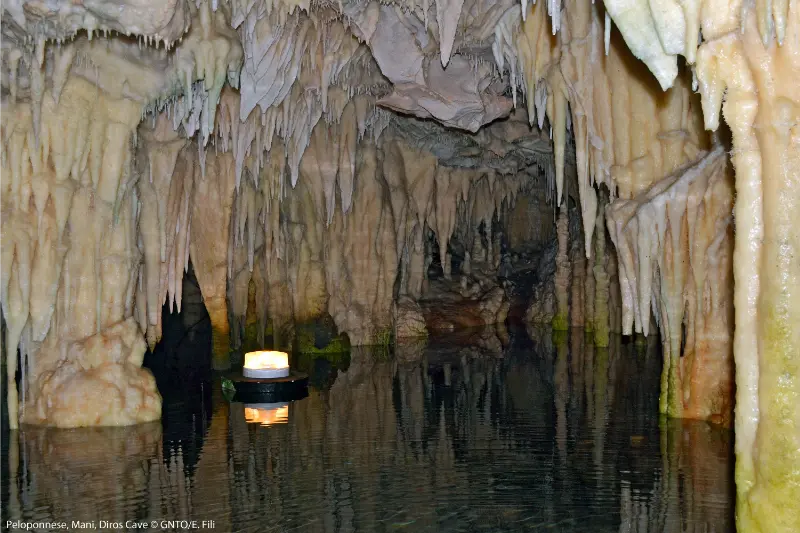
    Visit the Diros caves

    The cave system is one of the region’s signature experiences. Operating conditions and ticket procedures can change, so verify official information before driving there.

    Peloponnese Mani Diros Caves

    Explore Gerolimenas and Vathia

    Gerolimenas provides a coastal pause, while Vathia is known for its dramatic cluster of tower houses. Respect private property and unstable structures.

    Walk toward Cape Tainaron

    The southern tip has an exposed trail through a powerful coastal landscape. Start with water, sun protection and enough time to return before dark.

    Stop at small Byzantine churches

    Some of Mani’s most rewarding cultural moments are tiny roadside churches rather than large museums. Dress respectfully and do not assume every building will be open.

    Beaches and swimming

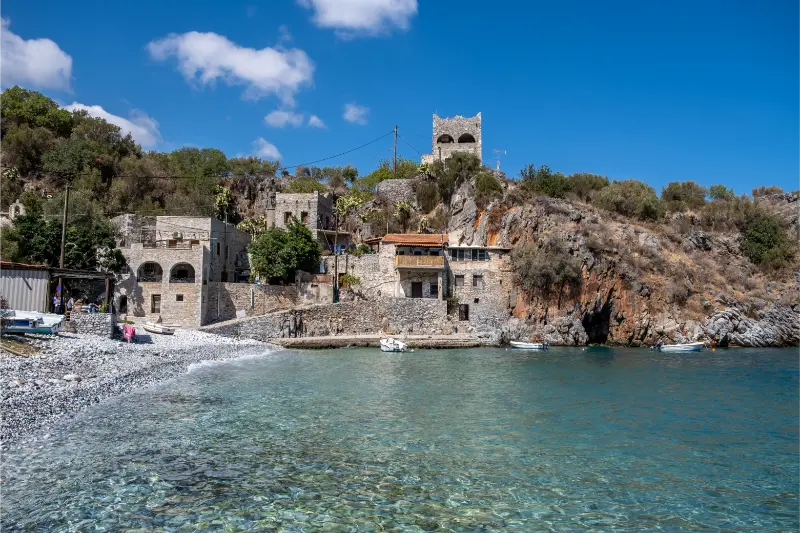
    Mani is not a classic beach-resort coast. Expect pebble coves, rocky swimming platforms and small beaches, often with spectacularly clear water. This is a region where one good swim stop can be more rewarding than trying to collect five beaches in a day.

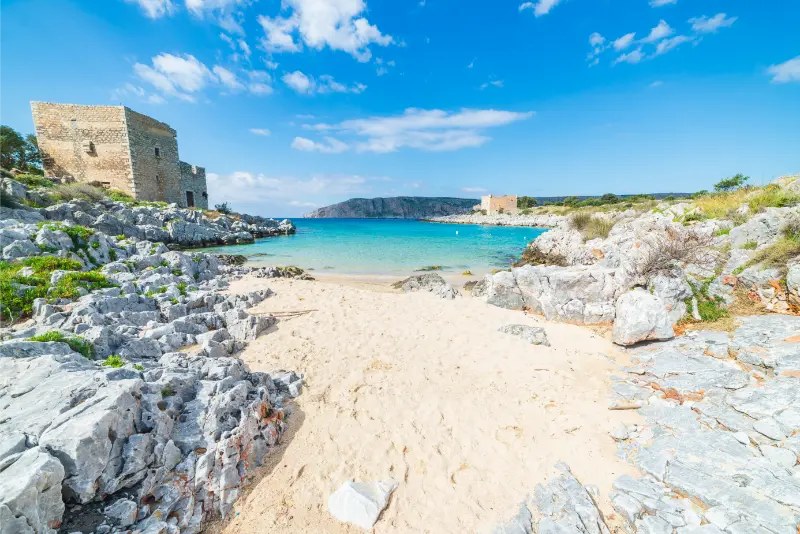
    Greece Rocky Beach Moored Boat Calm Sea Mani Laconia Peloponnese Crystal Clear Water

    Food

    Look for olive oil, local cheeses, cured pork, simple meat dishes, pies and seasonal vegetables. Areopoli has the broadest restaurant choice, while small villages reward flexible travellers who are happy to eat what is available.

    How to get there

    Most international travellers reach Mani by road. Kalamata is a useful western gateway, while routes from Athens usually pass through the Peloponnese motorway network before turning south.

    Getting around

    A car is close to essential for a full peninsula itinerary. The roads are paved but often narrow and winding. Drive conservatively, especially at night and around villages where local traffic, pedestrians and animals can appear suddenly.

    A realistic 5-day itinerary

    Day 1 – Areopoli and Limeni

    Arrive, explore the stone town and swim or dine by the water.

    Day 2 – Diros and west coast

    Visit the cave area, then choose one coastal village or beach rather than several.

    Day 3 – Gerolimenas and Vathia

    Move south slowly and stay overnight in Deep Mani.

    Day 4 – Cape Tainaron

    Hike the cape route, then return north without adding a major evening drive.

    Day 5 – Eastern Mani or onward to Monemvasia

    Use the final day for the east side or continue toward the next Peloponnese base.

    How I would plan the trip

    I would build a trip to Mani Peninsula around geography rather than a list of attractions. Choose one main area for each day, add only nearby stops, and keep at least one half-day flexible. On a Greek region, the distance on the map rarely tells the full story: narrow roads, parking, ferry schedules, heat and the temptation to stop at an unexpected beach can all stretch a simple transfer.

    Beach Water Bay Greek Coast Line Turquoise Blue Transparent Water White Pebbles Greece Mani Peninsula Peloponnese

    Transfer days deserve their own space in the itinerary. A morning ferry, a rental-car pickup or a mountain drive can consume more time than the timetable suggests once luggage, check-in and meals are included. Treating those hours as real travel time is one of the easiest ways to make the holiday feel relaxed rather than rushed.

    Best time to visit

    For a first trip to Mani Peninsula, late spring and early autumn are usually the easiest seasons to balance warm weather with a calmer pace. July and August bring the most reliable beach conditions but also the highest demand, stronger midday heat and more pressure on parking and accommodation. In shoulder season, some seasonal services may run less frequently, so transport and opening times should be checked close to the trip.

    If walking, archaeological sites or road trips are central to the plan, I would avoid putting the most exposed activities in the middle of the day. Start early, leave the hottest hours for lunch or swimming, and return to villages and viewpoints later in the afternoon.

    Budget and booking strategy

    Accommodation prices can change dramatically by month and by exact location. I compare the total cost of the stay rather than the room rate alone: a cheaper property can become less attractive if it requires daily taxis, long drives or paid parking. On small islands and in mountain regions, location is often worth more than an extra category of hotel.

    Ferry timetables, domestic flights, rental-car prices and boat excursions are dynamic. I would book the fixed parts of the trip first, then leave weather-dependent activities flexible where possible. Always recheck schedules a few days before travel and again on the day when sea conditions are relevant.

    Practical mistakes to avoid

    The most common mistake in Mani Peninsula is trying to see too much in too little time. A better trip usually comes from choosing fewer bases, driving the same roads less often and leaving space for a beach, village or meal that turns out to be better than expected.

    Do not assume every attractive cove has easy access, shade, facilities or reliable phone coverage. Carry water, sun protection and shoes suitable for uneven ground. Download an offline map before remote drives or hikes, and ask locally before taking a rental car onto rough roads that may not be covered by the rental agreement.

    Who this destination suits

    Mani Peninsula works especially well for independent travellers who enjoy combining landscapes with local food and small-scale sightseeing. Couples can build days around beaches, sunset walks and slow dinners, while solo travellers gain flexibility to follow weather and transport conditions. Families can also enjoy the destination, but the most comfortable plan usually uses fewer bases and avoids very long transfer days.

    Travellers with limited mobility should check accommodation access carefully. Historic villages can have steep lanes, steps and parking outside the centre, while some beaches require rough paths or stairways. A beautiful location on a map is not always the most practical base for every traveller.

    How to combine it with the rest of Greece

    Mani fits naturally between Monemvasia and Kalamata. It can also form the southern half of the larger Peloponnese road trip, with Mycenae, Epidaurus and Ancient Olympia covering other periods of the region’s history.

    Frequently asked questions

    How many days do I need in Mani Peninsula?

    For a first visit, four to seven days usually gives enough time to understand the destination without turning every day into a transfer. A shorter stay can work if you focus on one area and accept that you will leave some places for another trip.

    Do I need a car?

    It depends on the destination and your base, but a car is often the easiest way to reach beaches, villages and archaeological sites away from the main town. If you prefer not to drive, choose accommodation around the strongest public-transport hub and build the itinerary around available buses, boats and organised excursions.

    Is it suitable for a first trip to Greece?

    Yes, provided you match the destination to your travel style. It is particularly rewarding for travellers who want to go beyond the most famous Greek islands while still having enough infrastructure for an independent holiday.

    Should I book everything in advance?

    Book the parts that can sell out or determine the structure of the trip, such as peak-season accommodation, flights and important ferry connections. Keep beach days and weather-sensitive excursions more flexible whenever cancellation terms allow.

    What should I pack?

    Bring sun protection, a reusable water bottle, comfortable walking shoes and a light layer for windy evenings or mountain areas. For beach-heavy itineraries, water shoes can be useful on pebbled or rocky shores.

    Final advice

    The best way to experience Mani Peninsula is to resist the temptation to turn it into a checklist. Spend enough time in one area to notice the rhythm of the place, eat where the day naturally takes you, and leave room for local recommendations. That slower approach is what makes a second-tier destination in the guidebooks feel like a first-rate travel experience.

    Useful official information

    For destination information and current travel inspiration, consult the Greek National Tourism Organisation: Visit Greece. Transport timetables, seasonal opening hours and excursion schedules should always be checked again close to your travel dates.

    Outer Mani and Deep Mani

    It helps to understand Mani as more than one visual zone. The northern approaches are greener and more connected to larger towns, while Deep Mani becomes progressively rockier, with tower settlements and a stronger sense of isolation.

    This change is why the south deserves an overnight stay. Driving to Vathia and Cape Tainaron and back to Kalamata on the same day is possible on paper but removes most of the pleasure from the route.

    More detailed Peloponnese planning

    Continue with Diros Caves Guide; Areopoli and Limeni Guide for more detailed planning.

    For useful Mani bases before or after the peninsula circuit, see our Gytheio travel guide and Kardamyli travel guide.

    For more ideas in this part of the Peloponnese, continue with Cape Tainaron and Vathia, Gerolimenas, Oitylo and Neo Oitylo.

    Continue planning Laconia with Laconia road trip.

    Continue planning Laconia with Skoutari, Kotronas and Flomochori.

    More Laconia planning: Kokkala, Alypa Beach, Tigani Peninsula.

  • Where to Stay in Poros: Town, Askeli, Neorio or Monastiri? Best Areas Compared

    Where to Stay in Poros: Town, Askeli, Neorio or Monastiri? Best Areas Compared

    Where to Stay in Poros is the kind of Poros experience that rewards practical planning more than a long checklist. The island is compact, green and closely connected to the Peloponnese, so you can combine town life, swimming and history without spending hours in transit. The challenge is deciding what belongs in the same day and what deserves its own slower visit.

    I would approach this as a guide for travellers choosing a base before booking accommodation. The most useful base is usually Poros Town for transport, Askeli for beach convenience, Neorio for greenery and quieter evenings. If you have extra time, pair the plan with your accommodation choice with the transport style you actually plan to use. The details below focus on how the place actually fits into a holiday rather than simply listing sights.

    Quick planning summary

    QuestionPractical answer
    Best fortravellers choosing a base before booking accommodation
    Ideal pacechoose one base for stays under five nights; split only if you have a week and genuinely want two moods
    Best basePoros Town for transport, Askeli for beach convenience, Neorio for greenery and quieter evenings
    Pair it withyour accommodation choice with the transport style you actually plan to use

    Poros Town: best for first visits and no-car trips

    Poros Town is the easiest base for ferries, taxis, restaurants and evening walks. You can arrive with luggage, settle in quickly and explore without waiting for transport. The clock tower, museum and waterfront are nearby, while beaches remain reachable by bus or taxi. For a two- or three-night first visit, this convenience usually outweighs the lack of a major resort beach directly outside the door.

    The main decision is elevation. Harbour-level rooms reduce stairs and simplify luggage; hillside rooms can offer better views and quieter nights but demand more climbing. Ask about the exact route before booking, especially if you have a stroller, large suitcase or mobility limitations.

    Askeli: best for a classic beach holiday

    Askeli is the strongest choice when the beach is the centre of the trip. It has a broad range of accommodation, dining and water-sports services and remains close enough to Poros Town for regular evenings there. Families appreciate the practical setup, while couples who prefer to swim before breakfast may value it more than the harbour.

    Check how far uphill the property sits. “Askeli” can describe accommodation that is physically close to the beach on a map but involves a steep return. If you plan to eat in Poros Town most nights, factor transport costs into the room price.

    Neorio: best for pines, swimming and a softer pace

    Mikro and Megalo Neorio appeal to travellers who want a greener setting and easy access to western coves. The atmosphere feels less urban than Poros Town, and Love Bay and Russian Bay are natural additions to a west-coast stay. This is a good choice for couples and repeat visitors who already know they do not need the harbour outside the door.

    Services are more limited than in town, so check the walking distance to restaurants and the current bus pattern. In shoulder season, an area that is lively in August can become very quiet. That may be exactly what you want, but it should be an informed choice.

    Monastiri and the east: best for quiet, with caveats

    The Monastiri side offers deep clear water, greenery and proximity to Zoodochos Pigi Monastery. It can be wonderfully peaceful, but it is not the easiest area for travellers who want a broad restaurant choice or frequent late-night transport. I see it more as a beach destination than the default base for a first car-free trip.

    If you find accommodation here, ask about dining, grocery access and evening transport before paying. A scenic room can be perfect for a self-contained slow holiday and inconvenient for a traveller who wants to be in Poros Town every night.

    Who should stay where?

    First-time visitors and no-car travellers: Poros Town. Families who want a serviced beach: Askeli. Couples prioritising pine coves: Neorio. Travellers seeking a quiet retreat and willing to plan transport: Monastiri or a more secluded property. Day trippers should not worry about accommodation at all; focus on ferry timing and one area of the island.

    There is no universally “best” part of Poros. The right area is the one that minimises repeated transport for the activities you care about. A cheaper room in the wrong place can cost more once daily taxis are added.

    Booking details that matter more than star rating

    Ask about stairs, road noise, air conditioning, parking if relevant, exact beach access and whether reception can arrange taxis. For sea-view properties, confirm whether the view is from your actual room category rather than a communal terrace. Families should ask about cot space and the route to the beach; couples may care more about balcony privacy and nighttime noise.

    In July and August, reserve earlier for the best-located rooms. In May, June, September and October, you may find better value but should check which seasonal restaurants and beach services remain open. A strong shoulder-season hotel is one with easy town access, not one that depends entirely on summer beach infrastructure.

    How much time should you allow?

    For this plan, choose one base for stays under five nights; split only if you have a week and genuinely want two moods. Poros is compact enough to encourage overplanning, but short distances do not mean every stop belongs in the same day. Travel time, waiting for a bus or taxi, swimming, changing clothes and sitting down for a meal all use time that does not appear on a map.

    A useful rule is one main area in the morning and one in the afternoon. If you are staying several nights, leave at least one unstructured half-day. Poros is at its best when you have time to choose a beach based on that day’s wind and to stay longer at a waterfront table when the atmosphere is good.

    Transport and realistic day planning

    The official Poros municipality tourism site lists buses, taxis, sea transportation and ferry boats to and from Galatas. Frequencies are seasonal, so I would not build a trip around an old timetable. Photograph the current schedule when you arrive, save one taxi contact and keep the final part of any ferry-departure day close to Poros Town.

    If you rent a car or scooter, use it to reach places that are genuinely awkward by public transport rather than moving it for every meal. Parking can be more stressful than walking in the compact town. For isolated beaches or the Temple of Poseidon, agree on a return plan before a taxi drops you off.

    Best time of year for this Poros experience

    Late spring and September are especially attractive for travellers who want warm days, walking and swimming without the peak pressure of July and August. High summer brings the broadest beach services and liveliest evenings, but small coves fill faster and midday heat makes exposed archaeological or uphill walks less comfortable.

    Poros also works outside the classic beach season because the town, mainland connection and cultural sights do not disappear when sunbeds do. In cooler months, verify ferry frequency, museum hours and seasonal restaurants before booking. The trip becomes more about walking, food and local atmosphere than swimming.

    Food, water and the rhythm of the day

    Build meals into the itinerary rather than treating them as gaps between attractions. Poros Town has the widest choice, while Askeli, Neorio and other beach areas have seasonal options. In summer, a long lunch during the hottest hours can be smarter than forcing another walk. Carry water even when you expect a beach bar to be open.

    For seafood, ask about price by weight before ordering larger fish and compare a few menus. Lemon is part of the area’s identity because of the Lemon Forest opposite the island, but the best meals are often simple Greek dishes rather than elaborate themed menus. Leave room for seasonal fruit and a waterfront coffee.

    Who will enjoy this most?

    This plan is particularly good for travellers choosing a base before booking accommodation. Couples benefit from the island’s short distances and evening waterfront, families can keep transfers brief, and solo travellers can base themselves in Poros Town without needing a vehicle. The main adjustment is pace: children and less-mobile travellers need fewer uphill walks and more certainty about return transport.

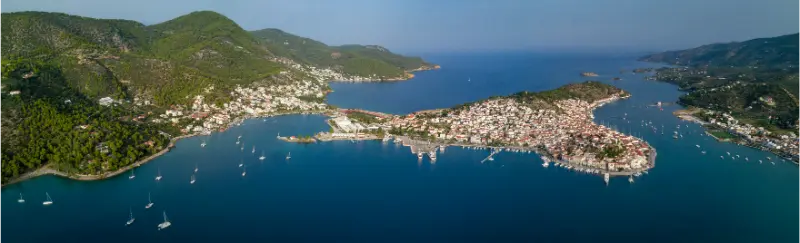
    Travellers seeking intense nightlife or huge resort beaches may prefer another Greek island. Poros is strongest as an easy, green Saronic escape where town life, pine coves and mainland access sit close together. That compactness is a feature, not an invitation to schedule every hour.

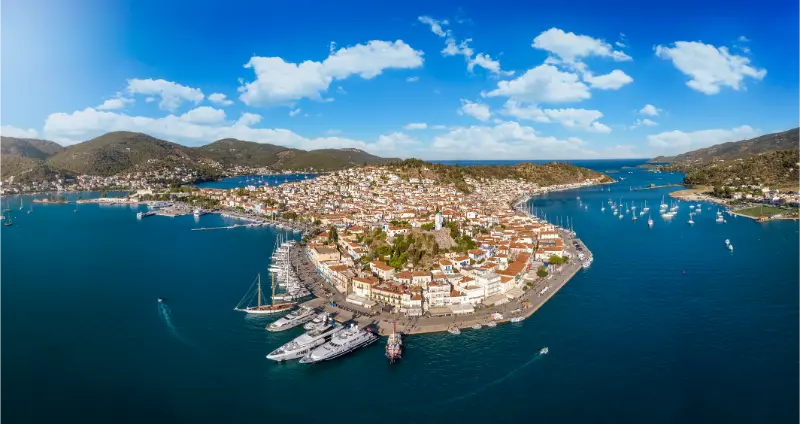
    Panoramic Aerial Shot Island Poros Greece Daylight

    Budget and booking strategy

    Compare the total cost of location, not only the room price. A cheap property far from town can create repeated taxi costs, while a central room may remove most evening transport. The same logic applies to ferries: a faster service may cost more but create meaningful extra time on a short trip.

    In July and August, book well-located accommodation and popular ferry departures earlier. For shoulder season, flexibility can save money, but verify that the beach services or water-sports operators you care about are running. Museum and archaeological opening patterns can also differ from summer schedules.

    What to pack

    • Shoes with grip for the clock-tower lanes, archaeological ground and uneven coastal paths.
    • A refillable water bottle, hat and high-SPF sunscreen for summer.
    • A light cover-up for Zoodochos Pigi Monastery and other religious sites.
    • A small dry bag for water taxis, beach days and boat crossings.
    • A downloaded ferry ticket and screenshots of current local transport information.

    Keep the beach bag lighter than you think. Poros is easy when you can switch from town to bus or boat without carrying a full day’s luggage. Buy heavy water locally and keep valuables in a small bag you can take onto ferries and water taxis.

    Common mistakes to avoid

    • Trying to visit Poros Town, three beaches, the Temple of Poseidon and Lemonodasos in one day.
    • Assuming a small cove will have unlimited shade or sunbeds in August.
    • Using last year’s bus or ferry timetable without checking current service.
    • Booking a hillside room without asking about stairs and luggage access.
    • Walking long exposed road sections at midday simply because the island looks small on a map.
    • Ignoring summer fire-risk restrictions in pine-covered areas.

    More Poros guides

    Continue planning with Poros Town Guide: Clock Tower, Waterfront, Museums, Food and Where to Stay; Askeli and Monastiri Poros Guide: Beaches, Monastery, Water Sports and Where to Stay; Love Bay and Russian Bay Poros Guide: Pine Coves, Naval History, Swimming and Sunset; Temple of Poseidon Poros Guide: Ancient Kalaureia, Demosthenes, Access and Visiting Tips; Lemon Forest and Galatas from Poros: Day Trip, Ferries, Citrus Groves and Practical Tips. For the island overview, also read the Poros Travel Guide.

    Frequently asked questions

    Do I need a car for this Poros trip?

    No for most short stays. Poros Town, popular beaches and Galatas can be managed with walking, buses, taxis and boats. A rental vehicle is most useful for inland sights, flexible beach-hopping or mainland road trips.

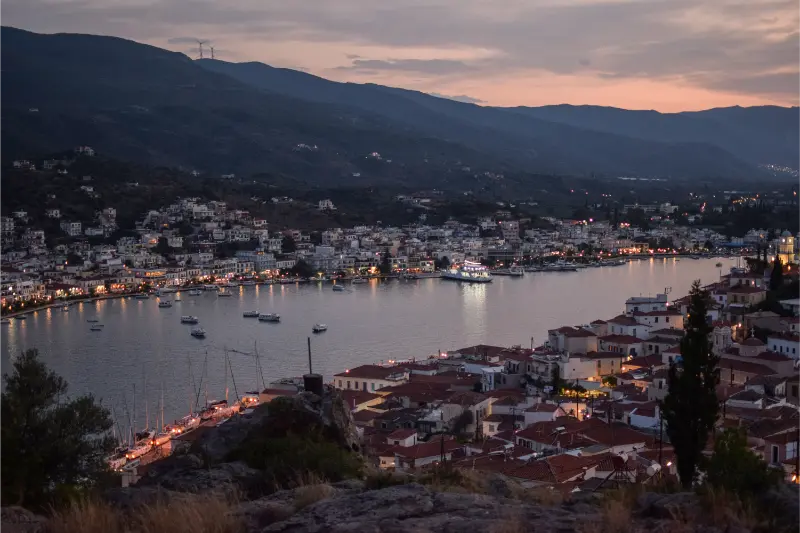
    Island Of Poros Greece

    How many nights should I spend on Poros?

    Two nights is enough for a relaxed introduction; four or five nights lets you add several beaches, the Temple of Poseidon and a mainland outing without rushing. A day trip is possible but should be deliberately simple.

    Is Poros good in September?

    Yes. September is often a strong balance for warm sea, active services and less intense peak-season pressure. Ferry and business schedules still need to be checked for the exact dates.

    Can I combine Poros with another Saronic island?

    Yes, but direct connections vary by date and vessel. Check real ferry schedules before designing an island-hopping route rather than assuming nearby islands connect every day.

    What should I check on the morning of the trip?

    Check ferry or local transport status, wind and heat, any fire-risk restrictions, and opening hours for the specific cultural site you plan to visit. Then keep one backup beach or town activity in mind.

    Check official information before you go

    For destination, transport, beaches and municipal visitor information, use the official Poros Municipality tourism website. For broader destination context and beach descriptions, see Visit Greece: Poros. Opening hours, ferry services and local transport can change, so verify the specific service you need close to travel.

    Final planning advice

    Poros works best when you use its compact size to reduce stress rather than increase the number of stops. Pick one cultural anchor, one beach or neighbourhood, and a good meal. If the wind, heat or ferry timing changes, the island gives you enough alternatives to adjust without losing the day.

    The biggest advantage is choice without huge distances: a waterfront morning can become a pine-cove afternoon, and a beach day can end with a clock-tower sunset. Leave a little empty time in the schedule. On Poros, that is often when the trip begins to feel like a holiday rather than an itinerary.

    City And Port Of Island Of Poros Greece
  • Where to Stay in Kea: Ioulida, Korissia, Vourkari, Otzias, Pisses or Koundouros?

    Where to Stay in Kea: Ioulida, Korissia, Vourkari, Otzias, Pisses or Koundouros?

    Choosing where to stay in Kea matters more than the island’s small size suggests. Roads are winding, the capital is inland, the ferry arrives at Korissia, nightlife clusters around a few settlements and the most famous beaches are spread across different coasts. A hotel that looks “central” on a map may still create a lot of driving.

    I would choose the base from the kind of evening you want and then check how that choice affects daytime transport. Ioulida gives the strongest village atmosphere, Korissia the easiest ferry logistics, Vourkari the marina scene, Otzias easy northern beach access, and Pisses/Koundouros the most beach-focused south-west stay.

    Ioulida: best for atmosphere and walking

    Stay in Ioulida if you want stone lanes, restaurants, evening walks and immediate access to the Lion of Kea and historic paths. The capital feels like a place rather than a resort, and that makes it my preferred base for culture-focused first trips.

    The trade-off is beach access. You will normally drive, bus or taxi to the coast, and luggage can be awkward in the pedestrian lanes. Ask about parking and the final walk to the property before booking.

    Korissia: best for ferry convenience

    Korissia is the practical winner for short stays, late arrivals and early departures. You can walk to many services, collect rental vehicles easily and connect with buses. It is also flatter than Ioulida, which can matter with luggage or mobility limitations.

    The atmosphere is more functional than romantic. If you want a dramatic village setting, you may prefer Ioulida; if you want to step off the ferry and be settled quickly, Korissia is difficult to beat.

    Vourkari: best for marina evenings

    Vourkari suits couples and travellers who want waterfront restaurants, boats and evening energy. You are close to Gialiskari and Otzias, and the harbour is attractive after sunset.

    Summer weekends can be busy and prices may reflect the setting. Check parking if driving and ask how easy it is to reach the bus stop if you are not. A hillside property marketed as “Vourkari” may not be a flat walk from the waterfront.

    Otzias: best for an easy northern beach base

    Otzias gives you a long beach and a quieter residential feel while keeping Vourkari within easy reach by road. It works well for families who want straightforward beach time without the more polished Koundouros atmosphere.

    Restaurant choice is more limited than in Ioulida or Vourkari, so a car adds flexibility. If you are travelling outside peak summer, confirm which nearby businesses are open.

    Pisses: practical west-coast beach base

    Pisses combines a substantial beach with useful services and road access toward Koundouros. It is a sensible choice for travellers who want to wake up close to sand and spend less time driving to the south-west beaches.

    The trade-off is evening variety. You are choosing a beach-led trip, not a nightly Chora stroll. A car is strongly useful unless you are happy to stay local and work around seasonal buses.

    Greece Kea Island Aerial Drone View Ioulis Chora

    Koundouros: best for a polished beach stay

    Koundouros is the most resort-like option on Kea, with organised beach facilities, attractive stone architecture in the wider area and strong appeal to yacht and villa travellers. It is excellent for a relaxed beach holiday or a group renting a house.

    It is less convenient for frequent ferries, Ioulida evenings and car-free sightseeing. If your plan includes daily exploration of the whole island, you will spend more time on the road.

    Best area by traveller type

    TravellerBest baseWhy
    First-time culture tripIoulidaAtmosphere, food and walking
    Weekend from AthensKorissia or VourkariFast arrival and easy departure
    CouplesIoulida or VourkariEvening ambience
    Families focused on beachOtzias or PissesSimple beach access
    Beach-luxury tripKoundourosOrganised coast and villa scene
    No carKorissia or IoulidaBest transport and walkability

    Do you need to split your stay?

    For four or five nights, usually no. Kea is compact enough that one well-chosen base is simpler. Splitting adds packing and check-in time that could be spent hiking or swimming.

    A split can make sense for a week or more if you want two very different trips: for example, several nights in Ioulida for culture and walking, followed by a villa around Koundouros for beach time. Otherwise, choose one base and make day trips.

    Questions to ask before booking

    • Is parking on-site, nearby, or down a steep road?
    • Can a taxi reach the entrance with luggage?
    • Is the beach genuinely walkable and is the route safe after dark?
    • Is air conditioning included and available in every bedroom?
    • Are restaurants open in your travel month?
    • If no car, how far is the current bus stop?
    • For villas, is the final access road paved?

    Where to stay and how to book

    For most first-time visitors, I would narrow the choice to Ioulida, Korissia/Vourkari or a beach base such as Pisses/Koundouros. Decide which evening experience matters most, then use a map to test actual driving times to the three places you most want to visit.

    For live availability and current rates, compare places to stay in Kea on Booking.com. I recommend checking the exact pin on the map before paying: on Kea, two properties described with the same village name can be separated by steep roads, long walks or a stretch that is much easier with a car.

    Official resources to check before your trip

    Use Destination Kea’s official village descriptions to understand the main settlements before booking. Cross-check beach access with the official beach directory.

    Opening hours, ferry times, bus routes and beach services can change by season. Recheck them close to your travel date rather than treating an old timetable or a social-media post as permanent.

    Tours and activities

    Kea has a smaller organised-tour market than Santorini or Mykonos, so availability is often seasonal. The widget below is useful for checking whether guided hikes, sailing, diving or other bookable experiences are operating on your dates. Verify meeting points and cancellation terms before paying.

    Kea Greece

    Continue planning your Kea trip

    How I would fit this into a first Kea itinerary

    For a first stay of four or five nights, I would not make where to stay in Kea the only purpose of the trip. Kea works best when one day is built around Ioulida and the historic interior, one around the coast, one around a substantial walk or archaeological experience, and at least one remains flexible for wind and weather. That structure lets you use this guide in context rather than forcing every attraction into consecutive hours. If you are arriving from Athens on a Friday and leaving Sunday, cut the plan further: choose one village experience, one beach area and one signature activity. The island is close enough to return to, so there is little value in turning a short break into a race.

    Kea also changes character between weekdays and summer weekends. Its proximity to Attica means Friday-evening and Sunday-return traffic can feel much busier than a midweek stay. If accommodation prices, restaurant reservations or ferry availability look tight, consider shifting the same itinerary by a day or travelling in June or September. Shoulder-season travel is particularly attractive for walking because the sun is less punishing and you can spend more of the day outdoors instead of organizing everything around midday heat.

    Keep one practical rule throughout the trip: verify the next day’s transport and opening information the evening before. Ferry operators, local buses, museums, restaurants and boat activities can all change seasonally. Ten minutes of checking is more useful than relying on a screenshot saved months earlier. It also gives you permission to change plans when the wind or temperature makes another part of the island more appealing.

    Small practical details that make the trip easier

    Another detail worth planning is the difference between map distance and real travel time. Kea’s roads are not long, but bends, village traffic, beach approaches and parking can slow a day considerably. Avoid stacking reservations back to back. Leaving thirty or forty minutes of slack between a beach, a museum, dinner or a ferry transfer makes the trip feel calmer and gives you room to stop when a viewpoint or village turns out to be more interesting than expected.

    Carry a small day kit even on short outings: drinking water, sun protection, a light layer for wind, shoes that can handle uneven ground and an offline map. Card payment is common in visitor areas, but having some cash is sensible for small purchases or situations where a terminal or signal is unavailable. None of this requires overpacking; it simply makes remote beaches, trailheads and small villages easier to enjoy without needing to return to the hotel.

  • Pyrgos Santorini Guide: Medieval Village, Sunset and a Half-Day Itinerary

    Pyrgos Santorini Guide: Medieval Village, Sunset and a Half-Day Itinerary

    Pyrgos shows a different side of Santorini from the caldera villages. Rather than stretching along the cliff edge, the settlement climbs around a fortified medieval core. Visit Greece highlights Pyrgos as one of the island’s distinctive villages and recommends climbing through its maze-like alleys for broad views. Because it sits inland and uphill, the village feels more architectural and less dominated by hotel terraces than Oia or Imerovigli.

    This guide is designed for travellers who want to use the area well rather than simply photograph it. For wider planning, keep Santorini Travel Guide, Imerovigli Santorini Guide, Akrotiri Santorini Guide open in another tab so you can see how this stop fits into the rest of the trip.

    Aerial View Coast Santorini Greece From Akrotiri Sunset

    Why this place deserves its own guide

    A destination becomes much easier to enjoy when you understand its scale, the best time of day and the trade-offs between convenience and atmosphere. The most common planning error in Greece is not choosing the wrong attraction; it is stacking too many good places into one day. The sections below focus on the practical decisions that make the experience calmer, more flexible and more rewarding.

    What to see and do

    The Kasteli

    The old fortified core is the reason to walk uphill. Narrow lanes, archways and tightly packed houses create a natural maze, so navigation apps are less useful than simply following signs and upward passages. The remains at the top are atmospheric rather than monumental. Come for the structure of the village and the views rather than expecting a large restored castle complex.

    Churches and bell towers

    Pyrgos is known for the density of churches woven into the village. Some are open only at particular times, so treat interiors as a bonus rather than a guaranteed checklist. The exterior details, bell towers and small squares are rewarding throughout the day. Dress respectfully if you enter an active church and avoid blocking doors or services for photographs.

    Views across Santorini

    From the upper lanes you can see much more than the caldera: vineyards, inland villages, the airport side and stretches of coast all become part of the panorama. That wider geography makes Pyrgos especially useful early in a trip because it helps you understand how compact the island is. Sunset can be beautiful, but it is a different experience from watching directly across the caldera.

    Prophet Elias and the higher landscape

    The mountain of Profitis Ilias rises above Pyrgos and contains the island’s highest point. Access arrangements around the monastery and military areas can vary, so follow signs and do not assume every road or viewpoint is open. Even without continuing to the summit, the drive around Pyrgos reveals a more rural Santorini of vineyards and dry-stone landscapes.

    Santorini Pyrgos

    Cafés, wine and a slower pace

    Pyrgos is ideal for a coffee, lunch or early dinner because the village encourages pauses. Wine bars and restaurants make sense here given the surrounding vineyards, but do not reduce the visit to one famous terrace. Walk first, then choose where to stop. The lower lanes are easier for anyone who finds steep steps difficult.

    Best time to visit

    Morning is best for photography and cooler climbing, while late afternoon creates warm light over the island. Pyrgos is excellent in spring and autumn, and it remains worthwhile in summer if you avoid midday. Wind can be noticeable at exposed upper viewpoints. Around major religious celebrations the village can become much busier than normal, so check local events if your dates coincide.

    Whatever the month, use the weather you actually have. Strong wind, heat, rough sea or a local event can matter more than the seasonal average. On exposed walks, beaches and archaeological terrain, an early start often improves both comfort and photography. Keep one flexible block in the day so a delay does not force you to rush the experience you came for.

    How to get there and move around

    Pyrgos is inland and can be reached by car, taxi or bus depending on the season. Parking directly inside the old village is not the goal; leave the vehicle in designated areas and walk. In peak season, spaces fill around popular sunset periods. If you do not want to drive, combine Pyrgos with a taxi or an organised island route rather than relying on a tightly timed sequence of infrequent buses.

    Do not judge transport only by kilometres. Island roads, central-city traffic, parking searches and walking access can turn a short map distance into a much longer transfer. When public transport is part of your plan, recheck the current timetable close to travel day. When driving, save the parking point in advance and avoid entering pedestrian lanes simply because navigation software suggests the shortest line.

    Where to stay

    Staying in Pyrgos suits travellers who want quieter evenings, inland views and a village atmosphere. It is less convenient for travellers who want to walk straight onto a major beach or nightlife strip. Accommodation can involve stairs and steep lanes. A rental car adds flexibility, but choose a property with realistic parking instructions rather than assuming you can pull up at the door.

    Before booking, zoom in on the exact property location rather than trusting the neighbourhood name. Check stairs, road access, bus stops, late-night noise and the walk back after dinner. A room that looks only 500 metres from a beach or landmark can feel very different when the route is steep, unlit or exposed to traffic. Location should support the way you actually plan to spend your days.

    Food and evening atmosphere

    The village is a good place to try local wine and Santorini dishes without the same density of caldera-view pricing. Still, highly positioned sunset restaurants can be expensive. Book if you want a specific terrace; otherwise, explore and choose a place based on the menu and atmosphere. Lunch is often calmer than sunset dinner and pairs well with a morning village walk.

    Greek travel is better when meals are given enough time. Avoid planning dinner as a 45-minute gap between attractions. Sit down after the hottest part of the day, order at the pace of the place and keep room for an unplanned walk afterwards. In heavily visited areas, moving one or two streets away from the obvious viewpoint often changes both prices and atmosphere.

    A realistic one-day plan

    Arrive mid-morning, walk gradually through the lower lanes, visit open churches and climb to the Kasteli. Pause for coffee or lunch rather than descending immediately. In the afternoon, drive or transfer through the surrounding vineyard landscape and return for late light if you want sunset. A half-day is enough for most visitors; a full day works if you add wine tasting or another inland village rather than rushing to the caldera.

    Blue Domed Churches Whitewashed Houses Oia Santorini Greece Overlooking Aegean Sea Caldera

    Build the day around one priority and one secondary activity. If the priority takes longer, drop the secondary stop without regret. This is especially important on islands, where parking, buses, wind or heat can alter timing. A good itinerary should survive a 30-minute delay without collapsing into stress.

    Families, mobility and accessibility

    Families should plan around shade, toilets, meal timing and realistic walking stamina rather than adult sightseeing speed. For travellers with reduced mobility, accessibility varies sharply between modern promenades and historic lanes, rocky beaches or stair-heavy villages. Contact accommodation or the relevant site directly if step-free access is essential; generic labels such as “easy walk” are not precise enough for important mobility decisions.

    Common mistakes to avoid

    • Driving into narrow village lanes instead of parking outside
    • Expecting a fully restored castle attraction
    • Climbing at noon in July or August
    • Assuming every church will be open
    • Choosing a sunset restaurant before exploring the village itself

    Most of these mistakes come from the same habit: planning from a map without considering how the place behaves in real life. A few minutes spent checking terrain, weather, parking and current access rules can save hours of frustration. Keep screenshots of essential transport information, but do not rely on an old screenshot when conditions or seasonal schedules may have changed.

    What to combine with it

    Pyrgos works well with Akrotiri, a winery visit or the black-sand beaches. Use Santorini Travel Guide for the island overview and Akrotiri Santorini Guide if you want to build a south-island day.

    Try to combine places that sit naturally on the same route. Crossing an island twice in one day or zigzagging through central Athens wastes energy that could be spent walking, swimming or eating. If two attractions pull you in opposite directions, split them across separate days even if a map makes them look close.

    FAQ

    How much time should I allow?

    A focused visit usually needs at least half a day once transport, walking, breaks and a meal are included. If this is one of your main priorities, protect most of a day instead of squeezing it between two distant attractions.

    Do I need a rental car?

    Not always. Central Athens neighbourhoods and well-connected island resorts can work very well without a car, while rural viewpoints and multi-stop island days are easier with one. Rent only for the days when it adds real flexibility.

    Is it suitable for families?

    Usually yes, but the right version of the day depends on age, heat and terrain. Beach facilities, shaded breaks and shorter walks matter more with young children than completing every viewpoint or monument.

    Should I book in advance?

    Book accommodation and high-demand experiences early in peak season. Ordinary walks and beaches generally do not need reservations, but organised loungers, popular restaurants, boat trips and guided visits can fill up.

    Can I trust old prices and timetables?

    No. Transport frequency, ticket systems, road access and seasonal services can change. Check official or local information shortly before the visit, especially if the entire day depends on one bus, boat or opening window.

    Final advice

    Use this guide as a framework rather than a timetable you must obey minute by minute. The best travel days in Greece usually have a clear structure but enough empty space for a longer swim, an unexpected church, a café you like or a sunset that convinces you not to move. Plan the logistics carefully, then give the place room to surprise you.

    More Santorini in-depth guides

    Continue planning Santorini with Fira to Oia Hike Santorini Guide; Firostefani Santorini Guide; Emporio Santorini Guide; Megalochori Santorini Guide; Vlychada Santorini Guide; Museum of Prehistoric Thera Guide; Best Beaches in Santorini; Santorini Without a Car; Santorini with Kids; Santorini 4-Day Itinerary.

  • Serifos Villages Guide: Panagia, Galani, Kentarchos and the Northern Island

    Serifos Villages Guide: Panagia, Galani, Kentarchos and the Northern Island

    Serifos Villages Guide is part of a larger Serifos trip rather than an isolated attraction. Serifos works best when you combine its hilltop Chora, port life, beaches, old villages, mining landscapes and footpaths instead of spending the entire holiday in one resort zone. This guide focuses on the decisions that matter on the ground: access, timing, swimming conditions, transport, where to eat and how to connect the experience with the rest of the island.

    Serifos is compact on a map but topography changes travel time. Roads climb and curve, old paths cross steep slopes and many beaches remain deliberately low-key. The result is an island that feels authentic and easy to understand once you stop trying to visit everything in one day. Build the trip around one main objective each morning and leave room for a second activity only if weather, transport and energy cooperate.

    Quick planning overview

    QuestionPractical answer
    Best forTravellers who want a quieter Cyclades experience with beaches, walking and traditional settlements
    Main transport choiceBus for Livadi–Chora, car or taxi for flexible island exploration, walking for selected old paths
    Best rhythmOne main area or beach per half-day rather than constant driving
    Biggest planning mistakeAssuming every beach has food, shade or frequent transport
    Useful baseLivadi/Livadakia for convenience; Chora for atmosphere

    Panagia

    Panagia is one of the traditional inland villages connected to the island’s old path network. Its compact lanes, church and surrounding agricultural landscape make it useful for understanding Serifos beyond the port and beach economy.

    Combine the village with a short walk rather than treating it as a drive-by photo stop. The official trail network links Panagia with Sykamia and with Varsamos, passing water-related features and remnants of rural life.

    Galani and the mining landscape

    Galani sits in the northern interior and its name is linked with the island’s old galena mining landscape. It is included on an official hiking route that continues toward Sykamia, giving the village context within the long history of extraction and transport.

    The appeal is subtle: stone houses, dry terrain, chapels and views rather than major monuments. Travellers who enjoy quiet villages will find it rewarding; visitors looking only for famous sights may prefer to combine it with a hike.

    Kentarchos or Kallitsos

    Kentarchos, also known locally as Kallitsos, occupies a greener slope than many visitors expect from Serifos. A path descends from the village toward the secluded beach below, a walk of roughly half an hour according to the municipality.

    Ganema Beach Serifos Island Greece

    There are limited services, so do not arrive expecting a resort. Bring water, respect private homes and treat the path as part of the experience. The village also connects to the official Chora–Kallitsos hiking route.

    How to tour the northern island

    A northern drive works best as a landscape day. Link villages, viewpoints and one beach rather than attempting to “complete” every settlement. Sykamia can be added for swimming, while Panagia and Galani provide the cultural layer.

    Public transport reaches some northern villages in season, but frequencies are limited. Without a car, hiking and carefully timed buses can work; with children or mobility needs, a taxi or rental vehicle gives more flexibility.

    A useful cultural stop: the Archaeological Collection in Livadi

    The Archaeological Collection of Serifos is now housed in Livadi and gives useful historical context to the island beyond beaches and modern mining. The permanent display includes sculpture, architectural pieces, funerary reliefs and amphorae connected with sites such as Chora and Aspros Pyrgos, covering periods from Classical to Roman times.

    For the 2026 summer season the official museum portal lists general admission at €5, closure on Tuesday and opening from 08:30 to 15:30, with a later Friday schedule. Hours can change on holidays or operationally, so check again before building a ferry or beach day around the museum.

    How many days should you allow?

    A three-night stay is enough for a first taste of Serifos, but four or five nights creates a much better balance between Chora, beaches, villages and the mining landscapes. With only two nights, ferry times can dominate the trip and weather has too much power over your beach plans.

    Panoramic View Traditional Chora Village Island Serifos Cyclades Greece

    If this article focuses on one district or activity, use it as one half-day or one full day inside a longer island stay. Avoid changing accommodation mid-trip unless you have a very specific reason; distances are short enough to explore from one sensible base.

    When to go

    June and September are excellent for travellers who want swimming without the most intense crowds. July and August have the fullest transport and beach-service network but also the strongest heat and accommodation demand. May and October can be superb for walking, although sea temperature and seasonal businesses become less predictable.

    Hikers should prioritise cooler hours in every season and avoid exposed routes in extreme heat or strong wind. Beach travellers should stay flexible because the Cycladic wind can make one coast uncomfortable while another remains calm.

    What to pack

    Serifos rewards practical packing: shoes with grip for Chora and trails, a hat, high-SPF sun protection, a refillable bottle and a light layer for ferry decks or windy evenings. A small daypack is more useful than a large beach bag on cobbled paths.

    For unorganised beaches add water, snacks, basic shade and swim shoes if you dislike mixed sand and pebbles. Do not assume every remote bay has a canteen, toilets or sunbeds just because it appears on a popular map.

    Practical tips that make the day easier

    • Check the current wind before committing to a beach; a protected coast can be dramatically better than the famous beach you planned the night before.
    • Confirm return transport before leaving Livadi or Chora, especially outside the peak July–August timetable.
    • Carry cash as a backup for small tavernas, buses or seasonal services even if cards are commonly accepted.
    • Do not enter abandoned mine galleries or climb industrial ruins; enjoy the mining heritage from safe paths and public areas.
    • Use the cooler first and last hours of the day for Chora steps and hiking routes.
    • Bring your own water to unorganised beaches and villages with limited services.
    • Keep one flexible half-day in the itinerary for wind, ferry changes or a beach you decide to revisit.
    • Respect churches and residential lanes: modest behaviour and low noise matter in small settlements.
    • If you are travelling with children or limited mobility, ask accommodation hosts about steps and road access before booking.
    • Download or photograph useful bus and trail information, but still verify locally because seasonal operations change.

    Continue planning your Serifos trip

    Use this page together with the rest of the new Serifos cluster: Chora Serifos Guide; Livadi and Livadakia Serifos Guide; Mega Livadi and Koutalas Serifos Guide; Psili Ammos and Agios Sostis Serifos Guide; Ganema, Vagia and Koutalas Beaches Serifos Guide; Serifos Villages Guide; Serifos Hiking Guide; Serifos Without a Car; Serifos with Kids; Where to Stay in Serifos. Start with the Serifos Travel Guide if this is your first visit, then choose the detailed guides that match your base and interests.

    Useful official sources before you go

    For details that can change, I cross-check the official Municipality of Serifos portal, the official transport page, the official hiking network and the Archaeological Collection of Serifos. Bus timetables, beach transfers, museum hours and seasonal services can change, so recheck the details that affect a specific travel day.

    Frequently asked questions

    Do I need a car in Serifos?

    Not always. Livadi, Livadakia and Chora can work very well with buses and walking, while a car becomes much more useful for multiple remote beaches, villages and the southwest mining coast.

    Is Serifos good for a short trip?

    Yes. Three nights can work well if ferry times are favourable, but four or five nights gives you enough flexibility for wind, hiking and a slower beach rhythm.

    Which area is best for a first visit?

    Livadi or Livadakia is the easiest base for transport and services. Chora is the most atmospheric choice if hills and luggage logistics do not bother you.

    Are the beaches organised?

    Some have food, umbrellas or nearby tavernas, but many are largely unorganised. Carry water and shade whenever you are unsure.

    Can I hike in summer?

    Yes, but start early or late, avoid extreme heat and carry more water than the route distance alone suggests.

    Final planning advice

    The best Serifos trips are built around contrast: an old stone path followed by a swim, a quiet village followed by Chora at sunset, or a mining-history stop followed by a relaxed taverna by the sea. Keep the schedule light enough to respond to wind and transport, and the island will feel far richer than a simple list of beaches.

    How to use one base efficiently

    Serifos is small enough that one good base is usually better than changing hotels. From Livadi or Livadakia you can solve ferry and bus logistics quickly; from Chora you gain atmosphere but accept more steps. Use taxis strategically for one-way hikes or a late dinner instead of paying for a rental vehicle every day if you only need it occasionally.

    Serifos Island Greece Cyclades Aerial Drone View Livadi Port

    the island is small enough that one good base is usually better than changing hotels. From the port area or Livadakia you can solve ferry and bus logistics quickly; from the hill town you gain atmosphere but accept more steps. Use taxis strategically for one-way hikes or a late dinner instead of paying for a rental vehicle every day if you only need it occasionally.