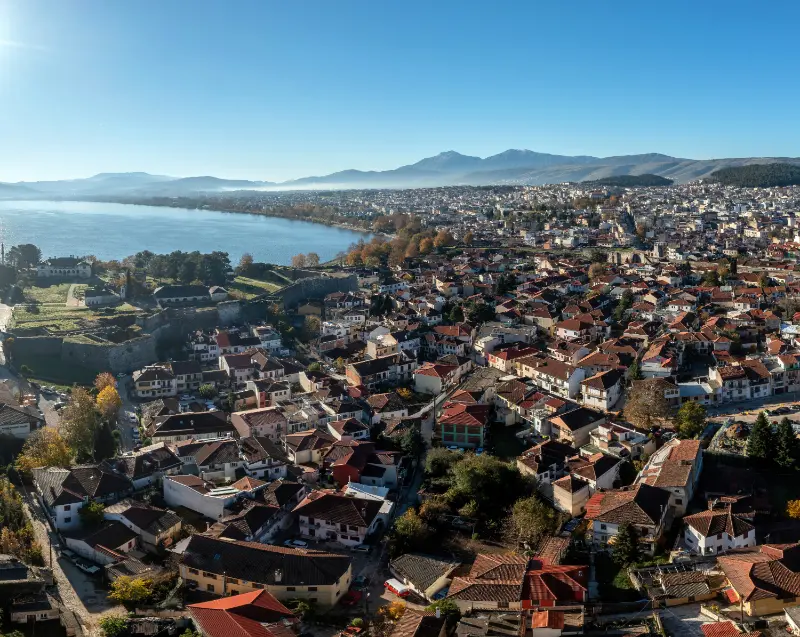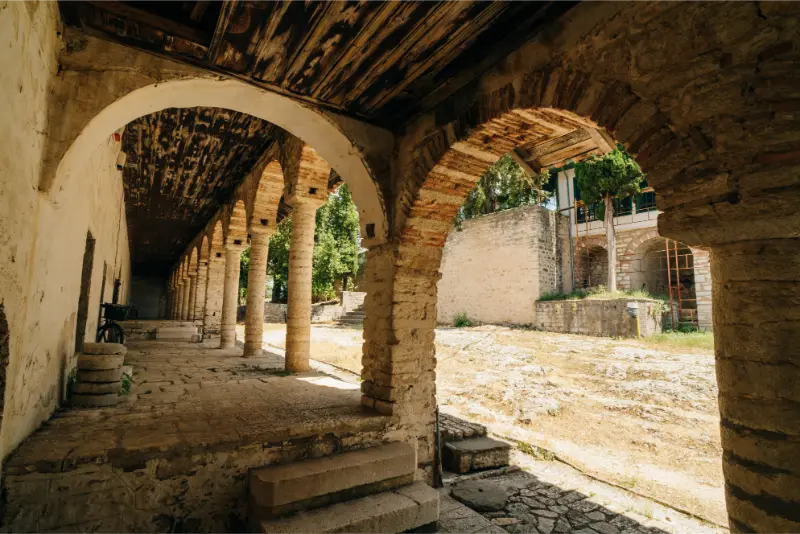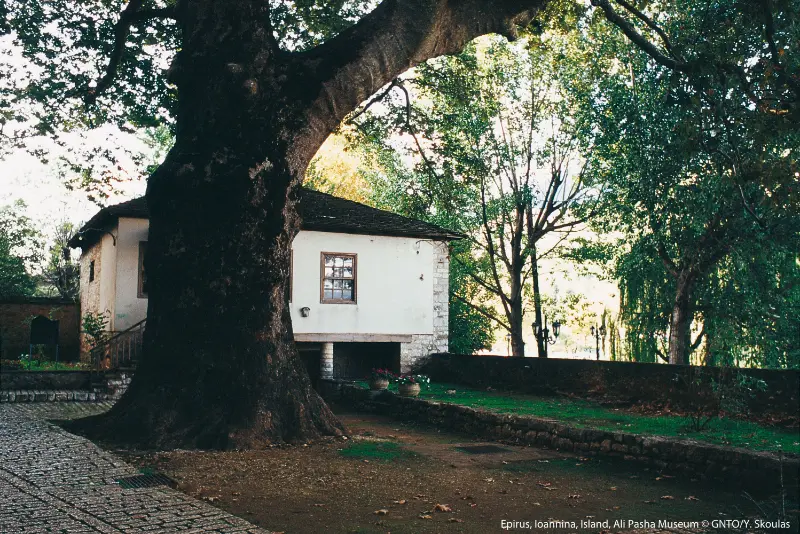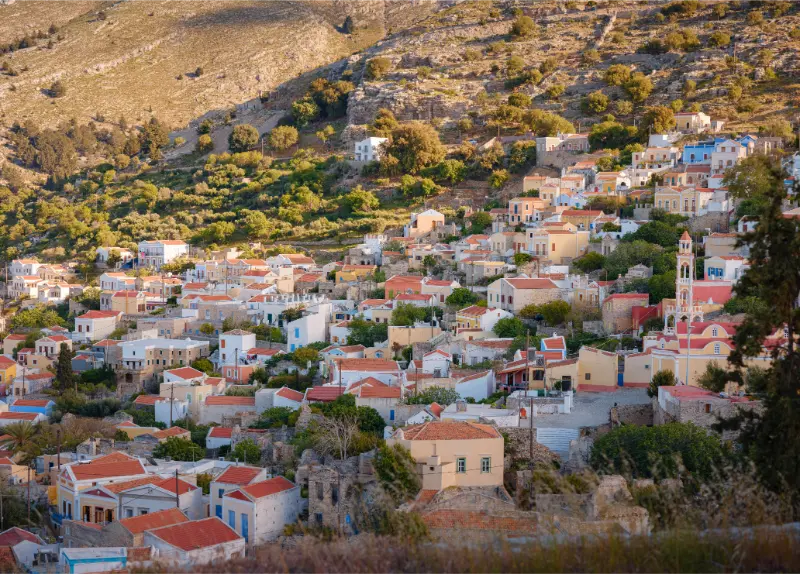

Arta is one of those mainland Greek cities that becomes far more interesting once you stop treating it as a transit point. The famous stone bridge over the Arachthos is the image most travellers know, but the real reason to stay is the concentration of Byzantine architecture, the remains of ancient Ambracia, a lively everyday centre and immediate access to the landscapes of southern Epirus.
I would plan Arta as a two-night base if you are driving between the Ionian coast and Tzoumerka. One full day is enough to see the bridge, the main churches and the archaeological layer; a second day lets you choose between mountain villages, the Ambracian wetlands or a slower food-focused day in town. The city is compact enough to walk, while a car becomes useful as soon as you leave the centre.
Quick planning notes
- Best for independent road trippers who want to go beyond the best-known Greek islands and headline archaeological stops.
- Allow at least one full day for the main sights; two nights usually produce a more relaxed experience with an evening in the destination.
- A car gives the most flexibility for surrounding villages, beaches and archaeological sites, although the central area can usually be explored on foot.
- Start exposed outdoor sights early in summer and keep midday for lunch, museums or a slower waterfront break.
- Reconfirm museum hours, local buses, boat departures and seasonal businesses shortly before travel rather than relying on an old timetable.
- Keep one part of the day flexible for weather, heat or a place you discover locally and want to stay longer.
Why this place deserves more than a quick stop
Arta Travel Guide is useful because it fills a gap between better-known destinations without feeling like filler in an itinerary. The strongest trips in mainland Greece are built around regions: one town for evenings, one archaeological or natural focus during the day, and enough time to understand how landscape, food and history connect. Here, that regional logic is more rewarding than collecting isolated photo stops.
I would resist the temptation to copy a route simply because every place looks close on Google Maps. Mountain roads, coastal detours, archaeological opening hours and long lunches all affect the real pace. Choose two or three priorities per day. If you finish early, add a nearby beach, viewpoint or café rather than turning the afternoon into another long transfer.
What to see and do
The Bridge of Arta and the Arachthos
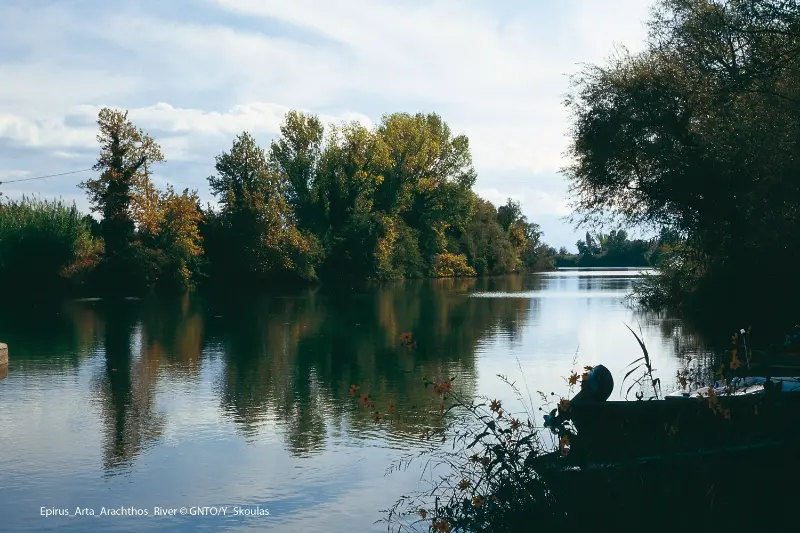
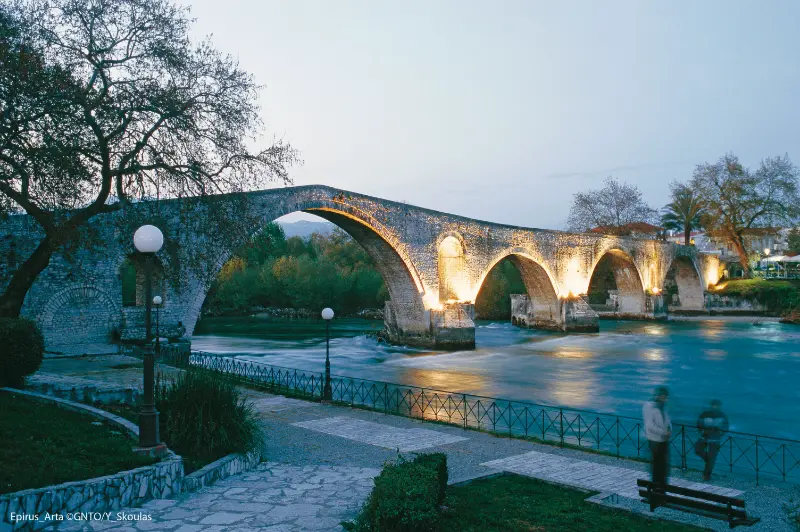
The four-arched stone bridge is tied to one of Greece’s best-known folk legends, but it also deserves attention as an engineering landmark and as the natural western entrance to the city. Walk both banks rather than taking a single photograph: the river, plane trees and changing light explain why the bridge has such a strong place in local identity. Early morning is calmer, while late afternoon gives softer light and more local life along the riverside.
Practical approach: treat the bridge of arta and the arachthos as part of a route rather than an isolated pin. Check access and parking before setting out, carry water in warm weather, and give yourself enough time to walk beyond the first viewpoint. If conditions are poor or a site is unexpectedly closed, use the saved time for the nearest village or local museum instead of forcing the schedule.
Panagia Parigoritissa
Parigoritissa is the monument that changes the way many visitors see Arta. The late-13th-century church, associated with the Despotate of Epirus, has an unusually monumental interior and a complex dome-support system. Give it time rather than rushing in between sights. Even travellers who are not focused on religious tourism can appreciate the geometry, reused ancient material and the way Arta’s medieval political importance is expressed through architecture.
Practical approach: treat panagia parigoritissa as part of a route rather than an isolated pin. Check access and parking before setting out, carry water in warm weather, and give yourself enough time to walk beyond the first viewpoint. If conditions are poor or a site is unexpectedly closed, use the saved time for the nearest village or local museum instead of forcing the schedule.
Agia Theodora and the Byzantine city
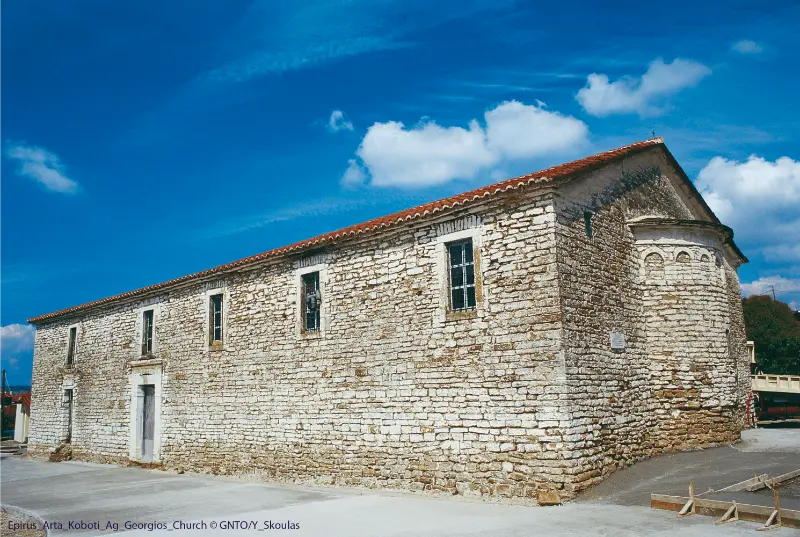
The church of Agia Theodora is connected with Theodora Petraliphaina, the saint and ruler associated with medieval Epirus. Around it, the modern street plan still reveals fragments of the older city through churches, walls and archaeological remains. Pairing Agia Theodora with Parigoritissa makes more sense than visiting isolated monuments because together they show why Arta was more than a provincial town in the Middle Ages.
Practical approach: treat agia theodora and the byzantine city as part of a route rather than an isolated pin. Check access and parking before setting out, carry water in warm weather, and give yourself enough time to walk beyond the first viewpoint. If conditions are poor or a site is unexpectedly closed, use the saved time for the nearest village or local museum instead of forcing the schedule.
Ancient Ambracia
Long before medieval Arta, this was Ambracia, an important Corinthian colony and later the capital of King Pyrrhus. The ancient city survives in scattered remains rather than one single fenced archaeological park, which means context matters. Look for the small theatre, fortification traces, cemeteries and museum material. The reward is understanding how modern Arta literally sits on successive historical layers instead of beside them.
Practical approach: treat ancient ambracia as part of a route rather than an isolated pin. Check access and parking before setting out, carry water in warm weather, and give yourself enough time to walk beyond the first viewpoint. If conditions are poor or a site is unexpectedly closed, use the saved time for the nearest village or local museum instead of forcing the schedule.
Arta Archaeological Museum
The museum is the best place to make sense of Ambracia, especially if the scattered ancient remains feel difficult to read outdoors. Funerary objects, sculpture, ceramics and material from the wider region create a chronological framework. I would visit the museum before the smallest archaeological fragments in the city; once you know what the ancient settlement looked like, later stops become easier to understand.
Practical approach: treat arta archaeological museum as part of a route rather than an isolated pin. Check access and parking before setting out, carry water in warm weather, and give yourself enough time to walk beyond the first viewpoint. If conditions are poor or a site is unexpectedly closed, use the saved time for the nearest village or local museum instead of forcing the schedule.
Day trips toward Tzoumerka and the Ambracian Gulf
Arta works unusually well as a hinge between mountains and wetlands. Drive north-east toward Tzoumerka for stone bridges, villages and the Arachthos valley, or south-west toward Koronisia and the Ambracian Gulf for flat lagoon landscapes, birds and fish tavernas. Do not try to combine both directions on the same day. They create completely different versions of Epirus and each deserves unhurried time.
Practical approach: treat day trips toward tzoumerka and the ambracian gulf as part of a route rather than an isolated pin. Check access and parking before setting out, carry water in warm weather, and give yourself enough time to walk beyond the first viewpoint. If conditions are poor or a site is unexpectedly closed, use the saved time for the nearest village or local museum instead of forcing the schedule.
How to structure your day
- Morning: Bridge of Arta and a riverside walk before the day becomes busy.
- Late morning: Parigoritissa and Agia Theodora, with time for the old centre between them.
- Lunch: Epirote pie, local cheese and a seasonal main dish rather than a rushed snack.
- Afternoon: Archaeological Museum and selected remains of ancient Ambracia.
- Evening: central squares and dinner; keep the car parked if possible.
- Second day: choose either Tzoumerka or the Ambracian Gulf, not both.
This order is deliberately conservative. It leaves the hottest part of the day for lunch or a less exposed stop and avoids driving back and forth. Reverse it if your accommodation, opening hours or weather make another sequence more logical. In summer, the difference between an 08:30 archaeological visit and a 12:30 visit can completely change how much you enjoy the site.
Where to stay
Stay in or close to the centre if this is your first visit: you can walk to the squares, churches and evening restaurants without moving the car. A riverside or out-of-centre stay can work for road trippers, but check parking and walking distance before booking. For mountain excursions, Arta is practical for one or two nights before moving deeper into Tzoumerka rather than commuting back every day.
If you are ready to compare accommodation, check current places to stay in Arta on Booking.com. I prefer booking a base that makes evenings walkable rather than saving a small amount on a room that forces an extra drive every night.
What to eat
Arta’s table connects mountain Epirus with the fertile plain around the Arachthos. Look for handmade pies, local cheeses, lamb or goat dishes, seasonal greens and citrus from the Arta plain. In winter, heavier oven dishes make sense; in warmer months I prefer a lighter lunch built around salads, grilled vegetables and cheese before a longer dinner. Ask what is local rather than ordering only generic Greek classics.
A useful rule in smaller mainland destinations is to ask what is local and seasonal before ordering. Menus can be long, but the most memorable dishes are usually the ones tied to the landscape around you: river or lagoon fish where relevant, pies and cheeses in Epirus, grilled meat inland, and simple seafood along the Ionian coast. Leave space for a slow meal instead of squeezing dinner between driving legs.
Getting there and getting around
For a multi-stop mainland itinerary, a rental car is usually the most practical option because it lets you connect archaeological sites, beaches, wetlands and villages that are not designed around a tourist shuttle network. Intercity KTEL buses connect the larger towns, but local onward services may be limited or timed for residents rather than sightseeing. If travelling without a car, choose accommodation centrally and plan each excursion around the actual current timetable.
Driving itself is generally straightforward on the main roads, but secondary mountain and coastal roads can be narrower, slower and darker than expected at night. Do not estimate travel time only by distance. Refuel before remote loops, keep offline maps available, and avoid committing to the last possible ferry, museum entry or restaurant booking after a long driving day.
Best time to visit
Spring and autumn are the easiest seasons for combining monuments with mountain or wetland excursions. Summer is workable if you start archaeological visits early and reserve midday for lunch or museums. Winter gives the city a more local feel and pairs well with Tzoumerka, but mountain weather can change driving plans quickly.
For most travellers, shoulder season also makes spontaneous planning easier: parking is less stressful, restaurants have more time for guests and walking is more pleasant. Peak summer is still the right choice for guaranteed beach atmosphere and the widest range of boat services, but it rewards early starts and pre-booked accommodation.
How to connect this stop with the rest of Greece
Build the route as a cluster rather than an out-and-back. Useful next reads are Preveza travel guide Acheron River guide Tzoumerka travel guide. Linking nearby destinations this way reduces repeated driving and gives each overnight stop a clear reason to exist.
If you have only a week, choose one coast-and-inland combination rather than trying to cross the whole region. With ten to fourteen days, you can combine Epirus with Western Greece or the Ionian Islands while still keeping two-night bases. The best road trips here are not the ones with the most pins; they are the ones where the landscape changes gradually and the evenings still feel relaxed.
Common planning mistakes
- Trying to visit every nearby attraction on the same day simply because the driving distances look short.
- Assuming archaeological sites, small museums, boats and seasonal restaurants keep identical hours all year.
- Arriving at exposed sites in the middle of a summer afternoon without enough water or shade.
- Booking remote accommodation for the view without checking the real drive to dinner, groceries and the next morning’s route.
- Treating wetlands, rivers and archaeological areas as photo sets rather than working or protected landscapes.
- Leaving no flexible time for weather, local advice or a beach and village that turns out to deserve longer.
Frequently asked questions
How many nights do I need?
One night can work for a transit-focused visit, but two nights are usually better because they give you one full day without packing the car. Add a third night when beaches, hiking, birdwatching or boat trips are a major part of the plan.
Do I need a car?
Not always for the town centre, but a car makes the wider region dramatically easier. Without one, choose a central hotel and verify KTEL, taxi or excursion options for the exact day you want to travel.
Is this a good stop with children?
Yes if you simplify the itinerary. Choose one major sight in the morning, a long lunch and a beach or easy walk later. Avoid combining several exposed archaeological sites with a long afternoon drive in summer.
Can I visit in winter?
Yes, especially for food, history and local life. Expect shorter daylight, more variable weather and reduced seasonal tourism services. Mountain roads and wetland tracks may require extra flexibility after heavy rain.
Should I book activities in advance?
Reserve popular boat trips, special guided tours and peak-summer accommodation in advance. For ordinary sightseeing, keep some flexibility and recheck current opening hours a day or two before the visit.
Useful official source
For details that can change, use Visit Greece – Arta and recheck opening hours, tickets, weather restrictions, transport and seasonal services shortly before departure. Official pages are especially important for archaeological sites, protected areas and boat schedules.
Final advice
The main advantage of travelling through this part of Greece is variety without huge distances: a morning can be archaeological, the afternoon can move to a river, lagoon or Ionian beach, and dinner can still happen in a real working town rather than a purpose-built resort. Use that variety, but do not let it push you into overplanning.
Choose a logical base, start early when heat or opening hours matter, and let one or two experiences carry each day. That is the balance that turns a collection of lesser-known stops into a coherent Greece itinerary—and it is also what makes these places memorable enough to deserve their own articles rather than a paragraph in a generic regional guide.