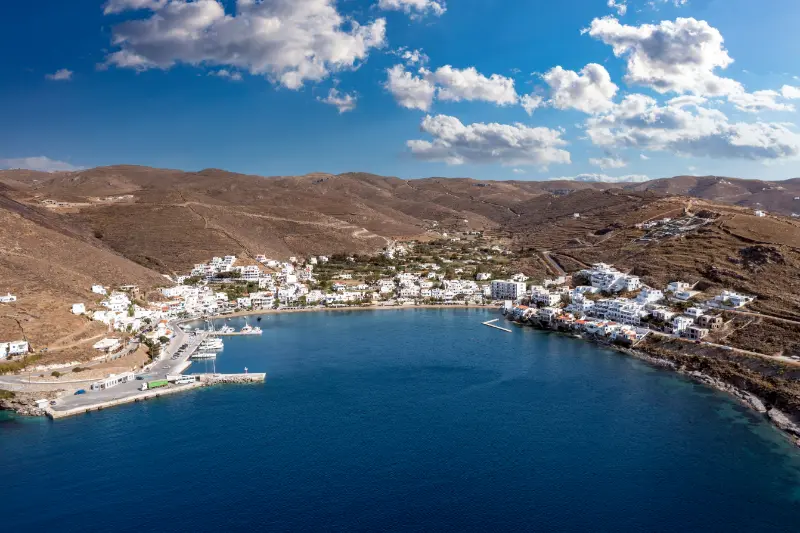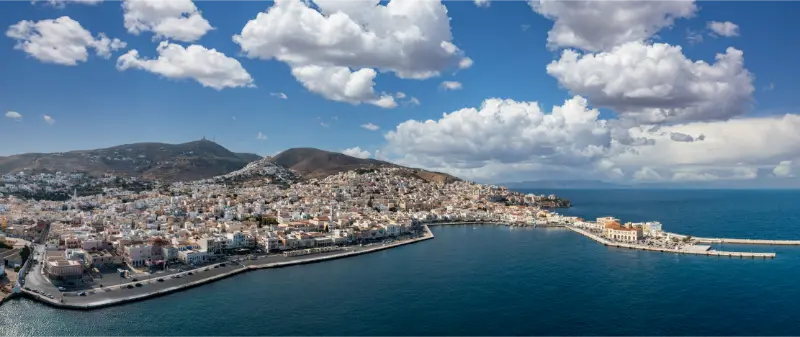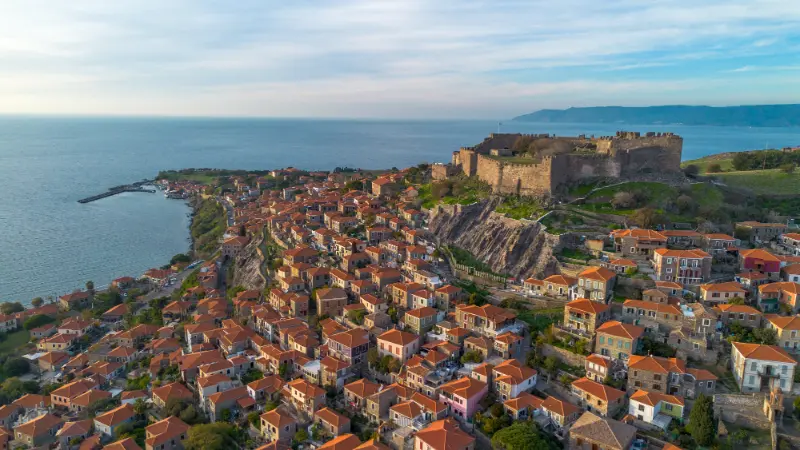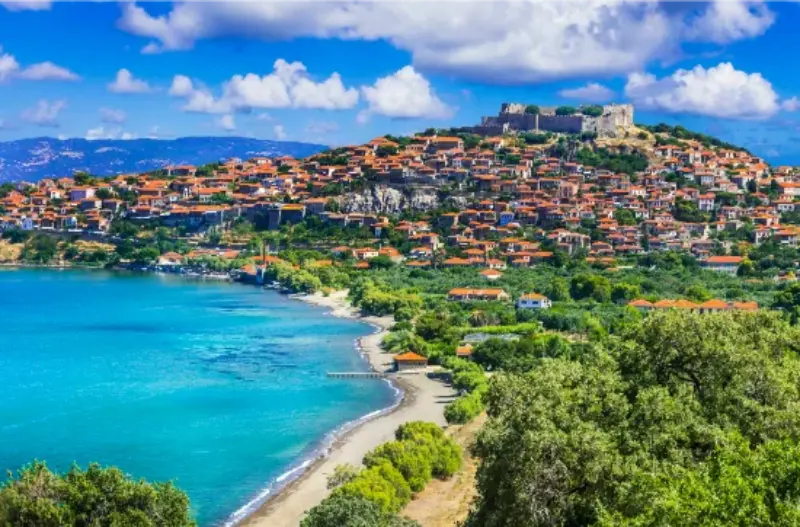
Author: Jessica

  • Amorgos Without a Car: Buses, Boats, Taxis and Best Bases

    Amorgos Without a Car: Buses, Boats, Taxis and Best Bases

    Amorgos is possible without a car, but it is not an island where you can ignore transport planning. The settlement pattern is long and mountainous: Katapola and Aegiali are separate ports, Chora sits high in the centre, and famous beaches are spread across exposed coasts. The seasonal bus network connects the main hubs, but frequencies change and some remote places still require walking, boat connections or a taxi.

    The good news is that a no-car trip can feel very natural if you choose the right base. Katapola is strongest for ferry arrival and central connections, Aegiali combines a sandy beach with northern village buses, and Chora gives you atmospheric evenings plus access to Hozoviotissa. A split stay can reduce unnecessary backtracking.

    At a glance

    Best ferry/logistics baseKatapola
    Best beach baseAegiali
    Best atmosphereChora
    Bus timetableSeasonal; check current operator page
    Useful extrasLocal beach boats, taxis, walking

    How the bus network works

    Amorgos Bus Company publishes seasonal timetables connecting the main ports, Chora, Aegiali villages, Hozoviotissa/Agia Anna and selected southern stops depending on the period. The operator explicitly asks passengers to check for route changes on arrival.

    That sentence matters more than any timetable copied into a blog. Use schedules to design the outline of the trip, then confirm at the bus stop, your accommodation or the operator before a day that depends on the final bus.

    Katapola without a car

    Katapola is the easiest base for arrivals because many rooms, restaurants and the bus stop are close to the ferry. You can reach Chora, Aegiali and major central routes by bus, while Maltezi and local coves may be served by bathing boats in season.

    It is particularly good for a short trip where you do not want to change hotels. Read the Katapola guide for neighbourhood and walking details.

    Aegiali without a car

    Aegiali works brilliantly if beach time matters. The long sandy beach is directly beside the settlement, so a day with no transport can still feel complete. Buses connect uphill villages such as Langada and Tholaria when the seasonal timetable operates.

    The north also offers walking routes that begin near where you stay. That combination—beach, buses and trailheads—is why Aegiali is arguably the easiest no-car base for a longer summer holiday.

    Chora without a car

    Chora is central and beautiful after dark, but it has no major beach outside the door. You will use buses or taxis for most swimming days. In return, Hozoviotissa is close, the Fotodotis trail descends toward Katapola and evening dining requires no transport if you stay in the village.

    Check where the bus actually stops relative to your accommodation. A map can hide a lot of stairs and steep lanes.

    Beach boats and small crossings

    Seasonal local boats can open up Maltezi from Katapola, coves around Aegiali, Nikouria from Agios Pavlos and Gramvousa from Kalotaritissa. These are useful complements to buses rather than fixed public transport.

    Wind can cancel or delay small boats. Always confirm departure and return times on the day, and never rely on the final boat to connect with an international flight or important ferry.

    When a taxi is worth it

    Taxis are most useful for early/late ferry connections, trailhead logistics, dinner in another village after buses end, or reaching a remote southern stop that would consume half the day by public transport.

    Numbers are limited on small islands. Pre-book when timing matters, especially during August or around a ferry arrival with many passengers needing transfers at once.

    A sample no-car structure

    Day 1: arrive and explore your base. Day 2: Chora plus Hozoviotissa and Agia Anna. Day 3: Aegiali and the Melania village walk. Day 4: Katapola, Ancient Minoa and Maltezi if boats operate. Day 5: choose a southern bus excursion or a taxi/organised option based on current schedules.

    This structure deliberately avoids crossing the island multiple times per day. It can be adapted easily if you split the stay between Katapola and Aegiali.

    Who should still rent a car?

    A car makes sense if you want repeated visits to the remote south, sunrise/sunset photography at scattered points, accommodation away from bus routes or maximum flexibility with young children and beach equipment.

    If you only need a vehicle for one or two days, consider renting for those days instead of the entire stay. Chora parking and port congestion are not advantages you need to pay for when buses suit the plan.

    Tours and experiences

    Organised activities on Amorgos are more limited than on Santorini or Mykonos, which is part of the island’s appeal. When a guided hike, boat trip or cultural tour fits the plan, compare the exact meeting point, duration, cancellation conditions and whether transport is included before booking.

    Getting To Amorgos Greece

    Frequently asked questions

    Can I visit Amorgos without renting a car?

    Yes. Katapola, Chora and Aegiali are linked by seasonal buses, and local boats/taxis fill some gaps.

    What is the best no-car base?

    Katapola is best for ferry logistics; Aegiali for beach convenience; Chora for evening atmosphere and Hozoviotissa.

    Do buses run late?

    Some seasonal schedules include evening services, but times vary. Never assume a late bus without checking the current timetable.

    Can I reach Hozoviotissa by bus?

    Seasonal schedules often include the monastery/Agia Anna corridor. Verify the route on your exact date.

    Do I need to pre-book taxis?

    When timing matters, yes. Availability can be limited when ferries arrive or during peak August.

    Is a split stay worth it without a car?

    For six or seven nights, splitting Katapola/Chora with Aegiali can reduce repeated long bus journeys and give two different island experiences.

    Planning details that make a real difference

    Amorgos looks compact on a map, but a car-free holiday on Amorgos works best when you respect the island’s long, mountainous shape. Roads bend around ridges, buses are seasonal and several beaches or trailheads still require walking. Build the day around one part of the island instead of repeatedly crossing from north to south.

    In July and August, start exposed walks early and treat the middle of the day as swimming, lunch or shade time. The Meltemi can make the air feel cooler than it is, so do not use wind as a substitute for sun protection. In May, June, September and early October, walking is often more comfortable, but transport and boat services may run less frequently than at peak summer.

    Keep water, a hat and shoes with reliable grip in your day bag even when the plan does not sound like a hike. Many rewarding places on Amorgos are reached by stone steps, rough paths or steep village lanes. For remote beaches, assume there may be no shade, shower, shop or mobile signal exactly where you need it.

    Amorgos Aigiali

    Finally, leave some flexibility. Strong wind can change boat trips and beach conditions, a bus timetable can be revised, and a village festival may be a better evening than the restaurant reservation you planned months earlier. Organise the essential logistics, then allow the island to change the order of the day.

    Continue planning Amorgos

    For the rest of the island, continue with Chora Amorgos Guide; Katapola Amorgos Guide; Aegiali, Langada and Tholaria Guide; Hozoviotissa Monastery Guide; Agia Anna and Mouros Beaches Guide; Best Beaches in Amorgos; Amorgos Hiking Guide. These guides are designed to work together, so you can move from a general idea to the practical details of transport, beaches, walking and where to base yourself.

    Useful official resources

    For current destination information use Amorgos Municipality tourism guide. For public buses check the Amorgos Bus Company timetable page, which explicitly advises travellers to confirm route changes on arrival. For walking and beach overviews, Visit Greece hiking information and Visit Greece beaches of Amorgos are useful starting points. Recheck opening hours, buses and boat departures shortly before travel.

    Final practical advice

    Do not try to reproduce a rental-car itinerary using buses. Build a different trip around current routes, choose one geographic area per day and use a taxi only where it saves a disproportionate amount of time.

    How I would fit this into a first Amorgos trip

    For a first visit, I would avoid using this subject as an isolated checklist. Build it into a route that gives Chora, Katapola and the north enough time to feel different. A five- to seven-night stay can include one dedicated hiking day, two flexible swimming days, one cultural day around Hozoviotissa and Chora, and an evening in both a port and a mountain village. This balance is more revealing than trying to collect every beach and viewpoint in one loop.

    Ferry times should shape the first and last day. If you arrive in Katapola, keep the first evening local instead of immediately crossing the island. If you arrive in Aegiali, enjoy the north first. The same logic applies on departure: sleep where the morning connection is easiest when the ferry is early, rather than creating a stressful taxi transfer simply to spend one final night in a prettier village.

    Amorgos also rewards seasonal thinking. May and early June suit walking and flowers but the sea may feel cool; July and August bring the broadest visitor services plus stronger heat and wind; September often combines warm water with better hiking temperatures, although bus and boat frequencies can begin to ease. October can be beautiful for independent travellers who accept a quieter island and fewer daily connections.

    Budget for occasional taxis even if you plan to use buses. One well-timed taxi can protect a hiking plan, solve an early ferry connection or let you eat in another village after the last convenient bus. That is usually better value than renting a car for an entire week if you only need private transport twice.

  • Where to Stay in Kythnos: Chora, Loutra, Merichas, Kanala or Beach Areas?

    Where to Stay in Kythnos: Chora, Loutra, Merichas, Kanala or Beach Areas?

    Choosing where to stay in Kythnos is more important than it looks on a map. The island is compact, but the experience changes sharply between inland Chora, harbour-side Loutra, practical Merichas, quiet Kanala and isolated beach accommodation. There is no single best base. The right choice depends on whether you prioritise evenings, ferry convenience, a beach outside the door, remote-cove driving or a holiday without a car.

    This guide is designed to sit beside my complete Kythnos travel guide, not replace it. The general guide covers the island as a whole; here I focus on the decisions that matter for where to stay in kythnos: access, timing, wind, where to stop, what to combine in one day and what is better saved for another outing.

    Kythnos Greece

    Quick planning summary

    • Best trip length for Kythnos: four to six nights for a relaxed first visit; two or three nights works for a focused short break.
    • Best seasons for walking and sightseeing: spring and autumn; summer is strongest for swimming and the widest range of seasonal services.
    • Transport: a rental car gives the most beach freedom, while buses, taxis and boats can support a simpler car-free itinerary.
    • Wind matters: choose beaches according to conditions on the day rather than locking the whole week into a fixed list.
    • Remote coves may have no shade, food, toilets or phone signal; carry water and a backup plan.
    • Lavrio is normally the fastest mainland gateway, while Piraeus also serves Kythnos on many schedules; always confirm the current ferry timetable.

    Chora: best for atmosphere and evenings

    Chora is my default recommendation for couples and first-time visitors who want restaurants and village life after the beach. Its central position also makes it logical for day trips in different directions. The drawback is that you still need transport for swimming and parking can matter if your accommodation sits inside or above narrow lanes.

    Choose Chora if you enjoy walking out for dinner and do not want every evening to involve a drive. Confirm luggage access with your accommodation because the prettiest lanes are not always vehicle-friendly.

    Loutra: best for harbour life and thermal springs

    Loutra gives you sea access, a marina and the thermal springs in one compact base. It suits travellers who like a quieter waterfront and want to combine swimming with north-eastern beaches. Divers and sailors may find it particularly convenient.

    The trade-off is evening variety. You can eat locally, but Chora has a broader village atmosphere. If you are staying a week with a car, this may not matter; without a car, check the bus schedule carefully.

    Merichas and Episkopi: best for logistics

    Merichas wins on ferry convenience. It is hard to beat if you arrive late, leave early or stay only two or three nights. Nearby Martinakia and Episkopi make beach time easy, and transport services are simpler to organise around the port.

    The port is practical rather than romantic. If your dream is to step into whitewashed lanes every evening, choose Chora. If your priority is losing as little time as possible to transfers, Merichas makes sense.

    Kanala: best for quiet coastal days

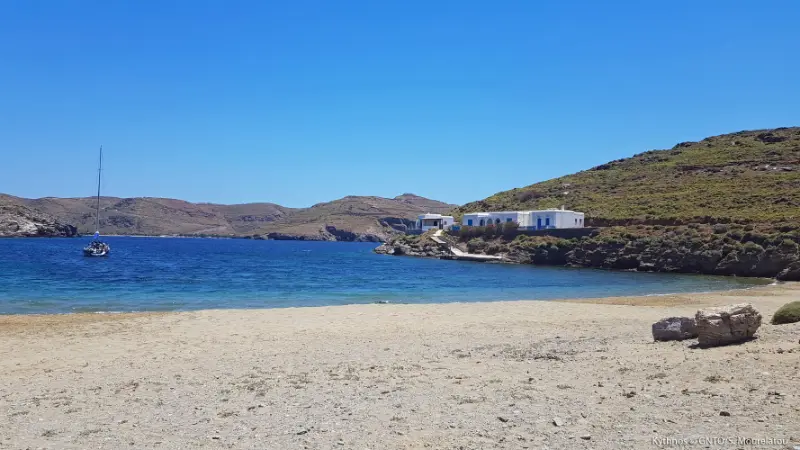
    Panagia Kanala suits travellers who want a peaceful south-east base, a church-and-village setting and nearby coves. Families with a car and couples looking for calm can love it. The pine trees also give the area a different visual character from much of Kythnos.

    It is less suitable for travellers who want nightlife, frequent spontaneous taxis or a large restaurant choice. Confirm practical services before booking a long stay.

    Remote beach accommodation

    Kythnos has rooms and small properties near coves where the sea is the entire point of the stay. This can be wonderful if you have a vehicle, enjoy cooking or simple tavernas and are happy to trade evening variety for quiet.

    Read the access description carefully. A remote property may involve an unpaved road, steep parking or limited phone signal. Ask about water, groceries and whether a normal rental car can reach it comfortably.

    How I would choose for different travellers

    For a first visit: Chora. For two nights: Merichas. For a quiet couple’s stay: Loutra or Kanala. For families who want an easy beach: Episkopi area. For a no-car trip: Chora, Merichas or Loutra depending current bus schedules. For remote beach lovers: choose the coast only after confirming road access.

    If you have five or six nights, do not automatically split the stay. Kythnos is small enough that one well-chosen base is usually easier. Change hotels only if you specifically want two contrasting experiences, such as two nights in Chora followed by a secluded beach stay.

    How this fits into a first Kythnos trip

    A first visit should have three layers: one village day, one or two easy beach days and one day for the place that requires extra logistics, such as Kolona, a remote southern cove or a long hike. Chora and Dryopida provide the cultural backbone; Loutra adds the thermal-spring story; Merichas keeps ferry days simple. The mistake is trying to touch every coast in 48 hours because the island looks small on a map.

    If you have five nights, keep at least one half-day deliberately empty. Use it for weather changes, a beach you want to repeat, a delayed ferry or an unexpected local festival. That empty space is often what makes a small-island holiday feel relaxed rather than over-planned.

    Getting around: car, bus, taxi or boat?

    A car is the easiest way to explore Kythnos because beaches are scattered around a deeply indented coastline. It is not mandatory. The municipality lists local bus and taxi services, and seasonal boats can help with selected beaches. The important point is that public transport is not designed to reproduce the freedom of a rental car. Build a smaller, coherent itinerary instead of using taxis to chase every remote cove.

    If you rent a vehicle, ask specifically about unpaved-road exclusions. Some famous beaches are approached by tracks whose condition can change. A small island is exactly where a damaged tyre, blocked track or contract exclusion can consume half a holiday. For a no-car trip, use my Kythnos without a car guide to choose a base before booking accommodation.

    When to go and how weather changes the plan

    June and September are particularly attractive for travellers who want warm-weather island life without the most intense August pressure. July and August offer the strongest summer atmosphere but also the highest heat, demand and road traffic. May and October can be excellent for hiking and villages, although sea temperature and seasonal beach services are less predictable.

    The meltemi is not merely a weather footnote. Wind can change swimming comfort, boat excursions and the value of a west- or east-coast plan. Check conditions each morning and be willing to switch sides of the island. That simple habit improves Kythnos more than a rigid seven-day schedule.

    Merihas Port Aerial Drone View Morning Greece Kythnos Island Cyclades

    Costs and booking priorities

    Accommodation is the item I would book first for July and August, followed by ferry tickets if your dates are fixed. Car rental can also become scarce in peak periods because the island fleet is finite. Restaurants generally require less advance planning than famous Santorini or Mykonos venues, but a special dinner or festival night can still be worth reserving.

    Keep some budget for taxis or boat transfers even if you rent a car. A one-way taxi can turn a hike into a much better route, and a calm-weather boat trip can remove the stress of a difficult beach road. Spend for convenience where it buys time rather than automatically choosing the cheapest transport every day.

    Common mistakes to avoid

    • Choosing a remote beach because it looks close on the map without checking the final road or walking access.
    • Planning Kolona for the ferry-departure day and leaving no buffer for transport or wind.
    • Assuming every cove has umbrellas, drinking water and food.
    • Walking exposed roads or trails in the hottest part of an August day.
    • Booking accommodation without asking about steps, parking and luggage access.
    • Relying on an old bus timetable saved from a previous season.
    • Treating Chora and Dryopida as quick photo stops instead of part of the island experience.
    • Ignoring wind direction when choosing a beach.
    • Driving unsuitable rental cars onto rough tracks.
    • Trying to visit five beaches per day instead of spending meaningful time at one or two.

    Continue planning Kythnos

    Use this guide with the rest of the Kythnos cluster: Chora and Loutra Kythnos Guide: Cycladic Lanes, Thermal Springs, Food and Where to Stay; Dryopida and Katafyki Cave Kythnos Guide: Village, Museums, Pottery and Visiting Tips; Merichas and Episkopi Kythnos Guide: Port, Beaches, Ferries and Where to Stay; Kolona and Apokrousi Kythnos Guide: Sandbar, Access, Swimming and Sunset; Panagia Kanala Kythnos Guide: Church, Beaches, South-East Coast and Where to Stay; Best Beaches in Kythnos: 15 Beaches for Families, Snorkelling, Wind and Quiet Days; Kythnos Hiking Guide: Castle of Oria, Vryokastro, Dryopida and Coastal Routes; Kythnos Without a Car: Buses, Taxis, Boats and the Best Car-Free Bases; Kythnos with Kids: Family Beaches, Villages, Easy Days and Practical Tips. If this is your first article, start with the Kythnos Travel Guide and then open the detailed pages that match your base, transport and beach priorities.

    Greece Kythnos Island Loutra Port White Buildings Rocky Hill View From Sea Cyclades

    Useful official sources before you go

    For information that can change, recheck these official or municipal sources before travelling: Traditional settlements; Tourism and transport; Beaches. Ferry schedules, buses, museum or cave opening arrangements, beach services and road conditions can change by season. I would verify any detail that affects a specific day rather than relying on a screenshot saved months earlier.

    Frequently asked questions

    What is the best area for a first visit?

    Chora is the most balanced choice for atmosphere and central location, while Merichas is easier for a very short trip.

    Where should families stay?

    Episkopi, Merichas, Loutra or Kanala can work well depending on beach preference and whether you have a car.

    Where is best without a car?

    Chora, Merichas and Loutra are the strongest candidates, but always check the current bus timetable.

    Is it worth splitting the stay?

    Usually not for trips under a week. One base plus day trips is simpler on an island this size.

    Which area is quietest?

    Kanala and remote beach areas are generally quieter than Chora or the port, though summer weekends can change the atmosphere.

    Final planning advice

    Kythnos is at its best when the plan stays flexible. Choose one good base, keep a car or transport strategy that matches your priorities, and let wind decide some of the beach choices. The island does not need a checklist mentality. A slow village evening, one memorable swim and a well-timed walk can be more satisfying than racing around every named cove.

    The final test is simple: if the itinerary leaves no time to sit in Chora, linger over lunch in Dryopida, repeat a favourite beach or change plans because the wind shifted, it is too full. Kythnos rewards the opposite approach—fewer transfers, longer stops and enough flexibility to enjoy the island you actually find when you arrive.

  • Syros Without a Car: Buses, Walking, Taxis and the Best Bases

    Syros Without a Car: Buses, Walking, Taxis and the Best Bases

    Syros is one of the easier Cycladic islands to enjoy without renting a car, especially if you base yourself in Ermoupoli. The ferry port, main bus connections, taxis, restaurants and cultural sights are concentrated in the capital, while seasonal buses reach many of the island’s best-known beaches and villages.

    Car-free travel does require a different style of planning. You cannot assume that every beach is linked late into the evening or that a bus timetable from July applies in May or October. The solution is to build each day around one route, keep taxi money for awkward connections and choose accommodation based on the actual bus stop rather than the island map.

    This guide explains how to make that work, including where to stay, which places combine naturally, what to do on arrival and departure days, and when a one-day rental may still be worthwhile.

    At a glance

    Best no-car baseErmoupoli
    Best beach basesGalissas or Kini when buses are frequent
    Main toolsKTEL buses, walking, taxis, boats
    Hardest areaRemote northern coves
    Best strategyOne transport corridor per day

    Why Ermoupoli is the easiest base

    Ermoupoli concentrates the ferry terminal, bus departure points, taxi availability, supermarkets, museums and the widest restaurant choice. That means your arrival and departure days are productive rather than lost to transfers. You can check in, explore Miaouli Square, Vaporia or Asteria and save a beach excursion for the next morning.

    The trade-off is that the best sandy beaches are outside town. If you are happy to take a bus for swimming, this is minor. If your ideal holiday means stepping from your room directly onto sand several times a day, Galissas or Kini may be a better base.

    Understanding the KTEL network

    The island’s bus system links Ermoupoli with several main settlements and beaches. Current official schedules should be checked for your exact travel dates because routes and frequencies change seasonally. Around the current September 2026 timetable, western and southern destinations such as Kini, Galissas, Finikas, Posidonia, Megas Gialos, Vari and Azolimnos appear within the network.

    Do not plan from a blog screenshot saved months earlier. Check the official KTEL Syros site, confirm where the stop actually is, and arrive a few minutes early. If the last return bus is critical, take a screenshot of the day’s timetable and keep taxi information as a backup.

    A practical beach day by bus

    Choose one corridor instead of trying to cross the island repeatedly. For example, spend the morning and lunch in Galissas, or take a later bus to Kini and remain through sunset before returning. On the south-west route, combine Agathopes with Posidonia or Finikas because the places sit close together.

    The key is not squeezing in more stops but reducing the number of timetable decisions. Every additional beach introduces another wait, walk and risk of missing a connection. A car-free day becomes relaxing when transport is the framework rather than the main event.

    Walking in Ermoupoli and Ano Syros

    Central Ermoupoli is highly walkable, but the terrain is not flat once you leave the waterfront. Vaporia involves slopes and steps, while Ano Syros is a sustained climb through pedestrian lanes. Distance estimates on a map can therefore understate effort, especially in summer heat.

    Use taxis strategically if a steep climb would drain energy you want for sightseeing. One short taxi ride to a higher access point can make Ano Syros much more manageable, after which you can descend on foot. Comfortable shoes matter more than any transit pass.

    When taxis are worth the money

    Taxis are most useful for early-morning ferries, late dinners after the final bus, luggage transfers and combinations that would require long waits. They also provide insurance on a short trip: missing half a day to save one taxi fare rarely makes sense if you only have three nights.

    Ask for approximate fare information before setting out and arrange pickup for time-sensitive journeys. In peak season demand can rise around ferry arrivals and nightlife hours, so do not assume a vehicle will appear instantly in a remote village.

    Boat trips as transport and experience

    From places such as Kini, seasonal boats may serve remote beaches in the north-west. These trips are not a replacement for the bus network but can open parts of Syros that are otherwise difficult without a car and serious hiking. Weather determines whether they operate.

    Syros Island Hermoupolis Cityscape Panorama Aerial Drone View Greece Cyclades

    Confirm the return time, shade, swimming stops and what happens if conditions change. Carry enough water even on an organised outing, and do not build a same-day ferry departure around a boat trip that depends on sea conditions.

    Should you rent a car for one day?

    A one-day rental can make sense if you want to connect remote villages, several south-coast stops or trailheads that do not fit bus times. It can be a better compromise than paying for a car throughout a stay when it would sit parked in Ermoupoli most days.

    If you do rent, choose that day for places that are genuinely difficult by public transport. Do not waste the vehicle driving to a beach already served directly by a frequent bus unless carrying equipment or travelling with mobility needs changes the calculation.

    How much time to allow

    A three- to five-night trip works very well without a car if you stay centrally and accept one main excursion per day. Syros is compact on a map, but steep streets, beach stops and meal times make a rushed schedule less enjoyable than it looks. Build the day around two or three meaningful anchors rather than a list of ten pins. That gives you room for a swim, a museum that takes longer than expected, or a bus connection that is less frequent outside the busiest summer weeks.

    If you are visiting on a day trip, identify the one experience that matters most and protect time for the return to the port. If you are staying several nights, group places by coast: Ermoupoli and Ano Syros together, Galissas with the south-west, and Kini with the west. This simple geographic approach cuts backtracking and gives every stop a more relaxed rhythm.

    Getting around and transport reality

    Use the official KTEL timetable as the backbone of each day and taxis as a targeted backup rather than trying to improvise every connection. The public bus network is useful for the main settlements and beaches, but timetables are seasonal. Check the official KTEL Syros schedule shortly before travelling rather than planning from an old screenshot. Taxis are valuable for early ferries, late dinners and combinations that do not line up neatly with buses.

    Panoramic View Ermoupolis City Syros Island With Ferries Cruise Liners Greece

    A rental car gives more flexibility for remote coves and village combinations, but it is not automatically the best choice in Ermoupoli. Central streets can be steep, narrow and busy, and parking may be some distance from your accommodation. Travellers who stay centrally can often combine walking, buses and an occasional taxi and avoid driving every day.

    Best time of day

    Travel outward earlier when buses are more frequent, and decide before sunset whether you have a reliable return from beach villages. In July and August, the middle of the day can feel much hotter on stone streets and exposed beaches than the air temperature suggests. Use morning for uphill walking, museums or uncrowded swimming, keep lunch unhurried, and save sunset-facing beaches or waterfront walks for later.

    Wind matters as much as temperature in the Cyclades. A beach that looks perfect in a photograph may feel very different on a strong northerly day. Keep at least one flexible beach afternoon and ask locally which coast is calmer that day; this is more useful than locking every swim into the itinerary weeks in advance.

    What to bring

    Offline maps, the current timetable screenshot, comfortable shoes and a charged phone are the most useful car-free tools. Add a refillable bottle, strong sun protection, a light layer for evening wind and offline maps. Shoes with grip are much more useful than smooth sandals in Ano Syros, on polished marble steps and on rough paths to quieter coves.

    For beaches, pack a small dry bag or waterproof pouch for phones and ferry tickets. For churches and cultural sites, carry something that lets you dress respectfully without returning to your room. Families should add water shoes when children dislike pebbles and a compact shade solution for beaches with limited natural cover.

    Costs and reservations

    Bus fares keep ordinary days inexpensive; reserve part of the transport budget for two or three taxi rides rather than viewing every taxi as a failure of planning. Accommodation prices rise sharply around popular summer weekends, so lodging and ferry tickets deserve priority. Ordinary beach days and village walks do not need to be over-planned, and leaving some free time makes it easier to react to wind, heat and local events.

    For paid museums and attractions, confirm opening hours on the official site on the day before your visit. Small Cycladic museums sometimes close one weekday or change seasonal hours. For restaurants with a specific sunset table in mind, reserving ahead is sensible in July and August; otherwise, eating a little earlier or later usually provides more flexibility.

    How this fits into a wider Syros trip

    Start with the Syros Travel Guide for the island overview, then use Syros with Kids, Where to Stay in Syros, Ermoupoli Guide, Ano Syros Guide, Vaporia & Asteria for the parts of the trip that need more detail. Linking the guides by geography and travel style makes it easier to plan realistic days instead of zig-zagging across the island.

    Tours and activities

    If you want a guided experience, boat trip or organised activity, compare what is available for your exact dates. Check the meeting point, cancellation terms, language, duration and what is included before booking; on an island, wind can also affect marine activities.

    Common mistakes to avoid

    • Booking remote accommodation because it looks close on the map.
    • Using an outdated seasonal bus timetable.
    • Planning four beach stops on separate routes in one day.
    • Ignoring steep walking in Ermoupoli and Ano Syros.
    • Scheduling a weather-dependent boat trip immediately before a ferry departure.

    Frequently asked questions

    Can you visit Syros without renting a car?

    Yes. Ermoupoli plus the seasonal bus network makes a car-free trip practical for many visitors.

    Where should I stay without a car?

    Central Ermoupoli is the easiest overall base; Galissas or Kini can work for beach-focused stays if the current bus timetable is strong.

    Can buses reach the beaches?

    Many main southern and western beaches are served seasonally, but frequencies vary by date.

    How do I reach Ano Syros?

    You can walk uphill from Ermoupoli or use a taxi/local connection to reduce the climb, then explore the pedestrian lanes on foot.

    Do I miss much without a car?

    You will have less flexibility for remote coves and scattered villages, but you can still experience the island’s main cultural sights and several excellent beaches.

    Final practical advice

    A car-free Syros trip succeeds when you design it around transport instead of fighting it. Stay where buses and taxis are easy, give each day one geographic focus and spend money on an occasional taxi when it protects valuable holiday time. For many first-time visitors, that is simpler and more relaxing than driving and parking every day.

    Official bus timetable

    Before each bus day, use the official KTEL Syros timetable. Frequencies change by season, so save the timetable that applies to your exact travel date rather than relying on an older blog screenshot.

  • Lesvos Travel Guide: Molyvos, Petrified Forest, Beaches and a 7-Day Road Trip

    Lesvos Travel Guide: Molyvos, Petrified Forest, Beaches and a 7-Day Road Trip

    Lesvos is large enough to feel like several destinations in one island. Mytilene has an urban port-city character, Molyvos climbs beneath a fortress, the west turns dry and volcanic around Sigri, and the Gulf of Kalloni supports wetlands, fishing villages and exceptional birdlife.

    Island Of Lesvos City Of Molyvos Molivos Greece

    This scale is why I would treat Lesvos as a road-trip island rather than a quick beach stop. A week gives you time to understand its food, geology and village culture, while shorter visits should focus on one region instead of circling the whole island.

    Why visit Lesvos?

    Lesvos offers extraordinary variety: fortified towns, monasteries, thermal springs, beaches, olive groves, ouzo traditions and one of the Mediterranean’s most important petrified forests. It rewards travellers interested in culture and landscape as much as swimming.

    The island also feels less packaged than many internationally famous Greek islands. That makes it especially appealing for repeat visitors who want everyday Greek life alongside major attractions.

    Where to stay

    Because distances are significant, consider two bases for a week-long trip.

    Mytilene

    Best for airport access, museums, urban life and the south-east. It is useful at the start or end of the trip.

    Molyvos / Mithymna

    A beautiful northern base with stone houses, a castle and easy access to Petra and the north coast.

    Skala Eressos

    A relaxed western beach base with a distinctive social atmosphere and good access to the dry west.

    Sigri

    A quiet western base near the Petrified Forest and dramatic volcanic landscapes, ideal for travellers who value remoteness.

    Best things to do

    Walk Molyvos

    Climb through stone lanes toward the castle and stay into the evening when the town becomes especially atmospheric.

    Explore Mytilene

    Give the capital real time for museums, markets and waterfront life rather than treating it only as an airport gateway.

    Visit the Petrified Forest

    The western landscape records ancient volcanic activity and is one of the island’s defining natural experiences. Use official visitor information to plan the relevant parks and museum.

    Discover Petra and the north

    Petra combines a broad beach, village life and an elevated church reached by steps. It works well with Molyvos.

    Taste Plomari ouzo culture

    Plomari is strongly associated with ouzo production. Visit responsibly and allow time for a meal rather than turning tasting into a driving day.

    Watch birds around Kalloni

    The wetlands around the gulf are internationally important for birdwatching, especially during migration seasons.

    Beaches and nature

    Lesvos has long sandy beaches, pebbled coves, wetlands and a dry volcanic west. Choose beaches by region because driving across the island for one swim rarely makes sense.

    The Petrified Forest and the Kalloni wetlands show why Lesvos deserves a nature-focused itinerary. This is not an island where the best scenery is limited to the shoreline.

    Food and local character

    Food is one of Lesvos’s strongest reasons to visit. Olive oil, sardines from Kalloni, cheeses, seafood, herbs and meze culture pair naturally with the island’s ouzo tradition.

    Plan meals as part of the journey. Fishing villages and inland towns can offer more memorable experiences than eating every night in the most tourist-oriented harbour.

    How to get there

    Lesvos has an airport near Mytilene and substantial ferry connections. Because it is far from Athens by sea, flying can be efficient for short trips, while ferries make more sense in a wider North Aegean route.

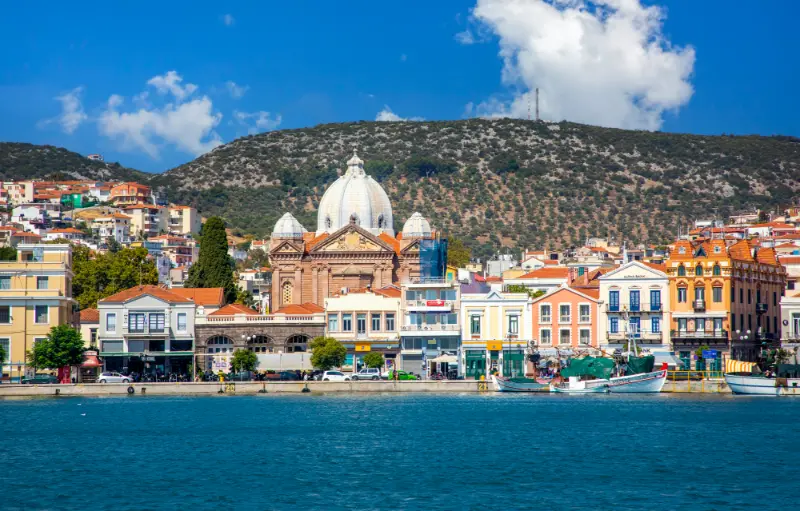
    View Mytilene Seaside Port With Cathedral Agios Therapontas Lesvos Island Greece

    Always confirm whether a ferry is daytime or overnight and where it fits with hotel check-in. Long sea routes require more planning than short Cyclades hops.

    Getting around

    A rental car is the best way to see the island in depth. Roads are generally workable, but distances are real and cross-island drives consume time.

    For a car-free trip, base yourself in Mytilene, Molyvos or another well-served town and accept a narrower itinerary using buses, taxis and organised excursions.

    How many days do you need?

    Seven days is a strong minimum for a broad road trip. Ten days lets you include slower beach time and both the north and west without constant packing.

    A realistic 7-day Lesvos road trip

    Day 1 – Mytilene

    Explore the capital and recover from travel rather than driving north immediately.

    Day 2 – South and Plomari

    Head toward the south, combining a village or beach with a responsible ouzo-focused visit.

    Day 3 – Kalloni and north

    Cross toward the Gulf of Kalloni, then continue to Molyvos for an evening walk.

    Day 4 – Molyvos and Petra

    Spend the full day in the north, keeping the pace slow.

    Day 5 – West to Sigri

    Drive west through changing landscapes and make the Petrified Forest the day’s main goal.

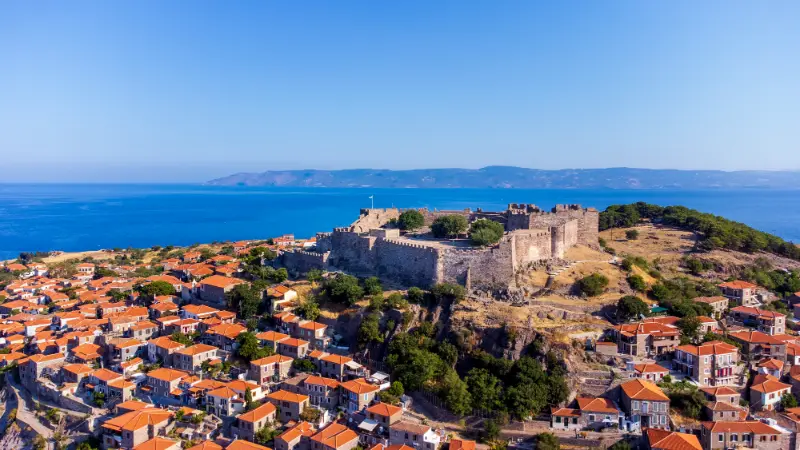
    Sigri Lesbos Greece Lesbos Island Sigri Town Castle View Sea

    Day 6 – Western beaches and villages

    Explore around Sigri or Eressos without crossing the entire island again.

    Day 7 – Return toward Mytilene

    Use a different route if practical, stop for lunch and keep enough margin for your flight or ferry.

    Best time to visit

    Late spring and early autumn are excellent for road trips, walking and food-focused travel. Summer is ideal for swimming but hotter and busier in the main resort areas.

    Birdwatchers often favour migration periods in spring and autumn. Winter offers a very local experience, though tourism services and beach infrastructure are reduced.

    Is it a good choice for families?

    Lesvos can be excellent for families who enjoy varied road trips, especially with older children interested in geology, castles and nature.

    With younger children, use two bases and reduce drive times. Choose beaches with easy access and avoid making every day a sightseeing circuit.

    Budget and booking tips

    Accommodation prices change sharply with season, location and room type. I prefer to compare a few bases before booking rather than choosing the first hotel that looks inexpensive. A cheaper room far from the places you actually want to see can cost more once transport, parking and lost time are included.

    For ferries, flights, rental cars, boat trips and guided activities, treat schedules and prices as dynamic. Check the operator again shortly before travel, especially outside July and August. Weather can affect sea transport, while seasonal businesses may open later in spring or close earlier in autumn.

    Mistakes to avoid

    Do not plan Lesvos like a small Cyclades island. Driving from one end to the other for a single attraction wastes too much of the day.

    Do not reduce the island to Molyvos alone. The capital, west, Kalloni gulf and southern villages are essential parts of its identity.

    Who Lesvos suits best

    Lesvos works best for travellers who are comfortable giving a destination enough time to reveal its character. If your priority is to collect as many islands or regions as possible in a single week, this may feel slower than expected. If instead you enjoy mixing beaches or landscapes with local food, village walks, cultural stops and unplanned pauses, the trip becomes much more rewarding. Couples can build quiet evenings around scenic towns, solo travellers gain flexibility to follow weather and transport conditions, and repeat visitors to Greece will appreciate seeing a side of the country that is less dominated by the most internationally famous stops.

    It is also a strong choice for independent travellers who like making decisions day by day. A rental vehicle can open up more options, but it should not turn the holiday into a driving challenge. Pick one main objective for each day, then add nearby stops only if time and energy allow. That approach keeps the itinerary useful for different ages and budgets and reduces the temptation to race from viewpoint to viewpoint.

    Planning the pace of your trip

    My preferred way to plan this kind of Greece trip is to separate transfer days from sightseeing days. Arrival and departure always take longer than the timetable suggests once luggage, check-in, parking, meals and possible delays are included. Treating those hours as real travel time makes the itinerary far more realistic. On full days, start early for exposed archaeological sites, long drives or hikes, then reserve the hottest part of the afternoon for lunch, swimming or rest.

    Keep at least one half-day flexible. Wind, heat, ferry changes or a beach you unexpectedly love can easily change priorities. A flexible block prevents one cancelled boat trip or poor-weather morning from becoming a problem. It also leaves space for the experiences that are difficult to schedule in advance: a village festival, a recommendation from a hotel owner, a quiet cove discovered on the road or simply the decision to stay longer over lunch.

    How to combine Lesvos with the rest of Greece

    Lesvos can be part of a North Aegean route with Chios, though direct schedules must be checked for your dates.

    For another large island with road-trip potential, compare the experience with Crete; both reward splitting the stay between regions.

    Frequently asked questions

    How many days do I need in Lesvos?

    Seven days is a good first trip; ten is better for a relaxed island-wide route.

    Do I need a car?

    Yes if you want to see multiple regions efficiently.

    What is Lesvos famous for?

    Ouzo, olive oil, Molyvos, the Petrified Forest, Kalloni sardines, wetlands and a rich cultural history.

    Where should I stay?

    Mytilene and Molyvos make a strong two-base combination for first-time visitors.

    Is Lesvos mainly a beach island?

    No. Beaches are important, but geology, food, villages and birdlife are equally strong reasons to visit.

    Practical final advice

    Build your days around geography rather than a checklist. Group nearby beaches, villages and sights together, leave room for a long lunch or an unexpected swim, and avoid crossing the same area repeatedly. This matters even more on islands and mountain roads, where short distances can take longer than they appear on a map.

    Carry water, sun protection and shoes suitable for uneven ground. Download an offline map before remote drives or hikes, and do not rely on mobile coverage in every cove or mountain village. If a route uses an unpaved road, confirm the conditions locally and check whether your rental agreement permits it.

    Most importantly, allow the destination to feel different from the headline islands. The value of this trip is not in reproducing Santorini or Mykonos somewhere else, but in experiencing its own landscapes, food, architecture and daily rhythm. A slower itinerary usually produces a better trip than adding another island simply because it fits on the map.

    Useful official information

    For destination updates and inspiration, consult the Greek National Tourism Organisation: Visit Greece – Lesvos. Always recheck transport timetables and seasonal opening details close to your travel dates.

  • Where to Stay in Serifos: Chora, Livadi, Livadakia or a Quiet Beach?

    Where to Stay in Serifos: Chora, Livadi, Livadakia or a Quiet Beach?

    Where to Stay in Serifos is part of a larger Serifos trip rather than an isolated attraction. Serifos works best when you combine its hilltop Chora, port life, beaches, old villages, mining landscapes and footpaths instead of spending the entire holiday in one resort zone. This guide focuses on the decisions that matter on the ground: access, timing, swimming conditions, transport, where to eat and how to connect the experience with the rest of the island.

    Serifos is compact on a map but topography changes travel time. Roads climb and curve, old paths cross steep slopes and many beaches remain deliberately low-key. The result is an island that feels authentic and easy to understand once you stop trying to visit everything in one day. Build the trip around one main objective each morning and leave room for a second activity only if weather, transport and energy cooperate.

    Quick planning overview

    QuestionPractical answer
    Best forTravellers who want a quieter Cyclades experience with beaches, walking and traditional settlements
    Main transport choiceBus for Livadi–Chora, car or taxi for flexible island exploration, walking for selected old paths
    Best rhythmOne main area or beach per half-day rather than constant driving
    Biggest planning mistakeAssuming every beach has food, shade or frequent transport
    Useful baseLivadi/Livadakia for convenience; Chora for atmosphere

    Chora

    Choose Chora for atmosphere, views, evening dining and the feeling of living inside a Cycladic settlement. It is especially good for couples and travellers who prefer sunset walks to immediate beach access.

    The disadvantages are steps, hills and luggage. Confirm how far your room is from a road-accessible drop-off point and whether the property can help with bags.

    Livadi

    Livadi is the practical choice for first-time visitors, short trips and anyone without a car. Ferries, buses, taxis, shops and restaurants concentrate here, and Avlomonas provides an easy swim.

    It is less romantic than Chora, but the ability to reach the ferry in minutes and solve transport problems quickly is a major advantage.

    Livadakia

    Livadakia works well for travellers who want a beach immediately outside the door without losing access to Livadi. It can be particularly convenient for families because a child-friendly morning does not require transport.

    Check the exact walking route to the port if you have heavy luggage. A property that looks extremely close on the map may still involve uneven lanes.

    Quiet beach and village stays

    Staying near Ganema, Mega Livadi or a smaller village gives you silence and scenery, but you should treat a car or reliable transfer plan as essential. Restaurants and shops may be limited, particularly outside peak season.

    These locations suit repeat visitors, couples and road-trip travellers better than first-time no-car visitors. The best area is not the prettiest photo; it is the one that makes your actual daily routine easy.

    A useful cultural stop: the Archaeological Collection in Livadi

    The Archaeological Collection of Serifos is now housed in Livadi and gives useful historical context to the island beyond beaches and modern mining. The permanent display includes sculpture, architectural pieces, funerary reliefs and amphorae connected with sites such as Chora and Aspros Pyrgos, covering periods from Classical to Roman times.

    Serifos Greece

    For the 2026 summer season the official museum portal lists general admission at €5, closure on Tuesday and opening from 08:30 to 15:30, with a later Friday schedule. Hours can change on holidays or operationally, so check again before building a ferry or beach day around the museum.

    How many days should you allow?

    A three-night stay is enough for a first taste of Serifos, but four or five nights creates a much better balance between Chora, beaches, villages and the mining landscapes. With only two nights, ferry times can dominate the trip and weather has too much power over your beach plans.

    If this article focuses on one district or activity, use it as one half-day or one full day inside a longer island stay. Avoid changing accommodation mid-trip unless you have a very specific reason; distances are short enough to explore from one sensible base.

    When to go

    June and September are excellent for travellers who want swimming without the most intense crowds. July and August have the fullest transport and beach-service network but also the strongest heat and accommodation demand. May and October can be superb for walking, although sea temperature and seasonal businesses become less predictable.

    Hikers should prioritise cooler hours in every season and avoid exposed routes in extreme heat or strong wind. Beach travellers should stay flexible because the Cycladic wind can make one coast uncomfortable while another remains calm.

    What to pack

    Serifos rewards practical packing: shoes with grip for Chora and trails, a hat, high-SPF sun protection, a refillable bottle and a light layer for ferry decks or windy evenings. A small daypack is more useful than a large beach bag on cobbled paths.

    Serifos Hora Greece

    For unorganised beaches add water, snacks, basic shade and swim shoes if you dislike mixed sand and pebbles. Do not assume every remote bay has a canteen, toilets or sunbeds just because it appears on a popular map.

    Practical tips that make the day easier

    • Check the current wind before committing to a beach; a protected coast can be dramatically better than the famous beach you planned the night before.
    • Confirm return transport before leaving Livadi or Chora, especially outside the peak July–August timetable.
    • Carry cash as a backup for small tavernas, buses or seasonal services even if cards are commonly accepted.
    • Do not enter abandoned mine galleries or climb industrial ruins; enjoy the mining heritage from safe paths and public areas.
    • Use the cooler first and last hours of the day for Chora steps and hiking routes.
    • Bring your own water to unorganised beaches and villages with limited services.
    • Keep one flexible half-day in the itinerary for wind, ferry changes or a beach you decide to revisit.
    • Respect churches and residential lanes: modest behaviour and low noise matter in small settlements.
    • If you are travelling with children or limited mobility, ask accommodation hosts about steps and road access before booking.
    • Download or photograph useful bus and trail information, but still verify locally because seasonal operations change.

    Continue planning your Serifos trip

    Use this page together with the rest of the new Serifos cluster: Chora Serifos Guide; Livadi and Livadakia Serifos Guide; Mega Livadi and Koutalas Serifos Guide; Psili Ammos and Agios Sostis Serifos Guide; Ganema, Vagia and Koutalas Beaches Serifos Guide; Serifos Villages Guide; Serifos Hiking Guide; Serifos Without a Car; Serifos with Kids; Where to Stay in Serifos. Start with the Serifos Travel Guide if this is your first visit, then choose the detailed guides that match your base and interests.

    Useful official sources before you go

    For details that can change, I cross-check the official Municipality of Serifos portal, the official transport page, the official hiking network and the Archaeological Collection of Serifos. Bus timetables, beach transfers, museum hours and seasonal services can change, so recheck the details that affect a specific travel day.

    Frequently asked questions

    Do I need a car in Serifos?

    Not always. Livadi, Livadakia and Chora can work very well with buses and walking, while a car becomes much more useful for multiple remote beaches, villages and the southwest mining coast.

    Is Serifos good for a short trip?

    Yes. Three nights can work well if ferry times are favourable, but four or five nights gives you enough flexibility for wind, hiking and a slower beach rhythm.

    Which area is best for a first visit?

    Livadi or Livadakia is the easiest base for transport and services. Chora is the most atmospheric choice if hills and luggage logistics do not bother you.

    Are the beaches organised?

    Some have food, umbrellas or nearby tavernas, but many are largely unorganised. Carry water and shade whenever you are unsure.

    Can I hike in summer?

    Yes, but start early or late, avoid extreme heat and carry more water than the route distance alone suggests.

    Final planning advice

    The best Serifos trips are built around contrast: an old stone path followed by a swim, a quiet village followed by Chora at sunset, or a mining-history stop followed by a relaxed taverna by the sea. Keep the schedule light enough to respond to wind and transport, and the island will feel far richer than a simple list of beaches.

    How to use one base efficiently

    Serifos is small enough that one good base is usually better than changing hotels. From Livadi or Livadakia you can solve ferry and bus logistics quickly; from Chora you gain atmosphere but accept more steps. Use taxis strategically for one-way hikes or a late dinner instead of paying for a rental vehicle every day if you only need it occasionally.

    the island is small enough that one good base is usually better than changing hotels. From the port area or Livadakia you can solve ferry and bus logistics quickly; from the hill town you gain atmosphere but accept more steps. Use taxis strategically for one-way hikes or a late dinner instead of paying for a rental vehicle every day if you only need it occasionally.

    Responsible travel on a small island

    Small islands feel crowding quickly because beaches, lanes and water resources are limited. Carry reusable water bottles, keep rubbish with you until you find proper bins, avoid moving stones or damaging dry-stone walls, and park only where you are not blocking residents, emergency access or agricultural tracks. These details directly affect the places visitors come to enjoy.

    Small islands feel crowding quickly because beaches, lanes and water resources are limited. Carry reusable water bottles, keep rubbish with you until you find proper bins, avoid moving stones or damaging dry-stone walls, and park only where you are not blocking residents, emergency access or agricultural tracks. These details directly affect the places visitors come to enjoy.

  • Petra and Anaxos Lesvos Guide: Beaches, Panagia, Molyvos Trips and Where to Stay

    Petra and Anaxos Lesvos Guide: Beaches, Panagia, Molyvos Trips and Where to Stay

    Petra and Anaxos are two of the easiest north-Lesvos bases for travellers who want beach time without giving up access to Molyvos, Eftalou and inland villages. Petra has the stronger village centre and landmark church; Anaxos feels more beach-resort oriented and relaxed.

    For many first-time visitors, Petra is the better all-round base while Anaxos suits travellers who expect to spend long afternoons by the sea. Both work especially well in a split stay with Mytilene or the west of Lesvos.

    Quick planning summary

    QuestionPractical answer
    Best forNorth-coast beach stays and easy Molyvos access
    Petra advantageVillage centre, landmark church, transport
    Anaxos advantageRelaxed beach-focused stay
    Time needed2–4 nights

    Petra and Panagia Glykofilousa

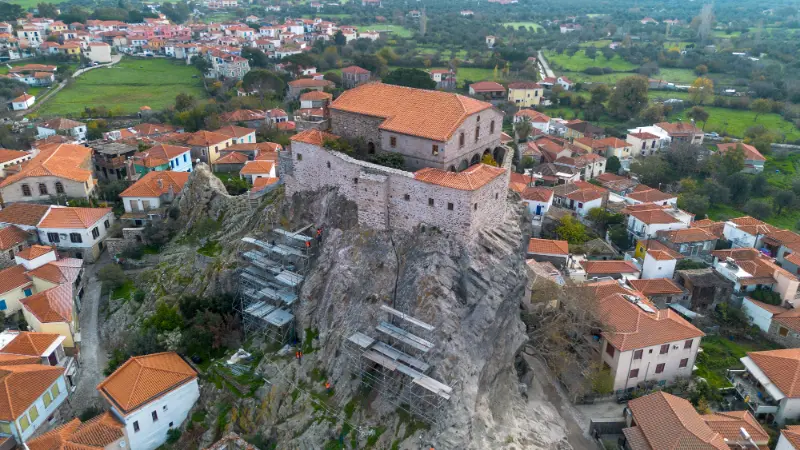
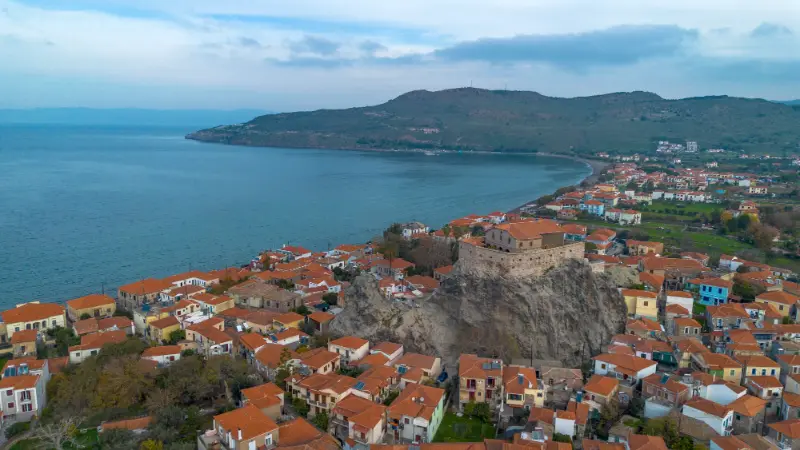
    Petra is instantly recognisable because the Church of Panagia Glykofilousa rises on a rock above the settlement. The climb is part of the experience, with views over the rooftops and coast. Go early or late in summer rather than climbing in the strongest midday heat.

    Dress respectfully for the church and keep voices low. Even if you are not visiting for religious reasons, the site is important to local identity and should be treated as more than a viewpoint.

    Petra beach and village life

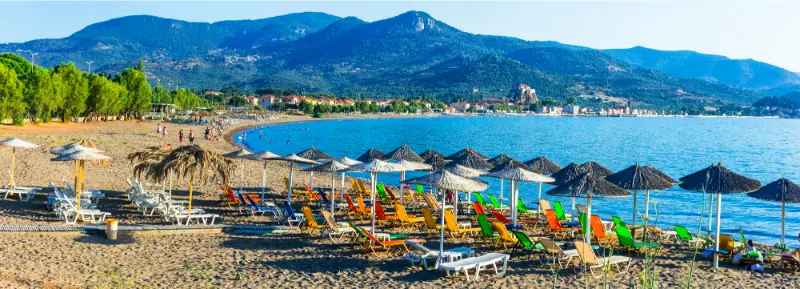
    Petra beach is convenient for a classic swim-and-lunch day because cafés, restaurants and accommodation are close. It is not the island’s wildest beach, but that is exactly why it works for families and travellers without a car.

    In the evening, Petra remains compact enough to walk for dinner. This makes it a practical contrast to more isolated coastal hotels where every meal requires driving.

    Anaxos beach

    Anaxos is a short distance west of Petra and offers a more resort-like beach atmosphere. It is a good choice if you want a slower stay centred on swimming, reading and casual meals rather than sightseeing from morning to night.

    Check the exact accommodation position before booking. Some properties marketed under the wider Anaxos area are farther from the beach than the name suggests, and hills can feel very different in August heat.

    Molyvos as an easy day or evening trip

    Molyvos is close enough to combine with Petra or Anaxos, especially for a castle visit followed by dinner around the harbour. The town is one of the most atmospheric places in Lesvos, but parking and steep lanes make it better to arrive with time rather than squeeze it between beach stops.

    Use the Molyvos Lesvos Guide for castle, harbour and walking details. If Molyvos evenings are your top priority, consider sleeping there and using Petra as the beach day instead of reversing the plan.

    Panagia Glykofilousa Petra Lesvos Greece View 3

    Eftalou and the north coast

    Eftalou adds a quieter coastal character east of Molyvos and makes a good half-day when you want to combine sea views, swimming and a less commercial setting. Road and weather conditions can affect the experience, so ask locally before committing to remote stretches.

    Do not assume every beach has shade or services. Water shoes, drinking water and a light beach setup are useful on the north coast.

    Where to eat

    Petra gives you more choice within an easy evening walk; Anaxos suits simple beach dining. In either place, look for local cheese, seasonal vegetables, seafood and meze rather than ordering only familiar resort dishes.

    For an island-wide tasting plan, continue with the Lesvos Food and Ouzo Guide. A north-Lesvos stay is also a good moment to try local olive products and compare ouzo styles without needing to drive after dinner.

    Getting around

    KTEL Lesvos lists the Mytilene–Petra–Molyvos corridor, making Petra one of the more practical north-coast bases without a car. Bus frequency still changes by season, so a car-free itinerary should be built from the current timetable rather than assumed daily patterns.

    Panagia Glykofilousa Petra Lesvos Greece

    With a car, Petra and Anaxos are convenient for Molyvos, Eftalou and western excursions. Parking is generally easier than in Molyvos itself, which is another reason some travellers prefer to sleep here.

    Where to stay: Petra or Anaxos?

    Choose Petra for the strongest combination of village atmosphere, restaurants, beach and transport. Choose Anaxos if the beach is the focus and you prefer a quieter holiday mood. Couples and families can enjoy either; the difference is more about evening atmosphere than luxury level.

    For a broader comparison of Mytilene, Plomari, Skala Eressos and the north, read Where to Stay in Lesvos.

    A two-day north Lesvos plan

    Day one: Petra village, church and beach, followed by dinner locally. Day two: Molyvos castle and harbour, then Eftalou or a return swim at Anaxos depending on weather and energy.

    If you have a third day, keep it flexible for a longer north-coast drive or a slow beach day. The mistake is turning every day into a cross-island excursion simply because Lesvos looks manageable on a small map.

    Best time to stay

    June and September are ideal for a mix of swimming and sightseeing. July and August have the widest range of seasonal services and the busiest evenings. Spring can be beautiful for walking and village exploration even when the sea is still cool.

    Outside high season, check restaurant and bus frequency before choosing a quiet resort-style base. Petra tends to remain more useful than a purely seasonal beach strip.

    How much time should you allow?

    Lesvos is much larger than many visitors expect. Even when two places look close on a simple island map, road quality, village traffic, viewpoints and meal stops can turn a short transfer into half a day. Plan by region and resist the urge to cross the island repeatedly.

    Keep at least one flexible half-day in a week-long trip. Wind, heat, museum hours and local events can change the best plan, and having space to move a beach or village visit is more useful than a schedule packed to the minute.

    Best time to visit Lesvos

    May, June and September are excellent for travellers who want sightseeing, food, walking and some swimming without the strongest peak-season heat. July and August have the widest choice of seasonal services but also more demand and hotter afternoons. Spring is outstanding for wildflowers and bird migration; autumn brings a slower rhythm and important bird movement again.

    Outside summer, check ferry, bus and attraction schedules for the exact date. Lesvos has substantial year-round life, especially around Mytilene, but beach businesses and visitor attractions can reduce hours.

    Driving and road-trip rhythm

    A car is the easiest way to experience a broad range of Lesvos, but driving should not become the main activity. Base yourself regionally, refuel before remote west-coast days and avoid committing to long unfamiliar roads after a late dinner.

    If you are travelling without a car, the trip is still possible but should use fewer bases. The Lesvos Without a Car guide explains the current KTEL corridors and realistic compromises.

    Responsible travel and practical safety

    In summer, carry water, sun protection and closed shoes for archaeological or hiking sites. Respect fire-risk restrictions, never block agricultural roads and keep beaches free of litter. On remote coasts, tell someone where you are going if mobile coverage is uncertain.

    For cultural and religious sites, dress respectfully and follow photography rules. For wetlands and birdwatching, stay on public roads and hides rather than approaching wildlife. Good travel on Lesvos is mostly about small decisions that protect the places you came to enjoy.

    More Lesvos guides

    Mytilene Lesvos Guide: Castle, Museums, Waterfront, Food and Where to Stay; Plomari Lesvos Guide: Ouzo, Agios Isidoros, Museums, Villages and Where to Stay; Skala Eressos Lesvos Guide: Sappho, Beach, Village Life and Where to Stay; Agiasos Lesvos Guide: Panagia, Pottery, Chestnut Forests, Food and Village Walks; Kalloni and Birdwatching Lesvos Guide: Salt Pans, Flamingos, Sardines and Wetlands; Lesvos Food and Ouzo Guide: Kalloni Sardines, Ladotyri, Olive Oil and What to Eat; Best Beaches in Lesvos: 15 Beaches for Families, Clear Water, Wild Scenery and Quiet Days; Lesvos Without a Car: Buses, Taxis, Best Bases and a Realistic Car-Free Plan; Where to Stay in Lesvos: Mytilene, Molyvos, Petra, Plomari or Skala Eressos?; Lesvos Travel Guide; Molyvos Lesvos Guide; Petrified Forest of Lesvos Guide.

    Island Of Lesvos Village Of Petra

    Frequently asked questions

    Is Petra better than Molyvos for a beach holiday?

    Usually yes if you want easy beach access. Molyvos is stronger for historic atmosphere and harbour evenings.

    Can I stay in Petra without a car?

    Yes. The KTEL corridor to Mytilene and Molyvos makes Petra one of the easier north-coast bases.

    Is Anaxos good for families?

    Yes, especially for a simple beach-focused stay with accommodation close to the sea.

    How many nights do I need?

    Two nights is useful; three or four gives you time for Molyvos, Eftalou and slow beach days.

    Can I combine Petra with western Lesvos?

    Yes, but consider a split stay if Sigri and Skala Eressos are major priorities.

    Check official information before you go

    For current information use the relevant official source and the official Visit Lesvos portal. For bus schedules use KTEL Lesvos. Opening hours, transport frequencies and seasonal services can change, so verify the detail that matters shortly before travel.

    Final planning advice

    Lesvos rewards slow regional travel. Build each day around one main area, add a beach or meal nearby and leave enough room for an unplanned village stop. The island becomes much more enjoyable when you stop treating distance as dead time and start choosing bases that reduce unnecessary driving.

    For a first trip, focus on two or three regions rather than trying to collect every famous name. You can always return for the parts you missed, and Lesvos has enough depth in food, villages, nature and history to justify another visit.

  • Rethymno Old Town and Fortezza Guide: Venetian Harbour, Alleys and a Perfect Walking Day

    Rethymno Old Town and Fortezza Guide: Venetian Harbour, Alleys and a Perfect Walking Day

    Rethymno’s old town is one of Crete’s best places for travellers who enjoy history without needing a car between every stop. Venetian façades, Ottoman-era minarets, a small harbour, fountains, workshops and the hilltop Fortezza sit within a compact walkable area. The city is not an open-air museum: students, residents, restaurants and shops share the same lanes. That mixture is exactly what makes a full day more rewarding than a quick two-hour stop.

    This guide is built for travellers who want more than a quick photo stop. Keep Rethymno Travel Guide, Arkadi Monastery Guide, Crete Road Trip open while planning so this place fits naturally into the wider trip instead of forcing unnecessary backtracking.

    Why this place deserves its own guide

    The difference between an average visit and a very good one is usually logistical rather than dramatic: arriving at the right time of day, understanding the terrain, leaving space for weather changes and knowing what not to combine. Greece rewards flexible planning. A destination can be world-famous and still feel disappointing if the day is overpacked, while a simple walk or village lunch can become a highlight when the schedule leaves room for it.

    What to see and do

    The Venetian harbour

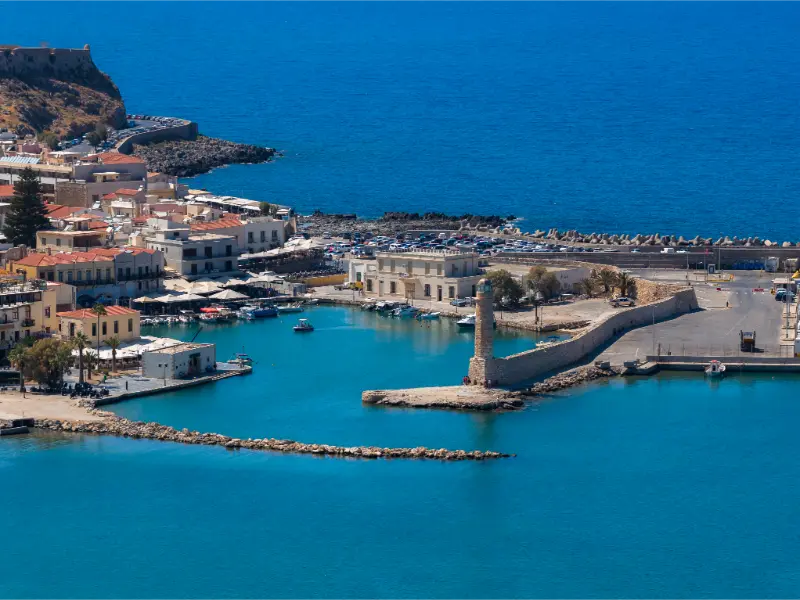
    Begin near the harbour before the waterfront becomes busy. The small basin, fishing boats and lighthouse create the classic Rethymno image, but the best part is the transition from open water into the old lanes behind it. Walk the harbour edge, then leave the restaurant strip and enter the interior streets rather than spending the entire morning beside the sea.

    Rimondi Fountain and old-town lanes

    The Rimondi Fountain is a useful orientation point but not a reason to rush. Around it, narrow streets reveal stone doorways, wooden balconies, small churches, former Ottoman buildings and shops. Look above eye level. Many architectural details are easy to miss if you navigate only between saved map pins.

    Neratze Mosque and layered history

    Rethymno’s built environment records Venetian and Ottoman periods side by side. The former Neratze Mosque, with its prominent minaret, is one of the clearest examples of that layered history. Access and current use can vary, so appreciate the exterior context even when interiors are not open. The city makes more sense when you resist reducing every building to one era.

    The Fortezza

    The late-16th-century Venetian fortress dominates Palaiokastro hill above the old town. Inside, bastions, storerooms, former administrative buildings and the Sultan Ibrahim Mosque reveal how the site changed over time. The real reward is combining architecture with broad sea and city views. Allow at least an hour and bring water because the interior is exposed.

    Museums and small cultural stops

    Rethymno has several small museums and cultural spaces that can add depth on a hot or windy day. Choose one that matches your interests rather than trying to visit everything. Archaeology, history and local traditions make more sense when paired with the streets where those layers are visible.

    Evening atmosphere

    Rethymno becomes especially pleasant after the heat drops. Locals and visitors fill the lanes, restaurants spread into courtyards and the waterfront lights come on. If you are staying overnight, resist the temptation to drive away immediately after the Fortezza. The evening is part of the old-town experience.

    Best time to visit

    Rethymno works year-round, though spring and autumn are ideal for walking. In summer, explore the lanes early, take a long lunch or beach break, then visit the Fortezza later when temperatures soften. Winter is quieter and excellent for architecture, although some visitor services operate reduced hours. Check fortress hours locally before planning sunset around closing time.

    Check conditions close to the day of your visit. Heat, wind, sea state, religious services, archaeological works or seasonal opening hours can matter more than the average weather for the month. When an official website publishes current access information, use that as the final reference instead of an old blog post or a saved social-media screenshot.

    How to get there and move around

    The old town is compact and should be explored on foot. If driving from elsewhere in Crete, use public parking outside the historic core and walk in rather than following navigation through narrow streets. Rethymno has no airport; most travellers arrive by road from Chania or Heraklion. Intercity KTEL buses are a practical alternative if you are not driving.

    Aerial View Rethymno Town Venetian Harbor Crete Greece

    Build realistic transfer time into the day. Greek islands and historic city centres often look compact on a map, but narrow roads, parking searches, pedestrian zones and seasonal traffic slow everything down. If public transport is central to the plan, verify the latest timetable shortly before travel and keep a backup option for the final connection of the day.

    Where to stay

    Staying inside or just outside the old town is ideal if you want evening atmosphere and can manage pedestrian access. Historic buildings may have stairs and limited car access, so check luggage logistics. Beachfront hotels east of the centre offer easier parking and sea access but require a longer walk or short taxi ride into the old town.

    For accommodation, zoom in on the exact property rather than relying on the neighbourhood label. Check stairs, parking, bus access, late-night noise and the walk back after dinner. A property that is geographically close can still be inconvenient if the route is steep or the last bus finishes earlier than expected.

    Food and local experience

    Move away from the most obvious harbour tables before choosing dinner. The old town has excellent Cretan options, but menu quality varies in heavily trafficked lanes. Look for seasonal greens, dakos, cheeses, slow-cooked meat and local wine rather than ordering the same generic Greek menu everywhere. Courtyard restaurants can be especially atmospheric in the evening.

    Give meals enough time. Greek travel is rarely improved by treating lunch as a twenty-minute gap between attractions. A slower meal also creates a useful buffer when the morning has taken longer than expected. In heavily visited places, moving one or two streets away from the most obvious viewpoint often changes both atmosphere and value.

    A realistic itinerary

    Start at the Venetian harbour, walk inland toward Rimondi Fountain and the central lanes, then pause for coffee. Visit one museum or cultural stop before lunch. After a break, climb to the Fortezza in the late afternoon. Descend through a different set of streets and stay for dinner. This route gives the city enough time to change character across the day.

    Use one priority and one secondary activity as the backbone of the day. If weather, traffic or a long lunch pushes the schedule back, drop the secondary stop instead of compressing everything. A good itinerary should survive a delay without turning the rest of the day into a race.

    Families, mobility and accessibility

    Families should plan around shade, toilets, meal timing and realistic walking stamina. Historic lanes, archaeological ground, fortress paths, beaches and mountain villages vary greatly in accessibility. Travellers who need step-free access should contact the site, transport provider or accommodation directly because general descriptions such as ‘easy walk’ are not precise enough for an important mobility decision.

    Safety and responsible travel

    Follow barriers, lifeguard instructions, religious-site rules and local signs even when other visitors ignore them. Do not climb unstable ruins, walk close to eroding cliffs, enter sea caves in rough water or drive onto protected sand for convenience. Responsible behaviour is not only about preserving the destination; it usually produces a calmer and safer trip for you as well.

    Common mistakes to avoid

    • Parking deep inside the historic centre and getting trapped in narrow lanes
    • Visiting only the waterfront and missing the interior streets
    • Climbing the Fortezza at peak midday heat
    • Trying to see every museum instead of choosing one meaningful stop
    • Leaving before evening and missing the old town’s best atmosphere

    What to combine with it

    Use Rethymno Travel Guide for beaches and regional planning, visit Arkadi Monastery on another half-day and connect everything through the 10-day Crete road trip.

    Street With Palm Trees Along Seafront Old Town Rethymno Greece

    Combine places that sit naturally on the same route. Crossing an island twice in one day or zigzagging through Athens wastes energy that could be spent walking, swimming or eating. If two excellent attractions pull you in opposite directions, separate them into different days and enjoy both properly.

    FAQ

    How much time should I allow?

    Protect at least half a day for a focused visit once transport, walking, breaks and a meal are included. If this is one of your main priorities, give it most of the day rather than squeezing it between two distant attractions.

    Do I need to book in advance?

    High-demand tours, tastings, organised beach services and timed archaeological visits can require or benefit from advance booking in peak season. Ordinary village walks and many beaches do not, but current access conditions should always be checked.

    Can I visit without a rental car?

    Often yes in central Athens and on well-served island routes. Rural villages, remote beaches and multi-stop road-trip days are easier by car. Rent only when it adds meaningful flexibility, and never treat a scooter or ATV as the default solution if you lack experience.

    Is it suitable for children?

    Usually, with an adjusted pace. Heat, stairs, exposed paths, long boat days and limited shade affect children more quickly than adults. Plan a shorter version of the day and keep swimming, food or playground time available as a reset.

    How reliable are old prices and timetables?

    Not very. Ticket prices, ferry schedules, museum hours, beach-service policies and bus frequency change. Use official or local sources close to the visit, particularly when one connection or opening window determines the entire day.

    Final advice

    Plan the logistics carefully, then leave space for the destination to change the plan. The most satisfying days in Greece usually have a clear structure but enough flexibility for a longer swim, an unexpected viewpoint, a village café or a sunset that makes the next scheduled stop suddenly unimportant.

  • Epidaurus Travel Guide: Ancient Theatre, Sanctuary and How to Visit

    Epidaurus Travel Guide: Ancient Theatre, Sanctuary and How to Visit

    Epidaurus is famous for one extraordinary theatre, but the site makes much more sense when you remember that the theatre belonged to a major sanctuary dedicated to Asklepios, god of healing. Visitors came here for ritual, treatment and community as well as performance. The archaeological landscape therefore includes sacred, medical, athletic and cultural spaces rather than one isolated monument.

    I recommend visiting from Nafplio, where the journey is short enough to avoid turning the site into an all-day transport project. Epidaurus also pairs naturally with Mycenae for travellers exploring Argolis.

    The Ancient Theatre of Epidaurus

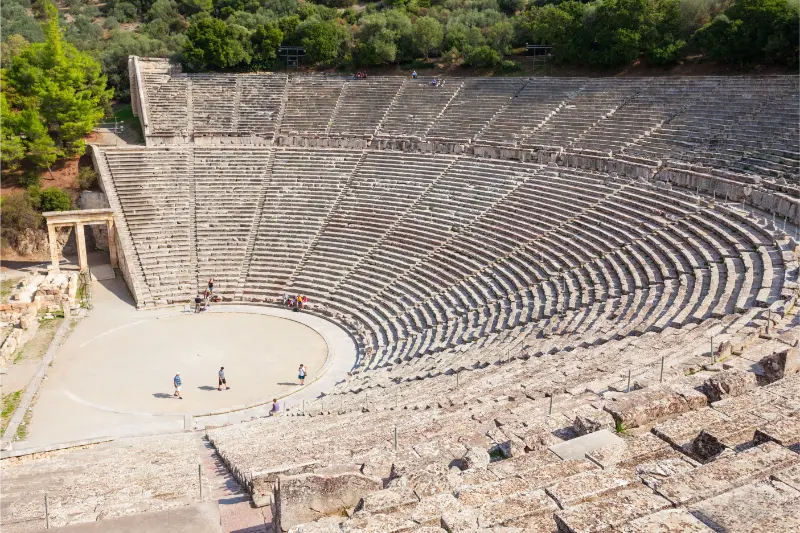
    The theatre is celebrated for its proportions, preservation and acoustics. Built into the hillside, it creates a strong connection between performance space and landscape. Even outside festival season, standing in the seating area helps you understand why ancient theatre was both architectural and social.

    Be considerate with the famous acoustics. Visitors often test them by speaking or dropping objects in the orchestra, but a crowded site becomes unpleasant when everyone tries to demonstrate the same effect simultaneously. Listen as much as you perform.

    The Sanctuary of Asklepios

    The wider sanctuary is the reason Epidaurus existed as a major destination in antiquity. Asklepios was associated with healing, and pilgrims came seeking treatment that combined religious practice with regimes involving rest, bathing, diet and observation.

    Abaton Epidaurus Sanctuary Greece

    The remains can be less visually obvious than the theatre, so this is where reading signs or having a guide pays off. Look for the spatial relationship between sacred buildings, accommodation, athletic facilities and the structures associated with healing.

    The museum

    The Archaeological Museum of the Asklepieion is small but important for understanding architectural fragments, inscriptions and the history of the sanctuary. It changes the visit from “I saw the theatre” to “I understand why there was a theatre here.”

    As of 15 September 2026, the official Directorate lists a €20 ticket for the archaeological site and museum, with summer opening from 08:00 to 19:00. Recheck before visiting because cultural-site schedules and prices can change.

    How long you need

    Two hours is a sensible minimum if you want the theatre, sanctuary and museum. Three hours is better for archaeology lovers or for a slower summer pace. The site is open and exposed, so heat affects how quickly you move.

    If attending a performance, treat that as a separate experience rather than trying to squeeze the daytime site visit into the minutes before the show.

    Epidaurus Festival

    The ancient theatre remains a living performance venue. In 2026, the Epidaurus Festival programme ran from late June through August, with major productions at the Ancient Theatre and events at the Little Theatre of Ancient Epidaurus. Future programmes change each year, so consult the official festival schedule when planning a summer trip.

    Seeing a performance here is different from visiting by day. If you have the opportunity, I would still tour the archaeological site separately so that darkness and event logistics do not replace historical context.

    Best time of day

    Morning is best in hot months because there is limited shade. Late afternoon can be beautiful when schedules permit, but do not arrive too close to closing if you want to see the sanctuary beyond the theatre.

    Spring and autumn are particularly pleasant because the surrounding landscape is easier to enjoy on foot. In winter, shorter opening hours require more careful day planning.

    From Nafplio

    Epidaurus is an easy road excursion from Nafplio and can form half of a relaxed day. I like to visit the archaeological site first, then stop for lunch and continue to the coast or return to Nafplio for the evening.

    If you are not driving, organised excursions can combine Epidaurus with Mycenae. Check how much site time is actually included rather than choosing only by the number of stops advertised.

    From Athens

    A day trip from Athens is possible, especially on a tour that also visits Mycenae and Nafplio. The advantage is efficiency; the disadvantage is that a multi-stop day can feel fast.

    For travellers with three or more days available for the Peloponnese, I strongly prefer sleeping in Nafplio. The Peloponnese road trip shows how Epidaurus fits into a broader route.

    What to wear and bring

    • Comfortable shoes for stone and uneven paths.
    • Water and strong sun protection in warm months.
    • A light layer for evening performances, when the temperature can drop.
    • Binoculars are optional for performances from higher seating.
    • Your ticket saved offline if you purchased digitally.

    For festival nights, follow the current event rules on bag size, arrival time and photography. Performance etiquette matters in a historic venue just as it does in a modern theatre.

    Epidaurus with children

    Children often respond strongly to the theatre because the function is immediately understandable. Let them test how sound carries briefly and respectfully, then use the sanctuary to explain how ancient medicine, religion and everyday life overlapped.

    Epidaurus Ancient Theater Greece

    The open archaeological area can be tiring in midday sun. Shorten the visit rather than forcing younger children through every foundation when attention is gone.

    Mycenae or Epidaurus if you have time for one?

    Choose Mycenae if Bronze Age fortifications and epic tradition fascinate you. Choose Epidaurus if theatre, classical architecture and the history of healing interest you more. Neither is objectively “better”; they tell different chapters of Greek history.

    If based in Nafplio with a car, seeing both on separate half-days produces a richer trip than compressing them into a frantic circuit.

    Frequently asked questions

    Is the theatre the whole site?

    No. The theatre is the most famous monument, but the Sanctuary of Asklepios and museum explain the healing centre that made Epidaurus important.

    Can you still watch performances at Epidaurus?

    Yes, the ancient theatre hosts major summer performances. Dates and programmes change annually, so check the official Athens Epidaurus Festival schedule.

    How far is Epidaurus from Nafplio?

    It is close enough for an easy road excursion, which is why Nafplio is an excellent base for exploring Argolis.

    Can I visit Mycenae and Epidaurus in one day?

    Yes, especially by car or organised tour. Start early and resist adding too many extra stops if you want meaningful time at both sites.

    Understanding healing at Epidaurus

    Ancient healing sanctuaries do not map neatly onto the modern division between hospital, spa and religious site. People came to Epidaurus with physical concerns, participated in ritual, slept in sacred spaces, exercised and followed prescribed practices. The sanctuary therefore makes more sense when you avoid forcing it into one modern category.

    The theatre also belongs within that larger environment of community and ritual life. Performance was not an isolated entertainment industry on the edge of a medical complex. Architecture, festivals, worship and civic identity were interconnected in ways that modern visitors can only partly reconstruct from the surviving stones.

    Peloponnese Epidaurus

    A guidebook or museum panel that explains these relationships is more valuable than memorising a list of building names. By the end of the visit, the goal is to understand why people travelled here and how the sanctuary worked as a place, not simply to identify each foundation on a plan.

    Additional practical notes

    Acoustics demonstrations are most meaningful when the theatre is quiet. Rather than shouting from the stage, speak normally and listen to how sound travels.

    During festival season, performance nights can create heavier traffic and different parking conditions. Arrive earlier than you would for an ordinary daytime visit.

    A relaxed Epidaurus day

    The most satisfying way to visit is to treat the sanctuary as the centre of the day rather than a quick photo stop on the way somewhere else. Arrive early, see the theatre before it fills, then walk the wider site at a slower pace. The museum works well near the end because the objects and reconstructions make more sense after you have seen the foundations outside.

    For lunch, move away from the archaeological entrance instead of expecting the immediate visitor zone to define local food. If you have a car, the coast and nearby villages offer several ways to turn the excursion into a pleasant half-day without adding another major ticketed attraction. In summer, this also creates a natural break before returning to Nafplio.

    If your visit coincides with a performance, separate the daytime visit and evening event by several hours. Eat, rest and change clothes. Sitting in ancient stone seating after a full hot day requires more comfort planning than a modern theatre, and arriving refreshed lets the performance feel special rather than like the final endurance test of the itinerary.

    For photography, morning side-light can reveal the curve of the theatre and the surrounding hills beautifully. Avoid blocking stairways or standing in the orchestra for long posed sessions when other visitors are trying to experience the acoustics and architecture.

    If you are collecting several archaeological sites in the Peloponnese, keep a simple note on your phone with the period and main purpose of each place. Mycenae, Epidaurus and Olympia can otherwise merge into one memory after a fast road trip. A one-line reminder after each visit makes photographs and stories much easier to organise later.

    For more ideas in Argolis, continue with Palaia Epidavros, Nea Epidavros, Argolis road trip.

    Related festival or event guide: Athens Epidaurus Festival Guide: Venues, Tickets, Epidaurus Transport and What to Expect.

  • Chora and Loutra Kythnos Guide: Cycladic Lanes, Thermal Springs, Food and Where to Stay

    Chora and Loutra Kythnos Guide: Cycladic Lanes, Thermal Springs, Food and Where to Stay

    Chora and Loutra show two very different sides of Kythnos within a short journey. Chora, also called Mesaria, is the island capital: a compact inland settlement of white houses, small squares, churches, arches and lanes that become livelier after sunset. Loutra sits on the north-east coast around a small harbour and is famous for the thermal springs that gave Kythnos its older name, Thermia. I like combining them because Chora gives you village atmosphere and food, while Loutra gives you sea access, a marina and one of the island’s most unusual natural experiences.

    This guide is designed to sit beside my complete Kythnos travel guide, not replace it. The general guide covers the island as a whole; here I focus on the decisions that matter for chora and loutra kythnos guide: access, timing, wind, where to stop, what to combine in one day and what is better saved for another outing.

    Quick planning summary

    • Best trip length for Kythnos: four to six nights for a relaxed first visit; two or three nights works for a focused short break.
    • Best seasons for walking and sightseeing: spring and autumn; summer is strongest for swimming and the widest range of seasonal services.
    • Transport: a rental car gives the most beach freedom, while buses, taxis and boats can support a simpler car-free itinerary.
    • Wind matters: choose beaches according to conditions on the day rather than locking the whole week into a fixed list.
    • Remote coves may have no shade, food, toilets or phone signal; carry water and a backup plan.
    • Lavrio is normally the fastest mainland gateway, while Piraeus also serves Kythnos on many schedules; always confirm the current ferry timetable.

    Why combine Chora and Loutra

    The two places solve different travel needs. Chora is the stronger choice for evenings, traditional architecture and a central base for driving or taxis. Loutra works better if you want to wake up beside the sea, walk to a beach and spend time around the harbour. The official municipal guide places Loutra about 5 km from Chora, so they are close enough to visit on the same day without turning the outing into a road trip. I would give Chora the late afternoon and evening, then use Loutra for a morning swim or a slower lunch by the water.

    This pairing is also useful when the wind changes. Kythnos is exposed to Aegean weather, and a beach plan can become uncomfortable even when the village plan remains excellent. If the sea is rough, spend longer in Chora, visit a museum or church, and move Loutra to another part of the day. If conditions are calm, Loutra can easily absorb several hours.

    Greece Kythnos Island Loutra Port White Buildings Rocky Hill View From Sea Cyclades

    Walking through Chora

    Chora was established in the 17th century and has remained continuously inhabited. The pleasure is not a single monument but the sequence of spaces: narrow lanes, small squares, white facades with coloured doors, churches and occasional windmills. The municipal description highlights Agios Savvas, Sotiras and Agia Triada among the churches worth noticing. Instead of trying to follow the shortest route, I would wander slowly and use the central squares as orientation points.

    Chora becomes especially appealing around dinner. Cafes, bakeries, small shops and tavernas are concentrated enough that you can explore without a car once you arrive. This makes it a good base for travellers who dislike driving at night. If you stay outside Chora, arrange your return transport before dinner rather than assuming a taxi will appear immediately during a busy August evening.

    Loutra and the thermal springs

    Loutra is one of the few places in the Cyclades where thermal water is part of the destination itself. The municipality describes two springs: Agioi Anargyroi and Kakavos, with the latter reaching about 52°C before its water mixes with the sea. The hot-water experience near the shore can feel very different depending on sea conditions, water flow and crowding, so treat it as a natural feature rather than a guaranteed spa session.

    Holidaymakers Take Healing Baths Hot Springs Greek Spa Resort Loutra Edipsou Greece

    The springs also explain the name Thermia, historically used for Kythnos. King Otto and Queen Amalia are associated with the old bathing tradition, and the settlement still carries a slightly different identity from a simple beach village. Do not remain in very hot water for long, and anyone with cardiovascular, pregnancy or other medical considerations should follow professional medical advice rather than assuming thermal water is automatically suitable.

    Beaches and short coastal stops

    Loutra beach is convenient because it sits right by the settlement. For a quieter change of scene, Agia Irini and nearby north-eastern beaches such as Potamia and Agios Sostis can be combined with the same outing if you have a car or taxi. These are not interchangeable beaches: exposure, access and services differ, so check wind and road conditions before choosing one.

    If your priority is an organised beach with easier facilities, keep Episkopi or Apokrousi for a separate day. The municipal beach guide identifies those as the island’s principal organised beaches, while many other coves are much simpler. Kythnos is more enjoyable when you do not expect every bay to provide sunbeds, toilets and food.

    Where to stay: Chora or Loutra?

    Choose Chora if restaurants, evening atmosphere and a central inland location matter most. It is particularly good for couples, first-time visitors and travellers planning several day trips. Choose Loutra if you want a harbour setting, easy sea access and a quieter rhythm after dinner. Sailors and divers may also prefer Loutra because of the marina and local diving activity.

    Neither base is perfect for every beach on the island. Kythnos has a long, indented coastline and many roads end at individual coves. If you plan to spend each day at a different beach, a rental car still gives the most freedom. For a car-free stay, Chora and Loutra can work, but your beach list should be built around available buses, taxis and occasional boat options rather than around a map of remote coves.

    A realistic day plan

    Start in Loutra in the morning while the waterfront is quiet. Walk the harbour, see the thermal-water area, swim if conditions are good and have an early lunch. In mid-afternoon, move to Chora, where you can rest in a cafe, visit the folklore collection if it is open, and explore the churches and lanes as the heat softens. Stay for dinner and the evening atmosphere.

    If you are based in Chora, reverse the sequence: enjoy a slow breakfast, take the coastal trip to Loutra for swimming and return before sunset. The key is not to squeeze Kolona, Dryopida and Kanala into the same day. They deserve separate outings, and Kythnos feels much better when you leave room for a beach to become a half-day rather than a 45-minute stop.

    How this fits into a first Kythnos trip

    A first visit should have three layers: one village day, one or two easy beach days and one day for the place that requires extra logistics, such as Kolona, a remote southern cove or a long hike. Chora and Dryopida provide the cultural backbone; Loutra adds the thermal-spring story; Merichas keeps ferry days simple. The mistake is trying to touch every coast in 48 hours because the island looks small on a map.

    If you have five nights, keep at least one half-day deliberately empty. Use it for weather changes, a beach you want to repeat, a delayed ferry or an unexpected local festival. That empty space is often what makes a small-island holiday feel relaxed rather than over-planned.

    Getting around: car, bus, taxi or boat?

    A car is the easiest way to explore Kythnos because beaches are scattered around a deeply indented coastline. It is not mandatory. The municipality lists local bus and taxi services, and seasonal boats can help with selected beaches. The important point is that public transport is not designed to reproduce the freedom of a rental car. Build a smaller, coherent itinerary instead of using taxis to chase every remote cove.

    If you rent a vehicle, ask specifically about unpaved-road exclusions. Some famous beaches are approached by tracks whose condition can change. A small island is exactly where a damaged tyre, blocked track or contract exclusion can consume half a holiday. For a no-car trip, use my Kythnos without a car guide to choose a base before booking accommodation.

    When to go and how weather changes the plan

    June and September are particularly attractive for travellers who want warm-weather island life without the most intense August pressure. July and August offer the strongest summer atmosphere but also the highest heat, demand and road traffic. May and October can be excellent for hiking and villages, although sea temperature and seasonal beach services are less predictable.

    The meltemi is not merely a weather footnote. Wind can change swimming comfort, boat excursions and the value of a west- or east-coast plan. Check conditions each morning and be willing to switch sides of the island. That simple habit improves Kythnos more than a rigid seven-day schedule.

    Costs and booking priorities

    Accommodation is the item I would book first for July and August, followed by ferry tickets if your dates are fixed. Car rental can also become scarce in peak periods because the island fleet is finite. Restaurants generally require less advance planning than famous Santorini or Mykonos venues, but a special dinner or festival night can still be worth reserving.

    Keep some budget for taxis or boat transfers even if you rent a car. A one-way taxi can turn a hike into a much better route, and a calm-weather boat trip can remove the stress of a difficult beach road. Spend for convenience where it buys time rather than automatically choosing the cheapest transport every day.

    Common mistakes to avoid

    • Choosing a remote beach because it looks close on the map without checking the final road or walking access.
    • Planning Kolona for the ferry-departure day and leaving no buffer for transport or wind.
    • Assuming every cove has umbrellas, drinking water and food.
    • Walking exposed roads or trails in the hottest part of an August day.
    • Booking accommodation without asking about steps, parking and luggage access.
    • Relying on an old bus timetable saved from a previous season.
    • Treating Chora and Dryopida as quick photo stops instead of part of the island experience.
    • Ignoring wind direction when choosing a beach.
    • Driving unsuitable rental cars onto rough tracks.
    • Trying to visit five beaches per day instead of spending meaningful time at one or two.

    Continue planning Kythnos

    Use this guide with the rest of the Kythnos cluster: Dryopida and Katafyki Cave Kythnos Guide: Village, Museums, Pottery and Visiting Tips; Merichas and Episkopi Kythnos Guide: Port, Beaches, Ferries and Where to Stay; Kolona and Apokrousi Kythnos Guide: Sandbar, Access, Swimming and Sunset; Panagia Kanala Kythnos Guide: Church, Beaches, South-East Coast and Where to Stay; Best Beaches in Kythnos: 15 Beaches for Families, Snorkelling, Wind and Quiet Days; Kythnos Hiking Guide: Castle of Oria, Vryokastro, Dryopida and Coastal Routes; Kythnos Without a Car: Buses, Taxis, Boats and the Best Car-Free Bases; Kythnos with Kids: Family Beaches, Villages, Easy Days and Practical Tips; Where to Stay in Kythnos: Chora, Loutra, Merichas, Kanala or Beach Areas?. If this is your first article, start with the Kythnos Travel Guide and then open the detailed pages that match your base, transport and beach priorities.

    Useful official sources before you go

    For information that can change, recheck these official or municipal sources before travelling: Traditional settlements; Thermal springs; Kythnos tourism. Ferry schedules, buses, museum or cave opening arrangements, beach services and road conditions can change by season. I would verify any detail that affects a specific day rather than relying on a screenshot saved months earlier.

    Frequently asked questions

    Is Chora worth visiting if I stay by the beach?

    Yes. Chora is the strongest place on the island for an evening walk, traditional lanes and a broad choice of food. It adds a village experience that you will not get from staying exclusively on the coast.

    Can you swim in the thermal water at Loutra?

    Thermal water reaches the shore and mixes with seawater, but conditions vary. Treat the area as a natural feature, be careful with very hot water and recheck local access when you visit.

    Which is better for a car-free stay?

    Chora is convenient for evenings and central connections, while Loutra gives you a beach and harbour at the door. The better choice depends on current bus schedules and the beaches you want to reach.

    How long do I need for Chora and Loutra?

    A full day is comfortable. You can technically see both faster, but giving Loutra a swim and Chora an unhurried evening produces a much better experience.

    Is Loutra only about the hot springs?

    No. It is also a harbour village, beach base and useful starting point for north-eastern coves, sailing and diving activities.

    Final planning advice

    Kythnos is at its best when the plan stays flexible. Choose one good base, keep a car or transport strategy that matches your priorities, and let wind decide some of the beach choices. The island does not need a checklist mentality. A slow village evening, one memorable swim and a well-timed walk can be more satisfying than racing around every named cove.

    The final test is simple: if the itinerary leaves no time to sit in Chora, linger over lunch in Dryopida, repeat a favourite beach or change plans because the wind shifted, it is too full. Kythnos rewards the opposite approach—fewer transfers, longer stops and enough flexibility to enjoy the island you actually find when you arrive.

  • Serifos Without a Car: Buses, Walking, Beach Transfers and Best Bases

    Serifos Without a Car: Buses, Walking, Beach Transfers and Best Bases

    Serifos Without a Car is part of a larger Serifos trip rather than an isolated attraction. Serifos works best when you combine its hilltop Chora, port life, beaches, old villages, mining landscapes and footpaths instead of spending the entire holiday in one resort zone. This guide focuses on the decisions that matter on the ground: access, timing, swimming conditions, transport, where to eat and how to connect the experience with the rest of the island.

    Serifos is compact on a map but topography changes travel time. Roads climb and curve, old paths cross steep slopes and many beaches remain deliberately low-key. The result is an island that feels authentic and easy to understand once you stop trying to visit everything in one day. Build the trip around one main objective each morning and leave room for a second activity only if weather, transport and energy cooperate.

    Quick planning overview

    QuestionPractical answer
    Best forTravellers who want a quieter Cyclades experience with beaches, walking and traditional settlements
    Main transport choiceBus for Livadi–Chora, car or taxi for flexible island exploration, walking for selected old paths
    Best rhythmOne main area or beach per half-day rather than constant driving
    Biggest planning mistakeAssuming every beach has food, shade or frequent transport
    Useful baseLivadi/Livadakia for convenience; Chora for atmosphere

    What the bus network can do well

    The strongest public-transport link on Serifos is Livadi–Chora. In the high-summer 2026 timetable the municipality published frequent services from morning until late night, making it realistic to stay near the port and enjoy Chora after dark.

    There are also routes toward northern villages and the Mega Livadi–Koutalas area, plus seasonal tourist buses to beaches. The challenge is frequency: outside peak weeks, the network can be much thinner.

    Best no-car bases

    Livadi is the easiest no-car base because ferries, shops and transport start there. Livadakia is almost as practical and adds immediate beach access. Chora is better for atmosphere, but luggage and daytime beach transport require more planning.

    Do not choose a remote beach hotel for a car-free trip unless the property provides transfers or you are happy to spend most days locally. Cheap accommodation can become expensive once repeated taxis are added.

    Walking as transport

    The 2.3 km historic path between Livadi and Chora is a genuine transport alternative for fit travellers in mild weather. Short coastal walks around Livadi and Livadakia also reduce dependence on vehicles.

    Walking does not solve every beach day. Serifos is only 75 square kilometres, but hills and heat make road distances feel longer. Use walking for selected journeys and buses or taxis for the rest.

    Taxis and seasonal beach transfers

    Taxis are valuable for one-way hikes, early ferries and beaches outside the bus rhythm. During summer, tourist-bus services may operate to selected beaches from the port area.

    Ask locally about the return, not just the outbound journey. A beach transfer is useful only if you understand when and where you can get back.

    A useful cultural stop: the Archaeological Collection in Livadi

    The Archaeological Collection of Serifos is now housed in Livadi and gives useful historical context to the island beyond beaches and modern mining. The permanent display includes sculpture, architectural pieces, funerary reliefs and amphorae connected with sites such as Chora and Aspros Pyrgos, covering periods from Classical to Roman times.

    Serifos Island Greece Cyclades Aerial View Livadi Port Town

    For the 2026 summer season the official museum portal lists general admission at €5, closure on Tuesday and opening from 08:30 to 15:30, with a later Friday schedule. Hours can change on holidays or operationally, so check again before building a ferry or beach day around the museum.

    How many days should you allow?

    A three-night stay is enough for a first taste of Serifos, but four or five nights creates a much better balance between Chora, beaches, villages and the mining landscapes. With only two nights, ferry times can dominate the trip and weather has too much power over your beach plans.

    Panoramic View Chora Serifos Island Greece

    If this article focuses on one district or activity, use it as one half-day or one full day inside a longer island stay. Avoid changing accommodation mid-trip unless you have a very specific reason; distances are short enough to explore from one sensible base.

    When to go

    June and September are excellent for travellers who want swimming without the most intense crowds. July and August have the fullest transport and beach-service network but also the strongest heat and accommodation demand. May and October can be superb for walking, although sea temperature and seasonal businesses become less predictable.

    Hikers should prioritise cooler hours in every season and avoid exposed routes in extreme heat or strong wind. Beach travellers should stay flexible because the Cycladic wind can make one coast uncomfortable while another remains calm.

    What to pack

    Serifos rewards practical packing: shoes with grip for Chora and trails, a hat, high-SPF sun protection, a refillable bottle and a light layer for ferry decks or windy evenings. A small daypack is more useful than a large beach bag on cobbled paths.

    View Island Serifos Greece

    For unorganised beaches add water, snacks, basic shade and swim shoes if you dislike mixed sand and pebbles. Do not assume every remote bay has a canteen, toilets or sunbeds just because it appears on a popular map.

    Practical tips that make the day easier

    • Check the current wind before committing to a beach; a protected coast can be dramatically better than the famous beach you planned the night before.
    • Confirm return transport before leaving Livadi or Chora, especially outside the peak July–August timetable.
    • Carry cash as a backup for small tavernas, buses or seasonal services even if cards are commonly accepted.
    • Do not enter abandoned mine galleries or climb industrial ruins; enjoy the mining heritage from safe paths and public areas.
    • Use the cooler first and last hours of the day for Chora steps and hiking routes.
    • Bring your own water to unorganised beaches and villages with limited services.
    • Keep one flexible half-day in the itinerary for wind, ferry changes or a beach you decide to revisit.
    • Respect churches and residential lanes: modest behaviour and low noise matter in small settlements.
    • If you are travelling with children or limited mobility, ask accommodation hosts about steps and road access before booking.
    • Download or photograph useful bus and trail information, but still verify locally because seasonal operations change.

    Continue planning your Serifos trip

    Use this page together with the rest of the new Serifos cluster: Chora Serifos Guide; Livadi and Livadakia Serifos Guide; Mega Livadi and Koutalas Serifos Guide; Psili Ammos and Agios Sostis Serifos Guide; Ganema, Vagia and Koutalas Beaches Serifos Guide; Serifos Villages Guide; Serifos Hiking Guide; Serifos Without a Car; Serifos with Kids; Where to Stay in Serifos. Start with the Serifos Travel Guide if this is your first visit, then choose the detailed guides that match your base and interests.

    Useful official sources before you go

    For details that can change, I cross-check the official Municipality of Serifos portal, the official transport page, the official hiking network and the Archaeological Collection of Serifos. Bus timetables, beach transfers, museum hours and seasonal services can change, so recheck the details that affect a specific travel day.

    Frequently asked questions

    Do I need a car in Serifos?

    Not always. Livadi, Livadakia and Chora can work very well with buses and walking, while a car becomes much more useful for multiple remote beaches, villages and the southwest mining coast.

    Is Serifos good for a short trip?

    Yes. Three nights can work well if ferry times are favourable, but four or five nights gives you enough flexibility for wind, hiking and a slower beach rhythm.

    Which area is best for a first visit?

    Livadi or Livadakia is the easiest base for transport and services. Chora is the most atmospheric choice if hills and luggage logistics do not bother you.

    Are the beaches organised?

    Some have food, umbrellas or nearby tavernas, but many are largely unorganised. Carry water and shade whenever you are unsure.

    Can I hike in summer?

    Yes, but start early or late, avoid extreme heat and carry more water than the route distance alone suggests.

    Final planning advice

    The best Serifos trips are built around contrast: an old stone path followed by a swim, a quiet village followed by Chora at sunset, or a mining-history stop followed by a relaxed taverna by the sea. Keep the schedule light enough to respond to wind and transport, and the island will feel far richer than a simple list of beaches.

    How to use one base efficiently

    Serifos is small enough that one good base is usually better than changing hotels. From Livadi or Livadakia you can solve ferry and bus logistics quickly; from Chora you gain atmosphere but accept more steps. Use taxis strategically for one-way hikes or a late dinner instead of paying for a rental vehicle every day if you only need it occasionally.

    the island is small enough that one good base is usually better than changing hotels. From the port area or Livadakia you can solve ferry and bus logistics quickly; from the hill town you gain atmosphere but accept more steps. Use taxis strategically for one-way hikes or a late dinner instead of paying for a rental vehicle every day if you only need it occasionally.