Author: Jessica

  • Rethymno Travel Guide: Old Town, Beaches and a 4-Day Itinerary

    Rethymno Travel Guide: Old Town, Beaches and a 4-Day Itinerary

    Rethymno is the Crete base I would choose when I want an old town with character but also a long beach immediately beside the city. It sits between Chania and Heraklion, which makes it tempting as a central compromise, yet its real value is that it has enough atmosphere to be a destination in its own right: Venetian streets, the Fortezza, a small harbour, restaurants, student energy and easy access to villages and the mountains.
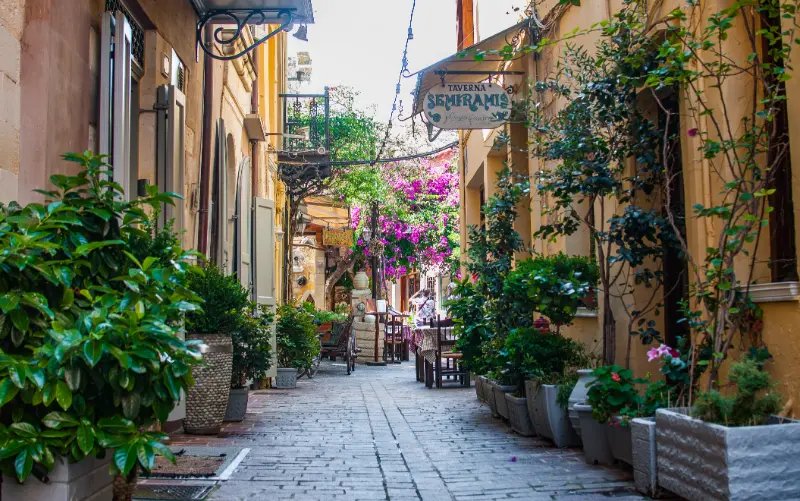
    Street Old Town Rethymno Crete Greece

    Because it lies between Crete’s two main northern cities, Rethymno fits naturally into a longer route. You can arrive from Chania, continue toward Heraklion, and still give Rethymno two or three nights rather than treating it as a lunch stop.

    What to see in Rethymno Old Town

    The old town is compact enough to explore without a formal route. Start near the Venetian harbour, move through the lanes toward the Rimondi Fountain and continue uphill to the Fortezza. Along the way, minarets, Venetian doorways, Ottoman details and small workshops create the layered look that makes Rethymno distinct.

    Go once in the morning and again after sunset. During the day you notice architecture and shopfronts; at night the same lanes become dining streets and quiet corners. The city is especially pleasant when you allow time to wander rather than trying to photograph every landmark in sequence.

    The Fortezza

    The Fortezza dominates the western edge of the old town and gives broad views over the sea and rooftops. It is exposed, so early morning or late afternoon is more comfortable in summer. The visit is not about ornate interiors; it is about understanding the scale of the fortifications and the city’s strategic position.

    I would combine it with the old town rather than making a separate trip. Wear shoes with grip, carry water and keep some energy for the lanes below.

    Rethymno beach

    One reason Rethymno is easy for mixed-interest groups is that a long sandy beach begins close to the city. Someone can spend the morning sightseeing while another prefers the sea, then everyone meets for lunch. This flexibility is particularly useful for families and couples with different holiday rhythms.

    The urban beach is convenient rather than remote or wild. For more dramatic scenery, plan a car day toward the south coast or mountain interior.

    Where to stay

    Inside the old town you get maximum atmosphere and can walk everywhere, but parking and luggage access need attention. The beachfront east of the historic centre is better for families who want a pool, sand and straightforward vehicle access. A location between the two zones can give you the best balance.

    Before booking, map the exact walking distance from your room to the beach and to the old town entrance. “Rethymno” covers a long urban strip, and two properties in the same city can create very different holidays.

    Day trips from Rethymno

    The mountain interior around Psiloritis adds a completely different landscape. Villages, monasteries and traditional food make a strong contrast with the beach. Arkadi Monastery is one of the region’s important historical stops. The south coast offers beaches and villages that feel far removed from the north even when the distance on a map is modest.

    If you drive across the island, remember that mountain roads can be slower and more tiring than kilometre counts suggest. Plan one clear objective per day rather than linking five pins simply because they look close.

    Rethymno with children

    Rethymno works well with children because the beach and old town are adjacent. A family can build short sightseeing blocks around swim time, naps and meals. The main challenge is heat in the Fortezza and cobbled lanes with a stroller.

    Choose accommodation based on the child’s daily routine. A hotel with easy beach access may be more valuable than the prettiest old-town balcony if you expect several returns to the room each day.

    How many days?

    StayBest for
    1 nightTaste of the old town, but too quick for day trips
    2 nightsOld town, beach and relaxed meals
    3–4 nightsBest for a day trip plus city time
    5+ nightsGood base for a slower central-Crete stay

    A 4-day Rethymno itinerary

    1. Day 1: old town, Venetian harbour, Fortezza and dinner in the historic centre.
    2. Day 2: easy beach morning, long lunch and a second slow old-town walk.
    3. Day 3: Arkadi Monastery and inland villages, with a traditional taverna stop.
    4. Day 4: south-coast excursion or a quiet beach day before moving on.

    How I would plan the trip before booking

    For Rethymno, I would book the trip in this order: decide how many nights you genuinely have, choose the edge of the old town if you want walking access, or the beachfront if sand and a pool matter more, check the transport that controls your arrival and departure, and only then reserve day trips. This order matters because attractive hotel prices can tempt you into a base that creates unnecessary driving, transfers or early-morning stress. A good location often saves more holiday time than a slightly cheaper room.

    The transport question is especially important here: you can enjoy the city without a car, but a rental car opens mountain villages and the south coast. I would keep the first and final day lighter than the middle of the trip. That leaves space for delayed flights or ferries, heat, wind, children needing a slower morning, or simply discovering a place you want to stay longer.

    For seasonality, May to June and September to early October give a strong balance of beach weather and comfortable sightseeing; midsummer is hotter and busier. I also avoid building a plan in which every day depends on perfect beach weather. A museum, old town, village, food stop or short scenic walk gives the itinerary resilience when conditions change.

    Who will enjoy this destination most?

    Rethymno works best for travellers who like a mixture of sightseeing and unstructured time rather than rushing between checklist attractions. It rewards mornings that start early, a long lunch or coffee break, and evenings close to the accommodation rather than another long transfer.

    For families, the beach beside town makes daily logistics unusually easy, but limit long mountain drives and protect children from midday sun. Couples can make the trip more relaxed by staying somewhere walkable for dinner. Solo travellers generally benefit from central bases and public transport connections. Road-trippers should check parking before choosing accommodation, because a beautiful historic centre can be inconvenient with a car.

    If you are combining this stop with another part of Greece, compare the pacing with the complete Crete guide. One of the biggest mistakes in Greece is treating a short transfer on a map as a short travel day; ferry check-in, port access, parking, waiting time and mountain roads all add invisible hours.
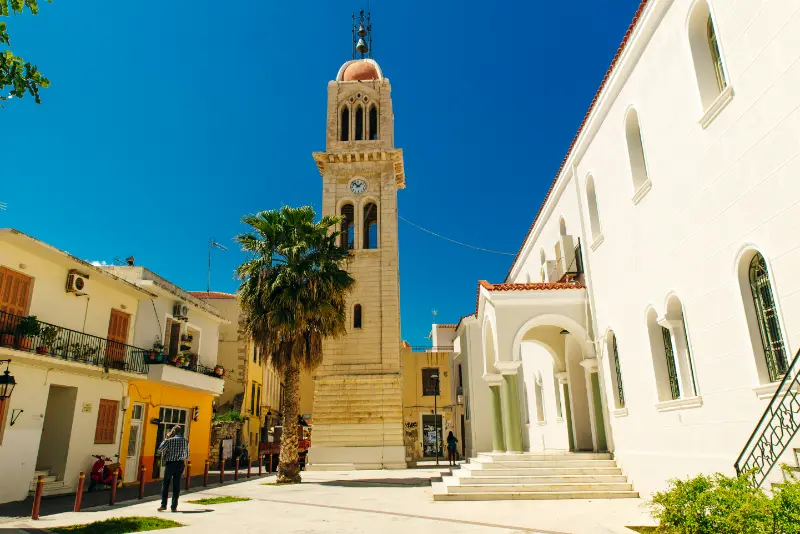
    Rethymno Crete Greece Jul Neratzes Mosque Square Today Houses Municipal Odeon

    Small details that make the trip easier

    I keep a small offline map on my phone, carry water in warm months, save the exact accommodation entrance rather than only the property name, and photograph parking or bus-stop information when I arrive. These tiny habits are more useful than a minute-by-minute itinerary.

    Comfortable shoes matter in Greece more often than visitors expect. Polished stone, steps, uneven lanes and archaeological ground are common. Sun protection, a light layer for wind or air-conditioned transport, and a reusable bottle cover most day-to-day needs. At religious sites, modest clothing may be required, so it is useful to carry something that covers shoulders or knees.

    Finally, leave one block of two or three hours completely unscheduled. The most memorable part of a trip is often the bakery you did not plan, a swim that lasts longer than expected, a village square at dusk or a viewpoint found on the way back to the hotel.

    Frequently asked questions

    Is Rethymno better as a base than Chania?

    Rethymno is more central and gives you a city beach beside the old town. Chania has the more famous harbour and easier access to western Crete’s headline beaches. Your day-trip priorities should decide.

    Can you visit Rethymno without a car?

    Yes. The old town and beach are walkable, and buses connect major cities. A car is useful only when you want villages, monasteries, remote beaches or flexible south-coast days.

    How long does the old town take?

    You can see the core in a few hours, but that misses the point. Rethymno is better when you spread the old town across a morning and an evening, leaving time for coffee, shops and dinner.

    Street With Palm Trees Along Seafront Old Town Rethymno Greece

    My final planning rule

    The best version of a Rethymno travel guide is not the itinerary with the most stops; it is the one that gives each stop enough time to feel different from the last. I would rather remove one attraction and arrive at dinner relaxed than spend the day checking the time. Greece rewards travellers who protect their mornings, allow long meals and accept that wind, heat or a ferry schedule may change the original plan.

    Before departure, I recheck the opening hours of any archaeological site or museum that anchors the day, the transport timetable for the next move, and the exact hotel access or parking instructions. Those three checks prevent most avoidable problems. Everything else can stay flexible: the beach, the lunch stop, the viewpoint and the order of smaller sights.

    I also keep one backup idea that requires little transport. That might be a town walk, an urban beach, a museum, a café neighbourhood or a slow meal. A backup is not a second full itinerary; it is permission to change the day without feeling that the trip has failed.

    More detailed planning

    Continue with Preveli Beach Crete Guide for a more detailed plan.

    More detailed planning

    Continue with Arkadi Monastery Guide; Rethymno Old Town and Fortezza Guide for more detailed planning.

    For deeper planning, continue with Plakias, Agia Galini, Triopetra and Agios Pavlos.

    Continue planning with our new guides to Anogeia, Spili.

    Continue planning with our new Crete guides: where to stay in Rethymno, best beaches near Rethymno.

    Related itinerary: Western Crete in 7 Days: Chania, Rethymno, Balos and Samaria Gorge Itinerary, Crete in 14 Days: Chania, Rethymno, Heraklion and Eastern Crete Road Trip.

  • Olympos Karpathos Guide: Traditions, Diafani, Food and an Overnight Plan

    Olympos Karpathos Guide: Traditions, Diafani, Food and an Overnight Plan

    Olympos is the village that gives Karpathos its strongest cultural identity. Built high in the mountainous north, it remained relatively isolated for generations, and that isolation helped preserve a distinctive dialect, music, crafts, food traditions and dress. Today it is firmly on the visitor map, which makes respectful travel more important, not less.

    Visit Greece calls Olympos the “undisputed star” of Karpathos and highlights the continuity of local customs, women’s traditional woven clothing and foods such as handmade makarounes pasta. The challenge for travellers is to appreciate a living community without turning everyday life into a staged attraction.

    Why this destination is worth adding to your Greece itinerary

    Olympos Karpathos Guide works best when you give it a clear role in the wider trip. Rather than adding another stop simply because it appears on a ferry map, decide what you want here that a larger island cannot provide: quieter evenings, a particular landscape, a historical layer or a slower few days between more demanding destinations. That decision makes accommodation, transport and trip length much easier to choose.

    For a wider route, connect this guide with Karpathos Travel Guide; Greece Culture and Etiquette; Hiking in Greece. I prefer combinations that reduce backtracking, even when that means visiting fewer islands overall.

    Best things to see and do

    Walk slowly through the village lanes

    Olympos clings to a ridge with houses arranged for views, wind and protection. The main lanes contain shops and tavernas, but side streets reveal quieter domestic architecture, small chapels and glimpses across both sides of the island.

    Do not block doorways or photograph residents at close range without permission. The village is not an open-air museum; people are working, cooking, shopping and going home while visitors pass through.

    Understand why isolation mattered

    Northern Karpathos was historically difficult to reach by road, and Olympos maintained cultural practices that changed more slowly than in heavily connected settlements. Modern access is easier, but the sense of geographic separation remains visible in the surrounding mountains and cliffs.

    Learning this before arrival helps avoid simplistic language about a place being “frozen in time.” Olympos is contemporary, but it has chosen to maintain traditions that still carry meaning.

    Eat makarounes and ask about local dishes

    Handmade makarounes are closely associated with Karpathos and especially with village cooking. Rather than treating them as a novelty, ask how the pasta is prepared and what cheese or onions accompany it. Food is one of the easiest ways to understand continuity without intruding on private life.

    Try to eat at a normal pace and avoid scheduling a meal between two bus departure times if possible. Olympos deserves enough time for the experience to feel like a visit rather than a tour stop.

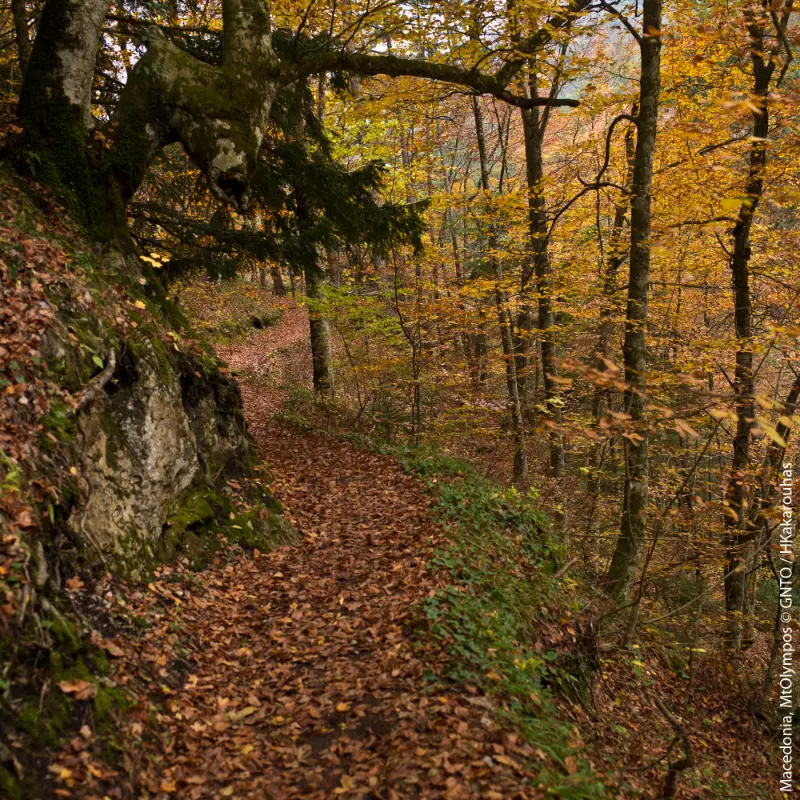
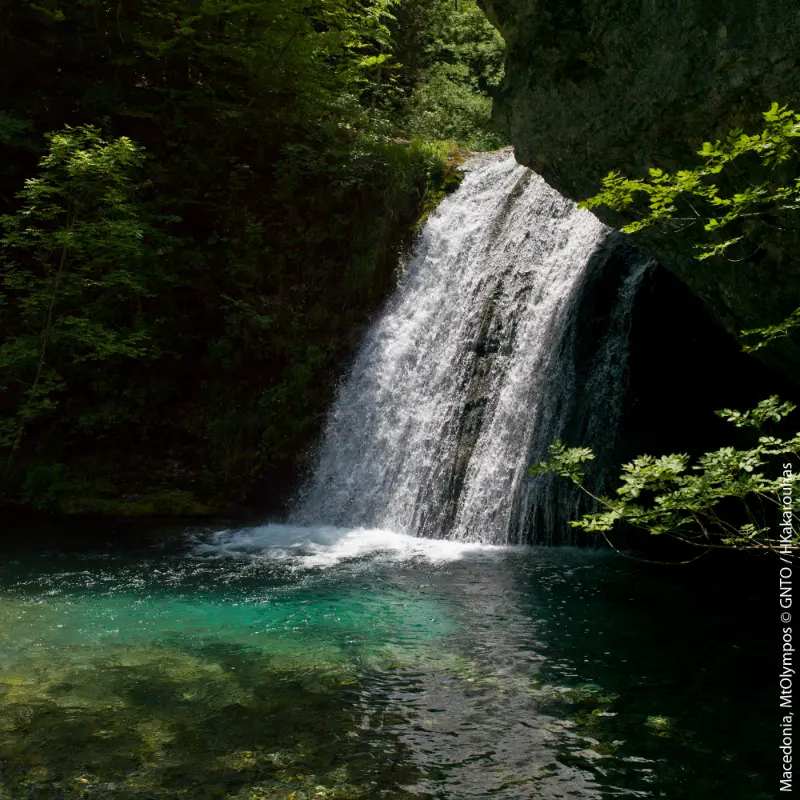
    Macedonia Mt Olympos A0005458

    Combine Olympos with Diafani

    Diafani, on the coast below northern Karpathos, is an important gateway for boat services and makes a natural partner to Olympos. Combining mountain village and harbour shows the contrast that defines the north: steep interior settlements tied historically to the sea.

    If you stay overnight in the area, a quieter evening or early morning gives a completely different impression from midday excursion hours.

    Consider staying overnight

    Many travellers visit Olympos on a day excursion. That is workable, but one night changes the experience by giving you the village before and after peak visitor hours. It also creates more flexibility for weather and transport.

    Accommodation is limited compared with Pigadia, so book earlier in high season and confirm luggage access if your room sits on steep pedestrian lanes.

    How to get there

    Olympos is in northern Karpathos, far from the main town of Pigadia. Road access has improved, but the journey still crosses mountainous terrain and takes longer than the island’s size suggests. Boat-and-road combinations via Diafani can also be offered seasonally. Confirm departure points and return times before committing to a day trip.

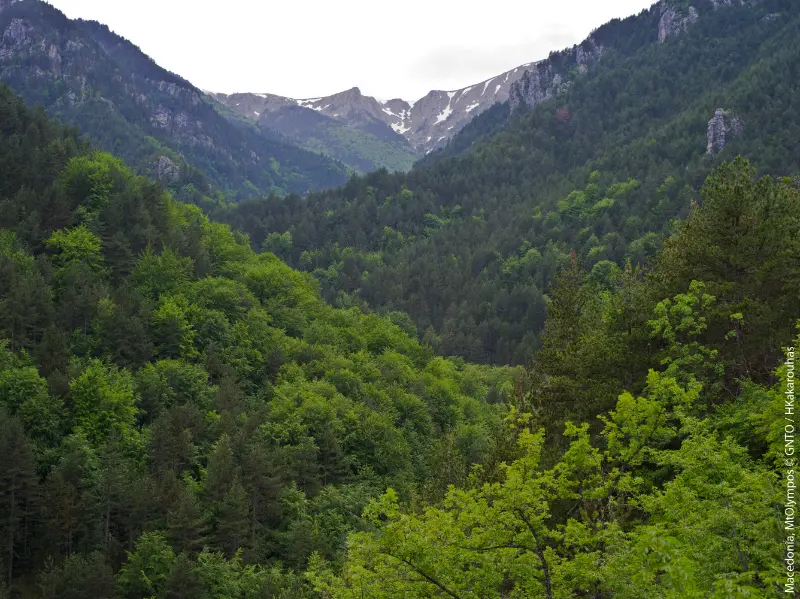
    Macedonia Mt Olympos A0007123

    Ferry and flight schedules are seasonal, and even a route that runs frequently in July may be limited in spring or autumn. I therefore book the transport skeleton first—arrival and departure—then fit accommodation around it. Leave a meaningful buffer before an international flight, especially when a ferry or small-island flight is involved.

    Getting around

    Once in the village, walking is the only meaningful way to explore. Expect slopes, steps and uneven surfaces. If mobility is limited, ask accommodation or tour providers exactly how close a vehicle can get to your destination.

    Whatever transport you choose, avoid judging island distances by kilometres alone. Narrow roads, heat, parking, ferry-day traffic and scenic stops make short journeys take longer than expected. A realistic itinerary leaves room for one delay without sacrificing the entire day.

    Where to stay

    Most visitors base in Pigadia or elsewhere in southern Karpathos, but one night in Olympos or Diafani is worthwhile for photographers, walkers and anyone interested in local culture. It turns the north from an excursion into a place.

    For a first visit, I usually prefer the base that makes evenings and departure day easiest. A spectacular remote room can be excellent for a longer holiday, but on a three- or four-night stay the hidden cost is often extra driving, taxis or missed flexibility. Check recent accommodation reviews for noise, air-conditioning, stairs and parking rather than looking only at the sea view.

    How many days do you need?

    The itinerary in this guide is designed around 3 days or stages because that is enough time to understand the place without forcing every beach, village and museum into the same afternoon. Travellers who mainly want to swim can stay longer; island hoppers can shorten it, but I would rather remove one activity than compress every day.

    • Day 1 morning: travel north and explore Olympos before lunch.
    • Day 1 afternoon: eat locally, continue walking through quieter lanes and viewpoints, then stay for the evening when day-trip traffic falls.
    • Day 2 morning: enjoy the village early, descend or transfer to Diafani, walk the harbour and depart after lunch or continue your Karpathos itinerary.

    Best time to visit

    Late May, June and September usually offer the best balance for travellers who want both outdoor time and working tourist services. July and August bring the widest range of connections but also the strongest heat and demand. April, early May and October can be excellent for walking and local atmosphere, though ferry frequency, beach services and restaurant opening patterns become more variable.

    Wind matters as much as temperature in the Aegean. A clear forecast can still produce rough sea conditions or an uncomfortable exposed walk. I check the local marine forecast each morning before committing to boat trips or long coastal routes.

    What to eat

    Karpathian cooking is a major reason to slow down here. Makarounes, local breads, cheeses, herbs and festive dishes reflect a food culture that is still connected to family and seasonal practice. Choose restaurants that explain what they serve rather than those that reduce tradition to costume.

    For a better food experience, move at least one meal away from the most obvious harbour tables and ask what is genuinely local or seasonal. I also avoid scheduling dinner too tightly after a long excursion: island transport delays are common enough that a reservation with no flexibility can create unnecessary stress.

    Who this trip suits best

    This destination works especially well for independent travellers who are comfortable with a little uncertainty and do not need constant organised entertainment. Couples and solo travellers can enjoy the slower rhythm, while families should focus on accommodation convenience, beach access and shade. Travellers with mobility limitations should research steps, slopes and boat boarding carefully because picturesque island terrain is not always accessible.

    Practical mistakes to avoid

    • Do not build a same-day ferry connection with no margin for delays.
    • Do not assume every beach has shade, toilets, food or card payment.
    • Do not rent a vehicle before confirming where it can realistically be used and parked.
    • Do not plan long exposed walks in the hottest part of a summer day.
    • Do not treat residents, religious sites or working harbours as scenery for intrusive photography.
    • Do not rely on an old blog post for current ferry times, tickets or archaeological-site hours.

    A note on responsible travel

    Small islands and historic places absorb visitor pressure quickly. Refill water where practical, refuse unnecessary single-use plastic, stay on marked paths, never remove stones or archaeological material, and keep a respectful distance from wildlife. If a beach, trail or monument has a temporary closure, treat it as a safety or conservation decision rather than an obstacle to work around.

    Frequently asked questions

    Is Olympos a tourist attraction or a real village?

    It is a living village with residents and continuing traditions. Tourism is important, but visitors should behave as guests in a community.

    Macedonia Mt Olympos

    Can I visit as a day trip from Pigadia?

    Yes, but the road journey is long enough that an overnight stay can be more rewarding.

    Is photography allowed?

    Public streets and landscapes are generally fine, but ask permission before close-up photographs of residents, craftspeople or private interiors.

    What should I eat?

    Makarounes is the best-known local dish, but ask about seasonal village cooking rather than ordering from a fixed checklist.

    How much time do I need?

    At least half a day; an overnight visit is better if cultural atmosphere matters more than ticking off a viewpoint.

    Check current information before you travel

    For official destination or site updates, check Visit Greece – Karpathos. I recommend confirming ferry times, opening hours, trail conditions and any temporary access restrictions again shortly before travel, especially outside the peak summer months.

    Final thoughts

    Olympos Karpathos Guide is most rewarding when you resist the urge to optimise every hour. Choose a few experiences that explain the place, leave room for weather and local advice, and allow at least one part of the day to remain unplanned. That balance is what turns a technically efficient itinerary into a trip that actually feels like Greece rather than a sequence of transport bookings.

    More Karpathos trip planning

    If Olympos is one part of a longer island trip, continue with Pigadia, the Karpathos hiking guide, Karpathos without a car and where to stay in Karpathos.

  • Poros Without a Car: Buses, Water Taxis, Walking and the Best Bases

    Poros Without a Car: Buses, Water Taxis, Walking and the Best Bases

    Poros Without a Car is the kind of Poros experience that rewards practical planning more than a long checklist. The island is compact, green and closely connected to the Peloponnese, so you can combine town life, swimming and history without spending hours in transit. The challenge is deciding what belongs in the same day and what deserves its own slower visit.

    I would approach this as a guide for solo travellers, couples, short-break visitors and anyone who prefers not to rent a vehicle. The most useful base is usually Poros Town for maximum transport flexibility; Askeli for a beach-first stay with town access. If you have extra time, pair the plan with town days, west-coast beach days and one prearranged taxi excursion to the Temple of Poseidon. The details below focus on how the place actually fits into a holiday rather than simply listing sights.

    Quick planning summary

    QuestionPractical answer
    Best forsolo travellers, couples, short-break visitors and anyone who prefers not to rent a vehicle
    Ideal pacethree to five nights is easy without a car if you choose the right base and group sights by area
    Best basePoros Town for maximum transport flexibility; Askeli for a beach-first stay with town access
    Pair it withtown days, west-coast beach days and one prearranged taxi excursion to the Temple of Poseidon

    Why Poros is one of the easier Greek islands without a car

    Poros is compact, the main town is walkable and the official municipal tourism site lists bus, taxi, sea transportation and the ferry connection to Galatas among the island’s ways to get around. You do not need a rental car to enjoy the harbour, several popular beaches or a relaxed short break. The main limitation is reaching inland and northern sights on your own schedule.

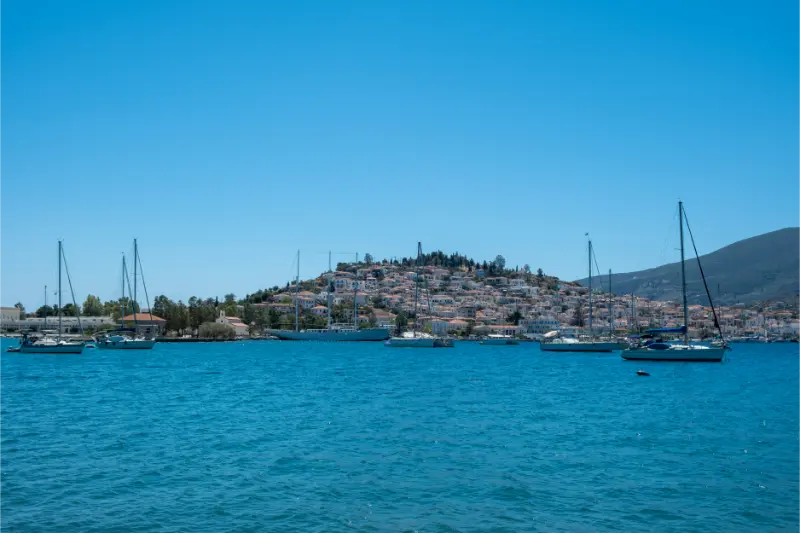
    Poros Island Greece Traditional Fishing Boat Anchored Blue Sea Coastal Town Hillside Houses

    That makes base choice more important than transport ambition. Stay where your evenings and most-used services are within walking distance, then pay for one or two taxi rides when they unlock something genuinely different. This is usually cheaper and less stressful than renting a vehicle you barely use.

    Walking in Poros Town

    Within Poros Town, walking is the default. The waterfront, Koryzi Square, restaurants, shops and clock-tower lanes are close together, though the upper streets are steep. Comfortable shoes matter more than distance. If you have mobility limitations, keep accommodation near harbour level and ask specifically about steps between the port and the entrance.

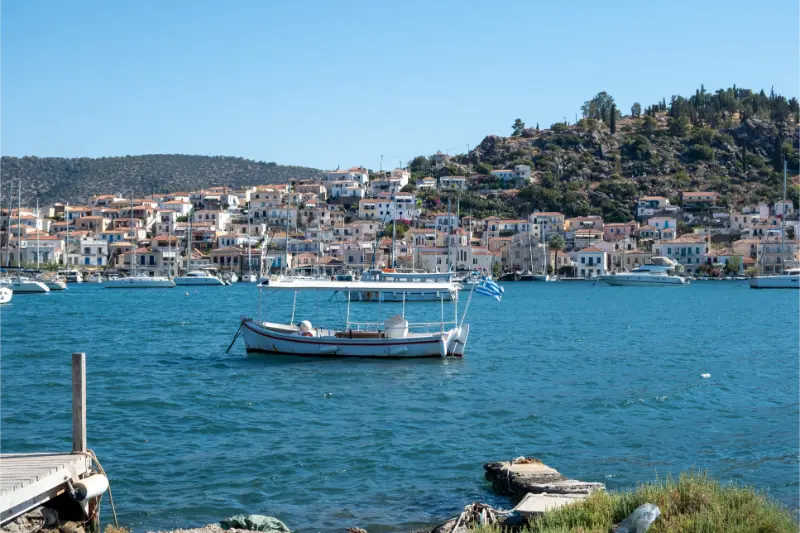
    Waterfront View Poros Town Greece Iconic Clock Tower Hill Traditional Houses Moored Boats

    The town is pleasant for evening walks because you can move between dinner, dessert and the harbour without checking a timetable. This freedom is the strongest reason to choose Poros Town over a remote beach property when travelling car-free.

    Using buses for beaches

    Seasonal bus routes commonly serve popular beach areas, but frequencies change. The official Poros tourism website maintains transport information and should be checked close to your dates. Askeli is generally one of the easiest beach areas to reach, while west-coast beaches may require more attention to the current schedule and final return.

    Do not build a day around a screenshot from a previous year. Photograph the current timetable when you arrive and note where the return stop actually is. On quieter dates, a taxi one way and bus back can be a sensible compromise.

    Water taxis and the Galatas crossing

    The narrow channel between Poros and Galatas creates transport options that feel unusual for an island holiday. Small boats and water taxis are part of local movement, and the mainland crossing can take only minutes. This gives car-free travellers access to Galatas and, with onward transport, Lemonodasos or mainland sights.

    For late-night or early-morning travel, confirm operation rather than assuming a boat will be waiting. If you have a fixed mainland taxi or bus connection, leave a buffer for the crossing. Short distance does not eliminate the need for timing.

    When taxis are worth the money

    Use taxis for the Temple of Poseidon, a point-to-point transfer with luggage or a beach return after public transport becomes inconvenient. Instead of taking several short taxis every day, group inland sights into one planned loop. Ask the driver about pickup arrangements before being dropped at an isolated site.

    Families and groups may find taxis surprisingly competitive compared with multiple bus tickets plus waiting. Solo travellers can save by using buses for predictable routes and reserving taxis for the one or two places public transport does not serve well.

    Best bases without a car

    Poros Town is the strongest all-round base because ferries, food, taxis and much of the evening atmosphere are on your doorstep. Askeli is the best alternative for travellers who want a proper beach close to their room but still expect to visit town regularly. Neorio can be attractive for couples who prioritise greenery and swimming, provided they are comfortable with seasonal transport or occasional taxis.

    Monastiri and more isolated properties can be beautiful, but check restaurant access and nighttime transport before booking. A bargain room becomes less attractive if you need two taxis every evening simply to eat.

    How much time should you allow?

    For this plan, three to five nights is easy without a car if you choose the right base and group sights by area. Poros is compact enough to encourage overplanning, but short distances do not mean every stop belongs in the same day. Travel time, waiting for a bus or taxi, swimming, changing clothes and sitting down for a meal all use time that does not appear on a map.

    A useful rule is one main area in the morning and one in the afternoon. If you are staying several nights, leave at least one unstructured half-day. Poros is at its best when you have time to choose a beach based on that day’s wind and to stay longer at a waterfront table when the atmosphere is good.

    Transport and realistic day planning

    The official Poros municipality tourism site lists buses, taxis, sea transportation and ferry boats to and from Galatas. Frequencies are seasonal, so I would not build a trip around an old timetable. Photograph the current schedule when you arrive, save one taxi contact and keep the final part of any ferry-departure day close to Poros Town.

    Poros Greece Overview Town Poros Island Galatas Mainland Sunset

    If you rent a car or scooter, use it to reach places that are genuinely awkward by public transport rather than moving it for every meal. Parking can be more stressful than walking in the compact town. For isolated beaches or the Temple of Poseidon, agree on a return plan before a taxi drops you off.

    Best time of year for this Poros experience

    Late spring and September are especially attractive for travellers who want warm days, walking and swimming without the peak pressure of July and August. High summer brings the broadest beach services and liveliest evenings, but small coves fill faster and midday heat makes exposed archaeological or uphill walks less comfortable.

    Poros also works outside the classic beach season because the town, mainland connection and cultural sights do not disappear when sunbeds do. In cooler months, verify ferry frequency, museum hours and seasonal restaurants before booking. The trip becomes more about walking, food and local atmosphere than swimming.

    Food, water and the rhythm of the day

    Build meals into the itinerary rather than treating them as gaps between attractions. Poros Town has the widest choice, while Askeli, Neorio and other beach areas have seasonal options. In summer, a long lunch during the hottest hours can be smarter than forcing another walk. Carry water even when you expect a beach bar to be open.

    For seafood, ask about price by weight before ordering larger fish and compare a few menus. Lemon is part of the area’s identity because of the Lemon Forest opposite the island, but the best meals are often simple Greek dishes rather than elaborate themed menus. Leave room for seasonal fruit and a waterfront coffee.

    Who will enjoy this most?

    This plan is particularly good for solo travellers, couples, short-break visitors and anyone who prefers not to rent a vehicle. Couples benefit from the island’s short distances and evening waterfront, families can keep transfers brief, and solo travellers can base themselves in Poros Town without needing a vehicle. The main adjustment is pace: children and less-mobile travellers need fewer uphill walks and more certainty about return transport.

    Travellers seeking intense nightlife or huge resort beaches may prefer another Greek island. Poros is strongest as an easy, green Saronic escape where town life, pine coves and mainland access sit close together. That compactness is a feature, not an invitation to schedule every hour.

    Budget and booking strategy

    Compare the total cost of location, not only the room price. A cheap property far from town can create repeated taxi costs, while a central room may remove most evening transport. The same logic applies to ferries: a faster service may cost more but create meaningful extra time on a short trip.

    In July and August, book well-located accommodation and popular ferry departures earlier. For shoulder season, flexibility can save money, but verify that the beach services or water-sports operators you care about are running. Museum and archaeological opening patterns can also differ from summer schedules.

    What to pack

    • Shoes with grip for the clock-tower lanes, archaeological ground and uneven coastal paths.
    • A refillable water bottle, hat and high-SPF sunscreen for summer.
    • A light cover-up for Zoodochos Pigi Monastery and other religious sites.
    • A small dry bag for water taxis, beach days and boat crossings.
    • A downloaded ferry ticket and screenshots of current local transport information.

    Keep the beach bag lighter than you think. Poros is easy when you can switch from town to bus or boat without carrying a full day’s luggage. Buy heavy water locally and keep valuables in a small bag you can take onto ferries and water taxis.

    Common mistakes to avoid

    • Trying to visit Poros Town, three beaches, the Temple of Poseidon and Lemonodasos in one day.
    • Assuming a small cove will have unlimited shade or sunbeds in August.
    • Using last year’s bus or ferry timetable without checking current service.
    • Booking a hillside room without asking about stairs and luggage access.
    • Walking long exposed road sections at midday simply because the island looks small on a map.
    • Ignoring summer fire-risk restrictions in pine-covered areas.

    More Poros guides

    Continue planning with Poros Town Guide: Clock Tower, Waterfront, Museums, Food and Where to Stay; Askeli and Monastiri Poros Guide: Beaches, Monastery, Water Sports and Where to Stay; Love Bay and Russian Bay Poros Guide: Pine Coves, Naval History, Swimming and Sunset; Temple of Poseidon Poros Guide: Ancient Kalaureia, Demosthenes, Access and Visiting Tips; Lemon Forest and Galatas from Poros: Day Trip, Ferries, Citrus Groves and Practical Tips. For the island overview, also read the Poros Travel Guide.

    Frequently asked questions

    Do I need a car for this Poros trip?

    No for most short stays. Poros Town, popular beaches and Galatas can be managed with walking, buses, taxis and boats. A rental vehicle is most useful for inland sights, flexible beach-hopping or mainland road trips.

    How many nights should I spend on Poros?

    Two nights is enough for a relaxed introduction; four or five nights lets you add several beaches, the Temple of Poseidon and a mainland outing without rushing. A day trip is possible but should be deliberately simple.

    Is Poros good in September?

    Yes. September is often a strong balance for warm sea, active services and less intense peak-season pressure. Ferry and business schedules still need to be checked for the exact dates.

    Can I combine Poros with another Saronic island?

    Yes, but direct connections vary by date and vessel. Check real ferry schedules before designing an island-hopping route rather than assuming nearby islands connect every day.

    What should I check on the morning of the trip?

    Check ferry or local transport status, wind and heat, any fire-risk restrictions, and opening hours for the specific cultural site you plan to visit. Then keep one backup beach or town activity in mind.

    Check official information before you go

    For destination, transport, beaches and municipal visitor information, use the official Poros Municipality tourism website. For broader destination context and beach descriptions, see Visit Greece: Poros. Opening hours, ferry services and local transport can change, so verify the specific service you need close to travel.

    Final planning advice

    Poros works best when you use its compact size to reduce stress rather than increase the number of stops. Pick one cultural anchor, one beach or neighbourhood, and a good meal. If the wind, heat or ferry timing changes, the island gives you enough alternatives to adjust without losing the day.

    The biggest advantage is choice without huge distances: a waterfront morning can become a pine-cove afternoon, and a beach day can end with a clock-tower sunset. Leave a little empty time in the schedule. On Poros, that is often when the trip begins to feel like a holiday rather than an itinerary.

  • Halkidiki Travel Guide: Kassandra, Sithonia, Mount Athos and a 7-Day Road Trip

    Halkidiki Travel Guide: Kassandra, Sithonia, Mount Athos and a 7-Day Road Trip

    Halkidiki begins just east of Thessaloniki and spreads into the Aegean like a three-pronged hand. The three peninsulas have distinct characters: Kassandra is the most developed and resort-oriented, Sithonia is greener and more road-trip friendly, while Mount Athos is a unique autonomous monastic community with highly restricted land access. Treating “Halkidiki” as one uniform beach destination misses most of what makes the region interesting.

    Official Visit Greece information describes Kassandra as the most developed peninsula, Sithonia as wilder and more natural, and Mount Athos as a UNESCO-listed monastic state where male visitors require a special permit for entry. For most holidaymakers, the easiest approach is to explore Kassandra and Sithonia by road and view the Athos coastline from permitted boat excursions.

    Getting to Halkidiki

    Thessaloniki is the main gateway. The airport sits southeast of the city, placing you relatively close to the road toward Halkidiki. A rental car offers the most freedom, especially for Sithonia, where the best days often involve stopping at several beaches and viewpoints.

    Intercity buses connect major towns, but they do not provide the same flexibility for remote coves or late dinners. If you plan to stay in one resort, public transport and transfers may be enough. For a true regional trip, driving is much easier.

    Kassandra: resorts, beaches and nightlife

    Kassandra is the westernmost peninsula and the first “leg” reached from Thessaloniki. It has the highest concentration of resorts, beach bars, organized beaches and nightlife. Towns such as Kallithea, Hanioti and Pefkochori offer extensive services and are popular with families and groups.

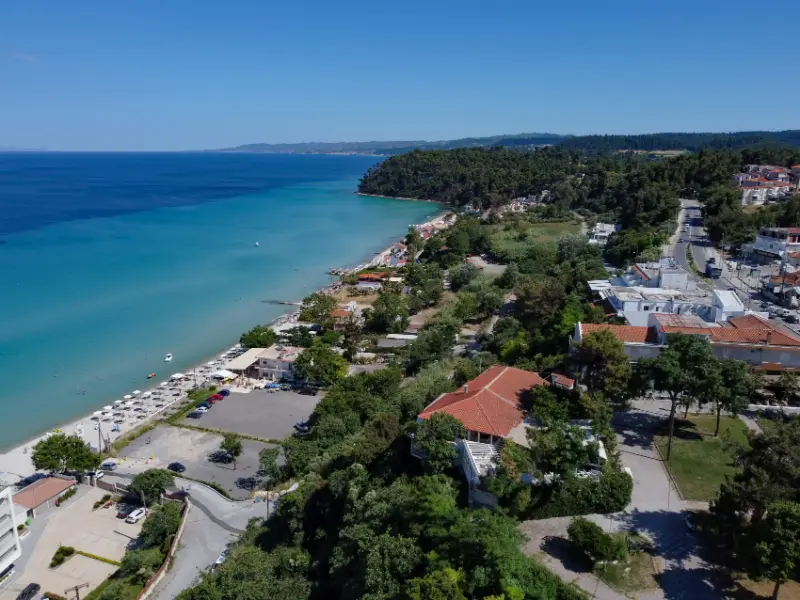
    Chalkidiki Greece Coastal Village Landscape Drone Shot Kallithea Seafront Kassandra Peninsula

    The advantage is convenience. You can find hotels for many budgets, restaurants are plentiful and beaches are easy to access. The disadvantage is that peak-summer traffic and crowds can be intense. Choose Kassandra if you want a straightforward resort holiday or only have a short stay.

    Afitos

    Afitos is one of Kassandra’s most attractive traditional settlements, built above the sea with stone houses and views across the Toroneos Gulf. It provides a strong contrast to modern resort strips. Walk the village in the late afternoon, have dinner after the day-trip heat fades and take time to look at architecture rather than only the viewpoint.

    Staying here suits couples and travellers who want more character than a large beach resort, though the beach is below the village and involves a descent.

    Sithonia: the road-trip peninsula

    Sithonia, the middle peninsula, is my preferred choice for travellers who want scenery and exploration. Pine-covered slopes descend toward turquoise bays, small beach roads leave the main highway, and settlements such as Nikiti, Neos Marmaras and Sarti provide useful bases.

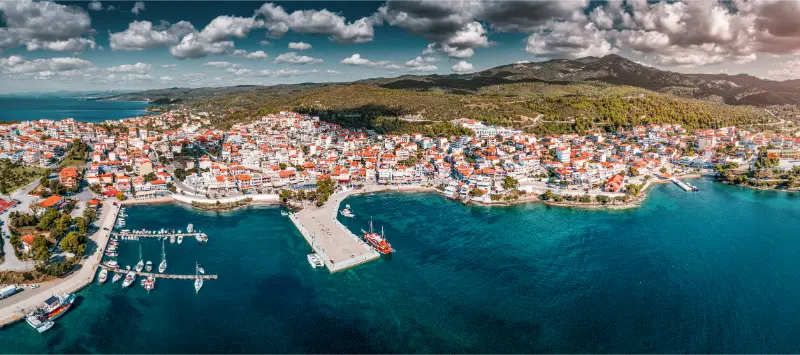
    Aerial Panorama Scenic Resort Town Neos Marmaras With Yacht Marina Sea Port Halkidiki Sithonia Attractions Greece

    You could spend a week simply driving the Sithonia loop slowly. The goal should not be to collect every beach. Choose one or two per day, leave time for lunch and stop when a viewpoint looks interesting.

    Nikiti

    Nikiti combines a practical coastal base with an older hillside village. It is well located near the entrance to Sithonia and works for families because services are extensive. The promenade becomes lively in the evening, while the old settlement above offers stone houses and a quieter atmosphere.

    From Nikiti, you can reach many west-coast beaches without spending hours in the car, making it a good first base.

    Vourvourou and Diaporos

    Vourvourou faces a beautiful cluster of small islands, including Diaporos. The sheltered water makes the area popular for kayak trips and small-boat rentals. Conditions can be calmer than on exposed coasts, though weather still matters.

    If you hire a boat, use a reputable operator and follow boundaries, fuel instructions and weather guidance. The maze of bays is attractive precisely because it rewards slow exploration rather than speed.

    Sarti and the east coast

    Sarti lies on Sithonia’s east coast with views toward Mount Athos on clear days. The long beach and range of accommodation make it another useful base. The eastern side feels different from the more indented west coast and gives access to beaches such as Kavourotrypes/Orange Beach area, where parking and crowding require patience in peak season.

    Arrive early for famous coves and never block narrow access roads. Emergency access matters more than getting ten metres closer to the sand.

    Mount Athos: understand the access rules

    Mount Athos occupies the eastern peninsula and functions as an autonomous Orthodox monastic state. Land entry is restricted: only male visitors may apply for the special permit known as a diamonitirion, with daily visitor limits and specific procedures. Women are not permitted to enter the monastic territory under the longstanding avaton rule.

    Most tourists experience Athos from the sea through cruises departing from places such as Ouranoupoli, which sail along the coastline at the legally required distance and provide views of monasteries. Rules and cruise routes can change, so use current official information rather than relying on old travel posts.

    Ouranoupoli

    Ouranoupoli is the last major tourist settlement before the Athos boundary and a useful base for boat excursions. The Byzantine tower on the waterfront gives the town a distinctive landmark. Even travellers not joining a cruise can enjoy the beaches and relaxed atmosphere of this northeastern corner.

    Because it is farther from Thessaloniki, I would include Ouranoupoli only if you have at least five to seven days in Halkidiki.

    Where to stay

    Choose **Kassandra** for resort convenience, nightlife and shorter transfers. Choose **Nikiti or Neos Marmaras** for a central Sithonia road trip. Choose **Sarti** for east-coast beaches and Athos views. Choose **Ouranoupoli** for cruises and the Athos gateway.

    For a week, splitting between Kassandra and Sithonia is practical. If beaches and nature are the main priority, spend more nights on Sithonia.

    Beaches: how to choose

    Halkidiki has an enormous number of beaches, from fully serviced resort sand to small pine-backed coves. The “best” beach changes with wind, crowd levels and where you are staying. Instead of driving across an entire peninsula for a photo-famous spot, ask locally which side is calmer that day.

    Families often prefer organized beaches with shade, toilets and easy parking. Couples and independent travellers may value smaller coves, but should still consider access and emergency safety.

    A seven-day Halkidiki itinerary

    Day 1: Thessaloniki to Kassandra

    Pick up the car and drive to Afitos or another Kassandra base. Keep the afternoon for a nearby beach and dinner in the village.

    Day 2: Kassandra loop

    Explore one or two beaches, stop in a village and enjoy the evening in Kallithea or Afitos depending on your preferred atmosphere.

    Day 3: move to Sithonia

    Drive to Nikiti, visit the old village and spend the afternoon on the west coast. Avoid trying to complete the full peninsula loop on transfer day.

    Day 4: Vourvourou and boat/kayak day

    Use the sheltered bays for a water-based day. Return to Nikiti or continue to another Sithonia base.

    Day 5: Sarti and east coast

    Explore the east, choose one major beach and stop for viewpoints toward Athos.

    Day 6: Ouranoupoli or Athos cruise

    Drive toward Ouranoupoli and join a permitted coastal cruise if it interests you. Alternatively, keep the day entirely on Sithonia for a slower trip.

    Day 7: inland stop and Thessaloniki

    Return toward the city, adding a village, winery or archaeological stop if time allows. Do not schedule a tight international flight immediately after a long summer drive.

    Halkidiki with children

    Halkidiki is one of northern Greece’s strongest family destinations because beaches, apartments and resorts are abundant. The key is choosing one peninsula as the main base so children do not spend every day in the car. Kassandra provides the easiest services; Sithonia offers more scenic variety.

    Bring shade for less organized beaches and keep road-trip days short. A boat outing can be more memorable than a third consecutive scenic drive.

    Food and inland villages

    Seafood is an obvious coastal choice, but inland Halkidiki is also known for olive products, honey, wine and traditional villages. Arnea and other settlements around Mount Cholomontas reveal a very different landscape from the beaches. If you have a week, one inland afternoon prevents the trip from becoming visually repetitive.

    Best time to visit

    June and September balance warm sea temperatures with lower traffic than peak summer. July and August bring the fullest resort atmosphere and busiest roads. May is attractive for nature and sightseeing but less reliable for a pure beach holiday. October can be pleasant for road trips while many seasonal beach services begin to close.

    Combine with Thessaloniki

    Halkidiki makes an excellent extension to a city break. Spend two or three nights in Thessaloniki for food, history and the waterfront, then rent the car only when leaving for the peninsula. My Thessaloniki travel guide explains how to use those city days.

    Common mistakes

    • Trying to drive all three peninsulas in a single day.
    • Assuming Mount Athos can be visited freely like an ordinary national park.
    • Choosing a famous beach without considering parking and wind.
    • Renting a car but staying in a resort where you never use it.
    • Underestimating August traffic when returning to Thessaloniki airport.

    Frequently asked questions

    Which is better, Kassandra or Sithonia?

    Kassandra is more developed and convenient; Sithonia is more scenic and road-trip oriented. Families can enjoy both, but the choice depends on whether services or exploration matter more.

    Can women visit Mount Athos?

    Women are not permitted to enter the monastic territory under the Athos access rules. Coastal cruises allow all travellers to view monasteries from the sea while respecting the required distance.

    How many days do you need?

    Five days is enough for one peninsula. Seven to ten days is better if you want both Kassandra and Sithonia plus an Athos-area excursion.

    Do you need a car?

    For a resort-only stay, no. For a road trip with multiple beaches and villages, a car is strongly recommended.

    Why Halkidiki works beyond the beach-resort image

    Halkidiki is really several destinations sharing one region. Kassandra gives you easy holidays, Sithonia rewards curiosity, and Athos adds a cultural landscape found nowhere else in Greece. The best trip accepts those differences instead of trying to force all three peninsulas into the same kind of day.

    Monastery Mount Athos Halkidiki Greece

    Go beyond the islands in Northern Greece

    After Thessaloniki, a longer mainland route can continue west toward Ioannina and the UNESCO-listed Zagori cultural landscape.

    More detailed planning

    Continue with Ano Poli Thessaloniki Guide White Tower and Thessaloniki Waterfront Guide for a more detailed plan.

    More detailed northern Greece guides

    Continue with Sithonia; Kassandra; Ouranoupoli; Mount Athos cruise; Ammouliani for more detailed planning.

    For deeper planning, continue with Afitos, Nikiti, Best beaches, Halkidiki with kids.

    If you want a shorter beach escape near Thessaloniki before or after Halkidiki, see our Epanomi and Potamos guide.

    Continue planning with our new Thessaloniki guides: day trips from Thessaloniki, best beaches near Thessaloniki.

    Related itinerary: Thessaloniki, Halkidiki and Mount Olympus in 10 Days: Northern Greece Itinerary.

  • Where to Stay in Alonissos: Patitiri, Old Village, Steni Vala or the Beaches?

    Where to Stay in Alonissos: Patitiri, Old Village, Steni Vala or the Beaches?

    Choosing where to stay in Alonissos matters more than choosing the most beautiful hotel photograph. The island is small, but steep terrain, bus schedules and the position of the main port can make two similarly priced properties feel completely different in practice. Patitiri is best for convenience, Old Village for atmosphere, Steni Vala for a quiet harbour, while smaller beach areas reward travellers with a car or a deliberately slow itinerary.

    Quick planning snapshot

    QuestionPractical answer
    Best base for conveniencePatitiri
    Best base for historic atmosphereOld Village / Chora
    Best base for a quiet harbourSteni Vala
    Car essential?No, but useful for remote beaches and the northeast
    Ideal first stay4–6 nights for a relaxed mix of sea, villages and nature

    Patitiri: best for first-time convenience

    Patitiri is the main ferry port and practical hub. Stay here if you arrive late, leave early, travel without a car or plan multiple excursions. You will have the easiest access to supermarkets, taxis, buses, agencies and the visitor facilities connected with the underwater museum. The trade-off is that it feels more like a working island town than a preserved village.

    Check gradients before booking. The harbour is compact, but accommodation can climb sharply behind it. A sea-view balcony may come with stairs you do not want to tackle with heavy luggage.

    Old Village: best for atmosphere and sunsets

    Old Village is the choice for stone lanes, elevated views, historic character and romantic evenings. It is particularly appealing to couples and travellers who prefer a memorable setting after beach day. Restaurants and small bars create enough evening life without turning the village into a nightlife resort.

    The compromise is transport. You will be above the port and most beaches, so buses, taxis or a car matter more. Parking can also be outside the most atmospheric lanes rather than beside your door.

    Votsi and Rousoum Gialos: practical coastal middle ground

    These areas north of Patitiri can provide a useful compromise between harbour convenience and a more residential seaside feeling. You remain close to the main port while gaining easier access to a local swim. For travellers who do not need a postcard village every evening, this can be one of the most functional choices.

    Study the exact map location because ‘near Votsi’ can still mean a hill. Ask accommodation hosts about walking routes to the beach and Patitiri.

    Steni Vala: best for a quiet harbour

    Steni Vala suits travellers who want a small maritime base with tavernas and access to the northeast coast. It is a strong choice for couples, repeat visitors and anyone planning sea activities. A car adds flexibility, but the settlement has enough identity that you do not need to drive away every evening.

    Do not choose it if you want to be able to walk to every major service or catch ferries without transfer planning. Patitiri remains the transport centre.

    Kalamakia and the northeast: for real quiet

    Kalamakia takes the same east-coast idea and pushes it farther toward tranquillity. This is where you stay because you want a small fishing-harbour rhythm and are comfortable with limited choices. It can be wonderful for slow travel and frustrating for travellers who discover on day two that they want nightlife and frequent buses.

    A rental car or arranged transfers make the area much easier. Check where you will buy breakfast, groceries and fuel before assuming everything is around the corner.

    Beach-area accommodation

    A room near a beach can make sense for families or travellers whose ideal day is mostly swimming. The risk is isolation in the evening, especially outside peak season. Before booking a remote property, ask whether restaurants are walkable, whether the road is paved, how parking works and whether taxis will pick up there at night.

    Beach proximity is most valuable when you plan to use that beach repeatedly. If you expect to drive around the island every day, a central base may reduce total travel time.

    Best areas by travel style

    Without a car: Patitiri first, then selected properties around Votsi or Rousoum Gialos. Couples: Old Village or Steni Vala. Families: Patitiri for logistics or a well-chosen beach property with easy access. Hikers: Old Village can be attractive, but Patitiri simplifies taxis and supplies. Divers: stay near your dive centre meeting point, often making Patitiri practical.

    There is no universally best area. The right answer depends on what you want to do after breakfast and after dinner.

    Booking strategy

    For July and August, reserve earlier if you need a specific room type, parking or family configuration. In shoulder season, verify that nearby restaurants and transport are operating rather than assuming summer services. Read recent reviews specifically for noise, stairs, air-conditioning and road access.

    Compare current Alonissos accommodation on Booking.com, then return to the area guides in this cluster before finalising the location.

    Best time to use this guide

    For where to stay in Alonissos, late spring, early summer and September usually give the easiest balance between active seasonal services and manageable heat. July and August bring the widest tourism infrastructure but also the strongest sun and the greatest demand for ferries, rooms and popular beaches. Outside the main season, Alonissos can feel wonderfully quiet, but travellers should verify restaurants, buses, boat excursions and visitor facilities instead of assuming summer frequency.

    Alonissos In Greece

    Weather matters more than the calendar alone. Wind can change which coast is comfortable for swimming and whether boats operate. Build a flexible itinerary with indoor, village or walking alternatives rather than assigning every activity to one unchangeable day.

    Budget and booking strategy

    Alonissos is not a destination where every useful experience must be prebooked, but a few items deserve priority in peak season: ferry seats if you are travelling with a vehicle, accommodation with a specific location or room type, specialised diving, and private boat trips. Ordinary beach days and village meals are better left flexible so you can respond to weather.

    Keep transport costs in the same spreadsheet as accommodation. A cheaper remote room can become more expensive if you need two taxi rides every day. Conversely, a slightly higher rate in Patitiri can save both time and a rental car for travellers who mainly want boat trips, Old Village and nearby beaches.

    Common mistakes to avoid

    • Planning every day around fixed beach choices without checking wind.
    • Using straight-line map distance to judge hilly walking routes.
    • Assuming summer bus or boat timetables apply in May, October or winter.
    • Leaving the most important boat or dive activity until the final day.
    • Treating Marine Park wildlife as an attraction that can be guaranteed on demand.
    • Booking accommodation without checking stairs, road access or distance from the port.

    Responsible travel on Alonissos

    The island’s identity is inseparable from marine conservation. Keep distance from wildlife, follow protected-zone rules, never remove archaeological or natural material, and choose operators that explain rather than bypass restrictions. On beaches and trails, take rubbish back with you and respect fire-prevention closures. In small settlements, parking thoughtfully matters because blocked lanes can interfere with residents and emergency access.

    Spending locally also matters. Family-run rooms, bakeries, tavernas, guides and small producers keep more tourism income on the island. A slower trip with fewer rushed transfers often supports that local economy better than treating Alonissos as a one-day photograph between larger islands.

    Votsi Island Of Alonissos Greece

    Useful official and current information

    For destination background, beaches and island information, use Visit Greece and the official Municipality of Alonissos website. Divers should verify current Peristera access through the official Alonissos Underwater Museum. For date-specific 2026 ferry schedules, compare the current route listings on Ferryhopper and confirm the operating company before travel.

    Tours and activities

    Boat trips, diving, transfers and guided experiences vary by season and weather. Compare meeting points, duration, cancellation rules and what is included before booking.

    Continue planning your Alonissos trip

    FAQ

    What is the best area to stay in Alonissos for a first trip?

    Patitiri is the easiest all-round choice because of ferry access, transport and services. Old Village is better if historic atmosphere matters more than convenience.

    Where should couples stay?

    Old Village and Steni Vala are both strong choices. Old Village offers sunset atmosphere and historic lanes; Steni Vala offers a quiet harbour and easier access to the northeast coast.

    Where should you stay without a car?

    Patitiri is the most practical. Votsi and Rousoum Gialos can also work depending on the exact accommodation and current bus connections.

    Is it worth splitting the stay between two bases?

    Usually only on a longer trip. For four or five nights, one base is more efficient. On a week-long stay, combining Patitiri or Old Village with Steni Vala can create a useful contrast.

    Final practical advice

    Alonissos rewards travellers who keep the itinerary loose enough to follow the weather. Check ferry or boat status the evening before, choose one main activity for the next day and leave space for an unplanned swim or long lunch. That approach is not only more relaxing; it is also more realistic on a small island where wind and seasonal services shape daily movement.

  • Achilleion Palace Corfu 2026 Guide: What Is Open, Gardens, History and Visiting Tips

    Achilleion Palace Corfu 2026 Guide: What Is Open, Gardens, History and Visiting Tips

    Achilleion is one of Corfu’s most famous landmarks, but in 2026 it is also one of the places where old guidebooks can mislead you. The palace has been undergoing a long restoration process, and the interior should not be treated as a normal open museum visit. The gardens and exterior setting remain the main reason to consider the stop, while the status of accessible areas should be checked immediately before you go.

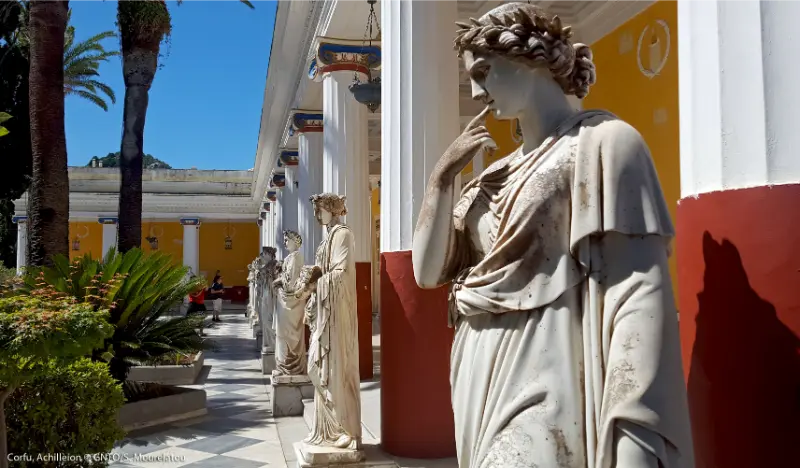
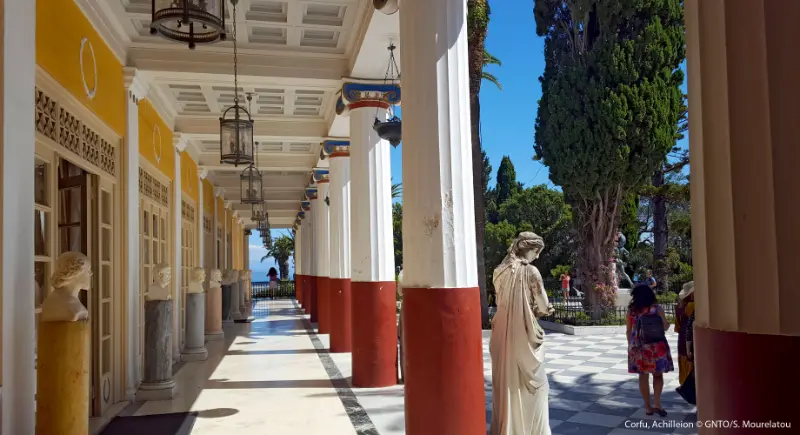
    The palace was created for Empress Elisabeth of Austria, known as Sisi, and later became associated with Kaiser Wilhelm II. Its architecture, statuary and Achilles theme make it very different from Corfu’s Venetian forts or Byzantine castles. The location above Gastouri also gives the site a strong landscape element.

    I would pair Achilleion with Kanoni or Corfu Town rather than make a special cross-island journey only for the palace. My Corfu Old Town guide gives you the stronger full cultural day if the restoration limits what you can see here.

    Achilleion Corfu Greece

    Achilleion in 2026: what to know first

    QuestionCurrent planning answer
    Palace interiorUnder restoration; do not assume normal museum access
    Gardens/groundsThe accessible part during the current restoration period; confirm current status before travel
    Time to allowAbout 60–90 minutes if visiting the grounds
    TransportCity Bus line 10 serves Achilleion from Corfu Town

    The 2026 restoration situation

    In August 2026, Hellenic Public Properties Company announced a new €11.5 million tender for restoration and museum-operation works at Achilleion. The project includes completing restoration of the palace and concierge buildings, upgrading the courtyard and installing museum infrastructure. The official HPPC announcement is the clearest sign that this is still an active restoration project, not a fully reopened palace museum.

    That matters when you decide whether the visit is worth your time. Go for the setting, history, statues and gardens if they are accessible; do not plan the day around seeing historic rooms. Check the official Achilleion visitor information shortly before departure because access arrangements can change during works.

    Why Achilleion was built

    Empress Elisabeth commissioned the palace in the late nineteenth century as a retreat inspired by Greek mythology and especially Achilles. That obsession is visible in the name, sculpture programme and theatrical relationship between architecture and garden. After Elisabeth’s death, Kaiser Wilhelm II acquired the property, adding another layer of imperial history to the site.

    Knowing this story improves the visit because the gardens stop looking like a random collection of classical statues. The palace was designed as a personal interpretation of Greece by European royalty, which makes it historically interesting even when access is limited.

    What to look for in the gardens and exterior

    The best-known sculpture is the Dying Achilles, a dramatic nineteenth-century work that expresses the melancholy Elisabeth associated with the hero. Other statues, terraces and the palace façade continue the classical theme. Take time to look back toward the building from the garden rather than photographing each sculpture in isolation.

    The views toward the coast help explain why the site was chosen. In soft morning or late-afternoon light, the setting can be more memorable than the individual objects. During restoration, some routes or perspectives may be fenced or altered, so follow onsite instructions.

    How to get to Achilleion without driving

    Corfu City Bus lists line 10 from Mitropolitou Methodiou in town to Achilleion. Check the official City Bus timetable on the day because routes and frequency can change seasonally. The bus is useful if you are staying centrally and do not need a car for other stops.

    Corfu Achilleion

    If you drive, allow extra time for the approach and parking rather than assuming a large attraction has effortless access. Gastouri is a village environment with narrower roads than a modern museum complex.

    What to combine with Achilleion

    Kanoni and Pontikonisi are the easiest cultural-scenic companion because they lie south of Corfu Town. Use my Kanoni, Pontikonisi and Mon Repos guide for a half-day loop. You can also return to the city for an evening walk rather than driving to a distant beach.

    Benitses is another practical option if you want a coastal meal after the palace. What I would not do is combine Achilleion, Paleokastritsa and Kassiopi simply because they all appear on a ‘top sights’ list; that creates too much road time.

    Is Achilleion worth it during restoration?

    If imperial history, gardens and architecture interest you, yes—provided the grounds are open and you accept that the experience is currently incomplete. If your priority is museum interiors, skip it for now and use the time for the Archaeological Museum, Old Fortress or Mon Repos instead.

    This is an example of why a good itinerary needs alternatives. A site under active works should be an optional cultural stop, not the single pillar holding up your day.

    Practical visiting checklist

    Because the restoration programme is moving through new phases, this is one of the rare Corfu attractions where I would verify the status even if you checked it a week earlier. A temporary closure or rerouted visitor path can change the value of the trip.

    • Check current Achilleion access on the official site immediately before travel.
    • Do not assume the palace interior is open in 2026.
    • Carry water in hot weather; much of the experience is outdoors.
    • Dress for walking on garden paths and slopes.
    • Use City Bus line 10 if you prefer not to drive.
    • Keep a nearby backup such as Kanoni, Mon Repos or Benitses.

    How to decide on the day whether to go

    Before leaving your hotel, check three things: the official visitor-status page, the weather and how much of the site is currently accessible. If the gardens are open, the day is dry and you are already travelling through Gastouri, the stop can still be rewarding. If access has been reduced and rain is heavy, move the visit rather than forcing it.

    This decision rule is especially useful for cruise visitors with limited hours. Corfu Town offers several fully open cultural alternatives within a much smaller area, so an incomplete Achilleion visit should never consume the entire port call.

    Understanding Sisi and Kaiser Wilhelm II

    Elisabeth’s relationship with Greece was personal and romanticised. She studied Greek, travelled in the country and used Achilleion as a retreat. The palace therefore reflects both nineteenth-century philhellenism and her own identification with the tragic figure of Achilles.

    Kaiser Wilhelm II later acquired the estate and used it differently, as a political and seasonal residence. Reading the site through both owners prevents the story from becoming a single celebrity biography and explains why later additions and associations feel different from Elisabeth’s original vision.

    One more practical planning note

    When planning Achilleion Palace Corfu 2026 Guide, keep the day deliberately flexible. Corfu rewards travellers who respond to wind, heat and traffic rather than following a fixed checklist. Confirm opening or transport information on the morning itself, carry water, save important locations offline and avoid adding a distant attraction just because there is an empty hour on paper. The island is most enjoyable when each day has one clear geographical focus, enough time for a meal and enough margin to change the plan if a beach is rough, a road is congested or a cultural site has temporary access restrictions.

    I also recommend building a deliberate pause into the middle of the day. In peak summer, a shaded lunch, swim or hotel break is not wasted time; it protects the part of the afternoon when you are more likely to enjoy a village, viewpoint or coastal walk. If you are driving, refill water before leaving a larger resort area and keep fuel comfortably above empty, because small mountain and coastal roads do not always have services exactly when you need them.

    Finally, check the return route before sunset. Corfu roads can be slower after dark, and bus frequencies often thin out in the evening. If a place is especially beautiful late in the day, consider staying nearby for dinner rather than immediately crossing the island. That simple decision often turns a rushed sightseeing day into a much more memorable travel experience.

    Frequently asked questions

    Is Achilleion Palace open inside in 2026?

    The palace is still part of an active restoration project, so you should not assume normal interior museum access. Check current official information before visiting.

    Can you visit the gardens?

    The gardens and grounds have been the visitable component during the restoration period, but access can change with works, so confirm before travel.

    How do you reach Achilleion from Corfu Town?

    Corfu City Bus lists line 10 to Achilleion. Check the current timetable for frequency and departure point.

    How long should I allow?

    Around 60–90 minutes is reasonable for the accessible outdoor areas, longer if more sections reopen.

    What should I combine with Achilleion?

    Kanoni, Mon Repos, Benitses or Corfu Town are geographically sensible companions.

    Corfu Mon Repos

    Final thoughts

    Achilleion is still historically important, but in 2026 you need to visit the site that exists now, not the fully open palace described in older guidebooks. Verify access, treat the gardens and setting as the main experience and keep a nearby alternative in your plan.

  • Kastro Skiathos Guide: Medieval Ruins, Hike, Boat Access and History

    Kastro Skiathos Guide: Medieval Ruins, Hike, Boat Access and History

    Kastro is one of the places that changes your idea of Skiathos. The modern island is associated with beaches, buses and a lively harbour, but for centuries residents lived on this steep northern rock because it offered protection from raids. The abandoned settlement now combines ruined walls, churches, sea views and a dramatic approach that feels far removed from the resort coast.

    The Municipality of Skiathos dates the foundation of the fortified settlement to around 1360, when repeated pirate attacks pushed people away from the older coastal town. The site is reached on foot from the road side or approached by boat, and both methods reveal why this rock was chosen as a natural fortress. For the broad island overview, start with my Skiathos travel guide. For the capital, harbour and evening walks, use the Skiathos Town guide; and for the island’s best-known south-west beach, see the Koukounaries Beach guide.

    Kastro at a glance

    QuestionPractical answer
    Best forHistory, hiking, photography and wild-coast scenery
    Land accessDrive or bus/taxi toward the north, then continue on foot
    Boat accessSeasonal excursions from Skiathos Town may include Kastro coast
    Time neededHalf day for a focused visit; longer if hiking a full route
    DifficultyUneven paths, exposed sun and steep sections require proper shoes

    Why Kastro became the medieval capital

    According to the Municipality of Skiathos history of Kastro, the settlement was established around 1360. Its location on a rocky peninsula gave natural protection on three sides, while stronger fortifications guarded the landward approach. Over the centuries Kastro passed through Byzantine, Venetian and Ottoman control.

    At its height the settlement was dense: hundreds of houses, several parishes, more than twenty churches, cisterns and administrative buildings were packed into a limited space. What remains today is fragmentary, so imagination matters. Read the history before walking through the ruins and the scattered walls make much more sense.

    Panoramic View Port Skiathos Northern Sporades Greece Mountains Sea From Height

    What you can still see

    The surviving churches are the strongest visual link with the settlement’s past. Christos sto Kastro, once the cathedral, preserves important wall paintings and a carved iconostasis. Other chapels and ruined foundations help you understand how densely people lived inside the fortification.

    Do not expect a reconstructed castle complex with ticket barriers and interpretation at every corner. Kastro is compelling precisely because it remains an exposed archaeological landscape. Stay on clear paths, avoid climbing fragile masonry and give yourself time to look back toward the cliffs and sea.

    Reaching Kastro by land

    The road approach gets you only part of the way. From the parking area you continue on foot, and the final section can be hot and uneven. The municipality describes roughly a half-hour walk from the vehicle approach, but your time will depend on heat, stops and confidence on the terrain.

    Public transport improved in 2026: Skiathos Transport announced an extension of the Evangelistria line toward Profitis Ilias and the Kastro junction. Check the current Skiathos Transport routes because seasonal timetables change and a bus to the junction does not remove the walking section to the historic site.

    Approaching by boat

    A boat gives you the best sense of how formidable the rock looks from the sea. Seasonal cruises may stop near Kastro or combine it with Lalaria and the north coast. If you want time to walk inside the settlement, confirm that the excursion actually allows enough shore time rather than merely photographing the cliffs.

    For a sea-focused day that may also include Lalaria, use my Lalaria Beach guide. Boat access remains weather-dependent, so keep a land alternative in mind.

    Hiking to Kastro

    Kastro sits within the island’s formal hiking network. The municipal trail information includes routes linking the north with Evangelistria and historic religious sites. The official Skiathos trail descriptions are a useful starting point for choosing a route rather than improvising on unmarked tracks.

    Start early in warm months, carry more water than a beach day and use closed shoes. Mobile signal should never be your only navigation system. Save the route offline and turn back before you are tired enough to make poor decisions on loose ground.

    Kastro Beach and the north coast

    Below the historic rock is a wild coastal landscape that can be reached by boat and, depending on the route and conditions, on foot. It feels much less developed than the south coast. Treat swimming as a bonus rather than the purpose of the day, because north wind and swell can change conditions quickly.

    If your priority is a simple family beach with facilities, choose Troulos or Agia Paraskevi instead. Kastro is for travellers who value landscape and history enough to accept a more demanding day.

    How to combine Kastro without rushing

    Time availableBest plan
    3–4 hoursDrive/taxi or bus toward the Kastro side, walk the site, return
    Half dayKastro plus a short nearby trail or north-coast viewpoint
    Full dayLonger hike linking Evangelistria/forest routes with Kastro, if experienced
    Boat dayKastro coast plus Lalaria/Blue Caves when sea conditions allow

    When to go and how to use the weather

    For Kastro Skiathos Guide, I would treat the weather as part of the plan rather than background information. Skiathos is green, exposed to changing Aegean conditions and small enough that one coast can feel very different from another. In July and August the strongest sun usually falls in the middle of the day, so exposed walks and historic sites are more comfortable early or later. Spring and early autumn are particularly attractive for walking, while the sea remains the priority for most summer visitors.

    Wind matters even more than temperature. A calm morning can be ideal for the north coast, while a northerly wind can cancel small-boat departures or make open beaches uncomfortable. Check the marine forecast and ask local operators about the actual sea, not only the air temperature. If conditions are poor, switch to the south coast, town, a monastery or a forest walk and keep the exposed plan for another day.

    Food, water and a sensible pace

    Skiathos makes it easy to over-plan because distances look short. Leave time for a proper lunch, a swim and an unhurried return. On remote beaches and hiking routes, carry more water than you think you need; tavernas and beach bars are common on the developed south coast but not guaranteed on the north. A refillable bottle and a small snack are worth carrying even on a half-day outing.

    For meals, use the geography of the day. Eat near the beach or village you are already visiting instead of driving back to Skiathos Town for every lunch. In the evening, the town gives you the widest choice, but staying in Troulos, Agia Paraskevi or Koukounaries can be more relaxing if your hotel is on the west side of the bus corridor.

    Agia Paraskevi Beach Skiathos Greece

    What to pack for this part of Skiathos

    • High-SPF sunscreen, a hat and enough drinking water for exposed stops.
    • Shoes with grip for paths, rocky viewpoints and historic sites; flip-flops are not hiking shoes.
    • A light layer for boat rides and breezy evenings, even in warm weather.
    • Offline maps or saved pins for remote beaches and trail junctions.
    • A small dry bag if the day includes a boat, tender transfer or swimming stop.
    • Cash as a backup for small seasonal businesses, although cards are widely used in tourist areas.

    A planning rule that saves time

    Group each day by geography. The south-coast bus corridor, the Koukounaries end of the island, the northern Kastro area and the town/monastery side each work best as separate clusters. Crossing the island several times in one day adds traffic and parking without adding much experience.

    Also keep the last day conservative if you have a flight or ferry connection. Boat trips can be delayed by weather, buses can run differently outside peak season and summer road traffic around town and the airport can slow unexpectedly. A relaxed final day near your departure point is a better insurance policy than squeezing in a remote north-coast beach.

    Frequently asked questions

    Is Kastro the same as Skiathos Town castle?

    No. Kastro is the abandoned medieval settlement on the north coast; Bourtzi is the historic peninsula in modern Skiathos Town.

    Sporades Skiathos Kastro

    Can I reach Kastro by bus?

    In 2026 the local transport network extended service toward the Kastro junction, but you still need to walk from the road side. Check the current seasonal timetable.

    Is there an entrance ticket?

    Access arrangements can change, so check current municipal information; the main planning issue is the route, weather and terrain rather than a conventional museum visit.

    Is Kastro suitable for toddlers?

    The uneven paths, exposure and drops make easier beaches and town walks more practical with very young children.

    How long should I allow?

    A focused visit normally deserves at least half a day once you include the approach and return.

    Final thoughts

    Kastro is the counterweight to Skiathos’s easy beach image: exposed, historic and slightly demanding. Give it the right shoes, enough water and a calm schedule. The reward is not just a castle ruin but a much clearer understanding of how island life adapted to centuries of insecurity.

  • Psathi Kimolos Guide: Port, Rema, Goupa, Sirmata and Practical Arrival Tips

    Psathi Kimolos Guide: Port, Rema, Goupa, Sirmata and Practical Arrival Tips

    Use Psathi as more than a ferry terminal: this guide covers the Kimolos port, nearby Rema and Goupa, traditional sirmata, swimming, food and smooth arrival logistics.

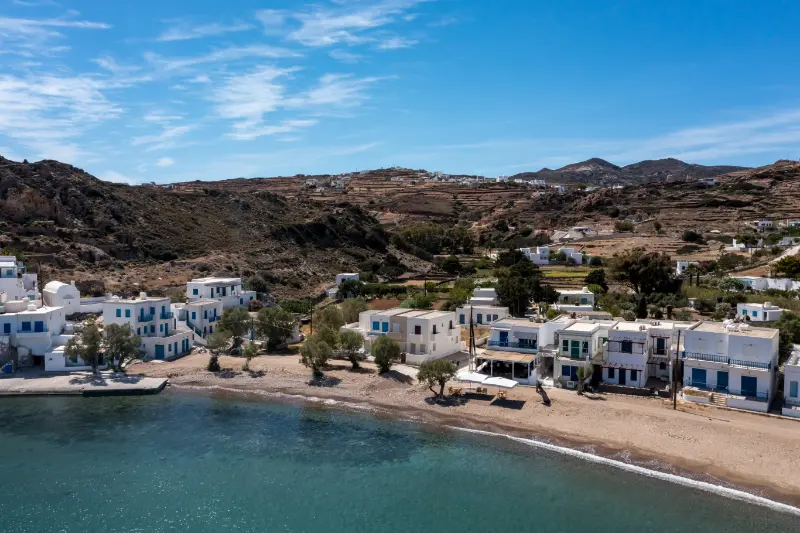
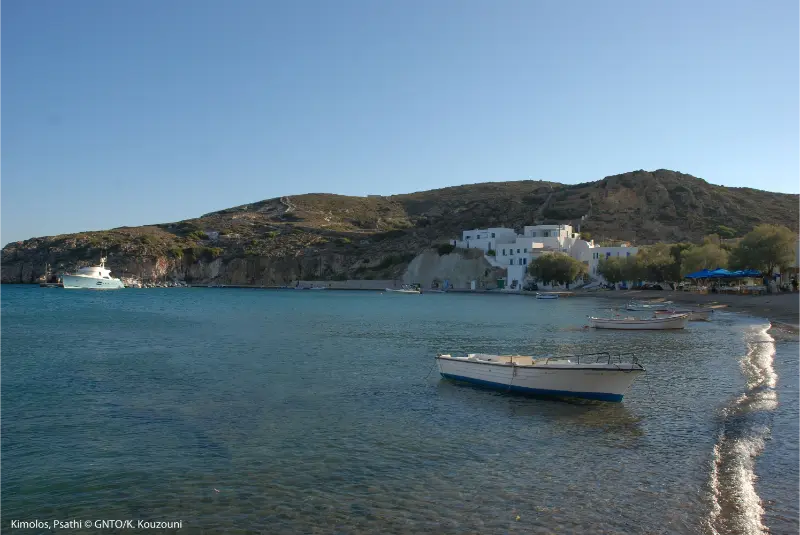
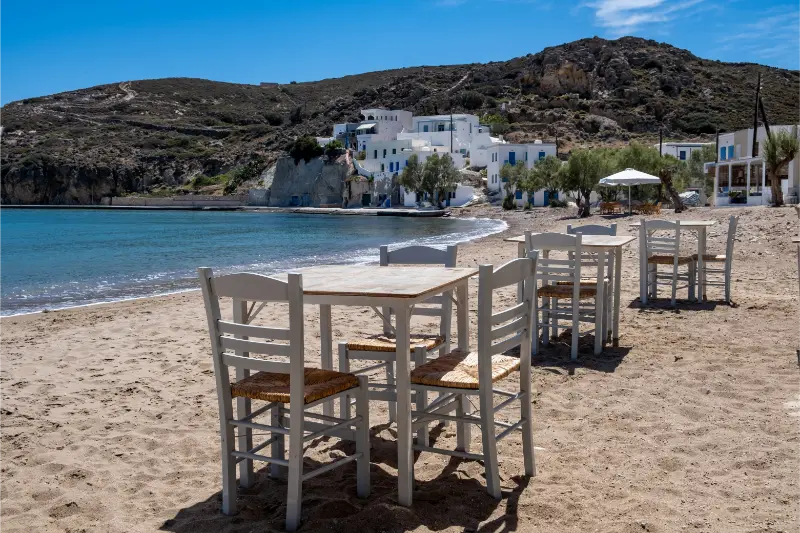
    Kimolos Island Psathi Village Cyclades Greece Whitewashed Buildings Sandy Beach Calm Blue Sea

    Kimolos rewards travellers who plan around its small scale rather than trying to treat it like a larger resort island. The practical details in this guide are designed for independent visitors: what is genuinely walkable, where transport saves time, how wind changes a beach day, and which places deserve unhurried time.

    Quick planning notes

    • Keep ferry tickets and your accommodation contact easy to reach before the boat docks.
    • Psathi is close to Chorio, but luggage and midday heat can make the uphill transfer feel longer than expected.
    • Rema and Goupa are easy nearby swimming options when you have only a few free hours.
    • Never enter or climb on a sirmata boat house unless it is clearly open to visitors.

    What Psathi is really like

    Psathi is Kimolos’s ferry port and the island’s first impression for most visitors, but it is more pleasant than a purely functional terminal. White houses sit around the small harbour, fishing boats share the waterfront with ferries, and the settlement gives immediate access to cafés, food and short coastal walks. The pace changes dramatically when a ferry arrives, then settles again once vehicles and passengers have dispersed toward Chorio and the beaches.

    The port is compact enough to understand quickly. If your accommodation is collecting you, confirm the meeting point before arrival because cars, taxis and foot passengers can briefly crowd the quay. If you are continuing to Chorio by bus, check the day’s timetable rather than assuming every ferry has a perfectly timed connection. On a small island, transport often works well but not with the frequency travelers from larger destinations expect.

    Arriving by ferry without stress

    Prepare for arrival before the final approach. Have your hotel name, phone number and map pin saved offline, especially if mobile data becomes weak. Ferries may board and unload quickly, so do not wait until the ramp is down to search for tickets, luggage tags or transfer instructions. If you have a rental vehicle booked, reconfirm where paperwork is completed because the office may not be directly beside the ramp.

    Weather can alter schedules, particularly on exposed Aegean routes. Build margin into same-day connections through Milos or Piraeus and avoid booking a non-refundable flight immediately after a ferry you cannot afford to miss. Kimolos is an island where a relaxed buffer is part of sensible logistics, not wasted time.

    Rema: a natural swimming pool close to the port

    Rema is one of the easiest places to swim near Psathi and Chorio. Rock formations and the sheltered setting create a natural-pool feeling, while the surrounding scenery includes Rematonisia and the traditional boat-storage caves known as sirmata. It is especially useful on arrival day when you do not want to organize a bus, taxi or long beach transfer.

    Kimolos Psathi

    Wear water shoes if you prefer extra grip on rock, and check sea conditions before jumping from any ledge. The attraction here is the combination of clear water and local coastal character rather than a broad sandy beach with extensive facilities. Bring what you need, keep access paths clear for residents and leave the boat houses undisturbed.

    Goupa and the sirmata

    Goupa is one of the most photogenic fishing areas on Kimolos because of its sirmata, boat houses cut into the soft rock at the waterline. These spaces are practical structures historically used to protect boats during winter, not decorative cabins built for tourism. Their bright doors, small slips and relationship with the sea tell you far more about traditional island life than a staged photo stop.

    Walk slowly between Psathi, Rema and Goupa when temperatures are comfortable. Photography from public paths is fine, but privacy matters: do not sit on thresholds, move equipment, enter interiors or fly a drone close to people’s homes without permission. Early morning gives softer light and fewer visitors, while late afternoon can be beautiful if the wind is calm.

    Eating near the harbour

    Psathi works well for a meal before departure or immediately after arrival because you can stay close to the ferry while still enjoying a proper waterfront setting. Menus often emphasize seafood, grilled dishes and familiar Cycladic plates, and the port is a good place to ask what was landed fresh that day. If your ferry leaves in the evening, tell the restaurant your departure time and keep enough margin to pay and collect luggage.

    Beach Of Psathi On Island Of Kimolos In Greece

    For more variety, Chorio has the broadest dining choice on the island. Think of Psathi as convenient rather than the only culinary center. A useful pattern is coffee or lunch by the port, dinner in Chorio, and one or two destination meals elsewhere after a beach day.

    Staying in Psathi: who it suits

    A room in Psathi can make sense if you have an early ferry, dislike carrying luggage through village lanes or simply enjoy waking beside the harbour. It also puts Rema and Goupa within easy reach. The drawback is that Chorio has more evening atmosphere and dining choice, while many beaches require onward transport either way.

    Before booking, ask whether the room faces the ferry quay and how much early-morning vessel activity you may hear. Port sounds are part of island life. Some travelers find them atmospheric; light sleepers may prefer a quieter room set back from the waterfront.

    A good arrival-day plan

    After checking in, resist the temptation to cross the island immediately. Walk the harbour, continue to Rema and Goupa, swim if conditions suit, then head to Chorio for the late afternoon and dinner. This gives you a useful mental map without the risk of missing a bus or driving unfamiliar rural roads when tired from the ferry.

    On departure day, reverse the pattern: keep the morning flexible, choose a nearby swim or coffee stop and return to Psathi well before boarding. Ferry times can shift, and standing at the port with margin is less stressful than racing down from a remote beach.

    Practical services and money

    Psathi has some visitor services, including food, shops and an ATM, while Chorio has the strongest concentration of pharmacies, groceries and other essentials. Do not assume every service is open late or every card terminal is working. A modest cash reserve is sensible for a small island even if you normally pay electronically.

    If you need medicine, fuel or a specific purchase, handle it early in your stay rather than leaving it until the last evening. Small-island logistics are easiest when you solve practical needs before they become urgent.

    Where to book accommodation

    Accommodation is limited compared with larger Cycladic islands, especially in July and August. Compare location carefully rather than choosing only by room style: a property in Chorio gives the easiest evenings, while coastal stays trade convenience for quicker beach access. Check current Kimolos accommodation on Booking.com.

    Frequently asked questions

    Can I walk from Psathi to Chorio?

    Yes, the settlements are close, but the route involves an uphill component and can feel uncomfortable with luggage or in midday heat. A bus, taxi or hotel transfer is easier on arrival.

    Is Psathi a good place to stay?

    It is convenient for ferries and nearby swimming at Rema and Goupa. Chorio is usually better for a broader choice of evening restaurants and village atmosphere.

    Are the sirmata open to visitors?

    They are working or privately used boat houses. Admire them from public areas and only enter if an owner explicitly invites you.

    Useful official resources

    For information that can change after publication, use the Municipality of Kimolos for local services and island information, the Visit Greece Kimolos page for destination background, and the municipality’s ferry timetable page before fixing transfers. Ferry and local transport times can change by season, weather and operator, so confirm the exact day rather than relying on an old screenshot.

    Related Kimolos guides

    What to do if your room is not ready

    If you arrive before check-in, ask your host or a nearby business whether luggage can be stored, then keep the first outing simple. Coffee in Psathi, a short walk to Rema and Goupa, and lunch near the port fill several hours without risking a missed message from the property. Avoid leaving valuables or passports unattended on the beach. Once the room is available, transfer bags before heading to a more distant beach.

    Departure-day strategy

    Confirm the ferry the evening before and again on the day if weather is unsettled. Pack before breakfast, settle any accommodation balance, and move luggage to Psathi with time to spare. A nearby swim is fine only when you can return, dry off and board comfortably. The small scale of the port can create false confidence; ferries do not wait for travelers who are still walking back from Goupa.

  • Best Beaches in Chios: 15 Beaches for Black Pebbles, Families, Snorkelling and Quiet Coves

    Best Beaches in Chios: 15 Beaches for Black Pebbles, Families, Snorkelling and Quiet Coves

    Chios is not an island where one beach style dominates. The south has volcanic pebbles and accessible resort beaches, the west has dramatic coves and clear deep water, and the north offers longer, quieter shores where the journey is part of the day.

    The “best” beach therefore depends on wind, swimming confidence, shade, driving tolerance and whether you want services. This guide compares fifteen named beaches rather than pretending one famous shoreline works for everyone.

    Quick planning summary

    QuestionPractical answer
    Best fortravellers choosing beaches by conditions and trip style
    Ideal timeseveral days, because the beaches are spread around a large island
    Best basesplit Chios Town/south with Volissos if beaches are a priority
    Pair it withvillages and cultural stops in the same region

    1. Mavra Volia

    Chios’s signature volcanic beach near Emporios has smooth dark pebbles and clear, deep-looking water beneath stark rock. It is unforgettable visually but can be hot underfoot and offers less natural shade than a family resort beach. Go early, carry sandals and combine it with Pyrgi or the Mastic Museum.

    The practical approach is to keep this stop connected to the surrounding region rather than crossing the island for one item on a checklist. Build the day around nearby villages, food and coastline, then leave enough space for an unplanned coffee, swim or viewpoint when conditions are good.

    2. Komi

    Komi is one of the easiest choices for families and groups who want food, organised services and a longer beach stay. The sandier setting and nearby restaurants make logistics simpler than at remote coves. It is also useful as a fallback when somebody in the group wants comfort more than wilderness.

    The practical approach is to keep this stop connected to the surrounding region rather than crossing the island for one item on a checklist. Build the day around nearby villages, food and coastline, then leave enough space for an unplanned coffee, swim or viewpoint when conditions are good.

    3. Karfas

    Karfas lies close to Chios Town and is a practical beach base for short stays. Accommodation, food and transport are easier here than on the west coast, making it attractive for families and travellers without a car. The trade-off is a more developed atmosphere.

    Chios Island Greece Didima Didyma Beach Twins Beach West Side Island

    The practical approach is to keep this stop connected to the surrounding region rather than crossing the island for one item on a checklist. Build the day around nearby villages, food and coastline, then leave enough space for an unplanned coffee, swim or viewpoint when conditions are good.

    4. Vroulidia

    Vroulidia is a compact southern cove with striking water and a more secluded feel. Space and parking are limited compared with Komi, so it rewards an early start. The approach and steps also make it less suitable for travellers with mobility limitations.

    The practical approach is to keep this stop connected to the surrounding region rather than crossing the island for one item on a checklist. Build the day around nearby villages, food and coastline, then leave enough space for an unplanned coffee, swim or viewpoint when conditions are good.

    5. Lilikas

    Lilikas sits near Komi and offers a quieter pebble alternative when the main resort beach feels busy. It works well for confident swimmers and a low-key afternoon, especially if you are already touring the southern villages.

    The practical approach is to keep this stop connected to the surrounding region rather than crossing the island for one item on a checklist. Build the day around nearby villages, food and coastline, then leave enough space for an unplanned coffee, swim or viewpoint when conditions are good.

    6. Agia Fotini

    Agia Fotini on the east coast is a pebble beach with tavernas and accommodation nearby. It is a good compromise between clear-water swimming and practical services, and its position makes it easier to reach from town than remote west-coast coves.

    Agia Dinami Beach Agia Dynami Beach Chios Island Greece

    The practical approach is to keep this stop connected to the surrounding region rather than crossing the island for one item on a checklist. Build the day around nearby villages, food and coastline, then leave enough space for an unplanned coffee, swim or viewpoint when conditions are good.

    7. Glaroi

    Glaroi is close enough to Chios Town to be popular but still has the visual appeal of a bright-water cove. Expect more people in high summer. Arrive before peak afternoon if parking and a quieter swim matter.

    The practical approach is to keep this stop connected to the surrounding region rather than crossing the island for one item on a checklist. Build the day around nearby villages, food and coastline, then leave enough space for an unplanned coffee, swim or viewpoint when conditions are good.

    8. Elinda

    Elinda is a beautiful west-coast bay often paired with Avgonyma and Anavatos. The water can be exceptionally clear and the surrounding slopes feel wild, but services are limited. Bring what you need and treat it as part of a central-west road trip.

    The practical approach is to keep this stop connected to the surrounding region rather than crossing the island for one item on a checklist. Build the day around nearby villages, food and coastline, then leave enough space for an unplanned coffee, swim or viewpoint when conditions are good.

    9. Lithi

    Lithi combines a west-coast fishing village with a beach and tavernas, making it ideal when food is as important as swimming. It is one of the easiest places to turn a beach stop into a long lunch and sunset-oriented afternoon.

    The practical approach is to keep this stop connected to the surrounding region rather than crossing the island for one item on a checklist. Build the day around nearby villages, food and coastline, then leave enough space for an unplanned coffee, swim or viewpoint when conditions are good.

    10. Managros

    Near Volissos, Managros is a long sand-and-pebble beach with far more space than most southern coves. It suits travellers staying in north-west Chios and anyone who values room over organised facilities. Wind and exposure can be more noticeable.

    The practical approach is to keep this stop connected to the surrounding region rather than crossing the island for one item on a checklist. Build the day around nearby villages, food and coastline, then leave enough space for an unplanned coffee, swim or viewpoint when conditions are good.

    11. Lefkathia

    Lefkathia is another convenient Volissos-area option and works well for a straightforward swim without committing to a long remote drive. Pair it with the castle, Limnios or dinner in Volissos.

    The practical approach is to keep this stop connected to the surrounding region rather than crossing the island for one item on a checklist. Build the day around nearby villages, food and coastline, then leave enough space for an unplanned coffee, swim or viewpoint when conditions are good.

    12. Nagos

    Nagos on the north-east coast is known for clear water, plane trees and a greener setting than much of southern Chios. It is a refreshing stop on a Kardamyla or north-east circuit and feels very different from the volcanic south.

    The practical approach is to keep this stop connected to the surrounding region rather than crossing the island for one item on a checklist. Build the day around nearby villages, food and coastline, then leave enough space for an unplanned coffee, swim or viewpoint when conditions are good.

    13. Agiasmata

    Agiasmata sits on the remote north coast and appeals to road-trippers seeking a quieter edge-of-the-island experience. Facilities and thermal-bath operations can be seasonal, so check before travelling primarily for services rather than the landscape.

    The practical approach is to keep this stop connected to the surrounding region rather than crossing the island for one item on a checklist. Build the day around nearby villages, food and coastline, then leave enough space for an unplanned coffee, swim or viewpoint when conditions are good.

    14. Kato Fana

    Kato Fana in the south mixes a sandy beach with archaeological context and spring wildflowers nearby. It is a good choice for travellers who want a quieter shore than Komi while exploring Olympi and the Mastichochoria.

    The practical approach is to keep this stop connected to the surrounding region rather than crossing the island for one item on a checklist. Build the day around nearby villages, food and coastline, then leave enough space for an unplanned coffee, swim or viewpoint when conditions are good.

    15. Emporios

    The small beach area at Emporios is useful when you want a quick swim, tavernas and easy access to Mavra Volia without spending the whole day on the black pebbles. It is more about convenience and atmosphere than wilderness.

    The practical approach is to keep this stop connected to the surrounding region rather than crossing the island for one item on a checklist. Build the day around nearby villages, food and coastline, then leave enough space for an unplanned coffee, swim or viewpoint when conditions are good.

    How much time should you allow?

    Do not try to “collect” all fifteen beaches. Choose one coast per day and let wind and your route determine the final swim. Chios is larger and more varied than it looks on a simple island map, and the most enjoyable days usually combine one main cultural area with one beach or meal stop rather than several distant targets. Driving times, village walks and slow lunches add up quickly, so leave enough margin to enjoy what you came to see.

    If you are building a week-long trip, keep at least one flexible half-day. Wind direction can change which beach feels best, a museum or monastery may have seasonal hours, and a village that looks like a thirty-minute stop can easily become the place where you want to stay for lunch. That flexibility is especially valuable on Chios because north, centre and south have very different characters.

    Getting there and getting around

    A car makes beach exploration dramatically easier because the best choices are spread across south, west and north Chios. Chios has an airport close to Chios Town and ferry connections with Piraeus and other Aegean destinations. For a short break, flying can save time; for a longer North Aegean route, ferries can make more sense. Always check the exact service for your dates because frequencies and vessel types change by season.

    A rental car is the easiest way to connect the mastic villages, west-coast viewpoints and northern settlements. If you prefer not to drive, base yourself in Chios Town, use buses for the most useful corridors and book an organised excursion for the south or central villages. Do not assume that every small beach or mountain village has frequent public transport, especially outside July and August.

    Best time to visit

    June to September is best for dedicated swimming trips, with May and October attractive for scenery and quieter shorelines when conditions cooperate. May, June and September are particularly comfortable for combining sightseeing with swimming. July and August provide the widest choice of seasonal services but bring stronger heat and more demand. Spring is excellent for walking, flowers and village exploration; autumn can be rewarding for food and slower travel as long as you accept a little more weather uncertainty.

    Whatever the month, plan archaeological sites, castles and exposed village walks for the cooler part of the day. The Aegean wind can make one coast much more comfortable than another, so ask locally before driving across the island purely for a beach. In high summer, carry water and do not rely on shade at remote coves.

    Who this part of Chios suits best

    Chios works especially well for travellers who prefer variety: families, strong swimmers, snorkellers, photographers and road-trippers can all find a suitable beach. The island rewards travellers who enjoy mixing cultural detail with everyday village life. It is less about rushing from one headline sight to another and more about noticing architecture, food, working landscapes and the relationship between inland settlements and the sea.

    Agia Dynami Beach Chios Island Greece Sandy Beach With Emerald Color Waters Chapel Blue Sky

    Families can enjoy Chios too, especially with a sensible base and shorter drives, but the island is not uniformly stroller-friendly: medieval lanes, cobbles and steep viewpoints appear often. Couples and solo travellers usually appreciate the freedom to linger in villages, while photographers and food-minded visitors will find material well beyond the classic beach season.

    Budget and booking strategy

    Chios can be good value compared with the most internationally famous Greek islands, but the total cost still depends heavily on transport. A cheaper room far from your planned sights can be false economy if it creates long daily drives. Compare parking, breakfast, beach access and evening dining options as part of the accommodation price rather than looking at the room rate alone.

    In peak summer, reserve well-located accommodation, rental cars and any must-do guided experience earlier. In shoulder season, you can often keep more flexibility, but confirm whether smaller museums, tavernas and beach services are operating on your travel dates. For cultural attractions, always check current hours rather than relying on an old blog post.

    What to pack

    • Shoes with grip for stone lanes, castle paths and uneven archaeological ground.
    • A refillable water bottle, hat and high-SPF sunscreen for exposed summer days.
    • A light layer that covers shoulders and knees for monasteries and churches.
    • Water shoes if you prefer them on Chios’s pebble and volcanic beaches.
    • Offline maps or downloaded route information for rural areas with weaker signal.

    Common mistakes to avoid

    • Treating Chios as a tiny island and planning north and south on the same rushed day.
    • Assuming every museum, monastery or cave follows the same seasonal opening pattern.
    • Choosing a famous beach without checking wind, shade and the needs of your group.
    • Driving long distances for lunch when the village already in front of you has good local food.
    • Leaving fuel, water or return transport decisions until late in the day in quieter areas.

    More Chios guides

    Chios Town Guide: Castle, Museums, Waterfront, Food and Where to Stay; Pyrgi, Mesta and Olympi Chios Guide: Mastic Villages, Xysta, Caves and Medieval Streets; Nea Moni, Anavatos and Avgonyma Chios Guide: UNESCO Monastery, Medieval Villages and Sunset; Kampos Chios Guide: Citrus Estates, Mansions, Cycling and Museum; Volissos and Amani Chios Guide: Castle, Villages, Beaches and North-West Road Trip; Mavra Volia and South Chios Beaches Guide: Emporios, Komi, Vroulidia and Swimming; Chios Mastiha Guide: Museum, Villages, Harvest, Products and What to Buy; Best Beaches in Chios: 15 Beaches for Black Pebbles, Families, Snorkelling and Quiet Coves; Chios Road Trip: A Realistic 7-Day Itinerary for Mastic Villages, Beaches and North Chios; Where to Stay in Chios: Chios Town, Karfas, Mesta, Volissos or South Coast?. Start with the Chios Travel Guide for the island overview.

    Frequently asked questions

    Do I need a car for this Chios trip?

    A car is strongly recommended for most village, beach and north-island itineraries. Chios Town can be explored without one, and organised tours are a useful alternative for the Mastichochoria or central heritage routes.

    How many days should I spend on Chios?

    Five days gives you a useful introduction, but seven is much better for combining the south, centre and north without spending every day in the car. Beach-focused or hiking trips can easily justify longer.

    Is Chios good in September?

    Yes. September often combines warm sea temperatures with easier sightseeing than peak August. Seasonal services are still active in many places, but ferry, bus and attraction schedules should be checked for the exact dates.

    What should I check before leaving the hotel?

    Check wind, heat, current opening hours, fire-risk restrictions if you plan to hike, and return transport if you are not driving. Keep one nearby alternative so a closure or rough sea does not waste the day.

    Can I combine Chios with another North Aegean island?

    Yes when ferry schedules align, especially with Lesvos or Samos, but connections vary by season. Build the route from real timetables rather than assuming geographically nearby islands connect every day.

    Check official information before you go

    For current destination information use the official source for this Chios area or attraction and the official Chios tourism portal. Opening hours, transport and seasonal services can change, so verify the specific detail you need shortly before travel.

    Final planning advice

    Chios is most rewarding when you plan by region and leave room for local decisions. Use the major sights as anchors, not as a race. A village lunch, a sudden change of beach because the wind shifts, or an extra hour in a quiet square can become the part of the trip you remember most.

    If this is your first visit, resist the urge to see the whole island in three days. Chios has enough depth for a week, and the contrast between mastiha country, central Byzantine heritage, the west coast and the north is exactly what makes the island worth exploring slowly.

  • Ios Archaeology Guide: Skarkos, Archaeological Museum and Homer’s Tomb

    Ios Archaeology Guide: Skarkos, Archaeological Museum and Homer’s Tomb

    Ios is often marketed through beaches and nightlife, but its archaeological story is one of the best reasons to slow down. Skarkos preserves an Early Cycladic settlement, the Archaeological Museum in Chora gives context to the finds, and the north of the island is linked by tradition to the Tomb of Homer. These places do not prove every story told about Ios, but together they show that the island’s history is far deeper than its modern summer image.

    I would build one cultural half-day around the museum and Skarkos, then treat Homer’s Tomb as part of a separate north-island drive. That prevents you from racing between sites that are geographically and historically different. Combine the day with a village walk using my Chora guide or a trail from the Ios hiking guide.

    The three key historical stops

    SkarkosEarly Cycladic settlement near Chora
    Archaeological MuseumFinds from Skarkos and later Ios history
    Homer’s TombTraditional association in northern Ios
    Best approachMuseum + Skarkos together; north on another outing
    What to verifyOpening hours and site access before travel

    Skarkos: why the site matters

    Skarkos is not a monumental temple complex; its value comes from settlement archaeology. The remains reveal how people lived in the Early Cycladic period through houses, circulation spaces and objects recovered from the site and cemetery. That makes it especially rewarding for travellers who enjoy understanding ordinary life rather than only grand architecture.

    Approach with realistic expectations. You are looking at low walls and the footprint of a prehistoric settlement, so interpretation matters. Read introductory material first or visit the museum in Chora before coming. In bright midday sun, the site can feel exposed and visually flat; early or later light makes both walking and photography more comfortable.

    Archaeological Museum of Ios

    The Ministry of Culture’s official museum page states that the Archaeological Museum of Ios is housed in the Amoiradakeio Mansion in Chora. Its collection includes material from the Early Cycladic II settlement of Skarkos and its cemetery, as well as finds from later phases of the ancient city of Ios around present-day Chora.

    For 2026 the official page lists a €5 general ticket. The published summer season runs from April 1 to October 31 with opening 08:30–15:30 and Tuesday closed; winter arrangements are more limited. Treat these as planning information, not a guarantee: Greek state museums can change hours around holidays, extreme heat or operational needs, so recheck close to your visit.

    How to combine the museum and Skarkos

    Start at the museum in the morning, when your attention is fresh. Focus on objects from Skarkos and anything that helps you recognise building techniques, pottery and daily life. Then go to the archaeological site with those images in mind. The second visit becomes much more legible because you are no longer looking at anonymous stone outlines.

    If you enjoy walking, Visit Greece describes a route from Chora down toward Skarkos and onward toward Ellinika and Agia Triada. Do not assume the whole route is suitable in midday summer heat; carry water and use proper shoes. A taxi or vehicle is reasonable if your priority is archaeology rather than hiking.

    Homer’s Tomb: tradition versus evidence

    The northern site known as Homer’s Tomb is important to Ios’s cultural identity, but it should be presented carefully. Visit Greece notes the tradition that Homer’s mother was from Ios and that the poet was buried on the island. That is a tradition, not a modern archaeological identification that can be treated as proven fact.

    Visit for the landscape, the story and the way myth is woven into island identity. The road north makes this a good companion to other remote stops rather than a quick detour from Chora. Give yourself time to read the setting, not just take a photograph of the monument and leave.

    The north of Ios as a cultural landscape

    Once you travel north, Ios feels very different from the busy west-coast corridor. Chapels, dry-stone walls, agricultural land and open views create a setting where the Homer tradition makes more sense culturally. Even if you are sceptical about the literal burial story, the journey helps you understand why the island maintained it.

    Combine the north with Agia Theodoti or another quieter beach only if the road and weather are comfortable. Trying to add Manganari on the same day produces unnecessary island crossings. Group places by geography.

    Gaitis–Simossi Museum as a modern counterpoint

    History on Ios is not only ancient. The Gaitis–Simossi Museum near Chora gives you a contemporary-art stop that contrasts well with Skarkos. In 2026 it operates from May 2 to October 19, daily except Tuesday, with general admission listed at €6. Temporary exhibitions mean the experience can change between visits.

    If you have a full cultural day, use the archaeological museum in the morning, Skarkos before the strongest heat or later in the afternoon, and Gaitis–Simossi toward evening. This is a much richer Ios day than simply filling time because the sea is windy.

    Terrace With Sea View Ios Island Greece Two Chairs With Table Balcony

    A realistic archaeology day

    • Morning – Archaeological Museum of Ios in Chora
    • Late morning – coffee and walk through Chora
    • Early afternoon – lunch and shade
    • Late afternoon – Skarkos archaeological site or walking route
    • Early evening – Gaitis–Simossi Museum if open
    • Separate day – north-island drive to the site associated with Homer

    Practical tips

    Carry water, sun protection and shoes with grip. Archaeological sites can have uneven ground and little shade. Do not climb on walls, move stones or cross barriers for photographs. If a site is temporarily closed, respect the closure even when other visitors ignore it; conservation and fire-risk measures can change access quickly in summer.

    Download or save key information before leaving Chora because mobile coverage may be less reliable in remote parts of the island. For families, keep the museum visit short and turn Skarkos into a “how did people live here?” exercise rather than a chronology lesson.

    Frequently asked questions

    Is Homer really buried on Ios?

    Ios has a long tradition associating the island with Homer and a site known as his tomb, but travellers should treat the identification as tradition rather than established archaeological proof.

    How much is the Archaeological Museum in 2026?

    The official Ministry of Culture page lists general admission at €5. Check again shortly before visiting for any changes.

    Is Skarkos worth visiting without a guide?

    Yes, especially if you visit the museum first or read about the site beforehand. Without context, prehistoric settlement remains can be difficult to interpret.

    Can I do all three sites in one day?

    Technically yes with a vehicle, but I would not. Museum and Skarkos fit naturally together; Homer’s Tomb is better as part of a north-island outing.

    Useful official resources

    Use the Greek Ministry of Culture’s Archaeological Museum of Ios page for current museum information, Visit Greece for the island and hiking context, and the Municipality of Ios for local notices. Then continue with my Ios travel guide and transport guide.

    Planning details that make a real difference

    Ios looks compact on a map, but the island is hilly and summer heat changes how long simple journeys feel. Group each day geographically instead of bouncing from the port to the north, back to Chora and then to the south. One beach area plus one cultural or evening area is usually enough. This reduces transport time and leaves room for swims, meals and the unexpected delays that are normal on an island.

    Ios Island Chora Cyclades Greece

    In July and August, protect the middle of the day. Use early morning for walking, archaeology or village exploration, then move to the beach, lunch or shade. September often keeps warm sea temperatures while making active days easier, but some seasonal services gradually reduce frequency. May and early June are attractive for walking and quieter travel, although the sea may feel cooler and not every beach business will operate at peak-summer hours.

    Wind should remain a flexible part of the plan. The Meltemi can affect beaches, small boats and comfort even on a cloudless day. Ask locally which coast is behaving best rather than forcing a beach because it was written into the itinerary. This is also why cultural options in Chora are valuable: a windy morning can become a museum-and-village morning without feeling wasted.

    For money, carry a payment card plus some cash. Do not rely on a single ATM on the day of departure, and keep enough cash for a taxi if a card terminal fails. If you are travelling in peak season, reserve accommodation and important ferry connections early, but leave ordinary beach days flexible.

    How I would fit this into a first Ios trip

    On a first four- or five-night visit, I would give one full day to Mylopotas, one to Manganari or another remote coast, one morning to Chora and archaeology, and one flexible block to hiking, a boat trip or the north. Evenings naturally return to Chora for sunset and food. This structure shows both the social and quiet sides of the island without turning the trip into a checklist.

    Chora Capoluogo Of Island Of Ios In Archipelago Of Cyclades In Greece

    Ferry times should shape the first and last day. If you arrive late, do not schedule a remote beach immediately; settle in, eat and walk through Chora. If you leave early, protect the final evening from transport stress by confirming the bus or taxi before dinner. The best island itinerary is not the one with the most stops, but the one that still feels enjoyable when wind, heat or ferry timing changes the order.