Author: Jessica

  • Best Beaches in Lefkada: 15 Beaches for Turquoise Water, Families and Sunset

    Best Beaches in Lefkada: 15 Beaches for Turquoise Water, Families and Sunset

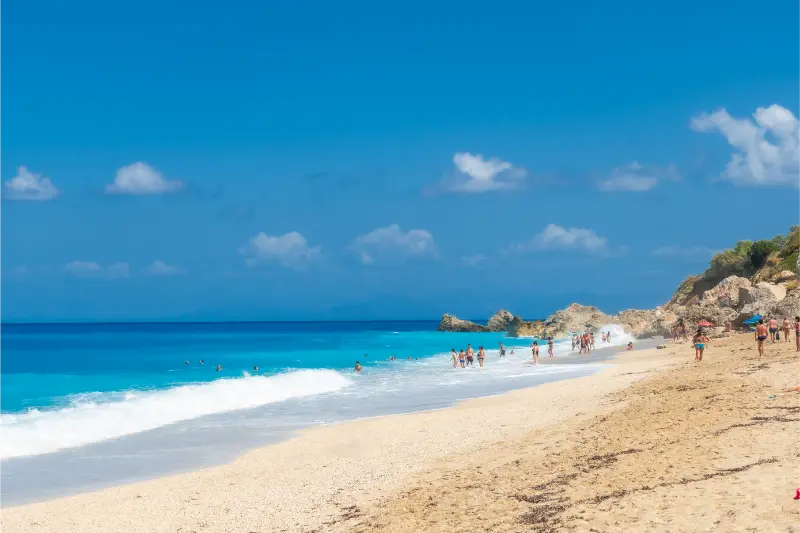
    Lefkada has some of the most photographed beaches in Greece, but the “best” beach changes completely with the weather and the traveller. Porto Katsiki and Egremni dominate postcards; Kathisma is easier for facilities; Mylos rewards effort; Mikros Gialos and Desimi often make more sense for families; Vasiliki is a world-class name for windsurfing rather than a universal swimming choice.

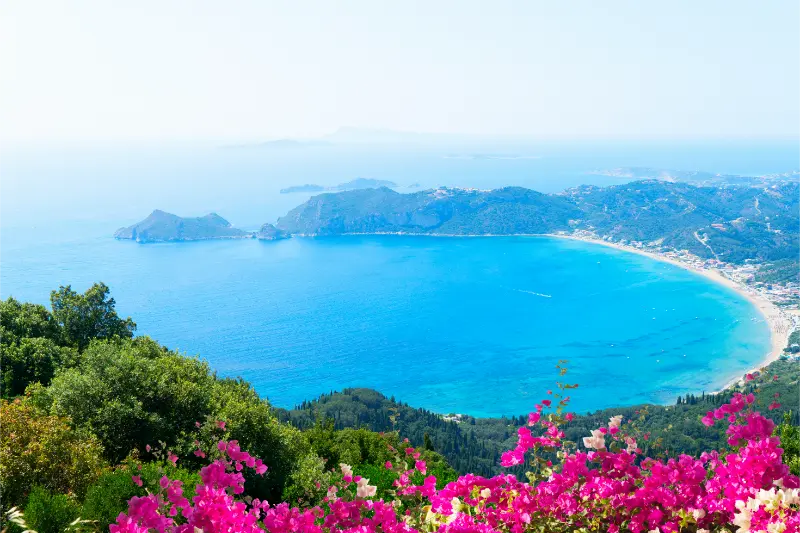
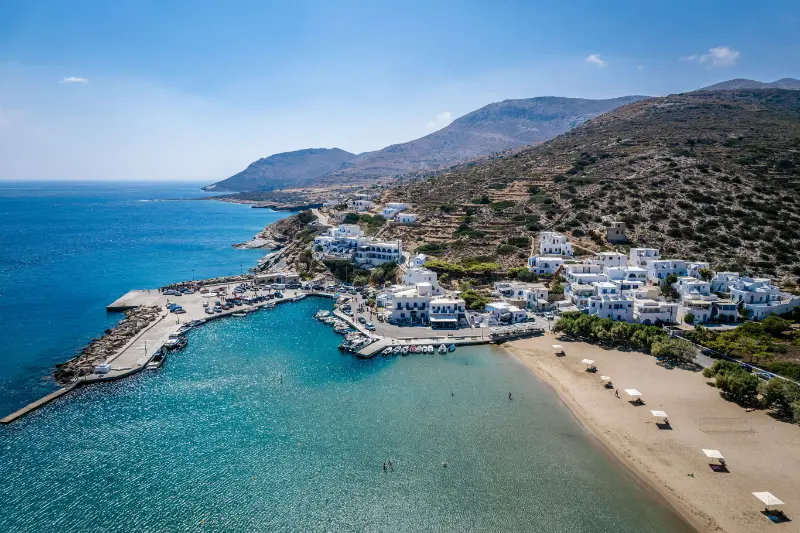
    Aerial View Vasiliki Beach Windsurfing Lefkada Island Greece

    This guide compares fifteen beaches by access, exposure and trip style instead of pretending one ranking works for everyone. Before driving to the west coast, read the dedicated Porto Katsiki and Egremni guide because access conditions and boat options deserve more detail than a simple beach list.

    Quick planning snapshot

    Best iconic sceneryPorto Katsiki, Egremni, Kathisma
    Best natural feelMylos, Gialos, Avali
    Easier family choicesMikros Gialos, Desimi, Agios Nikitas on suitable days
    Water sportsVasiliki/Ponti
    Sunset coastWest coast, especially around Kathisma and nearby beaches

    Use this as a decision guide, not a challenge to visit all fifteen. Two good beaches in one day are usually enough in Lefkada because access roads, stairs, parking and swimming time make beach-hopping slower than it looks.

    1–5: Porto Katsiki, Egremni, Kathisma, Mylos and Agios Nikitas

    Porto Katsiki is the classic cliff-and-turquoise image, with road access to the viewpoint and beach area that can be busy in summer. Egremni offers a huge west-coast scale and requires more effort; current access arrangements should always be checked. Kathisma is the easiest of the famous trio for organised facilities, while Mylos feels more natural and is reached from the Agios Nikitas area. Agios Nikitas village beach is small but convenient for a quick swim.

    All five face or sit close to the exposed west coast. The colour can be extraordinary, but waves can also be powerful. Never choose a beach only because yesterday’s photograph showed calm water.

    6–10: Pefkoulia, Gialos, Kavalikefta, Megali Petra and Avali

    Pefkoulia is convenient for travellers based in the north-west and often works well as a less complicated alternative to the headline beaches. Gialos is long and scenic, while Kavalikefta, Megali Petra and Avali around the Kalamitsi area reward drivers who are comfortable with narrower roads and more limited parking. These beaches feel less resort-like, but that also means fewer services and more planning.

    Bring water, shade and suitable footwear. On remote beach days, treat fuel and return driving time as part of the beach choice rather than an afterthought.

    Drone Shot Crystal Clear Turquoise Blue Water Megali Petra Sandy Beach Lefkada Greece

    11–15: Agiofili, Ammouso, Mikros Gialos, Desimi and Vasiliki/Ponti

    Agiofili near Vasiliki is known for bright water and can be reached by local access options that vary seasonally. Ammouso sits on the south coast and can be a useful alternative when the west is rough. Mikros Gialos and Desimi are more sheltered east/south-east choices with easier family logistics. Vasiliki and Ponti are famous for windsurfing, with the daily wind pattern shaping the experience.

    These five show why the island cannot be reduced to west-coast cliffs. If you travel with children, older relatives or anyone uncomfortable in surf, keep at least one south or east-coast option in your plan.

    How to choose today’s beach, not an imaginary perfect beach

    Check wind and sea state in the morning, then choose the coast. Ask your accommodation host or a local beach business which side is calmer. If the west coast is rough, do not drive an hour simply because Porto Katsiki was on the schedule. Lefkada rewards flexible travellers.

    Port Katsiki Beach Ionian Sea Lefkada Island Greece Views Azure Sea Water Nature With Cliffs Cave

    How to plan the visit without wasting half the day

    A car gives the widest choice, but several important beaches and resorts are served by buses or boats. The current KTEL network includes Kathisma and Agios Nikitas, while Nydri and Vasiliki have regular coastal connections. Remote beaches generally require a car, taxi or boat.

    For west-coast beaches, arrive earlier in peak season for parking and cooler access. Do not leave valuables visible in the car, and pack more water than you think you need. For any beach reached by boat, confirm the final return before settling in.

    When to go and how weather changes the experience

    June and September offer a strong balance of warm water, long days and less parking pressure. July and August have maximum services and atmosphere but also crowds and intense sun. May can be beautiful for scenery, though water temperatures and seasonal facilities vary.

    The Meltemi is more associated with the Aegean than the Ionian, but Lefkada still gets strong local winds and open-sea swell. Beach quality is day-specific. A beach that was perfect yesterday can be rough today.

    Who this plan works best for

    Beach lovers can happily spend a week here, but families, non-swimmers and travellers with mobility limitations should pay close attention to access. The most famous beach is not automatically the most suitable beach for your group.

    A realistic way to fit it into your Lefkada trip

    For an iconic west-coast day, choose one major beach such as Porto Katsiki or Egremni and add only one easier second stop. For a family day, choose Mikros Gialos or Desimi and stay longer rather than driving across the island for a photo.

    Use sunset for a west-coast viewpoint or Kathisma only if you are comfortable with the return road. If you are staying in Nydri, a calm dinner by the harbour may be a better ending after a long beach day.

    Common mistakes to avoid

    • Trying to visit five beaches in one day.
    • Ignoring waves because the water looks turquoise.
    • Assuming every famous beach has shade and food.
    • Arriving at remote coves without water.
    • Choosing accommodation based only on straight-line distance to beaches.

    The best beach in Lefkada is often the one that matches today’s conditions and your group’s energy. Flexibility beats a fixed ranking.

    Tours and activities around Lefkada

    Boat trips, sailing days and guided activities can be useful when you want to see coves or nearby islands without building the entire day around driving and parking. Availability changes through the season, so compare the exact departure point, duration and cancellation conditions before booking.

    Frequently asked questions

    Which is the most beautiful beach in Lefkada?

    Porto Katsiki and Egremni are the classic dramatic choices, but beauty is subjective. Mylos, Kathisma and several smaller west-coast beaches can be just as memorable.

    Which beaches are best for families?

    Sheltered options such as Mikros Gialos and Desimi can be easier than exposed west-coast beaches, though conditions and water depth still need to be checked on the day.

    Do I need a car for Lefkada beaches?

    A car is very useful for variety, but you can reach several resorts by bus and many coastal highlights by boat. A car-free trip works best when based in Lefkada Town or Nydri.

    Are Lefkada beaches sandy?

    Many famous beaches have mixtures of pebbles, stones and coarse sand rather than soft fine sand. Water shoes are useful for some travellers.

    Continue planning your Lefkada trip

    Start with the main Lefkada travel guide if you are still choosing your base and trip length. For the island’s most famous west-coast scenery, use the Porto Katsiki and Egremni guide. The Lefkada Town guide, Nydri guide and Vasiliki guide help you compare very different bases rather than booking only by hotel price. For west-coast logistics, also read Agios Nikitas, Mylos and Kathisma.

    Final practical advice

    Do not measure a Lefkada holiday by the number of beaches you collect. One long swim in good conditions is worth more than four rushed parking stops.

    Keep a west-coast choice and a sheltered alternative ready each morning. That simple two-option plan is the easiest way to enjoy the island’s beaches safely and efficiently.

    Extra planning notes for a smoother day

    For a longer stay, remember that best beaches in Lefkada should be one part of a broader Lefkada plan rather than the only objective. Build in time for meals, parking, short walks and weather changes. Distances on the island are manageable, but the roads frequently bend around mountains and bays, so a schedule that looks sparse on a flat map can already be full in practice. Travelling earlier in the morning usually improves parking, temperatures and photography, while late afternoon is better for slower village walks and harbour dinners. If a beach or boat day is uncomfortable because of wind, switch to an inland village, the capital or a sheltered bay instead of forcing the original plan. This flexible approach is especially useful in July and August, when traffic and heat magnify every small delay. Keep drinking water in the car, download the route before leaving your accommodation, and confirm seasonal transport or boat information close to the day of travel.
    Extra planning notes for a smoother day

    For a longer stay, remember that best beaches in Lefkada should be one part of a broader Lefkada plan rather than the only objective. Build in time for meals, parking, short walks and weather changes. Distances on the island are manageable, but the roads frequently bend around mountains and bays, so a schedule that looks sparse on a flat map can already be full in practice. Travelling earlier in the morning usually improves parking, temperatures and photography, while late afternoon is better for slower village walks and harbour dinners. If a beach or boat day is uncomfortable because of wind, switch to an inland village, the capital or a sheltered bay instead of forcing the original plan. This flexible approach is especially useful in July and August, when traffic and heat magnify every small delay. Keep drinking water in the car, download the route before leaving your accommodation, and confirm seasonal transport or boat information close to the day of travel.
  • Agios Nikolaos Crete Guide: Lake Voulismeni, Beaches and a 3-Day Itinerary

    Agios Nikolaos Crete Guide: Lake Voulismeni, Beaches and a 3-Day Itinerary

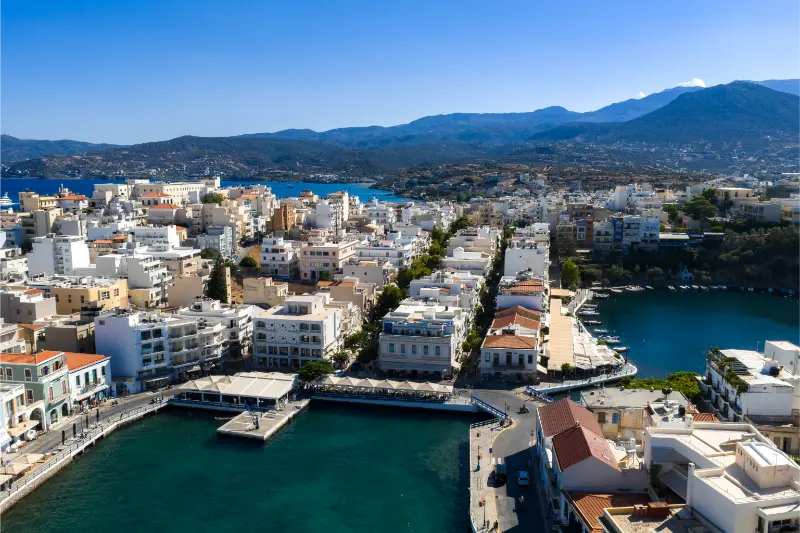
    Agios Nikolaos Crete Guide is the focus of this guide. Agios Nikolaos is one of Crete’s easiest towns to like quickly. It is built around Lake Voulismeni and the Mirabello Bay waterfront, combining a compact centre with beaches, cafés, a marina and good access to eastern Crete. Unlike a resort that empties outside summer, it has the feel of a real regional town as well as a holiday base.

    Use Agios Nikolaos as a place to slow down between larger Cretan drives. You can spend mornings at the lake and local beaches, then use one or two days for Elounda, Spinalonga, Kritsa or the wider Lasithi region. It is especially effective for travellers who want eastern Crete without changing hotels every night.

    At a glance

    Best forCouples, families, eastern Crete road trips and travellers who want a walkable base
    Ideal stay3 nights; longer if using it for day trips
    Main landmarkLake Voulismeni, linked to the sea by a canal
    Car needed?Not for the town; helpful for villages and remote beaches

    Why this place deserves time in your Greece itinerary

    A good visit is less about collecting landmarks and more about understanding how the destination works. Agios Nikolaos is one of Crete’s easiest towns to like quickly. It is built around Lake Voulismeni and the Mirabello Bay waterfront, combining a compact centre with beaches, cafés, a marina and good access to eastern Crete. Unlike a resort that empties outside summer, it has the feel of a real regional town as well as a holiday base.

    My planning approach here is simple: build the day around the strongest local experiences, leave breathing room for weather and crowds, and use nearby destinations only when they add something genuinely different. Use Agios Nikolaos as a place to slow down between larger Cretan drives. You can spend mornings at the lake and local beaches, then use one or two days for Elounda, Spinalonga, Kritsa or the wider Lasithi region. It is especially effective for travellers who want eastern Crete without changing hotels every night.

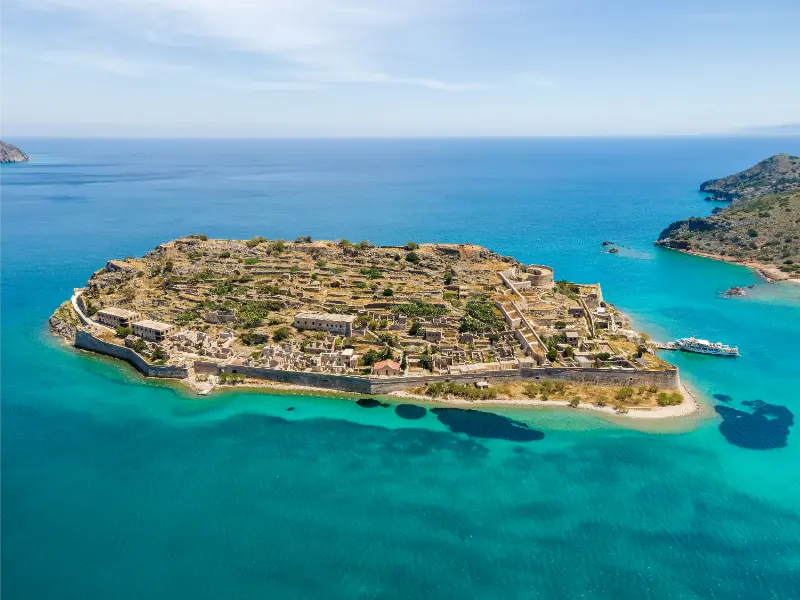
    View Spinalonga Island With Calm Sea Here Were Lepers Humans With Hansen S Disease Gulf Elounda Crete Greece

    What to see and do

    Lake Voulismeni

    The lake is the visual centre of Agios Nikolaos. Cafés and restaurants wrap around the water, while viewpoints from the upper streets show the lake, canal and harbour in one frame. It is small enough to walk around casually, which makes it a natural orientation point on your first afternoon.

    The official Greek tourism site notes that the lake was connected to the sea by a canal in the 19th century. Local legends about its depth add character, but the best reason to visit is simply the setting.

    Waterfront and marina

    Follow the sea from the lake toward the harbour and marina for a relaxed introduction to town. The route works at almost any time of day, although early morning and evening are most comfortable in summer.

    This is where Agios Nikolaos feels less like a checklist destination and more like a place to spend time: coffee, a swim, a long lunch and an evening stroll can fill a day without effort.

    Town beaches

    Several beaches are close enough to reach without turning the day into a drive. This is a major advantage over some Cretan towns where the best swimming requires a long transfer. Choose according to wind and how much organisation you want, and keep expectations realistic: urban beaches trade isolation for convenience.

    If beaches are your priority, use a car for at least one day to explore Mirabello Bay and the coast beyond town.

    Kritsa and inland villages

    Kritsa is one of the easiest inland additions, offering traditional lanes, crafts and access to the church of Panagia Kera and the surrounding hills. It creates a useful contrast with the cosmopolitan waterfront.

    Go in the morning or late afternoon in summer. Driving is straightforward compared with more remote mountain routes, but village streets can be narrow.

    Elounda and Spinalonga

    Elounda is close enough to combine with Agios Nikolaos, while boat trips from the wider area serve Spinalonga. The island’s fortress and leprosy-colony history deserve more than a rushed photo stop.

    Use the Elounda guide and Spinalonga guide for a more detailed plan.

    Where to stay

    Around Lake Voulismeni

    Best for first-time visitors who want restaurants and evening walks immediately outside the hotel.

    Marina and waterfront

    Good for sea views and a slightly calmer feel while remaining walkable to the centre.

    Outside the centre

    Useful for resort-style hotels, pools and parking, but check walking distance if you do not plan to rent a car.

    When choosing accommodation, look beyond the marketing label and check the exact map position, stairs, parking or transfer access, and walking time to the places you will use most. On Greek islands in particular, two hotels described as being in the same village can offer very different daily experiences because of gradients, pedestrian lanes or spread-out coastal development.

    How to get there and get around

    Heraklion Airport is the main gateway for many international visitors to this part of Crete, while Sitia Airport can be useful on some routes. Buses connect Agios Nikolaos with major eastern and central Cretan towns. A rental car is valuable for beaches, mountain villages and a wider Lasithi road trip, but once parked you can explore the centre on foot.

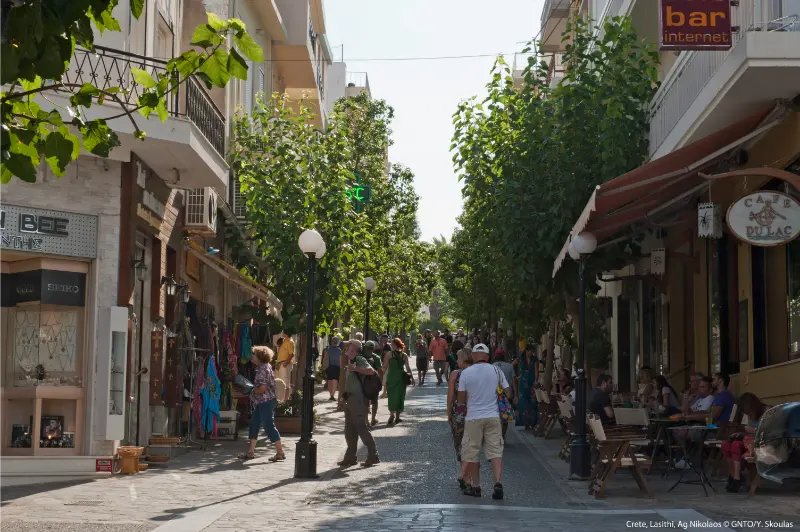
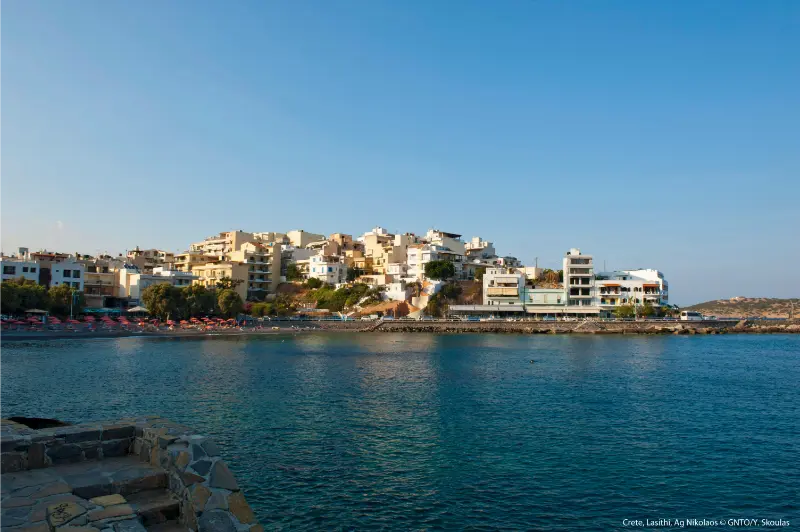
    Crete Lasithi Ag Nikolaos

    For short stays, it is usually better to choose one transport strategy rather than mixing a rental car, taxis and tours every day. If the destination is walkable, keep car days for the places that genuinely need one. If you do rent, photograph the vehicle at collection, understand fuel and insurance conditions, and never assume an attractive coastal track is suitable for a standard rental car.

    A realistic itinerary

    Day 1

    Settle in around Lake Voulismeni, walk the waterfront and use a nearby beach. Keep the first day deliberately light, especially after a long drive or flight.

    Day 2

    Visit Elounda and Spinalonga, then return to Agios Nikolaos for dinner by the lake. If you prefer a slower day, spend the afternoon on a Mirabello Bay beach instead.

    Day 3

    Drive inland to Kritsa and Panagia Kera, add a village lunch, then return to the coast. With extra time, continue east toward Sitia or use Agios Nikolaos as a base for another beach day.

    Best time to visit

    May, June, September and early October are excellent for combining swimming with sightseeing. July and August bring reliable beach weather but more heat and traffic. Spring is particularly attractive inland, while winter offers a quieter town experience with far fewer resort services.

    Weather is only one part of timing. Ferry frequency, boat excursions, seasonal restaurants and opening hours can also change outside the main summer period. In peak season the opposite problem appears: almost everything is operating, but parking, restaurant reservations and popular viewpoints require more patience. Build flexibility into the plan rather than trying to optimise every hour.

    Food and evenings

    Eastern Crete is a strong place to slow down over Cretan food. Look for dakos, local cheeses, greens, lamb or goat dishes and seasonal vegetables, then compare waterfront restaurants with tavernas in inland villages. For a more memorable meal, build lunch into a village excursion rather than eating every meal beside the lake.

    Crete Lasithi Ag Nikolaos

    A useful rule for a better Greece trip is to separate the places you choose for a view from the places you choose for food. Sometimes they are the same restaurant, but not always. Walk one or two streets away from the most obvious waterfront or viewpoint, read the menu before sitting down, and leave room for a bakery breakfast, a simple taverna lunch and one longer dinner rather than making every meal an event.

    Practical tips for different travellers

    Couples

    Couples can make the destination feel more relaxed by avoiding the most obvious sunset rush and booking one slower evening with no transport after dinner. A room with a view is worthwhile only if you will actually spend time there; otherwise put the budget into location, a boat trip or a special meal.

    Families

    Families should check gradients, shade, beach entry and transfer logistics before booking. A beautiful old-town room can become inconvenient with a stroller, while a resort outside the centre may require repeated taxis. Keep the hottest hours simple and build in a swim, playground or rest period rather than expecting children to follow an adult sightseeing pace.

    Solo travellers

    Solo travellers benefit from walkable bases and public transport, but should still plan the last connection of the day rather than assuming buses or boats run late. Joining a small-group excursion can be useful for remote sights, while self-guided mornings are ideal for photography and museums.

    Road-trip travellers

    If this stop is part of a larger road trip, resist the temptation to check out every morning. Two or three nights in one base often saves more time than it costs because packing, parking and check-in repeatedly can consume the best hours of the day.

    Common mistakes to avoid

    • Using Agios Nikolaos only as a lunch stop on the way to Elounda.
    • Booking a resort outside town and assuming the centre will be an easy walk without checking the route.
    • Trying to see all of eastern Crete in one day from the same base.
    • Driving into the busiest central streets when your hotel has peripheral parking options.
    • Skipping inland Lasithi because the coast is easier.

    How to combine it with the rest of Greece

    Continue with the Elounda guide, Spinalonga guide and the broader Crete travel guide.

    The most efficient itinerary usually moves geographically rather than bouncing back and forth. Check ferry days, driving times and airport locations before fixing hotel dates. On an island trip, one extra night in a well-connected hub is often more valuable than adding another island simply to increase the destination count.

    FAQ

    Is Agios Nikolaos worth staying in?

    Yes. It is a compact, attractive base with beaches, restaurants and excellent access to eastern Crete.

    Do I need a car?

    Not for the town itself. A car becomes valuable for villages, remote beaches and a regional road trip.

    How many days are enough?

    Three days give a good mix of town, Elounda/Spinalonga and an inland excursion.

    Is Agios Nikolaos good for families?

    Yes, especially for families who value a walkable centre and convenient beaches.

    Can I combine Agios Nikolaos with Heraklion?

    Yes. They work well as separate bases on a Crete itinerary, reducing unnecessary backtracking.

    Final advice

    Plan enough structure to protect the important parts of the trip, but leave room to change the order when weather, crowds or local advice suggest a better option. That flexibility is often what turns a busy Greece itinerary into a trip that actually feels like a holiday.

  • Samos Travel Guide: Pythagoreio, Beaches, Mountains and a 7-Day Itinerary

    Samos Travel Guide: Pythagoreio, Beaches, Mountains and a 7-Day Itinerary

    Samos combines a green mountainous interior with archaeological importance, attractive harbour towns and a coastline that rewards exploration. It is famous as the birthplace of Pythagoras, but the modern travel experience is just as much about vineyards, forested slopes, village squares and clear-water beaches.

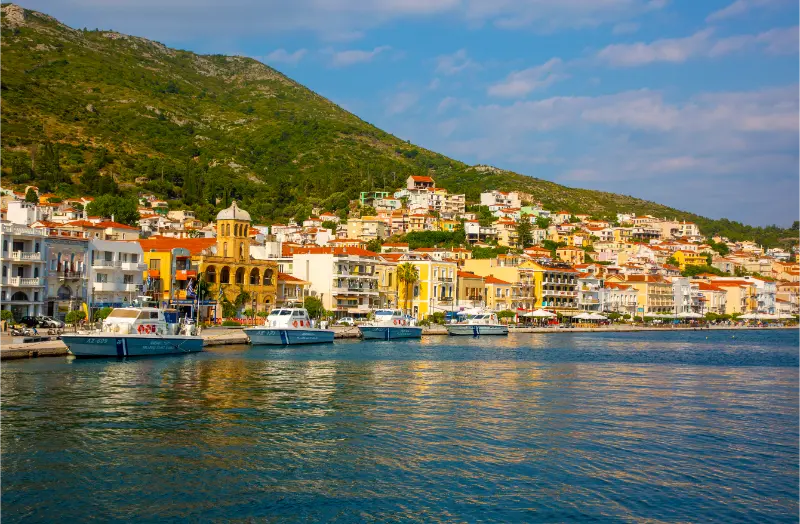
    Pythagoras Samian Pythagorion Port View Samos Island Samos Island Populer Greece

    I would choose Samos for a week-long trip that mixes history and outdoor time. It suits travellers who want more variety than a single resort strip and are comfortable using a car to connect different parts of the island.

    Why visit Samos?

    Few islands offer such an easy combination of UNESCO-level archaeology, mountain hiking and beach days. Pythagoreio and Heraion add historical depth, while Kokkari and the north coast provide a relaxed holiday atmosphere.

    The mountains matter as much as the coast. Kerkis and Ambelos support hiking routes, villages and a greener landscape than many visitors expect in the eastern Aegean.

    Where to stay

    For seven days, splitting between Pythagoreio and the north coast works very well.

    Pythagoreio

    Best for archaeology, airport convenience, marina life and a lively but manageable evening scene.

    Kokkari

    A beautiful north-coast base with restaurants, nearby beaches and easy access to mountain villages.

    Vathy / Samos Town

    Useful for the main port, museums and services, with a more urban feel than Kokkari.

    Karlovasi

    A practical western base for hiking, waterfalls and exploring the less touristy side of the island.

    Best things to do

    Explore Pythagoreio

    Walk the harbour, archaeological areas and old town, then use it as a base for nearby historical sites.

    Visit the Heraion area

    The sanctuary landscape gives context to ancient Samos. Combine it with Pythagoreio rather than treating it as an isolated photo stop.

    See the Tunnel of Eupalinos

    This ancient engineering work is one of the island’s most remarkable sights. Check current access conditions, ticketing and physical requirements before visiting.

    Stay in Kokkari

    The village balances beach access with atmosphere and is especially appealing in the evening.

    Drive into mountain villages

    Vourliotes, Manolates and other villages reveal the greener interior and local wine-growing landscape.

    Hike Mount Kerkis or Ambelos routes

    Choose a route suited to your experience and weather. Some paths are demanding and should not be treated as casual beach walks.

    Beaches and nature

    Samos has pebbled and mixed beaches, sheltered coves and exposed windier shores. Water shoes can be useful, and beach conditions vary around the island.

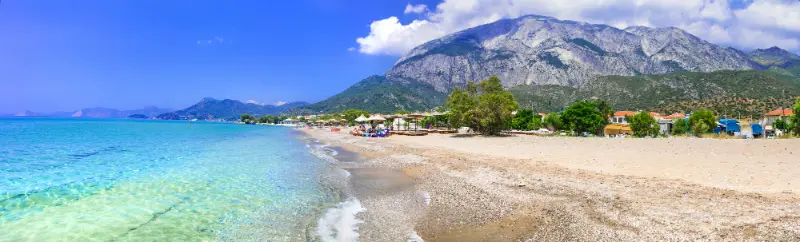
    Potami Beach Samos Island Greece

    The mountains host rich plant life and marked routes. Hiking is best approached with proper footwear, offline navigation and realistic heat management.

    Food and local character

    Samos is particularly known for wine, including sweet Muscat styles. Pair tastings with local cheeses, seafood, vegetable dishes and mountain-village cooking.

    If you visit wineries, designate a driver or use a tour. The island’s winding roads are not the place to combine alcohol tasting with improvised driving.

    How to get there

    Samos has an airport and ferry ports serving domestic routes. Flying is practical from Athens, while ferries can connect the island within a larger North Aegean or Dodecanese trip depending on schedules.

    Check which port your ferry uses because Vathy and Karlovasi serve different routes. Do not assume every ferry departs from the same side of the island.

    Getting around

    A car is the easiest way to combine archaeology, villages, beaches and hiking. Road surfaces are generally manageable but mountain sections are winding.

    Car-free travellers should choose Pythagoreio, Kokkari or Vathy and plan around bus routes plus selected tours.

    How many days do you need?

    Seven days is ideal; five can cover the highlights if you focus on two regions.

    A balanced 7-day Samos itinerary

    Day 1 – Pythagoreio

    Arrive, explore the harbour and settle into the south-east.

    Day 2 – Ancient Samos

    Visit the major archaeological attractions around Pythagoreio and Heraion, leaving time for a swim.

    Day 3 – South-coast beaches

    Make this a slower coastal day before changing base.

    Day 4 – Kokkari

    Move north, explore the village and nearby beaches.

    Day 5 – Mountain villages

    Drive through the interior, combining village walks with a winery or long lunch.

    Day 6 – Hiking or western Samos

    Choose a mountain route or explore toward Karlovasi depending on fitness and weather.

    Day 7 – Flexible final day

    Return to your favourite beach or village and leave enough time for airport or ferry logistics.

    Best time to visit

    June and September are excellent for mixed sightseeing and swimming. High summer is hotter, so archaeological sites and hikes should start early.

    Spring is especially attractive for greenery and walking. Autumn can remain warm, though seasonal ferry frequency should be checked.

    Is it a good choice for families?

    Samos is family-friendly if you choose an accessible base and avoid overloading the schedule. Beaches, harbour towns and shorter cultural visits create good variety.

    The Tunnel of Eupalinos and mountain hikes may have access limitations for very young children or visitors uncomfortable with confined or uneven spaces; check current guidance.

    Budget and booking tips

    Accommodation prices change sharply with season, location and room type. I prefer to compare a few bases before booking rather than choosing the first hotel that looks inexpensive. A cheaper room far from the places you actually want to see can cost more once transport, parking and lost time are included.

    For ferries, flights, rental cars, boat trips and guided activities, treat schedules and prices as dynamic. Check the operator again shortly before travel, especially outside July and August. Weather can affect sea transport, while seasonal businesses may open later in spring or close earlier in autumn.

    Mistakes to avoid

    Do not stay on one coast and assume you have understood Samos. The interior villages and archaeological south-east are essential.

    Do not schedule a demanding hike after a late night or in peak afternoon heat. Mountain conditions require more respect than the island setting may suggest.

    Who Samos suits best

    Samos works best for travellers who are comfortable giving a destination enough time to reveal its character. If your priority is to collect as many islands or regions as possible in a single week, this may feel slower than expected. If instead you enjoy mixing beaches or landscapes with local food, village walks, cultural stops and unplanned pauses, the trip becomes much more rewarding. Couples can build quiet evenings around scenic towns, solo travellers gain flexibility to follow weather and transport conditions, and repeat visitors to Greece will appreciate seeing a side of the country that is less dominated by the most internationally famous stops.

    It is also a strong choice for independent travellers who like making decisions day by day. A rental vehicle can open up more options, but it should not turn the holiday into a driving challenge. Pick one main objective for each day, then add nearby stops only if time and energy allow. That approach keeps the itinerary useful for different ages and budgets and reduces the temptation to race from viewpoint to viewpoint.

    Marathokampos Samos Greece

    Planning the pace of your trip

    My preferred way to plan this kind of Greece trip is to separate transfer days from sightseeing days. Arrival and departure always take longer than the timetable suggests once luggage, check-in, parking, meals and possible delays are included. Treating those hours as real travel time makes the itinerary far more realistic. On full days, start early for exposed archaeological sites, long drives or hikes, then reserve the hottest part of the afternoon for lunch, swimming or rest.

    Keep at least one half-day flexible. Wind, heat, ferry changes or a beach you unexpectedly love can easily change priorities. A flexible block prevents one cancelled boat trip or poor-weather morning from becoming a problem. It also leaves space for the experiences that are difficult to schedule in advance: a village festival, a recommendation from a hotel owner, a quiet cove discovered on the road or simply the decision to stay longer over lunch.

    How to combine Samos with the rest of Greece

    Samos combines naturally with Ikaria when transport works, creating a good contrast between organised sightseeing and a slower island rhythm.

    For another archaeology-plus-beaches destination, compare it with Rhodes, which offers a different scale and historical layer.

    Frequently asked questions

    How many days do I need in Samos?

    Seven days is ideal for a varied first trip.

    Where should I stay?

    Pythagoreio for history and convenience; Kokkari for north-coast atmosphere.

    Do I need a car?

    A car is highly useful for villages, beaches and mountain routes.

    What is Samos famous for?

    Pythagoras, ancient engineering, the Heraion, Muscat wine, green mountains and beaches.

    Is Samos good for hiking?

    Yes. The Kerkis and Ambelos areas offer substantial mountain landscapes and routes.

    Practical final advice

    Build your days around geography rather than a checklist. Group nearby beaches, villages and sights together, leave room for a long lunch or an unexpected swim, and avoid crossing the same area repeatedly. This matters even more on islands and mountain roads, where short distances can take longer than they appear on a map.

    Carry water, sun protection and shoes suitable for uneven ground. Download an offline map before remote drives or hikes, and do not rely on mobile coverage in every cove or mountain village. If a route uses an unpaved road, confirm the conditions locally and check whether your rental agreement permits it.

    Most importantly, allow the destination to feel different from the headline islands. The value of this trip is not in reproducing Santorini or Mykonos somewhere else, but in experiencing its own landscapes, food, architecture and daily rhythm. A slower itinerary usually produces a better trip than adding another island simply because it fits on the map.

    Useful official information

    For destination updates and inspiration, consult the Greek National Tourism Organisation: Visit Greece – Samos. Always recheck transport timetables and seasonal opening details close to your travel dates.

    More North Aegean guides

    Continue with Pythagoreion and Heraion for more detailed planning in this part of Greece.

    More Samos guides

    Continue planning Samos with our detailed guides to Kokkari, Samos Town and Vathy, Karlovasi and Potami, Manolates and Vourliotes, Marathokampos and Votsalakia, Samos wine, the best beaches, hiking, Samos without a car and where to stay.

  • Stavros Niarchos Foundation Cultural Center Guide: Park, Library and Athens Views

    Stavros Niarchos Foundation Cultural Center Guide: Park, Library and Athens Views

    The Stavros Niarchos Foundation Cultural Center shows a completely different Athens from the archaeological core. Designed as a contemporary cultural complex in Kallithea, it brings together the Greek National Opera, the National Library of Greece, the Stavros Niarchos Park, the canal, public spaces and elevated views toward the city and sea. It is one of the best places to understand how modern Athens is investing in public culture rather than only preserving the past.

    Athens Stavros Niarchos Foundation View 4

    I would not put the SNFCC into a first morning in Athens, when the Acropolis deserves priority. It becomes much more valuable on a third or fourth day, when you want a slower afternoon, green space, contemporary architecture or an evening performance. It also pairs naturally with the coast and Athens Riviera because it pulls your itinerary south of the historic centre.

    For wider planning, use my Athens Travel Guide and Best Neighborhoods in Athens. This guide stays focused on one part of the city so you can decide whether it genuinely fits your trip rather than adding it simply because it appears on a checklist.

    Quick planning facts

    • The SNFCC is at 364 Andrea Syngrou Avenue in Kallithea.
    • The complex houses the Greek National Opera and National Library of Greece alongside Stavros Niarchos Park.
    • Current visitor-center and reception hours are listed as 09:00–22:00 daily.
    • The Lighthouse, Agora and running track are listed as 06:00–00:00 daily.
    • The park currently follows seasonal hours: 06:00–00:00 from April through October and 06:00–20:00 from November through March.

    Why this stop deserves time in an Athens itinerary

    Athens becomes much more rewarding when the itinerary alternates between archaeology, museums, neighbourhood life and open-air breaks. This stop earns its place because it adds a different layer rather than repeating what you already learn at the Acropolis. Think about what question you want the visit to answer: how Greeks understood history, how modern Athenians use public space, how food reaches the city, or how a neighbourhood’s identity developed. That simple question makes the experience more focused.

    It also helps with pacing. Four days of temples and galleries can become surprisingly tiring even for travellers who love history. Pairing one concentrated cultural visit with a market, garden, hill or café district keeps attention high. I prefer to plan one major anchor in each half-day and leave enough time to walk between nearby places. Athens rewards transitions: the streets between attractions often explain the city as clearly as the attractions themselves.

    What to focus on

    Stavros Niarchos Park

    The planted landscape climbs over part of the building, turning the roof and slopes into a public walk rather than separating architecture from green space.

    The Lighthouse

    This elevated glass space and surrounding terraces provide long views toward Athens and the Saronic Gulf, especially appealing in late afternoon.

    National Library of Greece

    Even if you are not using research facilities, the public library presence changes the feeling of the complex from attraction to working civic institution.

    Greek National Opera

    Performance schedules vary, so checking the calendar can turn a sightseeing visit into an evening cultural experience.

    Canal and Agora

    The linear water feature and broad public spaces are used for events, exercise and informal gatherings, making the center lively even when you do not have a ticketed programme.

    A practical way to structure the visit

    Arrive in the afternoon, walk the park slopes gradually, visit the Lighthouse area and explore the Agora before deciding whether to stay for an event or dinner nearby. In summer, later hours make the center particularly useful after the heat of midday. If you are attending the opera, give yourself enough time to understand entrances and ticket collection instead of arriving at curtain time.

    Do not judge the success of the visit by how many rooms, monuments or streets you cover. Choose a small number of details to remember and give yourself time to notice how the place connects to the rest of Athens. If a temporary exhibition, event or closure changes your plan, adapt rather than forcing the original schedule. The city has enough alternatives within a short distance that a changed plan rarely needs to become a lost day.

    Getting there and what to combine nearby

    The site is south of central Athens, so it requires more planning than a walk between Plaka and Monastiraki. Public transport, taxis and occasional shuttle options can all be relevant depending on current schedules. If you are already visiting the Riviera or staying in southern suburbs, it is much easier to integrate than returning north and south repeatedly in one day.

    Useful nearby reading: Athens Riviera guide; Syntagma and National Garden guide; Athens Travel Guide. These guides make it easier to build a route that stays in one part of Athens instead of wasting time zigzagging across the city.

    How much time to allow

    The park and public spaces are designed for long stays, and the complex is generally much easier for wheelchairs and strollers than ancient hill sites. Summer sun still matters on exposed sections. Check event-day access and parking arrangements because performances can change crowd levels significantly.

    Add a buffer rather than scheduling the next reservation at the exact moment you expect to finish. Security lines, a room that interests you more than expected, a coffee stop or simply heat can all change the pace. My preferred approach is to keep at least thirty minutes of slack between a major cultural visit and the next fixed-time activity. That small margin makes Athens feel much less stressful.

    Best time of day and seasonal strategy

    In summer, outdoor walking is usually easiest early and late, while museums and indoor cultural spaces are valuable during the hottest hours. In spring and autumn, the city is more forgiving and you can walk longer between stops. Winter brings shorter days and occasional rain but can make museums, markets and neighbourhood cafés especially enjoyable. Always check the current official opening page near your visit because Athens attractions can use seasonal hours, holiday closures or temporary access rules.

    For the latest practical details, use the official visitor information. Prices, entrance arrangements and temporary closures can change after an article is published, so the official source should win if it conflicts with an older travel guide.

    Accessibility, families and comfort

    Athens is improving accessibility, but the experience varies sharply between a modern museum and an ancient hill. If step-free access is essential, check the venue’s current accessibility page rather than assuming a route is barrier-free. Families should plan shorter focused visits, regular water and snack breaks, and one outdoor space where children can move. Older travellers may prefer taxis for short transfers that look walkable on a map but involve heat, traffic or steep pavements.

    Comfort also includes mental pace. A child who remembers one object, a couple who spend twenty quiet minutes over coffee, or a solo traveller who pauses to sketch a view may get more from Athens than someone who races through twenty landmarks. Build the itinerary around how you actually travel, not around the maximum number of pins that can fit into a day.

    Photography and respectful visiting

    Photography rules vary. Museums may restrict flash, tripods or photography in temporary exhibitions; religious or commemorative spaces deserve additional sensitivity; markets and neighbourhoods are workplaces and homes rather than sets. Photograph architecture and public space freely where permitted, but ask before taking close portraits of vendors or residents. In crowded places, step aside before stopping for a photo so you do not block doors, paths or working areas.

    Common mistakes to avoid

    • Adding the stop only because it is famous, without deciding what you want to learn or experience.
    • Planning several major museums or archaeological sites back-to-back with no outdoor break.
    • Relying on old opening hours instead of checking the official page close to the visit.
    • Underestimating heat, hills and walking time between places that look close on a map.
    • Trying to photograph everything instead of slowing down for a few memorable details.
    • Ignoring the neighbourhood around the attraction and travelling immediately to the other side of the city.

    Most of these mistakes are easy to fix: reduce the number of fixed stops, group attractions geographically and let one or two places be the centre of the day. Athens is compact enough that you do not need to optimise every minute, but large enough that poor sequencing can still waste energy. The best itineraries feel deliberate without feeling rigid.

    Why the architecture matters

    The project by Renzo Piano Building Workshop is designed around the idea of lifting the landscape, creating a sloping park that leads toward an elevated cultural platform rather than placing a monumental object in an empty plaza. Even visitors who are not architecture specialists can feel how the park, canal, glass, shade and sea views are arranged to make the complex function as public space throughout the day, not only when an opera performance begins.

    Frequently asked questions

    Do you need a ticket just to visit the SNFCC?

    The public outdoor spaces and park are generally open without an attraction-style admission ticket; performances and specific programmes can require tickets or reservations.

    How long should I spend there?

    Two to three hours works for a relaxed park and architecture visit. Add more time for a performance, library programme or meal.

    Athens National Library

    Is it worth it on a first trip?

    Yes if you have at least three days in Athens or strong interests in architecture, public space or contemporary culture. With only one day, prioritise the historic centre.

    Is it good with children?

    Yes. The open park and activity spaces make it one of the easier cultural stops for families.

    When is the best time?

    Late afternoon into evening is especially attractive because temperatures ease and city lights gradually appear.

    Final thoughts

    Stavros Niarchos Foundation Cultural Center Guide is most rewarding when it is treated as part of the wider Athens story rather than an isolated attraction. Give the visit enough time to understand its character, connect it with one nearby neighbourhood or outdoor stop, and leave room for the city to interrupt your schedule with a café, a view or a street you did not plan to explore.

    Athens Stavros Niarchos Foundation

    That balance is what I would keep throughout an Athens trip: one serious cultural experience, one walkable neighbourhood and enough unplanned time to notice how ancient, Byzantine, modern and contemporary Athens overlap. It produces a much stronger memory of the city than a checklist of ticket gates.

  • Best Beaches in Corfu: 15 Beaches for Sand, Snorkelling, Families and Scenery

    Best Beaches in Corfu: 15 Beaches for Sand, Snorkelling, Families and Scenery

    Corfu has too many good beaches for a single universal ranking. The west coast gives you sand, sunsets and dramatic cliffs; the north-east has clear pebble coves backed by green hills; the north adds unusual rock formations; and the south opens into long sandy stretches that feel completely different from Paleokastritsa or Kassiopi.

    The useful question is not ‘Which beach is number one?’ but ‘Which beach fits today’s wind, the people in my group and the amount of driving I want?’ A family with toddlers needs different access from a strong swimmer looking for rocks and snorkelling, and a traveller without a car needs a shortlist connected to buses.

    Use this comparison together with my detailed guides to Paleokastritsa, Sidari and Canal d’Amour, Porto Timoni and Kassiopi.

    Corfu beaches by travel style

    You wantStart with
    Easy sand and facilitiesGlyfada, Agios Gordios, Issos
    Clear coves and snorkellingPaleokastritsa, Kassiopi coves, Barbati
    Dramatic sceneryPorto Timoni, Rovinia, Paleokastritsa
    FamiliesGlyfada, Dassia, Agios Gordios depending on sea conditions
    North-coast rock formationsCanal d’Amour and Sidari

    1–3: Paleokastritsa, Rovinia and Liapades

    Paleokastritsa is the strongest all-round scenic beach area because several bays sit under steep green hills and boat trips reach caves and smaller coves. It can be busy, so arrive early or accept that the attraction is popular for a reason. Rovinia has a more natural feel and Liapades gives you a village-backed alternative nearby.

    Choose among them based on access and crowds rather than trying to visit all three in a single rushed hour. Paleokastritsa is better for organised boat options; Rovinia rewards travellers comfortable with a more independent approach.

    4–6: Glyfada, Agios Gordios and Myrtiotissa

    Glyfada is the easiest recommendation for travellers who want sand and facilities. Agios Gordios combines a long beach with a resort village and impressive cliffs. Myrtiotissa is smaller and more natural, with access considerations that make it less suitable for some families. Read the Glyfada and Pelekas guide for a complete central west-coast day.

    Saint Gordios Beach Agios Gordios Island Corfu Greece

    West-coast beaches can pick up swell. Watch the water rather than assuming sand means calm conditions, especially with children.

    7–9: Porto Timoni, Agios Georgios Pagon and Arillas

    Porto Timoni is the most adventurous choice because you hike down from Afionas. Agios Georgios Pagon gives you a much broader bay and easier beach day below the same general landscape. Arillas is a calmer resort option further north-west and works well for travellers who want space and a village beach rhythm.

    Beach Of Agios Georgios Corfu

    These beaches fit together geographically. If Porto Timoni is too hot or the trail feels wrong for your group, Agios Georgios Pagon is the obvious alternative rather than a compromise.

    10–12: Kassiopi coves, Barbati and Nissaki

    The north-east is about clear water and mountain-backed coast rather than broad golden sand. Around Kassiopi, small coves such as Bataria are attractive for swimming and snorkelling. Barbati is larger and organised, while Nissaki has compact coves and easy access to boat routes along the coast.

    Pebbles can make water shoes useful. On the positive side, clear water and rocky edges often appeal to snorkellers. The coast also feels more sheltered than the exposed west on some wind patterns, though you should always judge conditions locally.

    13–15: Canal d’Amour, Issos and Halikounas

    Canal d’Amour near Sidari is about sculpted sandstone channels as much as conventional beach time; use the Sidari and Canal d’Amour guide for safety and crowd advice. Issos and Halikounas in the south-west offer longer, more open sandy landscapes beside protected wetland areas.

    The south-west is an excellent counterpoint to Corfu’s small northern coves. Wind can be stronger and distances are larger, so make it the main focus of the day rather than an add-on after Kassiopi.

    Best beaches for families

    For many families I would shortlist Glyfada, Agios Gordios, Dassia and selected organised sections of the east coast, then choose based on daily sea conditions. Facilities, shade and an easy walk from the car or bus usually matter more than winning a beauty contest.

    With babies or toddlers, check whether the accommodation itself has easy beach access. A spectacular beach reached by a steep path may be the wrong choice for that stage of family travel.

    Best beaches without a car

    Corfu’s bus networks make several beaches realistic without driving. City Bus serves corridors such as Dassia/Ipsos and Pelekas, while Green Buses cover destinations including Paleokastritsa, Sidari, Kassiopi and west-coast routes. See my Corfu without a car guide for route strategy instead of building the trip around taxis.

    Always check the return schedule before settling onto the beach. A perfect sunset is less relaxing if the final bus left twenty minutes earlier.

    How to choose the beach each morning

    Check wind, swell, heat and driving time before looking at rankings. If the west is rough, consider the east or north-east. If parking pressure is your main concern, leave earlier or choose a larger organised beach. If the group is tired, stay near your base instead of turning the day into a two-hour transfer for a photo.

    Corfu rewards flexibility because its coast faces several directions. Use that variety as an advantage rather than forcing a fixed seven-day list.

    Beach access and mobility

    Corfu’s beach beauty can hide difficult access. Porto Timoni requires a rough hike, some small coves have steep stairs, and parking may sit well above the water. Travellers with limited mobility should prioritise organised beaches where the road and facilities reach close to the shore.

    Ask accommodation hosts for current access details because construction, erosion and seasonal setup can change from year to year. A beach that was easy in an old review may have a different path now.

    Beach etiquette and environmental care

    Take rubbish away from natural coves, avoid picking plants from dunes and do not anchor or step on sensitive seabed vegetation when boating. On busy organised beaches, follow local zones for watersports and swimmers. Small habits matter because Corfu’s coastline receives intense seasonal pressure.

    If you visit quieter beaches, the absence of bins is not permission to leave waste. Pack a small bag specifically for rubbish and carry it back to the nearest serviced area.

    One more practical planning note

    When planning Best Beaches in Corfu, keep the day deliberately flexible. Corfu rewards travellers who respond to wind, heat and traffic rather than following a fixed checklist. Confirm opening or transport information on the morning itself, carry water, save important locations offline and avoid adding a distant attraction just because there is an empty hour on paper. The island is most enjoyable when each day has one clear geographical focus, enough time for a meal and enough margin to change the plan if a beach is rough, a road is congested or a cultural site has temporary access restrictions.

    I also recommend building a deliberate pause into the middle of the day. In peak summer, a shaded lunch, swim or hotel break is not wasted time; it protects the part of the afternoon when you are more likely to enjoy a village, viewpoint or coastal walk. If you are driving, refill water before leaving a larger resort area and keep fuel comfortably above empty, because small mountain and coastal roads do not always have services exactly when you need them.

    Finally, check the return route before sunset. Corfu roads can be slower after dark, and bus frequencies often thin out in the evening. If a place is especially beautiful late in the day, consider staying nearby for dinner rather than immediately crossing the island. That simple decision often turns a rushed sightseeing day into a much more memorable travel experience.

    Timing, comfort and local conditions

    Corfu changes character through the day, so timing deserves as much attention as the list of places. Early morning is best for exposed walks, castles and viewpoints; the middle of the day is better for swimming, lunch and shade; late afternoon works well for villages and west-facing scenery. This rhythm is particularly useful in July and August, but it also makes shoulder-season days feel less rushed because you can spend longer where the conditions are best.

    If you are using a rental car, keep the route geographically compact and avoid relying on the fastest navigation estimate. Village traffic, scooters, narrow bends and summer parking can add time that does not appear on the map. If you are using buses, verify the current return service before leaving the main town and save the timetable offline in case mobile data becomes unreliable at a remote stop.

    A good Corfu day also needs a backup. Strong wind can change a beach, cloud can hide a mountain view and restoration work can affect access to a monument. Choose an alternative in the same part of the island so a change of plan costs twenty minutes rather than two hours. This is one of the easiest ways to travel more comfortably and still see a lot.

    Frequently asked questions

    What is the most beautiful beach in Corfu?

    Paleokastritsa and Porto Timoni are among the most dramatic, but the better choice depends on access, crowds and sea conditions.

    Which Corfu beaches are sandy?

    Glyfada, Agios Gordios, Issos and several south and west-coast beaches have substantial sand.

    Panoramic View Beach Agios Gordios Corfu Greece Sunset From

    Where is best for snorkelling?

    Rocky coves around Paleokastritsa, Kassiopi, Barbati and Nissaki can be good when the sea is calm.

    Which beaches can I reach by bus?

    Paleokastritsa, Sidari, Kassiopi, Dassia/Ipsos, Pelekas and other destinations are connected seasonally by City or Green Buses.

    Do I need water shoes?

    They are useful on north-east pebble beaches and rocky coves but less important on broad sandy west-coast beaches.

    Final thoughts

    The best way to enjoy Corfu’s beaches is to stop treating them as a fixed ranking. Match the coast to the day’s wind, your transport and the people travelling with you. One comfortable beach day in the right conditions beats three famous stops reached at the wrong time.

  • Tinos Without a Car: Buses, Taxis, Walking and the Best Bases

    Tinos Without a Car: Buses, Taxis, Walking and the Best Bases

    You can enjoy Tinos without renting a car, but the experience is much better when you design the trip around the bus network instead of trying to reproduce a road-trip itinerary. Chora is the obvious base because buses, taxis, ferries and restaurants converge there. Seasonal routes also reach major village corridors and popular beaches, making places such as Pyrgos, Panormos, Kardiani, Isternia, Volax, Kolymbithra, Kionia and Porto possible on selected days.

    The limitation is frequency. Tinos buses are not an urban metro and published schedules change through the season. Late-summer 2026 information still showed useful village services, but the exact pattern after your travel date must be checked locally. Build days around one return journey, leave margin before the last bus and keep a taxi number for the occasions when dinner or a delayed walk makes the timetable unrealistic.

    At a glance

    NeedBest solutionWhy
    Ferry arrival/departureWalk or taxi in ChoraSimple with luggage
    Pyrgos/PanormosSeasonal busDirect western corridor
    VolaxBus/tour/taxiFewer departures
    Popular beachesSeasonal busGood in summer
    Remote sunset/dinnerTaxiAvoid last-bus stress
    Multi-village dayOrganised tourEfficient without driving

    Why Chora is the best no-car base

    Chora gives you the highest concentration of transport, food and services within walking distance. You can visit Panagia Evangelistria, walk the waterfront, reach nearby beaches and start village buses without arranging a taxi every morning. Staying close to the bus terminal matters more than choosing the most romantic hillside room if your entire itinerary depends on public transport. Check the walking route with luggage before booking.

    Western villages by bus

    Published 2026 routes linked Chora with Tripotamos, Kampos, Kardiani, Isternia, Pyrgos and Panormos. This is excellent for a culture-focused day because one corridor serves several important villages. The problem is temptation: hopping off repeatedly can leave you stranded between services. Choose one major stop such as Pyrgos and one secondary stop unless you have confirmed a timetable that supports more.

    Volax and central villages

    Volax can be reached on seasonal services or organised island circuits, but it has fewer departures than the busiest beach routes. If your goal is a long hike, a taxi to the trailhead can sometimes be more efficient than waiting for the perfect bus. For a simple village visit, use the bus and accept the timetable as the structure of the day rather than fighting it.

    Beach routes

    Agios Fokas, Kionia, Porto and Kolymbithra are among the beach areas commonly served in season. This makes a no-car beach holiday realistic, especially if you are flexible about which coast you use. What public transport cannot do well is chase wind conditions across the island at short notice. If calm water is essential, ask locally which bus-served beach is likely to work that day.

    When a taxi is worth the money

    Use taxis strategically, not for every journey. They are most valuable for early ferries, late dinners, accommodation outside bus corridors, one-way hikes and connections where missing the last bus would ruin the evening. Ask for an approximate fare before a long cross-island ride and reserve ahead on busy August nights rather than assuming a car will appear immediately.

    Walking from Chora

    Chora itself is walkable, and Agios Fokas can fit an active beach day on foot depending on where you stay. Kionia is also close enough for some travellers to combine bus and walking. Summer heat changes what counts as reasonable, so a route that looks short on a map may not be pleasant with luggage or a child at midday. Save walking energy for village lanes and trails.

    Organised island tours

    A coach or small-group tour can solve the exact problem public buses struggle with: connecting several villages in one day without worrying about returns. Choose tours based on stop length, not the number of names in the itinerary. Thirty minutes in Pyrgos is very different from having time for the marble museum and lunch. Tours are useful tools, but they should not turn Tinos into a windshield experience.

    Tinos Pyrgos Village Greece

    How many days without a car

    Four to six nights is comfortable if you base in Chora and accept one main destination per day. A two-night visit is possible but becomes ferry-dependent and leaves little room for wind changes. A week gives you the flexibility to use buses for villages, take one guided island day, walk locally and keep a taxi budget for a sunset or remote dinner.

    How this fits into a wider Tinos trip

    Use this page together with Tinos travel guide, Tinos Chora Guide, Pyrgos and Panormos Tinos Guide, Volax Tinos Guide, Kardiani and Isternia Tinos Guide, Panagia Evangelistria Tinos Guide. Keeping related places and practical topics connected makes it easier to build days by geography instead of repeatedly crossing the island.

    Cyclades Greece Tinos Greek Island Kardiani Village Aerial View

    How to plan around wind and summer heat

    Tinos is famously exposed to Aegean wind, and the same breeze that makes a terrace comfortable can make a north-facing beach rough or an exposed ridge unpleasant. Check the day’s conditions before committing to a remote beach, boat outing or long hike. In July and August, use early morning for villages, churches and walking, reserve the hottest hours for lunch or swimming, and return to sightseeing later in the afternoon. A flexible itinerary is a practical advantage, not a failure to plan.

    Driving realistically on Tinos

    Distances on the map look short, but roads between villages are winding and often narrow. Add time for oncoming traffic, photo stops and finding sensible parking outside historic lanes. Do not follow a navigation app blindly onto a rough shortcut simply because it saves three minutes. If you are uncomfortable with steep bends, base in Chora and use buses, taxis or organised excursions for selected days rather than turning every transfer into stress.

    Food and daily rhythm

    Tinos is a destination where lunch can be part of the sightseeing rather than a break from it. Build time for village squares, bakeries, local cheeses, capers, artichokes, sausages and seasonal dishes instead of planning every meal at the waterfront. Opening patterns outside peak summer can be irregular in small villages, so carry water and a snack even when you expect to find a taverna. In August, reserve famous restaurants but leave ordinary meals spontaneous.

    Booking and time-sensitive information

    Ferry times, bus schedules, museum hours and road access can change. Recheck anything that would cause a serious problem if wrong: the last bus, the final ferry of the day, a museum you are crossing the island to visit, or access to a remote beach after strong weather. Save confirmations offline and keep enough margin before departure. Tinos rewards slow planning; it punishes itineraries where one ten-minute delay breaks the rest of the day.

    Tours and activities

    A guided village day, food experience or private transfer can be useful when it reduces transport friction or adds local interpretation. Compare the actual time spent at each stop, pickup location, group size and cancellation policy rather than choosing the itinerary with the longest list of villages.

    Common planning mistakes

    • Booking far outside Chora without checking the nearest bus stop.
    • Planning three villages around one infrequent route.
    • Assuming summer timetables apply in May or October.
    • Depending on the last bus after a long hike.
    • Spending more on repeated taxis than a short rental would have cost.

    Frequently asked questions

    Can you visit Tinos without a car?

    Yes, particularly from Chora, if you build days around seasonal buses and use occasional taxis.

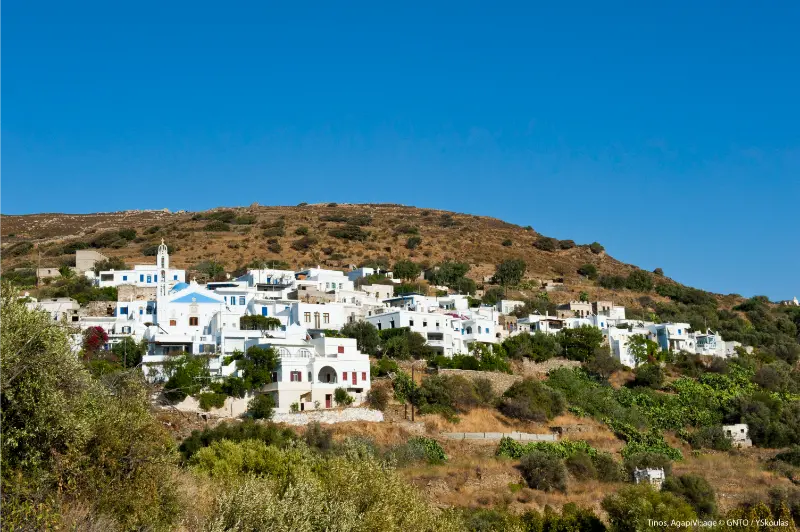
    Tinos Agapi Village

    What is the best base without a car?

    Chora is the clear first choice because transport and services are concentrated there.

    Can you reach Pyrgos by bus?

    Yes in season, with the western route continuing toward Panormos.

    Can you reach beaches by bus?

    Several popular beaches receive seasonal service, but frequency changes through the year.

    Should you rent a car for one day?

    It can be a smart compromise if remote beaches and sunset villages are priorities, provided you are comfortable driving narrow island roads.

    Final practical advice

    Tinos is most rewarding when you leave space between the famous stops. One village, one meaningful cultural visit and one swim often make a better day than six pins on a map. Choose a base that suits your transport style, group nearby experiences, check wind and heat each morning, and verify time-sensitive information shortly before you travel. The island’s villages, food and walking routes are not filler between beaches; together they are the reason Tinos feels different from many other Cycladic destinations.

    Photography without slowing everyone down

    The best photographs on Tinos usually come from side light, village details and wide landscapes rather than stopping a car in an unsafe place. In villages, park first and walk back to the viewpoint. Ask before photographing craftspeople at work and never treat worshippers as part of a travel portrait. Early morning and late afternoon also reduce harsh contrast on white walls and marble while making walking more comfortable.

    What to carry each day

    A small day bag should include water, sun protection, a light layer for wind, offline maps and footwear that can handle stone steps. Add swim shoes if your group dislikes pebbles and a reusable bag for beach rubbish. On hiking days carry significantly more water and a power bank. On church days bring clothing that allows you to enter respectfully without having to return to the hotel.

  • Skopelos with Kids: Family Beaches, Easy Villages, Boat Trips and Practical Tips

    Skopelos with Kids: Family Beaches, Easy Villages, Boat Trips and Practical Tips

    Skopelos can work extremely well for families because it combines clear water, green scenery and compact settlements without the intense nightlife of some better-known Greek islands. The main challenge is geography: beaches are spread out, roads are winding and many village lanes involve steps. A family trip is easiest when you choose the base carefully and plan fewer stops per day.

    I would prioritise one beach, one meal and one optional activity each day. Children usually remember swimming, boat rides and the excitement of a harbour more than a packed list of churches and viewpoints, so the itinerary should leave room for repetition and rest.

    Best family beaches

    Visit Greece describes Stafylos as sheltered and family-friendly, while Panormos is practical because services and food are close. Kastani can be easy when organised facilities are operating, but conditions change by season.

    Pebble beaches can become deep quickly, so calm water does not remove the need for close supervision. Bring water shoes if children dislike stones and a sun shelter for beaches without reliable natural shade.

    Chora with children

    Skopelos Town is visually rewarding but hilly. Use the waterfront as the easy part of the day and explore upper lanes in short sections rather than turning the whole old town into a long climb.

    Neo Klima Skopelos Greece

    A stroller can be useful on flatter areas but awkward on steps. For toddlers, a carrier may be more practical for the steepest parts, especially in crowded lanes.

    Boat trips for families

    A half-day or gentle full-day cruise can be one of the highlights of a family holiday. Before booking, ask about shade, toilets, lifejackets, boarding steps and how long the boat spends continuously underway.

    A route with two longer swim stops is often easier for children than an ambitious circuit with many short stops. Keep motion-sickness needs in mind and bring dry clothes for the return trip.

    Mamma Mia stops with children

    Kastani is straightforward as a beach stop, while Agios Ioannis Kastri involves a climb that should be judged according to age, heat and confidence on steps.

    Do not pressure younger children to reach the top for a photo. The coastal viewpoint and surrounding scenery are still worth the trip even if part of the family stays lower down.

    Where to stay as a family

    Chora is best for restaurants and logistics, Panormos is excellent for beach-first stays, and Neo Klima can work well with a car. Look for parking, kitchen facilities, laundry options and a short walk to dinner.

    A beautiful isolated villa can become inconvenient if every meal requires strapping children into a car. Practical location usually matters more than extra space for a short family holiday.

    Heat, naps and flexible days

    Plan outdoor sightseeing in the morning, swim or rest through the hottest period and use early evening for village walks. This rhythm reduces conflict and makes the island feel slower in a good way.

    Keep one unscheduled day in the itinerary. Wind, tiredness or a favourite beach can change plans, and flexibility is one of the biggest advantages of a family island holiday.

    How many days with children?

    Five to seven nights gives a family enough time to repeat favourite beaches, add one boat day and visit both Chora and the north without constant packing. A shorter stay still works if you choose one base and limit long drives.

    Avoid changing accommodation every night. One or two bases are enough for most families, and fewer transfers mean more actual holiday time.

    Packing for family beach days

    Bring refillable water bottles, high-SPF sunscreen, hats, water shoes, a compact first-aid kit and dry clothes for boat trips. A small insulated bag is useful if children need snacks at predictable times.

    Do not rely on every cove having shade or food. Organised services are seasonal, and a beach that looks fully equipped in August may be very different in May or October.

    Getting around Skopelos

    Skopelos is compact on a map but not flat. Roads curve through forested hills, and journey times are slower than straight-line distances suggest. A rental car gives the greatest flexibility for beaches and northern villages, while seasonal buses can work well for travellers based in Chora or along the main west-coast corridor.

    Sporades Skopelos Hora

    If you drive, allow extra time after dark and do not rush on narrow bends. If you rely on buses, check the current timetable after arrival because frequency changes through the season. Taxis are a useful backup for one-way trips, late dinners and locations away from the principal route.

    Where to stay and booking strategy

    For live availability, compare accommodation in Skopelos on Booking.com. Choose the map location before comparing room design: a hillside apartment may have a spectacular view but require steep walking, while a beach property may leave you dependent on transport for evening restaurants.

    For a first visit, Chora is the easiest all-round base. Panormos suits beach-first holidays, Glossa gives village character and north-island access, and Neo Klima offers a quieter west-coast compromise. A split stay becomes worthwhile at around six nights.

    Ferries and arrival planning

    Skopelos has no commercial airport, so most travellers arrive by ferry after flying to Skiathos or travelling overland to a mainland port. Visit Greece explains the common Skiathos-airport connection, while published 2026 ferry schedules show seasonal services from Mantoudi that can call at Skiathos, Glossa and Skopelos.

    Schedules change by date and weather, so treat any timetable in an article as a planning example rather than a permanent promise. Check the operator close to travel, confirm the exact Skopelos port on the ticket and leave buffer time when connecting a ferry with a flight.

    Panorama Skopelos Town Sporades Thessaly Greece

    Common mistakes to avoid

    • Assuming every beach has sand, shallow water, shade and full services.
    • Booking a hillside room without checking stairs and luggage access.
    • Trying to see Chora, Glossa, Mamma Mia locations and several beaches in one day.
    • Using an old bus or ferry timetable instead of checking the current season.
    • Driving unfamiliar winding roads too quickly after dark.
    • Treating religious chapels as film props rather than active places of worship.

    Useful official information

    For destination background, use the Visit Greece beach guide. The Municipality of Skopelos is also useful for local notices. Recheck opening arrangements, transport, weather and any fire-related access restrictions shortly before the day you travel.
    Tours and activities

    Seasonal boat trips, transfers and guided experiences vary considerably by month. The widget below can help you see what is actually bookable for your dates. Compare meeting points, duration, cancellation rules and whether transport from your accommodation is included.

    Continue planning your Skopelos trip

    Final advice

    Skopelos works best when you leave enough empty space in the itinerary for the island itself. A road may be slower than expected, a beach may be perfect for another hour, or wind may make you change coast. Those changes are not failures; they are normal parts of travelling on a green, mountainous island.

    Check the next day’s weather and transport each evening, then choose one main experience and one secondary option. That simple habit prevents rushed driving and produces a trip that feels more like a holiday than a checklist.

    A realistic daily rhythm

    Start with the activity most sensitive to heat or crowds, whether that is a chapel climb, village walk or forest route. Use late morning and afternoon for the sea, lunch or a shaded harbour, then return to villages when temperatures fall. This rhythm reduces unnecessary driving and fits the way Skopelos is naturally experienced.

    Keeping one flexible block each day also protects the itinerary from wind and ferry changes. If the sea is rough, you can switch to Chora or Glossa; if the weather is calm, use the opportunity for a boat or beach day.

    Responsible travel on a green island

    Skopelos depends on healthy forest and clean coastal water. Respect fire restrictions, never leave rubbish at remote beaches and avoid parking where emergency or local access is blocked. On boats, follow protected-area rules and keep distance from wildlife.

    Support village shops, bakeries and family-run tavernas rather than treating the island only as scenery. Spending locally helps preserve the communities that make Skopelos different from a purpose-built resort.

    What to pack

    Bring shoes with grip for steps and short trails, water shoes for pebbled beaches, high-SPF sunscreen, a refillable bottle and a light layer for ferry decks or breezy evenings. An offline map is useful when mobile coverage becomes inconsistent in forested areas.

    A small dry bag protects phones and documents on boats, while a compact beach shade can be useful away from organised sections. Pack lightly enough that stairs in Chora or Glossa do not become a problem on arrival day.

  • Paxos with Kids: Family Beaches, Boat Trips, Easy Villages and Practical Tips

    Paxos with Kids: Family Beaches, Boat Trips, Easy Villages and Practical Tips

    Plan a family holiday in Paxos with kid-friendly beaches, short boat trips, easy village days, transport advice, heat safety and realistic itinerary ideas.

    Paxos is compact, but it rewards precise planning. Villages sit close together on a map while olive-grove lanes, steep western cliffs, irregular buses and boat-dependent sights can make two apparently simple days feel very different. This guide focuses on practical choices: where to base yourself, when walking is realistic, what changes with wind, and how to combine beaches, villages and sea excursions without turning the trip into a checklist.

    Aerial View Sailing Boats Turquoise Sea Paxos Greece

    Quick planning notes

    • Paxos is compact and calm, but most beaches are pebbly and some have steep or rough access; choose the beach around your children’s age.
    • Harami, Mongonissi and serviced Monodendri are easier family options when sea conditions are calm.
    • Choose shorter boat trips for young children and always ask about shade, toilet access and life jackets before booking.
    • Gaios is the easiest family base if you want supermarkets, pharmacies, taxis and restaurants within walking distance.

    Why Paxos works for families

    Paxos combines short driving distances, clear water and small villages without the scale of a large resort island. Families can build simple days around one beach and one village rather than spending hours in a car. Restaurants are generally relaxed about children, and evening waterfront walks give the whole family something to do after the heat eases.

    The main adjustment is the beach style. Most shores are pebbly, and remote coves may have no shade, toilets or food. With water shoes, an umbrella and a realistic plan, that is easy to manage. If you want guaranteed sand and shallow entry, include Antipaxos or Mongonissi rather than expecting every Paxos beach to look the same.

    Best beaches with children

    Harami near Lakka is practical because it is close to the village and usually easy to combine with food and facilities. Mongonissi has a more sheltered, sandier character and is another strong family choice. Monodendri offers seasonal infrastructure that reduces how much gear you need to carry.

    For older children who enjoy snorkeling and pebbly coves, Kipiadi and Marmari can be excellent. The important variable is the sea on the day. Even a normally friendly beach can become uncomfortable in wind, so ask locally which coast is sheltered rather than following a fixed weekly plan.

    Boat trips with children

    A boat day can be the highlight of a Paxos family holiday, but choose the format carefully. A full circumnavigation with caves and several swims may be exciting for school-age children and tiring for a toddler. Ask about shade, toilet availability, trip length, life jackets and whether the boat makes beach landings or expects passengers to swim from the boat.

    Antipaxos works particularly well because Vrika has shallow water and pale sand. If the children mainly want a beach, take a direct transfer rather than a long sightseeing cruise first. For the Blue Caves, accept that the captain may change the route if swell makes cave entry unsafe.

    Village days and low-effort activities

    Gaios is easy with children because you can combine the harbour, a bakery, a short swim and dinner without a car. Lakka offers the same pattern on a smaller scale, with Harami close by. Loggos is excellent for an early evening meal after a beach walk. These are not “attractions” in the theme-park sense, but they create low-stress family days.

    For older children, a short olive-grove hike or the walk toward the Lakka lighthouse adds variety. Keep distances modest in summer and make the destination meaningful—a swim, ice cream or sunset—rather than asking children to walk simply because adults want exercise.

    Heat, sun and water safety

    The clearest safety strategy is to avoid making midday the active part of the day. Swim early, have a long shaded lunch and return to the beach later. Use high-SPF sunscreen, hats and UV clothing, and carry more drinking water than you expect to need at unorganized beaches.

    Pebbles can be painful on small feet, so water shoes are useful. Do not allow children to jump from rocks before an adult has checked depth and submerged hazards. On boats, follow the crew’s life-jacket instructions even if the sea looks flat. Calm harbour water can become choppy around headlands.

    Accommodation choices for families

    Gaios is simplest for first-time families because groceries, pharmacies and transport are concentrated there. Lakka is a good alternative if walkable swimming matters more. Villas can be excellent for space and a pool, but check pool fencing, balcony safety, steps and whether every outing will require a car.

    A washing machine, fridge and shaded outdoor area often matter more than luxury finishes. If you travel with a stroller, ask about steps before booking. Historic villages have charming lanes that can be frustrating with wheels, especially when the room is above the final point a taxi can reach.

    A realistic four-day family plan

    Day one: settle into Gaios or Lakka and use a nearby beach. Day two: direct boat to Antipaxos, keeping the afternoon flexible. Day three: explore Loggos and an easy east-coast beach. Day four: choose either a short caves cruise or a relaxed Mongonissi day depending on energy and weather.

    The plan deliberately avoids a different “must-see” every few hours. Children often enjoy repetition, so returning to a favorite beach or bakery is not wasted time. Paxos is especially good at that kind of slow family rhythm.

    Paxos Island Greece

    Accommodation and booking strategy

    Paxos has a limited accommodation supply compared with Corfu, and the most attractive village-centre rooms, waterfront apartments and family villas can sell early in July and August. Compare the exact location rather than only the property name: a room described as “Gaios” may sit well above the harbour, while a villa near Lakka may require a car or taxi after dinner. Check current Paxos accommodation on Booking.com.

    For a short first visit, prioritize convenience over a dramatic view. For a longer stay, a quieter villa can work well if you already know how you will reach groceries, beaches and evening restaurants. If mobility is limited, ask the host about gradients, stairs and the nearest point a taxi can reach; the island’s beautiful old lanes are not always stroller- or suitcase-friendly.

    Frequently asked questions

    Is Paxos good for young children?

    Yes, if you choose accessible beaches and accommodation carefully. The island is compact, but many beaches are pebbly and some remote coves lack facilities.

    Which Paxos beach is best for kids?

    Harami, Mongonissi and serviced Monodendri are practical options when the sea is calm. Vrika on Antipaxos is also popular for its shallow sandy water.

    Greece Paxos Ionian Islands

    Do we need a car with children?

    Not necessarily if you stay in Gaios or Lakka and use taxis, buses and boats. A car adds convenience for villas and multiple beach days.

    Useful official resources

    For information that can change after publication, check the Visit Paxos tourism portal, the official Paxos travel-information page and, for sea connections, the official getting-to-Paxos page. Hiking information is also available from Visit Greece. Ferry times and local transport can change with season, weather and operator, so verify the exact date before committing to a tight connection.

    Related Paxos guides

    A practical way to plan the day

    Build each day around one anchor rather than several fixed appointments. On a calm day, make the boat trip or exposed west-coast walk the anchor and keep the afternoon flexible. When wind is stronger, choose an east-coast beach, village lunch or short olive-grove walk. This approach suits Paxos because distances are small enough to change direction, while the most memorable experiences—clear water, cliff light, quiet lanes and village evenings—depend more on conditions than on an ambitious schedule.

    Keep water, sun protection, offline maps and a small cash reserve in your day bag. Mobile reception can vary near cliffs and remote coves, and not every beach has a bar or a reliable taxi pickup point. If you are using buses, photograph the current timetable after arrival and confirm the final return of the day. If you are using boats, ask what happens if wind forces a route change. Those simple checks remove most of the stress from an otherwise very easy island to enjoy.

    A final rule is to leave some room for repetition. Paxos is not an island where every hour needs a new attraction. Returning to the same waterfront for breakfast, repeating a beach that was exceptionally calm, or walking the same olive lane at sunset often produces a stronger sense of place than collecting ten different stops. The island is small enough that familiarity becomes part of the experience rather than a sign that you have run out of things to do.

    If your trip falls outside the busiest summer weeks, confirm restaurant opening days, boat excursions and local transport after arrival. Shoulder season can be excellent for walking and quiet villages, but services are naturally thinner. A flexible plan, one dependable base and a willingness to switch from sea to land activities when conditions change are more useful than a rigid itinerary copied from peak-season travel advice.

  • Sikinos Hiking Guide: 7 Signposted Trails, Episkopi, Zoodochos Pigi and Mavros Kavos

    Sikinos Hiking Guide: 7 Signposted Trails, Episkopi, Zoodochos Pigi and Mavros Kavos

    Plan hiking in Sikinos with the seven-route trail network, walks to Episkopi and Zoodochos Pigi, coastal routes, difficulty, maps, heat and safety advice.

    Walking is one of the best reasons to choose Sikinos. Visit Greece describes seven signposted trails in the Sikinos Paths network, linking Chora, Alopronia, the fortified monastery, Episkopi, chapels and remote coast. The routes are not alpine adventures, but open terrain, summer heat and limited water make preparation important.

    Quick planning notes

    • The official network has seven signposted routes ranging broadly from easy to moderate.
    • Walk early in summer and carry all the water you need; resupply points are limited or nonexistent outside settlements.
    • The Chora–Alopronia route is a good introduction, while Agia Marina–Mavros Kavos is more committing.
    • Use the trail network to reach cultural sites, not only viewpoints; Episkopi and Zoodochos Pigi are natural hiking anchors.

    Understanding the Sikinos Paths network

    Visit Greece states that the island’s seven signed routes were mapped under the Sikinos Paths network. They follow older connections between villages, agricultural land, chapels and the sea. That matters because the paths are not artificial recreational loops: they reveal how the island functioned before the modern road concentrated movement into a few corridors.

    Pick routes based on heat and time rather than just distance. Cycladic walking is deceptive because a short route can be exposed from start to finish. A hat, sunscreen and water are essential even when the map makes the hike look like a casual stroll.

    Chora to Alopronia

    The Chora–Alopronia route is one of the most approachable walks. Visit Greece describes a gentle descent from the village toward the harbour through a landscape of stone walls, fields and old farm buildings. Walking downhill toward the sea is particularly pleasant in the morning, followed by a swim at Alopronia.

    The return is uphill, so do not assume the same effort in both directions. Many travellers can make the walk one-way and use the bus back. This is a good example of combining public transport with hiking to avoid turning a scenic trail into an endurance test.

    Chora to Zoodochos Pigi

    The route to the fortified monastery is short enough for most reasonably active visitors and delivers a disproportionate reward in views. The monastery stands on the cliff edge above Chora and is especially striking in late-day light. Visit Greece includes it among the island’s recommended trails.

    Even on a short route, take water and shoes with grip. Strong wind can make exposed edges uncomfortable, and the descent after sunset is not the place to discover that your phone battery is empty. Carry a small torch if you plan to linger into evening.

    Monastery to Episkopi

    This route combines the island’s most recognizable religious viewpoint with its most important archaeological monument. Visit Greece describes the path as crossing rocks and vineyard landscapes before reaching Episkopi, the Roman funerary monument later converted into a Byzantine church.

    Allow time at Episkopi rather than treating it as a turnaround marker. The point of this hike is the historical landscape as much as the physical exercise. If the day is hot, arrange a transfer for one leg or start early enough to finish before the strongest sun.

    Agia Marina and Mavros Kavos

    Visit Greece identifies the Chora–Agia Marina–Mavros Kavos route as a more challenging option, with panoramic Aegean views and a rugged coastal finish. This is the route for travellers who want a stronger sense of the island’s open, dry terrain rather than a village-to-village stroll.

    Do not underestimate exposure. There may be no reliable shade, water or phone signal on the most remote sections. Check the route in advance, tell someone where you are going, and turn back if heat, wind or route uncertainty becomes uncomfortable.

    Hiking to beaches

    Several beaches can be reached by foot, including coves that are also served by local boats. This creates attractive point-to-point possibilities, but beach time adds fatigue to the return. Swimming in strong sun can leave you more dehydrated than expected, so reserve water specifically for the walk back.

    Wear shoes rather than beach sandals on rough paths. If you want to hike in and leave by boat, confirm the pickup arrangement before setting out; small-island boat services may be flexible, but they are not guaranteed taxis waiting offshore.

    Maps, apps and safety

    Visit Greece recommends the dedicated trail mapping and notes that a map can be obtained locally. Download offline mapping before leaving accommodation and carry a power bank on longer routes. Signage reduces navigation risk but does not eliminate it, especially where multiple animal tracks cross open ground.

    In July and August, early morning is the default. In spring and autumn, temperatures are friendlier but transport and services may be reduced. After rain, stone paths can be slippery. The best hiking day is the one adjusted to actual conditions rather than the one planned weeks earlier.

    How to make the trip work in practice

    Sikinos works best when the itinerary follows the island rather than fighting it. Plan one main objective per half-day: a monument, a trail, a beach or a long meal. Boat-access beaches depend on wind, walking routes are exposed to sun, and small museums or churches may not operate with big-island opening patterns. Keep a second option ready and confirm local details after arrival.

    View Sikinos Island From Greece

    Carry water, sun protection and an offline map whenever you leave the two main settlements. Services are intentionally limited outside Chora and Alopronia. That does not make the island difficult; it simply rewards travellers who prepare before setting out and who leave enough time to enjoy a place instead of rushing between checkpoints.

    Frequently asked questions

    How many hiking trails are there in Sikinos?

    Visit Greece describes seven signposted routes in the Sikinos Paths network.

    What is the easiest Sikinos hike?

    Chora to Alopronia is one of the gentler options, particularly downhill toward the port. Use the bus for the return if you want to avoid the uphill climb.

    Sikinos Greek Island Port White Buildings Blue Sky Cyclades Greece

    Can you hike to Episkopi?

    Yes. Episkopi is connected to the signed route network and can be combined with the monastery area for a strong cultural and walking day.

    Useful sources for current information

    For details that can change, use the Municipality of Sikinos, the official Visit Greece Sikinos page, the Visit Greece hiking guide and the official Sikinos beaches overview. Ferry routes and seasonal sailings should be checked again shortly before travel through the Fast Ferries Sikinos page or your booked operator.

    Related guides

    A slower rhythm is part of the destination

    One of the easiest mistakes on Sikinos is to judge the island by the number of formal attractions. Its strength is the relationship between Chora, terraced fields, dry-stone walls, chapels, old paths and small coves. A morning walk that ends with lunch can be a complete day rather than a gap between major sights. The same is true of an evening in Kastro: there is no need to add another excursion simply because the map looks small.

    Kastro Sikinos Island Greece

    This slower approach also protects the trip from weather changes. If wind makes a boat excursion unattractive, walk a signed trail or spend more time in Chora. If the afternoon is too hot for hiking, use the beach and move the trail to early morning. Travellers who leave this flexibility usually see more of the island in a meaningful way than those who try to complete a fixed checklist.

    Shoulder season deserves special planning. Walking temperatures can be excellent, but transport, tavernas and excursions may operate less frequently than in peak summer. Confirm what is open, buy water before long walks and avoid assuming that a service listed online runs every day. The reward is an even quieter version of an island that is already known for calm, traditional Cycladic life.

    Small-island details that make a difference

    Because Sikinos has few layers of backup infrastructure, simple preparation has an outsized effect on the quality of a day. Save important phone numbers offline, keep some cash, refill water whenever you pass an open shop and tell your accommodation if you are heading onto a remote path. None of these steps are dramatic, but together they prevent the common problems that arise when visitors apply big-island habits to a place with a much smaller service network.

    Also leave room for local advice. A host, taverna owner, driver or boatman can tell you whether a trail is especially hot, a cove is rough, a museum is opening later than usual or a ferry has changed berth. On Sikinos, current local information is often more useful than a rigid plan made months earlier. Use published guides to understand the island, then let real conditions shape the final details.

    Finally, avoid measuring value by the number of places reached. One carefully timed visit to Episkopi, one calm swim or one evening walk through Chora can be more memorable than a rushed circuit of every named point on the map. The island rewards attention, not speed, and that principle is the best practical advice for almost every kind of Sikinos trip.

  • Ano Poli Thessaloniki Guide: Walls, Views, Churches and a Perfect Walking Route

    Ano Poli Thessaloniki Guide: Walls, Views, Churches and a Perfect Walking Route

    Ano Poli, the Upper Town of Thessaloniki, is where the city changes scale. The broad waterfront avenues give way to steeper lanes, Ottoman-era houses, Byzantine churches, sections of city wall and views that stretch toward the Thermaic Gulf. It survived the great fire of 1917 better than the lower city, which is one reason the street pattern and architecture feel so different. The best way to visit is to go up by bus or taxi and walk down gradually, rather than beginning the day with a punishing climb.

    If this is your first trip to the area, use this article together with Thessaloniki Travel Guide, White Tower and Thessaloniki Waterfront Guide and Greece in Winter. Those guides cover the wider destination, while this page focuses on the practical decisions that make a visit to Ano Poli Thessaloniki Guide work smoothly.

    Macedonia Thessaloniki Ano Poli

    Why Ano Poli Thessaloniki Guide is worth your time

    Ano Poli shows a quieter and more layered Thessaloniki. The neighbourhood is valuable not just for viewpoints but for understanding the city’s Byzantine and Ottoman history. Small churches sit close to residential houses, wall fragments appear unexpectedly, and tavernas offer a very different atmosphere from the busy central restaurant districts.

    The strongest trips are usually built around a clear reason for being here rather than a list of every possible attraction. Decide whether your priority is history, landscape, food, swimming, photography or walking. Once that is clear, the rest of the itinerary becomes easier: you can choose the right time of day, avoid unnecessary transfers and leave enough space for the experience that brought you here in the first place.

    Main highlights

    • Byzantine city walls and viewpoints
    • traditional houses and narrow lanes
    • Church of Hosios David
    • Vlatadon Monastery area
    • Trigoniou Tower viewpoint
    • local tavernas away from the waterfront crowds

    Byzantine city walls and viewpoints

    Byzantine city walls and viewpoints is one of the elements that gives Ano Poli Thessaloniki Guide its identity. Do not approach it only as a photo stop. Spend enough time to notice how it connects with the surrounding streets, landscape or historical context. In busy periods, moving even ten minutes away from the obvious focal point often changes the experience completely and gives you a more balanced view of the place.

    traditional houses and narrow lanes

    traditional houses and narrow lanes is one of the elements that gives Ano Poli Thessaloniki Guide its identity. Do not approach it only as a photo stop. Spend enough time to notice how it connects with the surrounding streets, landscape or historical context. In busy periods, moving even ten minutes away from the obvious focal point often changes the experience completely and gives you a more balanced view of the place.

    Macedonia Thessaloniki Ano Poli

    Church of Hosios David

    Church of Hosios David is one of the elements that gives Ano Poli Thessaloniki Guide its identity. Do not approach it only as a photo stop. Spend enough time to notice how it connects with the surrounding streets, landscape or historical context. In busy periods, moving even ten minutes away from the obvious focal point often changes the experience completely and gives you a more balanced view of the place.

    Vlatadon Monastery area

    Vlatadon Monastery area is one of the elements that gives Ano Poli Thessaloniki Guide its identity. Do not approach it only as a photo stop. Spend enough time to notice how it connects with the surrounding streets, landscape or historical context. In busy periods, moving even ten minutes away from the obvious focal point often changes the experience completely and gives you a more balanced view of the place.

    Best time to visit

    Morning is excellent for churches and photography, while late afternoon gives warmer light over the city. In summer, avoid climbing the steepest sections in the hottest hours. Autumn and spring are ideal for a long walk, and winter can be atmospheric if the weather is clear.

    Time of day matters almost as much as season. Early mornings are best for archaeological sites, exposed walks and popular viewpoints, while late afternoon is usually more pleasant for neighbourhoods, waterfronts and photography. If a visit depends on opening hours, boats, weather or trail conditions, check the official information the evening before rather than relying on an itinerary saved months earlier.

    How to get there and get around

    Use a city bus or taxi to reach the upper area if you want to conserve energy, then descend on foot toward the centre. Streets are steep and sometimes uneven, so wear shoes with grip. Churches and monasteries are active religious spaces; modest clothing and quiet behaviour are appropriate, and interior photography rules should be respected.

    In Greece, transport decisions should be made around the whole day rather than a single attraction. A rental car gives flexibility but can create parking problems in historic centres. Public transport is often excellent for straightforward city routes but less useful for combining several rural stops. Taxis are valuable for short gaps, especially when they save a steep climb or a long wait, but they become expensive when used as a substitute for a properly planned route.

    How much time do you need?

    For Ano Poli Thessaloniki Guide, a focused visit can usually fit into half a day, but the right amount of time depends on how deeply you want to explore. Travellers who enjoy museums, hiking, long lunches or photography should protect a full day or at least avoid scheduling another major attraction immediately afterwards. If you are using the place as part of a wider road trip, one well-planned stop is better than three rushed ones.

    A realistic itinerary

    Begin around the upper walls and Trigoniou viewpoint, then move through residential lanes toward Vlatadon and Hosios David. Stop for coffee or lunch before continuing downhill toward Agios Dimitrios and the central city. This direction keeps the walk visually rewarding while reducing the amount of uphill effort.

    Build a buffer of at least one hour into the day. That margin absorbs a longer meal, traffic, a museum queue, a change in weather or the discovery of a viewpoint where you simply want to stay. Greece is rarely at its best when every thirty minutes are scheduled. Protect the essential logistics, then allow the day to breathe.

    Where to stay

    You do not necessarily need to sleep beside Ano Poli Thessaloniki Guide. Choose accommodation based on the wider trip. In cities, stay near a metro line or in a neighbourhood you enjoy walking through at night. In mountain and rural areas, staying close to the next morning’s trailhead can be more useful than choosing the prettiest village on a map. On a short trip, convenience usually creates more value than saving a small amount on the nightly rate.

    Food and breaks

    Avoid choosing a restaurant only because it sits beside the most famous landmark. Walk a few streets away, compare menus and look for places where the meal itself can become part of the day. In hot weather, a long lunch during the middle of the afternoon is often smarter than forcing another exposed walk. Carry water even in cities, and never assume a rural viewpoint or archaeological site will have an open café when you need one.

    What to bring

    • comfortable shoes with grip
    • refillable water bottle
    • sun protection and a hat
    • a light layer for wind or cooler evenings
    • offline map or downloaded route
    • charged phone or small power bank
    • a little cash for minor purchases

    Pack for the actual terrain rather than the image you have seen online. Ancient paving can be slippery, mountain trails can be rough, and coastal wind can make a warm day feel much cooler after sunset. Good footwear and water make a bigger difference than carrying extra clothes you will never use.

    Common mistakes to avoid

    • arriving at the same peak hour as every tour group
    • trying to combine too many distant stops
    • ignoring heat, wind or trail conditions
    • assuming old ticket prices or opening hours are still valid
    • forgetting to plan the return journey
    • treating religious, residential or protected areas as photo sets

    The most common mistake at Ano Poli Thessaloniki Guide is overestimating how much fits comfortably into one day. Distances on a map do not show parking, queues, steep streets, museum fatigue or the simple desire to stop for coffee. Prioritise two or three experiences and leave secondary stops optional.

    Is it suitable for families?

    Usually yes, but the day should be adapted to heat, walking distance and attention span. Families often do better with an early start, a clear lunch break and one major attraction rather than a full adult sightseeing schedule. At archaeological sites and viewpoints, uneven surfaces and unprotected drops require active supervision. A shorter successful visit is better than forcing children through every room or path.

    Accessibility and mobility

    Accessibility varies widely. Modern museums and central promenades may have lifts and smoother surfaces, while old towns, mountain paths and archaeological sites can include steps, cobbles and steep gradients. Check the official accessibility information for the specific place you plan to visit. If mobility is limited, taxis can often eliminate the hardest climbs even when the final attraction still requires some walking.

    What to combine with it

    Ano Poli pairs well with Agios Dimitrios, the Roman Forum and a food-focused evening in central Thessaloniki. Do not combine it with a rushed museum marathon. The neighbourhood is strongest when you have enough time to stop at viewpoints and follow side streets without constantly checking the clock.

    Thessaloniki Food

    For more context, continue with Thessaloniki Travel Guide, then use White Tower and Thessaloniki Waterfront Guide and Greece in Winter to build the surrounding itinerary. This keeps Ano Poli Thessaloniki Guide connected to the rest of the trip instead of turning it into an isolated detour.

    FAQ

    Do I need to book in advance?

    For major museums, organised tours, popular summer activities and time-sensitive transport, advance booking is sensible. For ordinary neighbourhood walks and viewpoints, it is usually unnecessary.

    What is the best time of day?

    Early morning is best for lower temperatures and fewer people. Late afternoon is excellent for atmosphere and photography, provided opening hours and the return journey still work.

    Can I visit without a car?

    In cities, usually yes. Rural attractions and multi-stop mountain days are easier with a car, although organised excursions or taxis can sometimes replace driving.

    Is it worth visiting in the shoulder season?

    Yes. May, June, September and October can be excellent, but seasonal buses, boats and businesses may run less frequently outside peak summer.

    Should I trust prices and timetables from older articles?

    No. Tickets, opening hours, access rules and transport schedules change. Recheck official or local information shortly before your visit.

    Final advice

    Treat Ano Poli Thessaloniki Guide as an experience rather than a task to complete. Arrive with a clear plan for the essential logistics, then give yourself enough time to notice the details that make the place distinctive. That balance between preparation and flexibility is what turns a technically correct itinerary into a trip that actually feels like Greece.