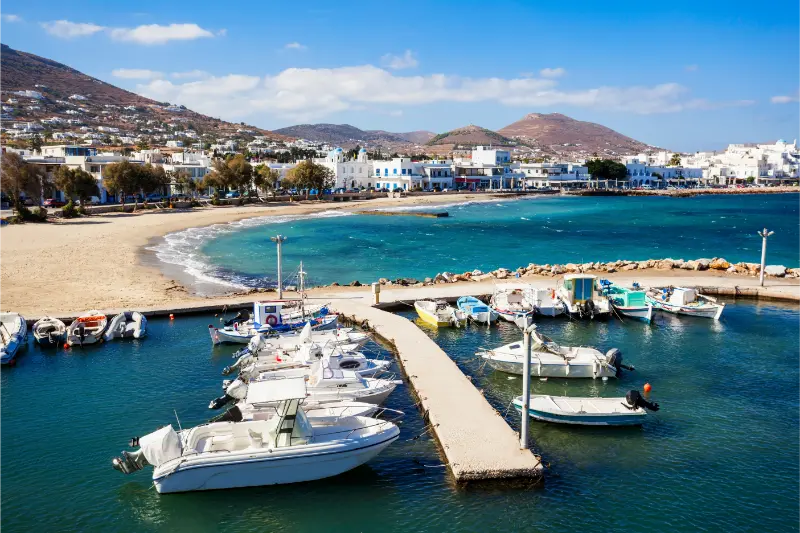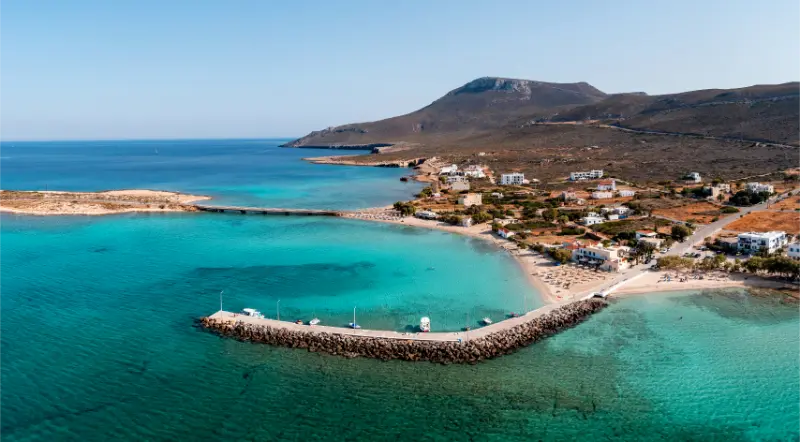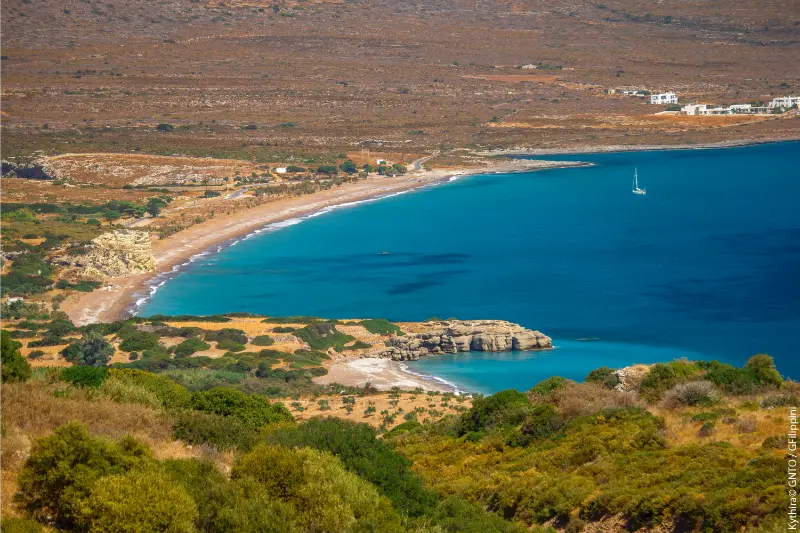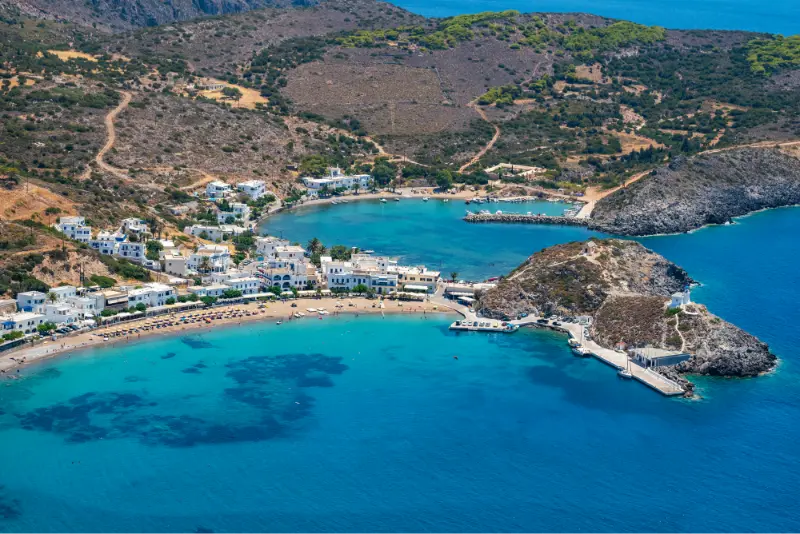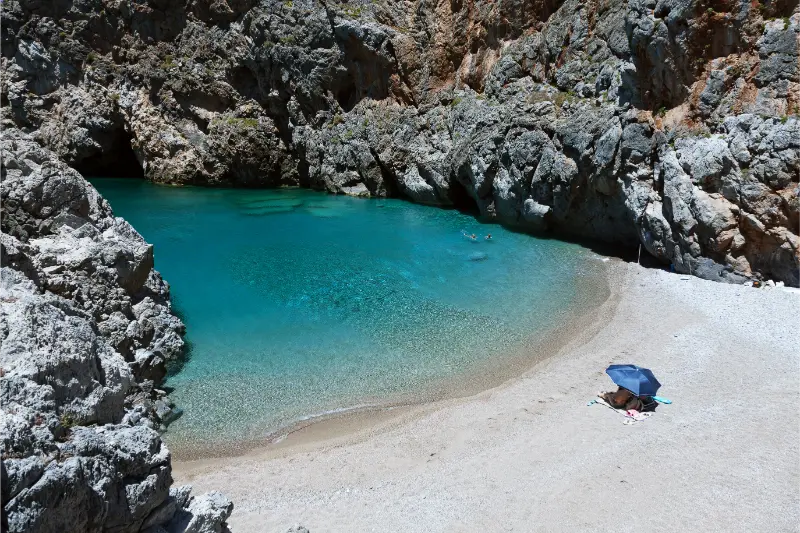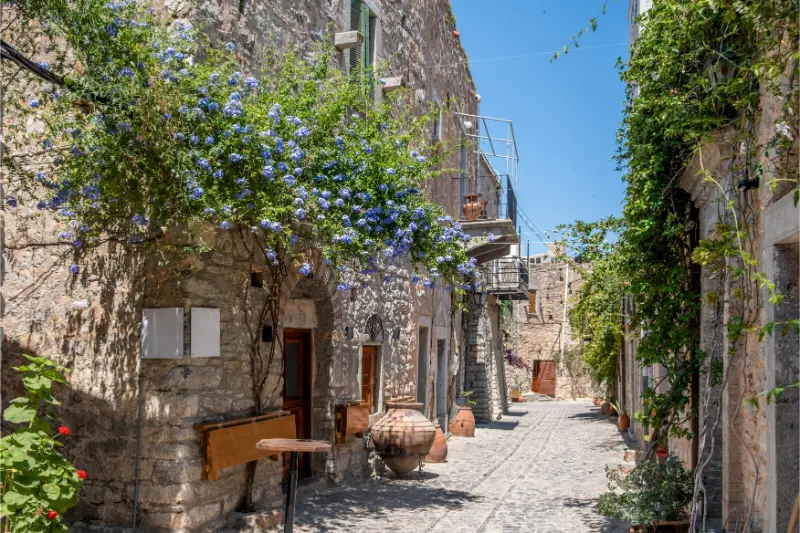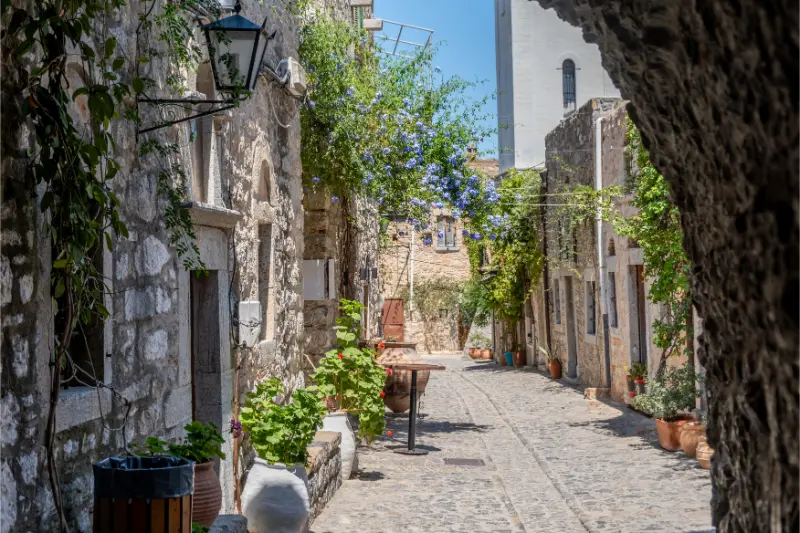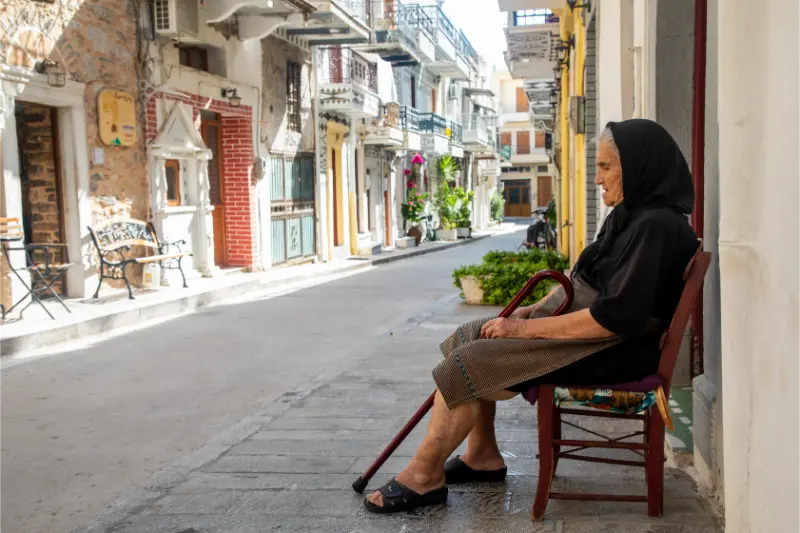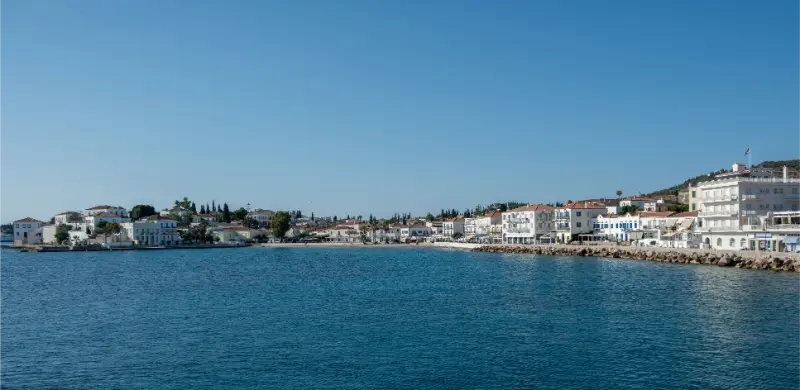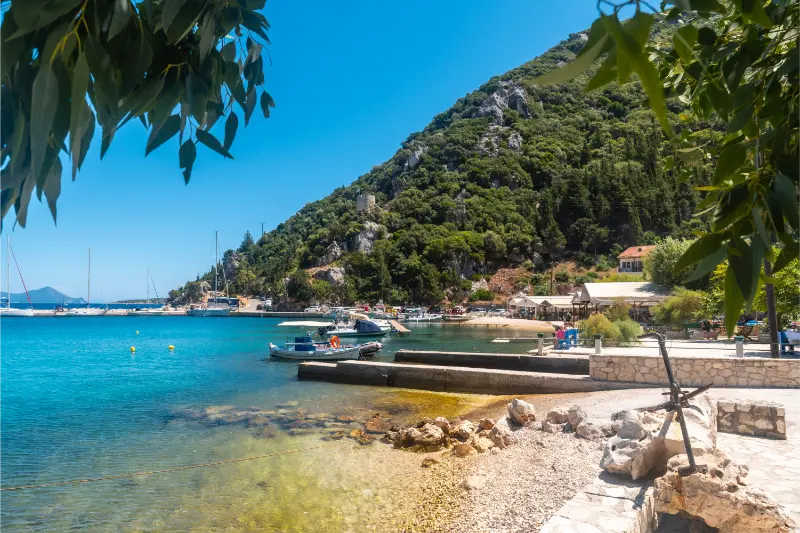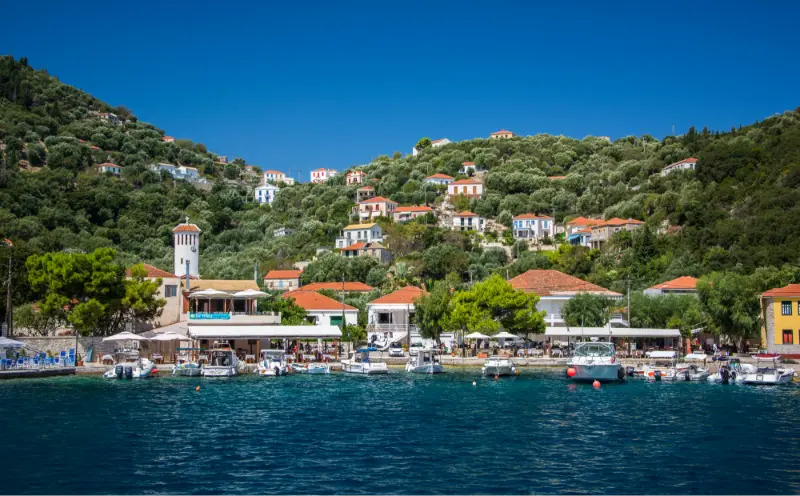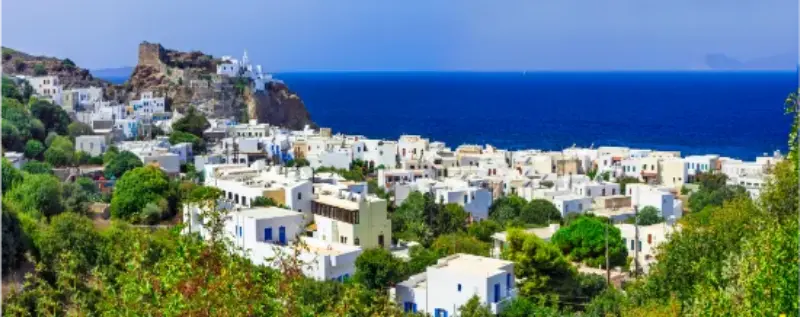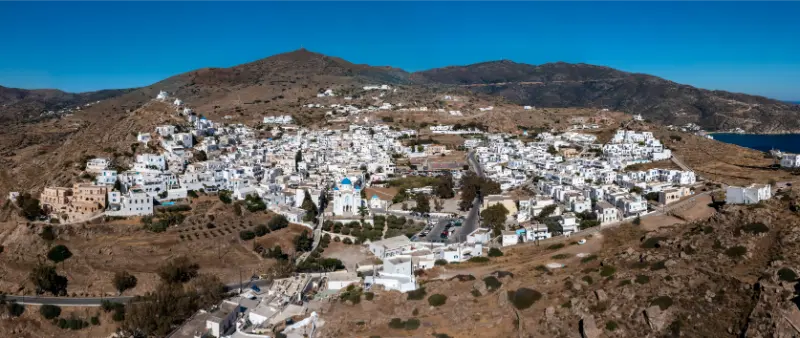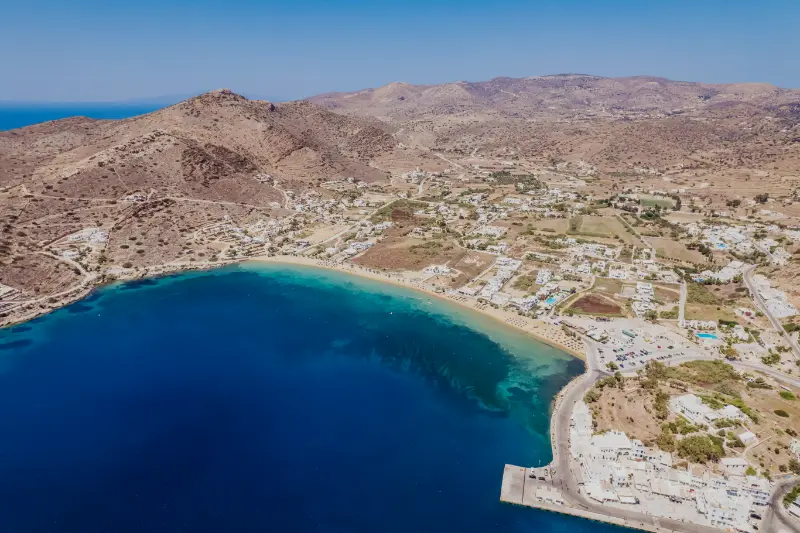
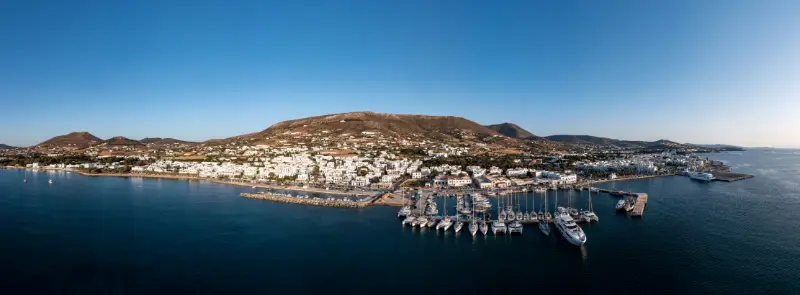
Parikia is the part of Paros that many travellers see first and then leave too quickly. It is the island capital, the main ferry port and a genuinely useful base, but it is also a compact historic town with an early-Christian landmark, an archaeological museum, old lanes, a Venetian-era castle area and a long waterfront that changes character from busy arrival point to relaxed evening promenade.
I would not treat Parikia as a place to tick off between the ferry and a taxi to Naoussa. Give it at least half a day; if you are interested in archaeology, churches or car-free travel, two nights can be a very sensible choice. The town is especially practical at the beginning or end of an island trip because you can walk from the ferry, eat without driving and keep transport risk low on departure day.
For the wider island picture, keep the Paros Travel Guide open alongside this article. Paros is compact enough for day trips, but roads, wind and summer traffic make geographic grouping more important than the map suggests. The island works best when you choose one main area for the day and add one or two nearby stops rather than constantly crossing between Naoussa, Parikia and the south coast.
Quick facts for planning Parikia
| Best for | History, ferry convenience, car-free stays, sunset walks |
| Time needed | Half day for the centre; 1–2 nights for a relaxed stay |
| Main sights | Ekatontapyliani, Archaeological Museum, Kastro lanes, waterfront |
| Transport | Main ferry port and important KTEL hub |
| Best light | Morning for monuments; late afternoon and evening for the waterfront |
What to see in Parikia
Panagia Ekatontapyliani
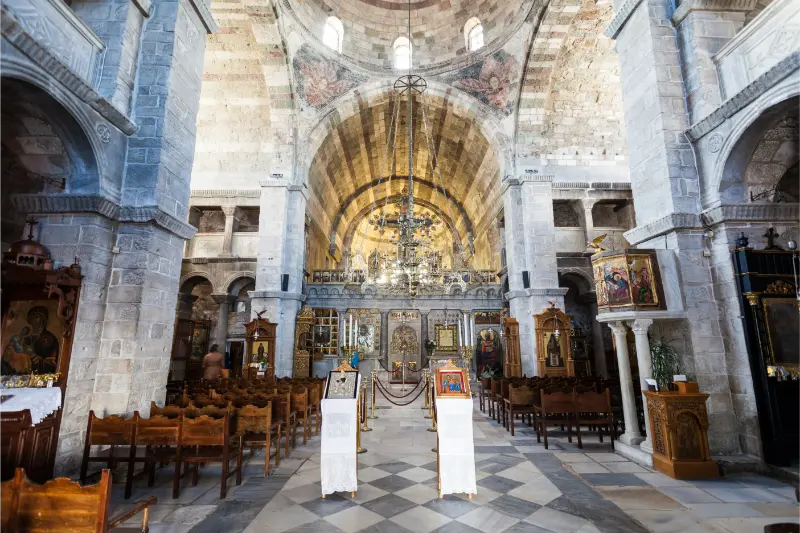
The landmark that changes Parikia from a simple port town into an essential cultural stop is Panagia Ekatontapyliani. The church complex stands only a short walk from the harbour and is one of the oldest and best-preserved Christian monuments in Greece. The official shrine describes both historic names—Katapoliani and Ekatontapyliani—and explains that they were used in parallel from at least the sixteenth century. Read more in my Ekatontapyliani guide or check the official shrine website before visiting.
Archaeological Museum of Paros
The Archaeological Museum is small enough to fit naturally into a town walk yet important enough to justify its own visit. Its collection covers finds from Paros, Antiparos and Despotiko, including sculpture, pottery and inscriptions from the Neolithic period to Roman times. As of the Ministry of Culture’s July 2026 update, it lists 08:30–15:30 opening hours, Tuesday closure and a €5 standard ticket; verify again before arrival because museum schedules can change. The official museum page is the best source.
Kastro and the old lanes
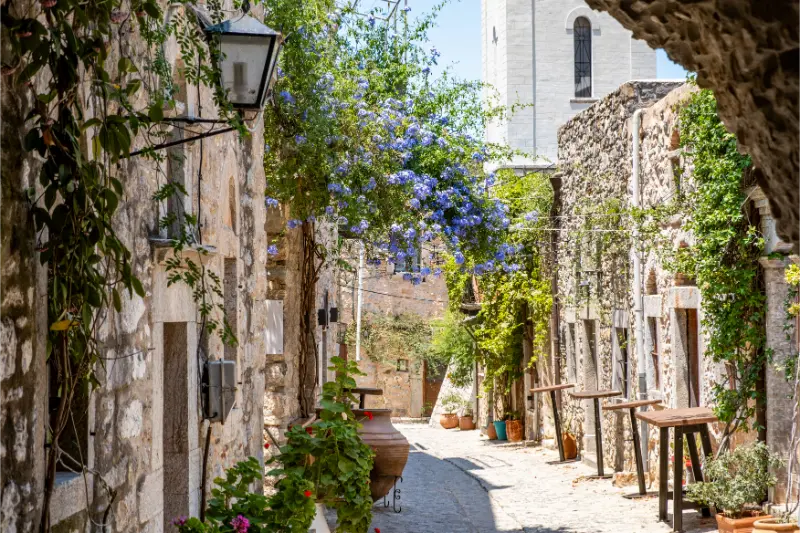
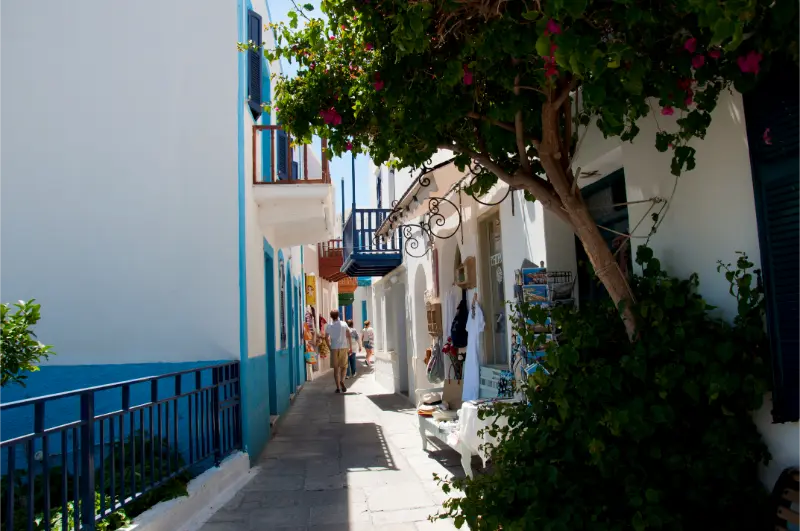
Walk inland from the waterfront and the town quickly becomes quieter. Around the Kastro area, medieval construction reused ancient marble blocks, so the fabric of Parikia is literally layered. The Cyclades Ephorate notes that the Venetian castle was built largely from architectural members of earlier temples and public buildings. Look for details rather than expecting one intact fortress: fragments, church walls, narrow passages and changing views are the experience.
The waterfront and sunset
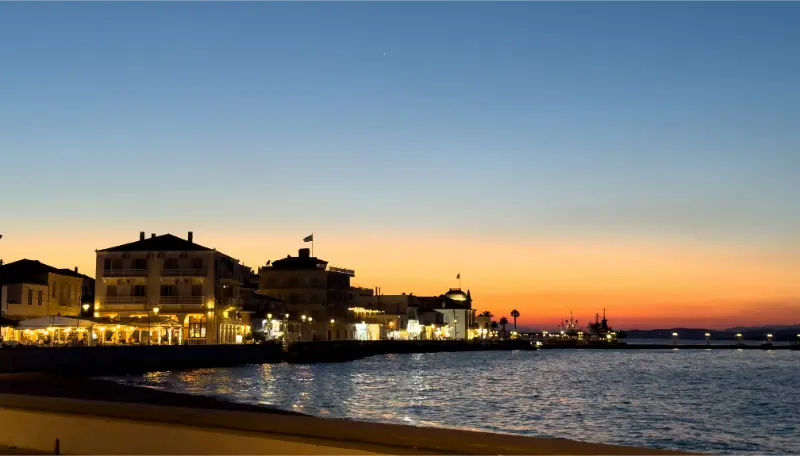
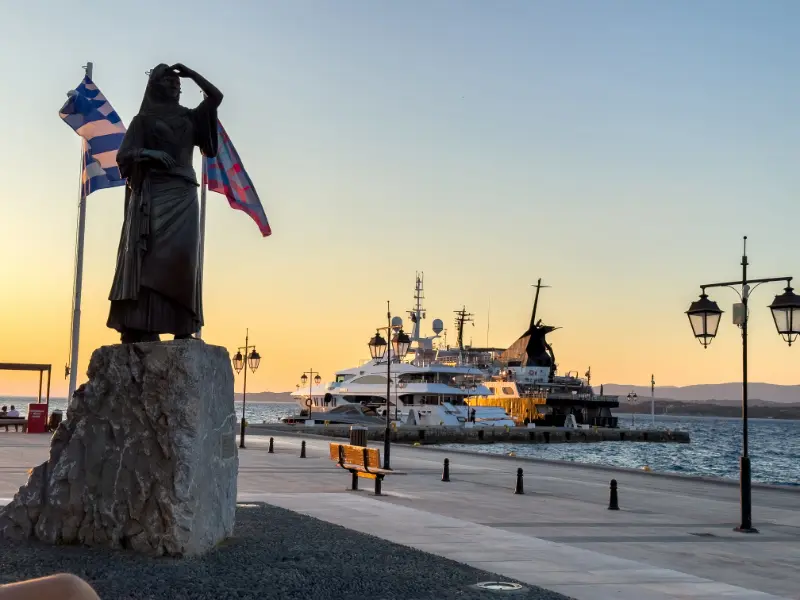
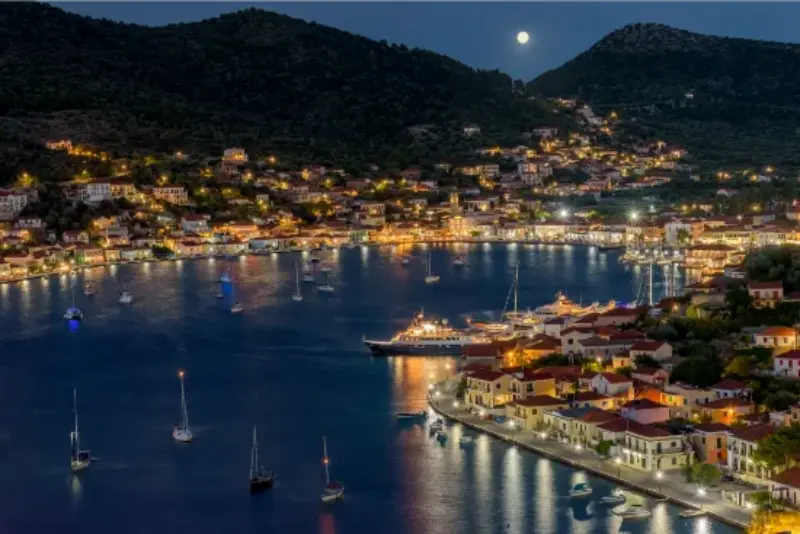
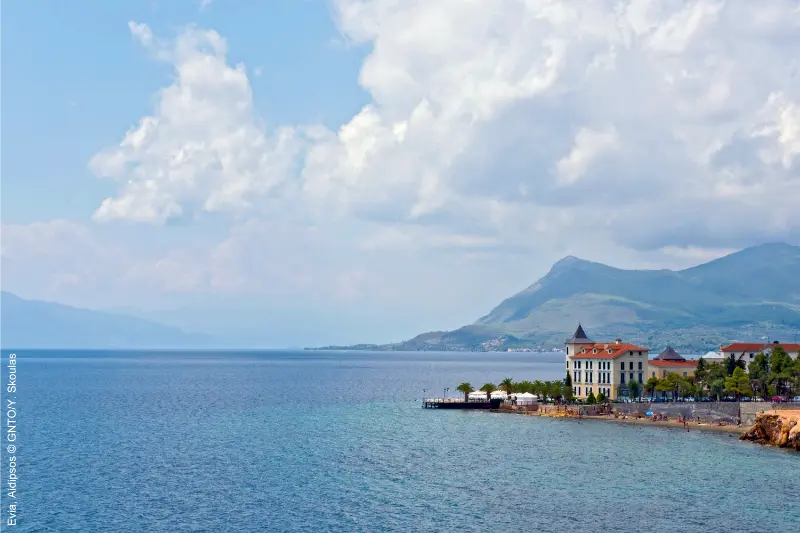
Parikia’s waterfront is functional in the morning and social in the evening. Ferry traffic, cafés and local errands create a busy centre near the port; farther along, the walk becomes more relaxed. Use the late afternoon for a swim at Livadia or a slow promenade, then return toward the old centre for dinner. Sunset is pleasant without needing to fight for a famous viewpoint.
A realistic half-day walking route
- Start at Ekatontapyliani before the hottest part of the day.
- Visit the Archaeological Museum while you are still in a cultural mood.
- Walk through the old commercial lanes toward the Kastro area.
- Stop for lunch or coffee rather than rushing directly to the beach.
- Continue to Livadia or along the seafront in late afternoon.
- Return through the centre after sunset for dinner.
Where to stay in Parikia
Stay near the old centre if ferry convenience matters and you want to walk to restaurants. Livadia works well for travellers who want an easy beach within walking distance while remaining close to town. If you plan to rent a car for most of the holiday, check parking carefully before booking a property inside the tightest lanes. The most romantic address is not always the most practical when you have luggage and a vehicle.
Parikia without a car
Paros has a useful public-bus network linking Parikia with Naoussa, Lefkes and many east- and south-coast settlements. Frequencies change during the season, so use the official Paros KTEL timetable shortly before travelling rather than relying on a timetable copied into an old blog post. A rental car gives more flexibility for sunrise starts, remote coves and multi-stop village days, but parking becomes harder in the busiest weeks. Parikia is the easiest base on Paros for travellers who do not want to rent a car because many island buses begin or pass through here. Build days around the current timetable and leave margin before the last return bus.
Food and evening atmosphere
Parikia has enough variety for several nights: traditional tavernas, casual fish restaurants, bakeries, modern cafés and bars. I prefer to eat one or two streets back from the busiest harbour frontage when I want a slower meal, then return to the water for the evening walk. Do not assume the restaurant with the closest ferry view is automatically the most local experience.
Best time to visit Parikia
June and September are particularly good for combining swimming, walking and village exploration. July and August bring the strongest demand, hotter midday temperatures and busier parking, while the meltemi can make exposed beaches feel very different from one day to the next. May and October suit slower sightseeing and hiking, although some beach services and late-evening transport are reduced. Because many of the most interesting sights are indoors or in shaded lanes, Parikia also works well on windy days when an exposed beach plan becomes less attractive.
How to combine Parikia with the rest of Paros
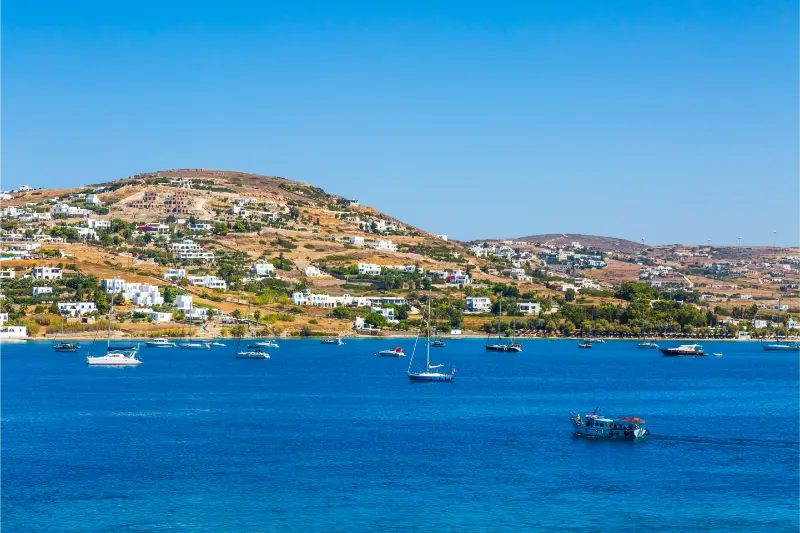
Parikia pairs naturally with inland Paros. One excellent day is Ekatontapyliani and the museum in the morning, followed by Lefkes and the traditional villages later. For a beach-focused day, use Parikia as the transport hub and head toward Golden Beach or the north coast. If you prefer nightlife and harbour scenery, compare the atmosphere with the Naoussa guide.
Common mistakes
- Using Parikia only as a ferry terminal and missing its historic core.
- Scheduling the archaeological museum for Tuesday without checking closure information.
- Dragging luggage through narrow lanes when a port-side transfer would be simpler.
- Renting a car for every day even though several excursions are easy by bus.
- Trying to visit Ekatontapyliani during a service as if it were only a tourist attraction.
Frequently asked questions
Is Parikia worth staying in?
Yes. It is especially strong for first or last nights, car-free travellers and visitors interested in history.
Is Parikia or Naoussa better?
Parikia is more practical for ferries and buses; Naoussa is more polished for nightlife and harbour ambience. Both are worth seeing.
Can you walk from the ferry to the old town?
Yes. The central historic streets and Ekatontapyliani are close to the port, although accommodation farther away may still justify a taxi with luggage.
How long do you need?
A focused half day covers the key sights; one full day feels more relaxed.
Is Parikia good with children?
Yes, especially for a short cultural walk combined with Livadia beach, but midday heat can make the lanes tiring for young children.
For details that can change—transport frequency, museum hours, road access and seasonal services—check official information shortly before the visit. Useful starting points are Visit Greece’s official Paros page and the Paros KTEL timetable. For archaeology, use the Cyclades Ephorate information on Paros archaeological sites and the Ministry museum page.
More Paros guides for the same trip
Continue planning with Ekatontapyliani, Paros Park, Golden Beach, Santa Maria and Lageri and the main Paros travel guide. Use these pages to build a cluster by geography rather than treating every attraction as a separate cross-island excursion.
Practical planning notes
In peak season, make the day easier by choosing parking, lunch and your backup beach before leaving the hotel. Save offline maps, carry water in the car and keep both walking shoes and swimwear available. Paros is small enough that plans can change without ruining the day, but only if you avoid bookings that force you to cross the island at fixed times. Leave at least one flexible afternoon during a five-night stay for wind, fatigue or a place you discover after arrival.
A note on pace
The most satisfying Paros days usually contain one major objective, one nearby secondary stop and a long meal or swim. When a day has five villages, three beaches and two sunset viewpoints, most of the time is spent parking and navigating. Treat slower pacing as an efficiency tool: it reduces backtracking, keeps children and less active travellers comfortable and gives you time to notice local details that do not appear in search results.
Final thoughts
Parikia is most rewarding when you stop comparing it with postcard-perfect Naoussa and let it be what it is: a living port capital with serious history, useful transport and an easy evening rhythm. It is one of the best places on Paros to begin slowly, understand the island and remove unnecessary logistics from arrival or departure day.